
25-04-2018 17:04
 Riet van Oosten
Hello,Found 23-04-2018, on Typha, the Netherlands.


24-04-2018 14:45
Valencia Lopez Francisco JavierHola a todos/asEstas pezizas están recolectadas e
24-04-2018 13:16
 Castillo Joseba
Me envian una muestra en seco desde Galicia, E
10-04-2018 06:20
Ethan CrensonHi all,Found recently in the Bronx, NYC, seemingly
Phaeosphaeria eustoma?
Riet van Oosten,
25-04-2018 17:04
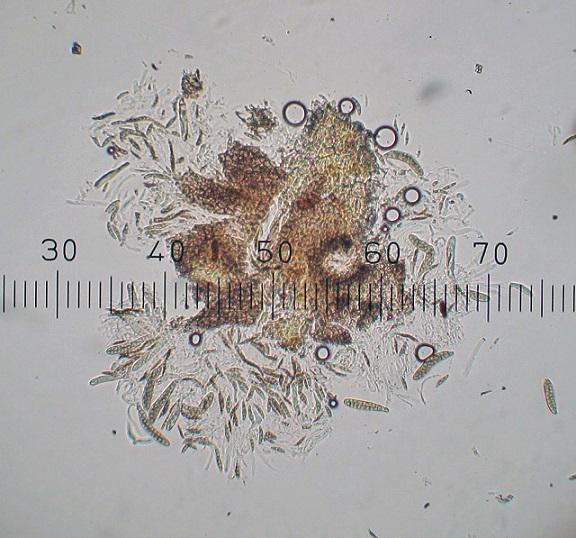
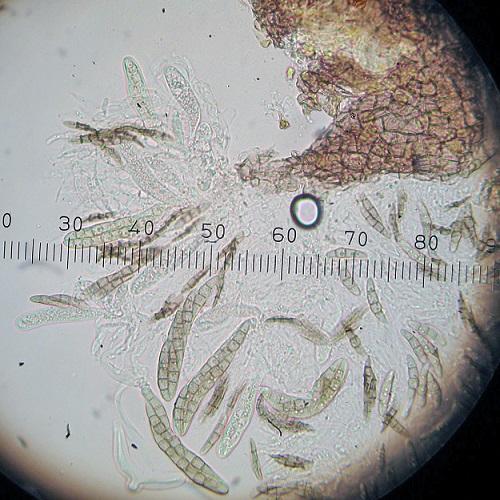
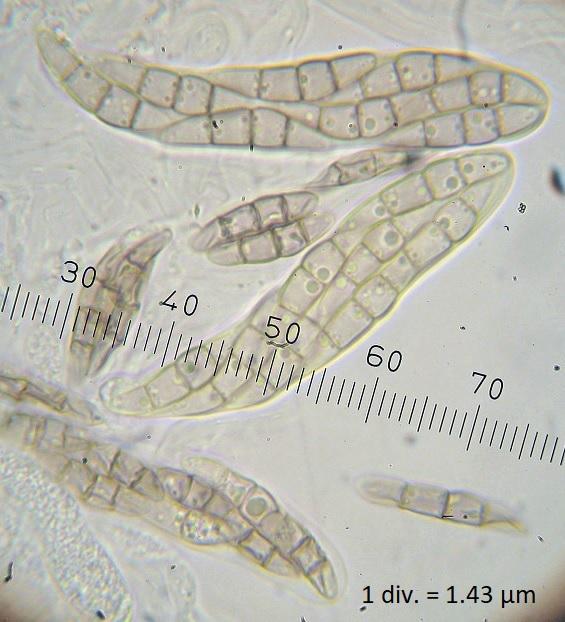
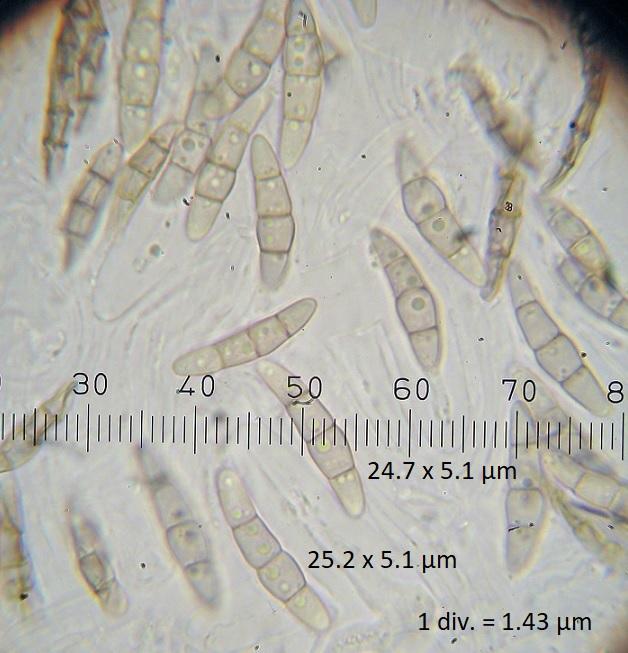
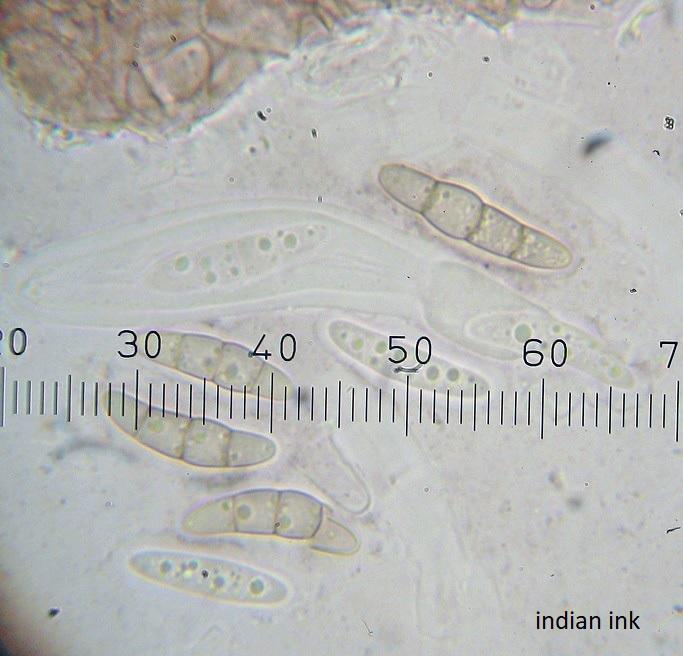
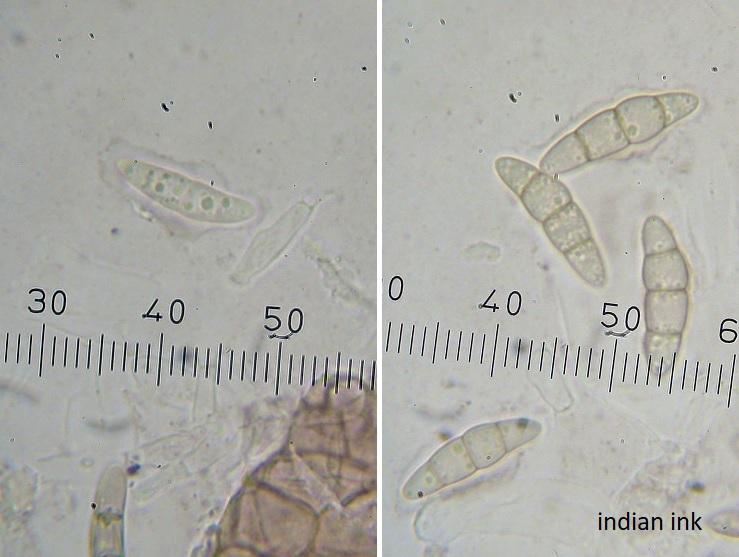
Hello,Found 23-04-2018, on Typha, the Netherlands.
Spore sizes: 24.7-25.2-26.5-26.6-27.2 x 5.1-5.1-5.4-5.4-5.4 µm, Q = 4.9
Is this Phaeosphaeria eustoma?
Greetings, Riet



Chris Yeates,
26-04-2018 04:10

Re : Phaeosphaeria eustoma?
Hello Riet
It certainly fits P. eustoma following the paper on Phaeosphaeria in Canadian Journal of Botany67 (1989) by Shoemaker & Babcock.
It certainly fits P. eustoma following the paper on Phaeosphaeria in Canadian Journal of Botany67 (1989) by Shoemaker & Babcock.
P. eustoma only appears in passing in Nova Hedwigia 57 (1993) Khashnobish & Shearer "Reexamination of eight Leptosphaeria species (Ascomycetes: Pleosporales) originally described on Typha" presumably because it was not originally described on that host.
Do you have access to these papers? Let me know if you would like PDFs.
Best wishes
Chris
Riet van Oosten,
26-04-2018 12:51
Re : Phaeosphaeria eustoma?
Hello Chris,
Thank you for your confirmation!
I alraedy have the PDF on Phaeosphaeria in Canadian Journal of Botany 67 (1989) by Shoemaker & Babcock. This paper helped me a lot.
I would be glad to receive the other PDF.
Best wishes,
Riet
Thank you for your confirmation!
I alraedy have the PDF on Phaeosphaeria in Canadian Journal of Botany 67 (1989) by Shoemaker & Babcock. This paper helped me a lot.
I would be glad to receive the other PDF.
Best wishes,
Riet
hannie wijers,
26-04-2018 15:21
Re : Phaeosphaeria eustoma?
Hallo Chris, could ou sent me the papers too, Please?
Sincerely,
Hannie
Sincerely,
Hannie