
30-10-2016 20:46
 Christopher Engelhardt
today, yellowish flat cups on cow dungSpores 26-29
28-10-2016 21:52
 Malcolm Greaves
Can someone help with this "Hymenoscyphus" sp.Foun
30-10-2016 01:39
 Rubén Martínez-Gil
Hola a todos. Subo unas fotos de un asco que hemo


30-10-2016 13:39
 Enrique Rubio
Hi again This Arachnocrea species grew on the hym
29-10-2016 09:53
Christopher Engelhardt
In a N Germany valley we did find these Pezizas so
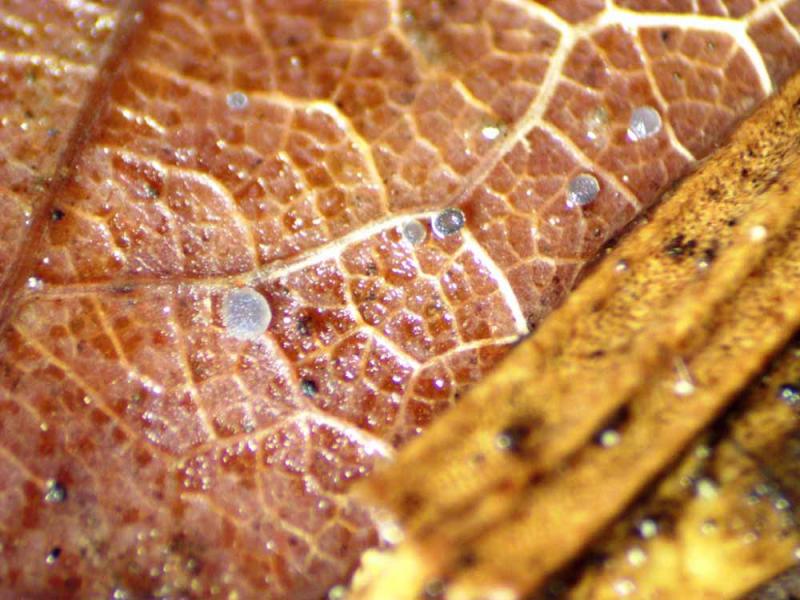
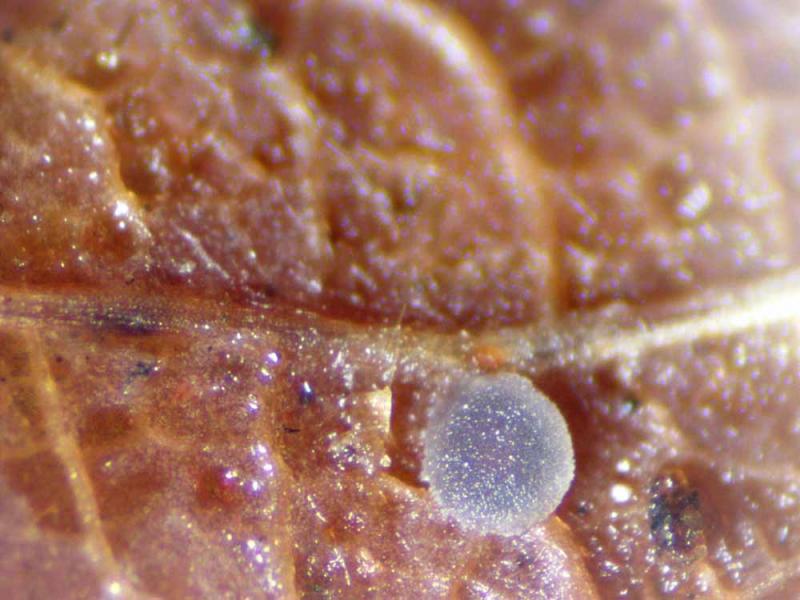
Hoja de Roble
Blasco Rafael,
31-10-2016 10:36
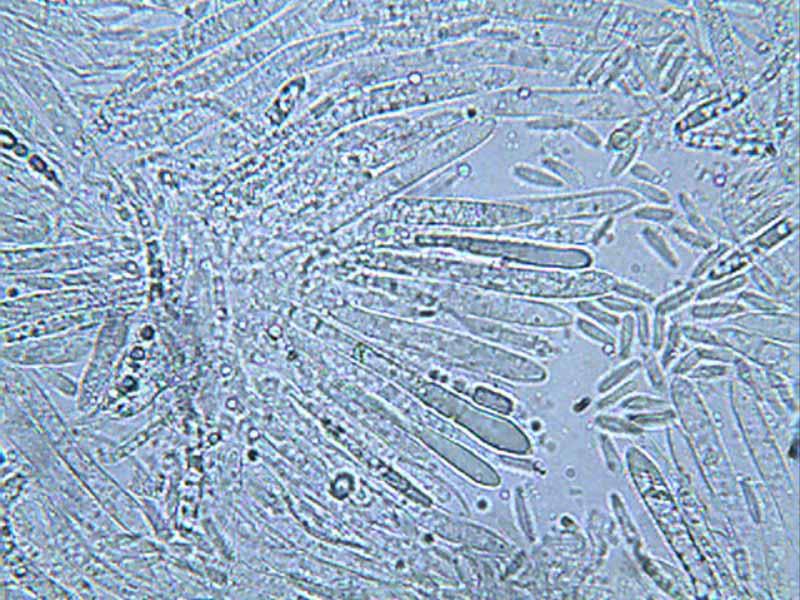
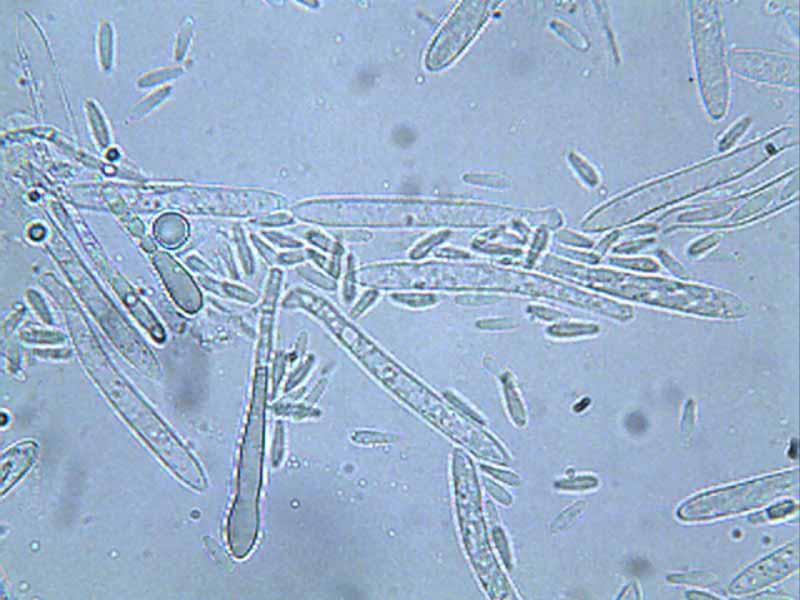
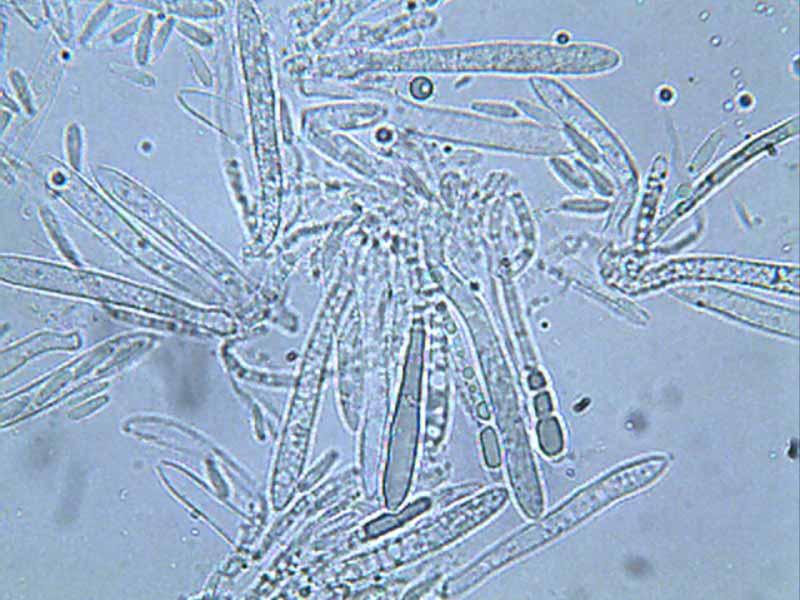
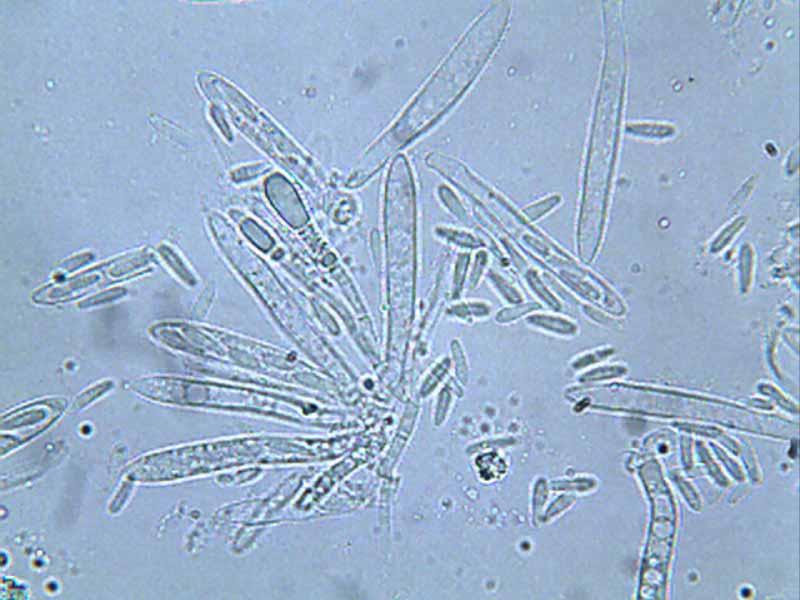
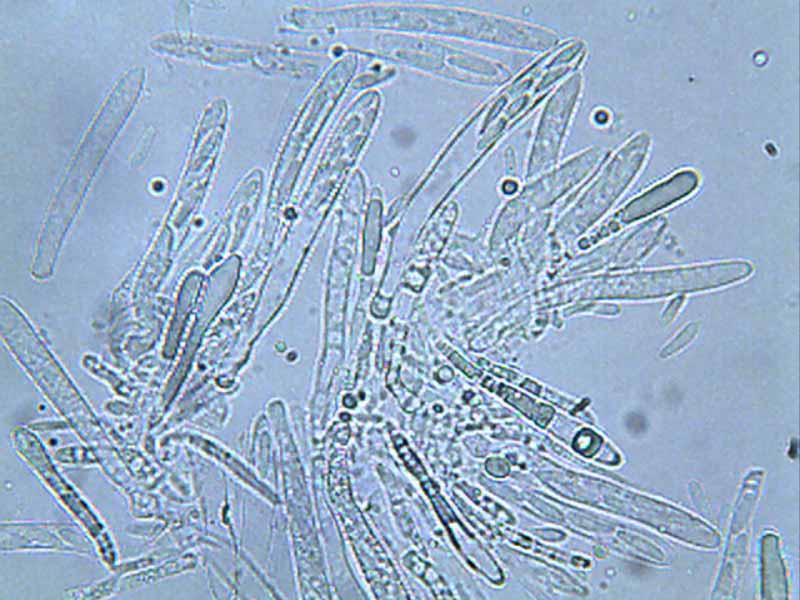
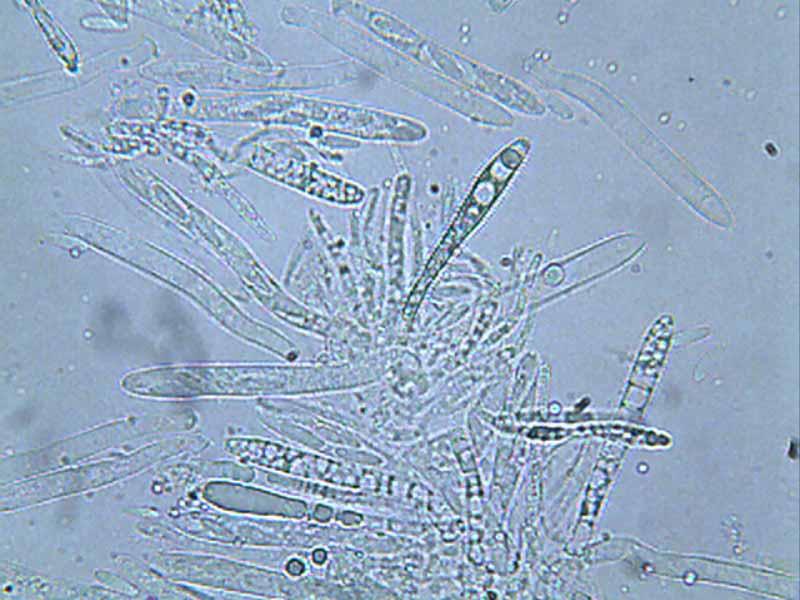
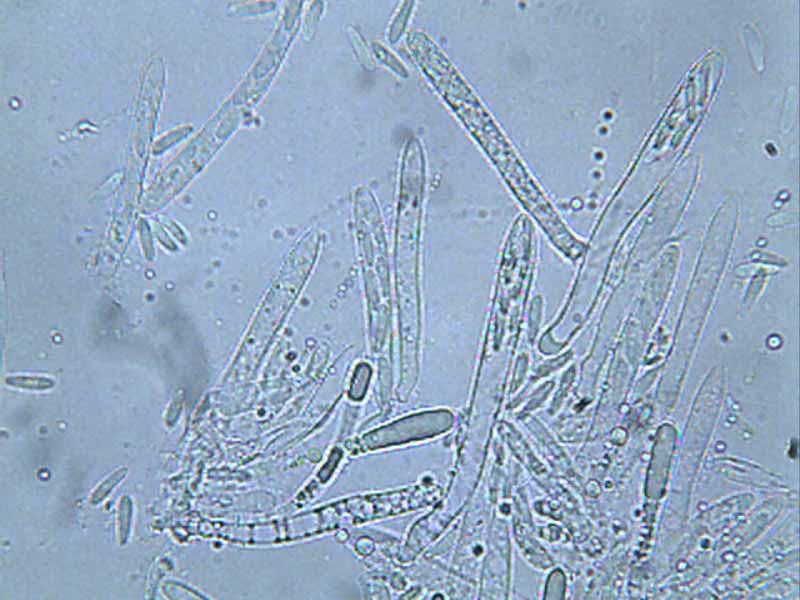
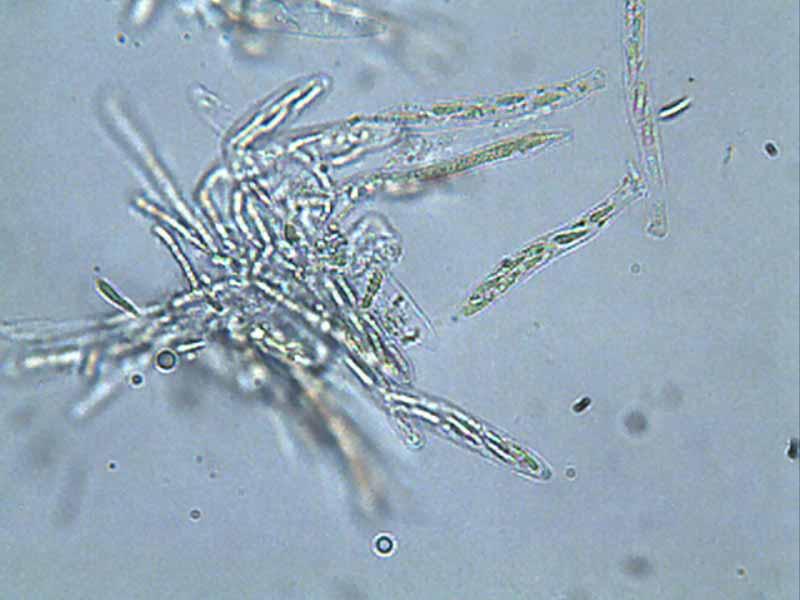
 Hola, necesito de su ayuda para saber que especie puede ser.
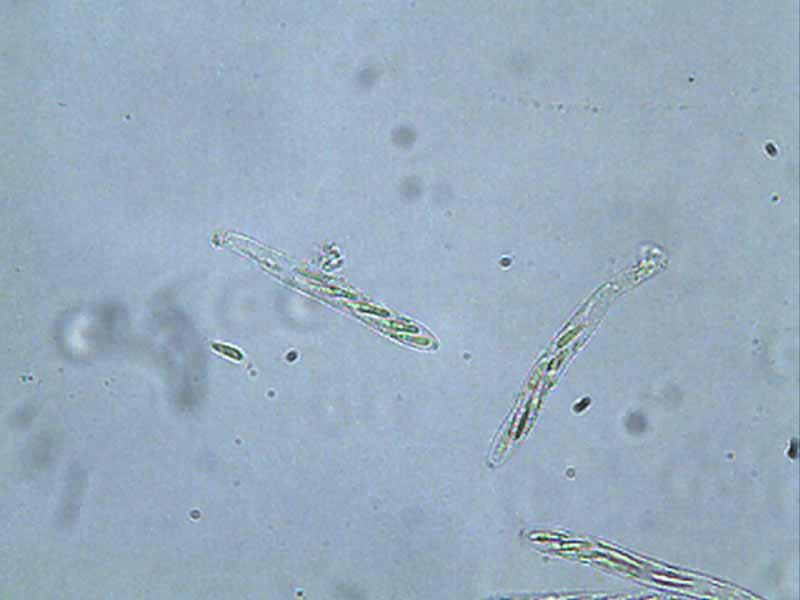
sobre hojas de Roble caidas al suelo en la cara inferior.
diametro 0,4--0,5 mm
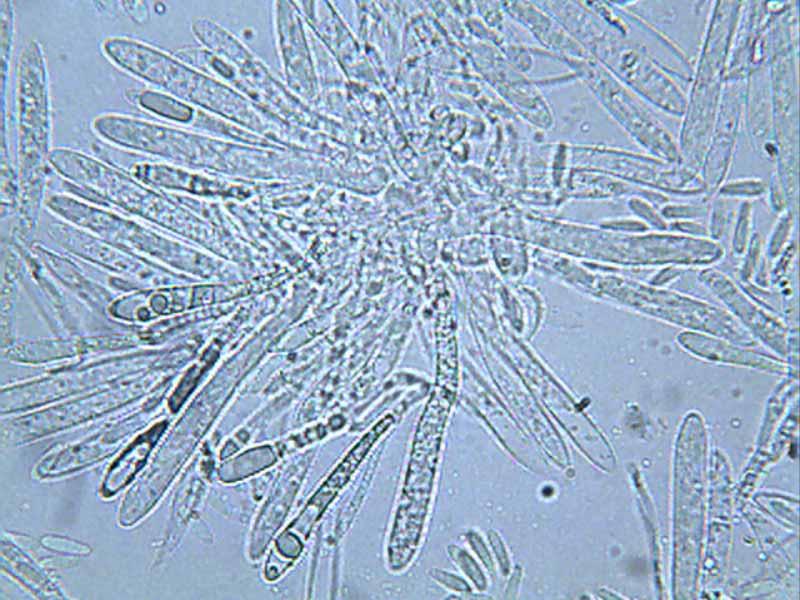
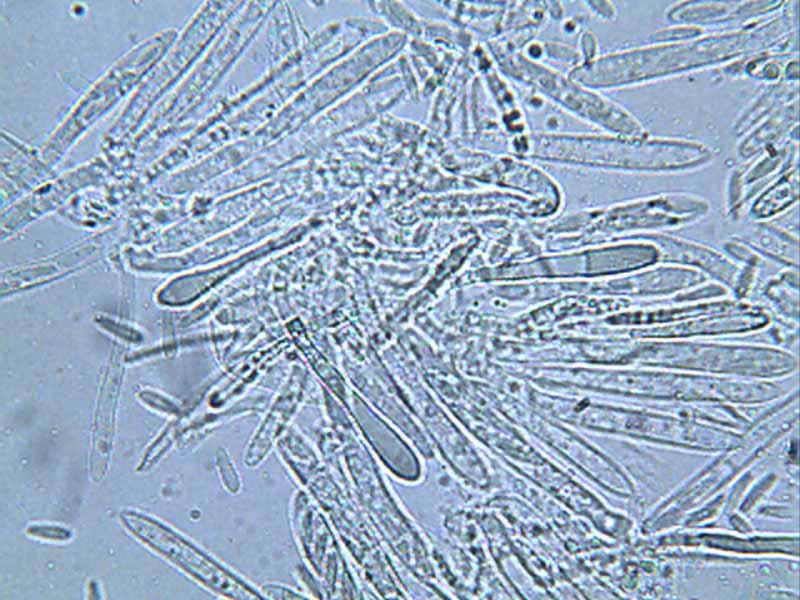
parafisis infladas en la ultima celula, hasta x7, con una gran gota.
esporas 8--9 x 1,6--2 (10x2,2)
ascas 49--60 x 6--7 (70x6,5)
J+, Crozier ¿+?
Un saludo
Rafael
Hans-Otto Baral,
31-10-2016 11:15

Re : Hoja de Roble
If the excipulum is brown then I think it should be Mollisia nervicola (= M. rabenhorstii).
Zotto
Zotto