
20-02-2016 09:18
Eike HeinemannGood morning,in October I found this little black
21-02-2016 00:08
 Rubén Martínez-Gil
Hola a todos. Subo unas fotos de un asco que hemo
19-02-2016 00:38
 Lothar Krieglsteiner
.. found today in the reserve Fonte Benemola, but
19-02-2016 23:38
 Bernard CLESSE
Bonsoir à tous,Voici ce que je pense être un Orb
19-02-2016 22:09
Bernard CLESSE
Je suppose que vous le connaissez mais comme on ne

16-02-2016 21:31
François BartholomeeusenHi all,Found on dead stalk of Rubus lying on the g
19-02-2016 00:05
Olsson JanFound these on fallen twigs of Fraxinus. Is it pos
Massarina/Lophiotrema aqautisch
Eike Heinemann,
20-02-2016 09:18
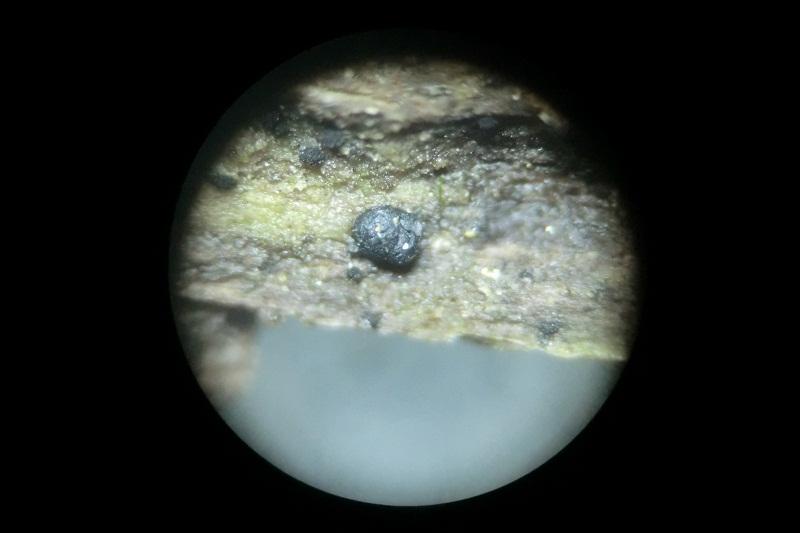
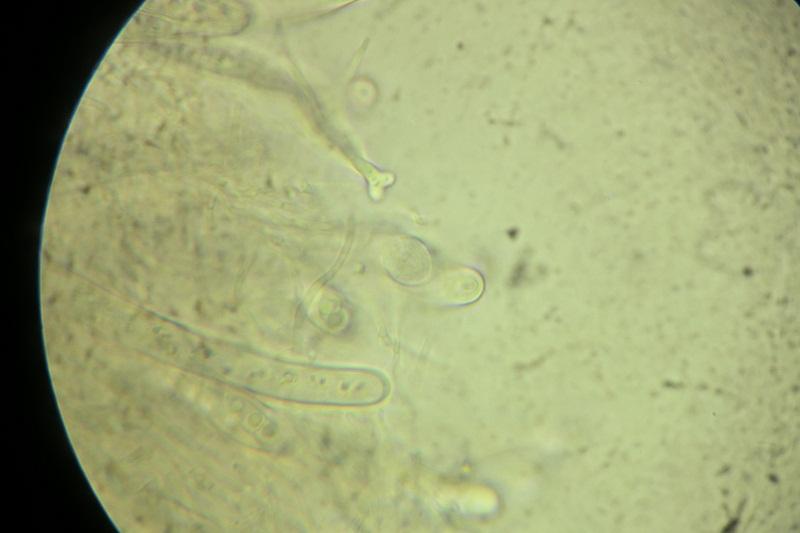
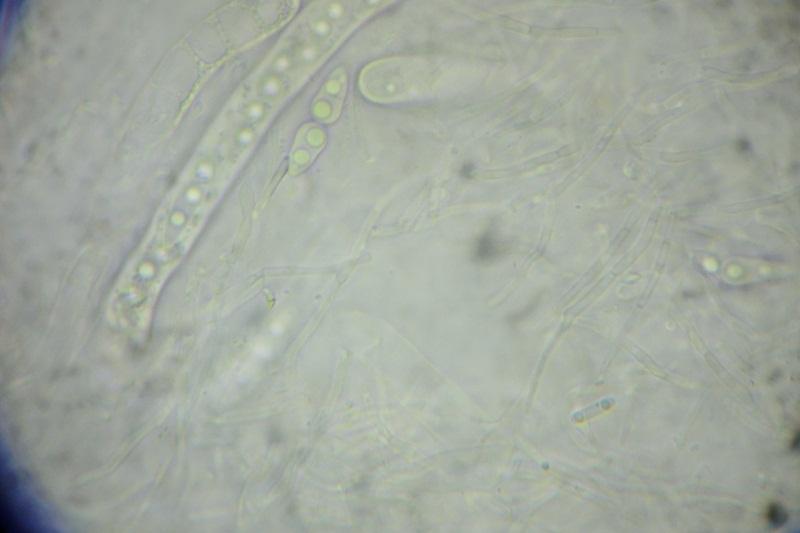
in October I found this little black Ascomycetes in a freshwater habitate on unedentified old wood .
I think it is a Massarina or a Lophiotrema .
The Ascobase looks a little bit like a bone .
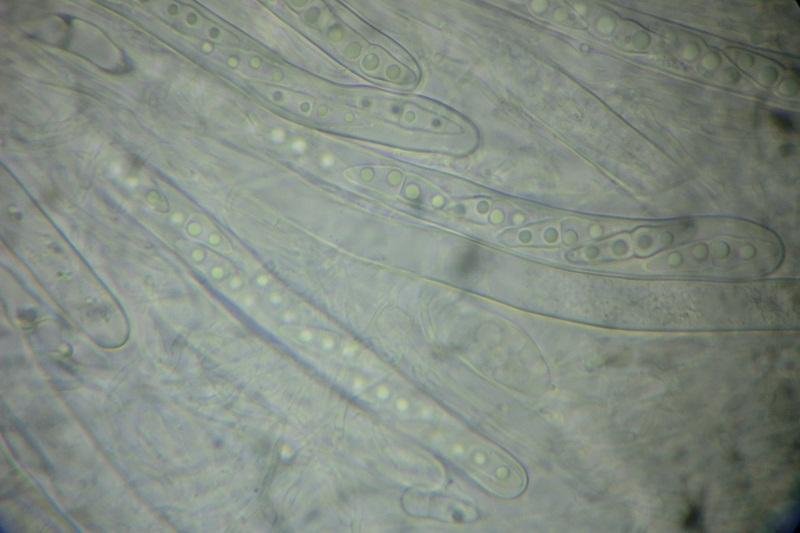
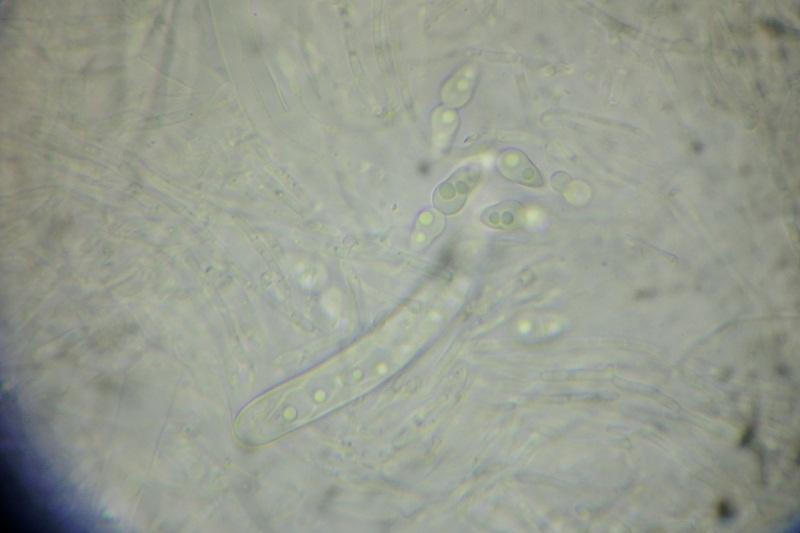
The spores was with one septate : 23-24x6µ
Asci: 140-150x10µ
Can anyone say something to this species ?
Alain GARDIENNET,
20-02-2016 14:18

Re : Massarina/Lophiotrema aqautisch
Perhaps Amniculicola parva.
Alain
Jacques Fournier,
20-02-2016 18:00

Re : Massarina/Lophiotrema aqautisch
yes I agree with Alain. The apparent lack of purple stain of the wood points towards A. parva rather than to A. lignicola. In A. parva the purple stain, when present, is at the edges of the colony, not between the ascomata.
Cheers,
Jacques
Cheers,
Jacques
Eike Heinemann,
21-02-2016 14:12
Re : Massarina/Lophiotrema aqautisch
Thanks for the idenfication . What is the different between Massarina and Amniculicola ?
Eike
Eike
Jacques Fournier,
21-02-2016 17:00
Re : Massarina/Lophiotrema aqautisch
before the DNA era Massarina was applied to most of Dothideomycetes with similar hyaline fusiform to ellipsoid 2-celled ascospores. Many genera have been segregated from Massarina based on molecular data, it's a very long story...You can get an idea of the story in the two followig papers, available online.
Studies in Mycology 64: 85–102. 2009.
Studies in Mycology 64: 145–153. 2009.
Cheers,
Jacques
Studies in Mycology 64: 85–102. 2009.
Studies in Mycology 64: 145–153. 2009.
Cheers,
Jacques