
02-06-2026 14:33
 Nicolas VAN VOOREN
Hello.I'm searching for a PDF copy of the followin
02-06-2026 17:58
Louis DENYBonjour forum, Sur feuille de Populus tremula, en

28-07-2011 18:31
 Alex Akulov
Dear FriendsToday I made the pdf file of Velenovsk
11-09-2025 16:57
 Jason Karakehian
Our revision of Marthamycetales (Leotiomycetes) is
12-11-2019 10:32
 Miguel Ángel Ribes
Hi againExactly at the same place than my previous
25-12-2019 17:54
Valencia Lopez Francisco JavierHola a todos/asEstas supuestas pezizas estaban en
12-07-2015 00:05
 Nedim Jukic
This one from the same locality as the previous on

30-05-2026 21:12
Philippe PELLICIERSur branche de mélèze (Larix) près de la neige,
 Hola a todos.
 Os presento una Orbilia.Ascomas de hasta 1 mm. En corteza externa de restos muertos, de Quercus ballota. Ascas 34-42 x 4-5 micras. Esporas 4-6(7) x 2-3 micras, con 2 vacuolas en los extremos. Parafisis septadas hasta 4.5 micras.
Orbilia coccinella ?
Hi all. I present a Orbilia.
Ascomata of up to 1 mm. In the outer crust of dead remnants of Quercus ballota. Asci 34-42 x 4-5 microns. Spores 4-6 (7) x 2-3 microns, with 2 vacuoles at the ends. Septate paraphyses up to 4.5 microns.
Orbilia coccinella. Orbilia digitalina??

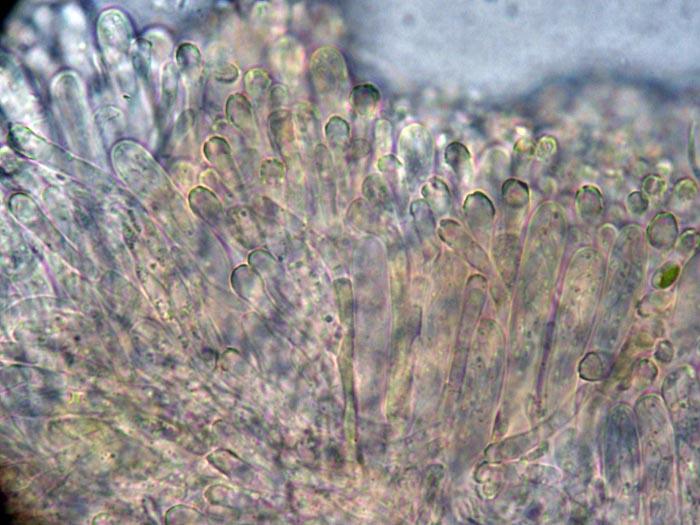
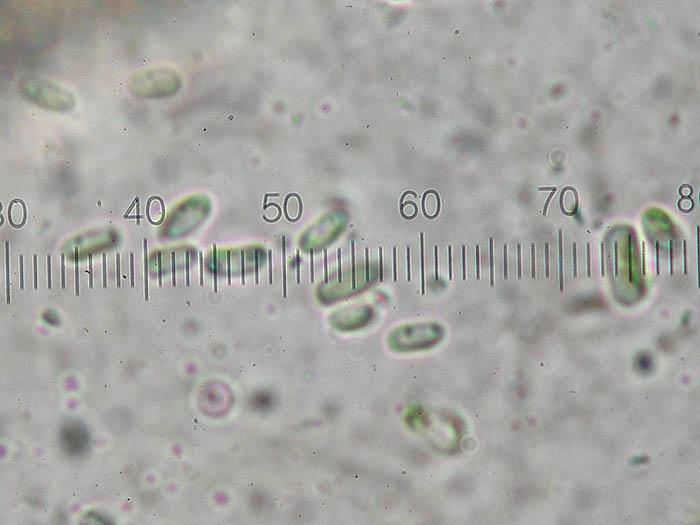


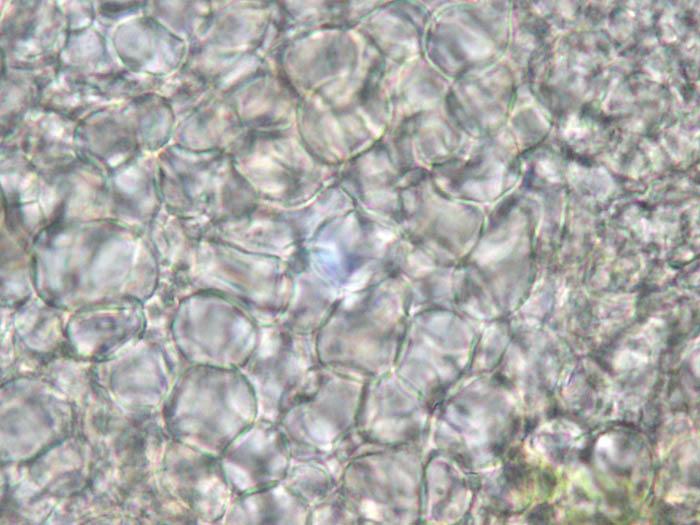

JPP

Jean-Paul is right, and you have indeed the correct spores inside the asci. I see a spore body at one end. Could you please send me this image nr. 2 in high resolution? Perhaps also with a scale?
The Dicranidion is interesting, but we do not know a species with such crenulate margin in combination with Dicranidion.
Could you please look at the margin whether there are glassy processes or what these teeth are?
Zotto
Send more pictures. If you want more resolution, shipping to the private...............
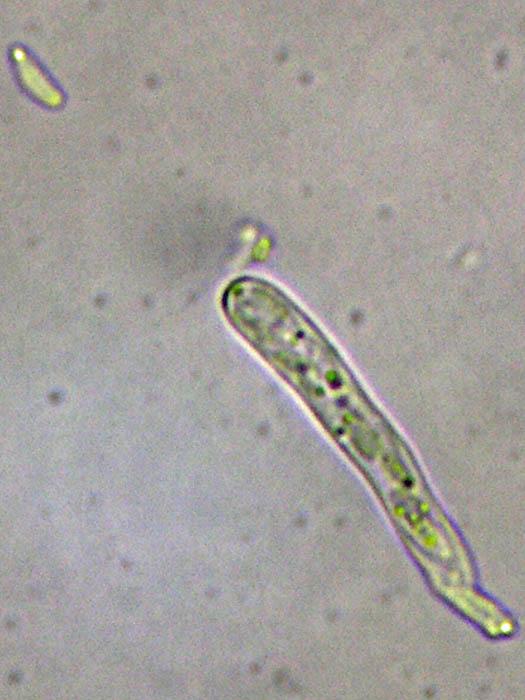


My idea is a but that it could be Orbilia microsoma. Important is also that the asci are 8-spored, because there is an O. pleiomicrosoma with 16 spores.
These microsomas have short glassy processes at the margin.
Zotto