
23-05-2026 11:44
 Charles Grapinet
Hello, I am having trouble identifying this copro
23-05-2026 18:57
Sylvie Le GoffBonjour à tousRécolté sur une branchette de Sal
22-05-2026 14:44
 Lothar Krieglsteiner
in unripe condition citrine yellow, then soon fadi
22-05-2026 21:35
Steve ClementsBonjour, I expected this find on old wood on our
22-05-2026 18:12
Lothar Krieglsteiner
... in moist chamber from Portugal.As the fungus s
22-05-2026 20:08
Ethan CrensonHello all, Yesterday in NYC I was visiting an e
11-01-2022 16:36
 Jason Karakehian
Hi does anyone have a digital copy of Raitviir A (
20-05-2026 17:47
Margot en Geert VullingsWe found this Mollisia on dead Juncus stems mown l
22-05-2026 14:47
Gernot FriebesHi,superficial ascomata collected on bark of a liv
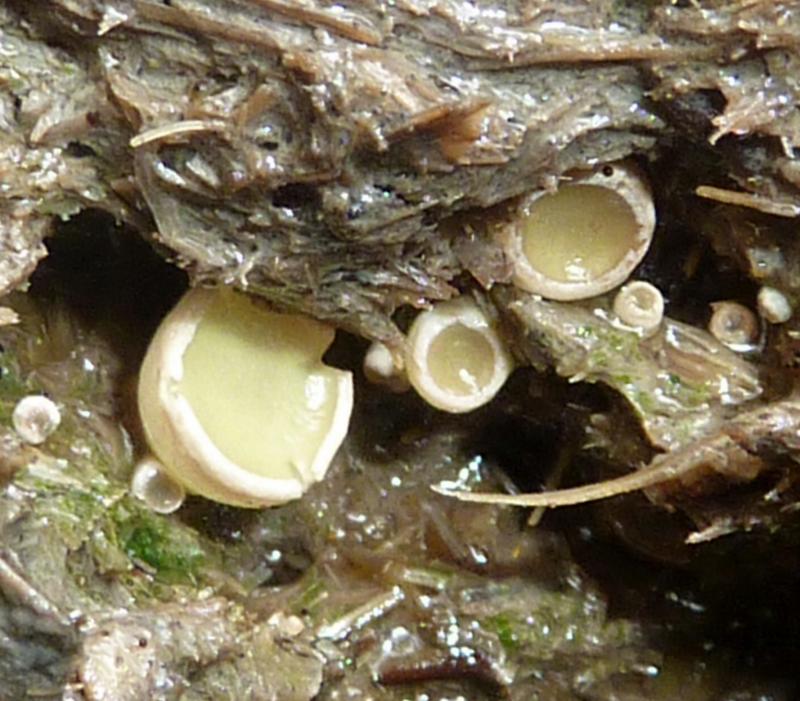
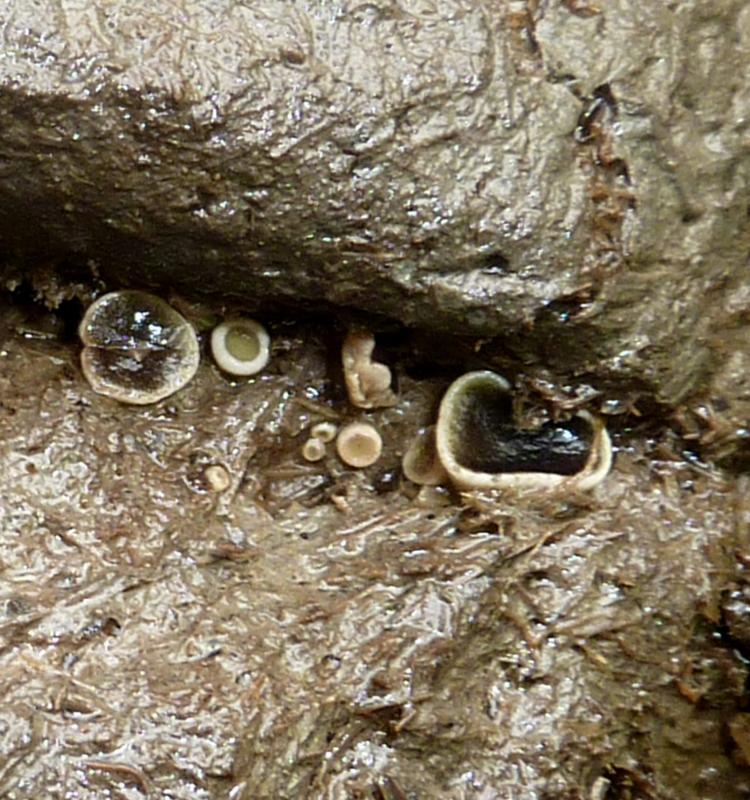
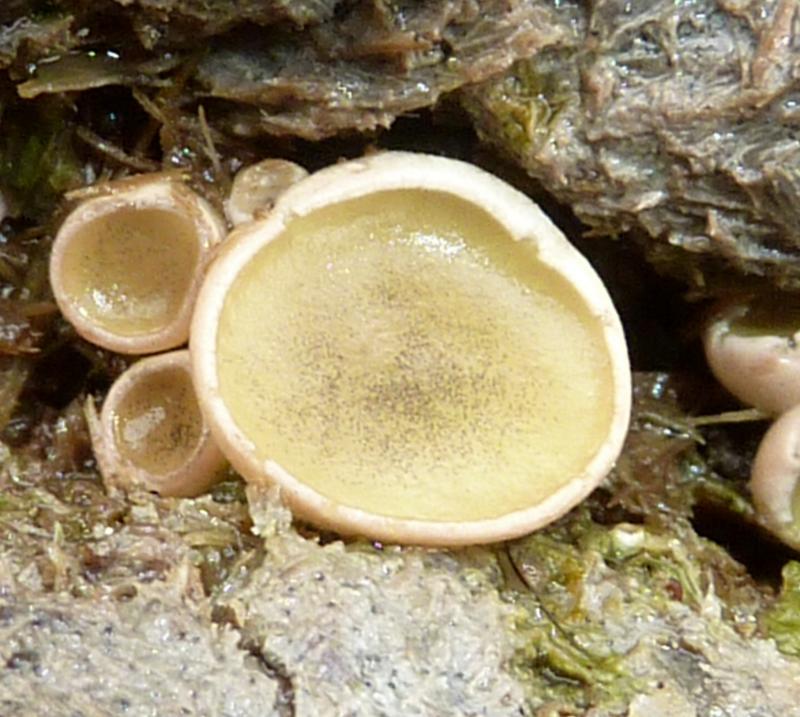
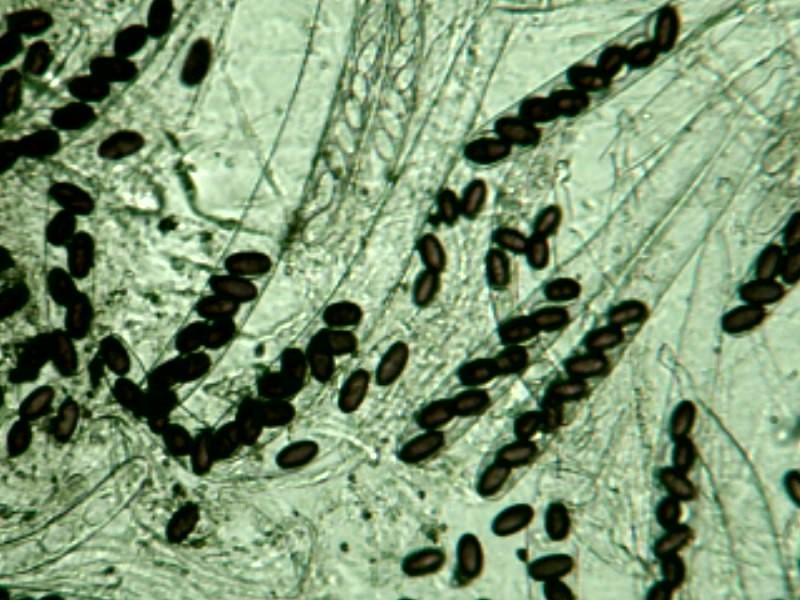
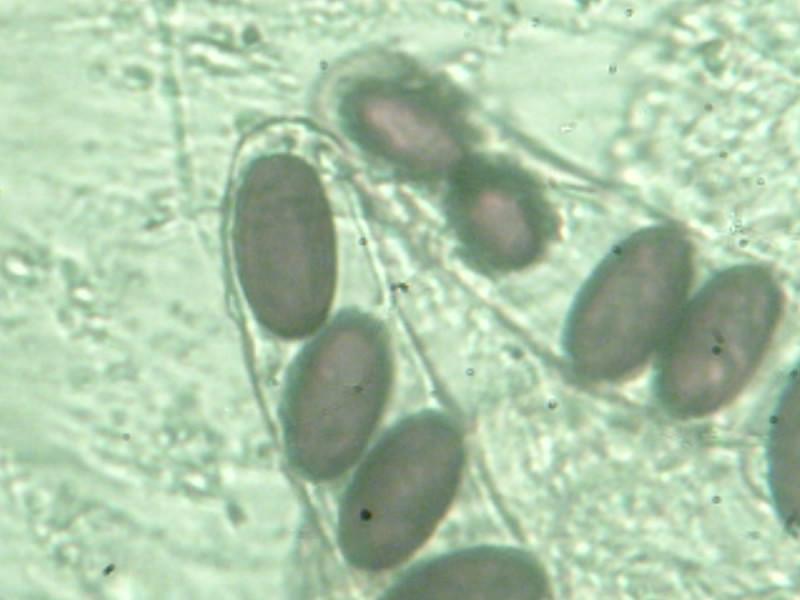
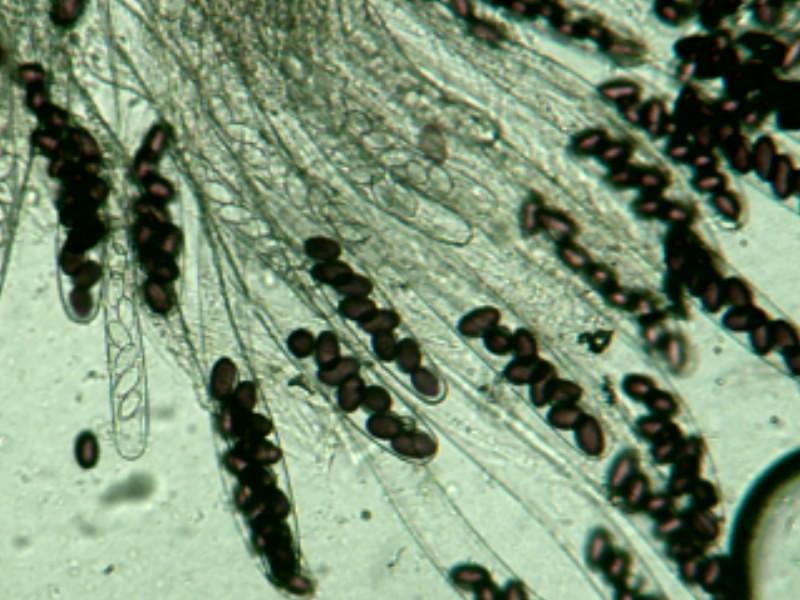

I remember a big Ascobolus that I once found on horse dung in my garden. It was identified as A. scatigenus, but I never saw it again.
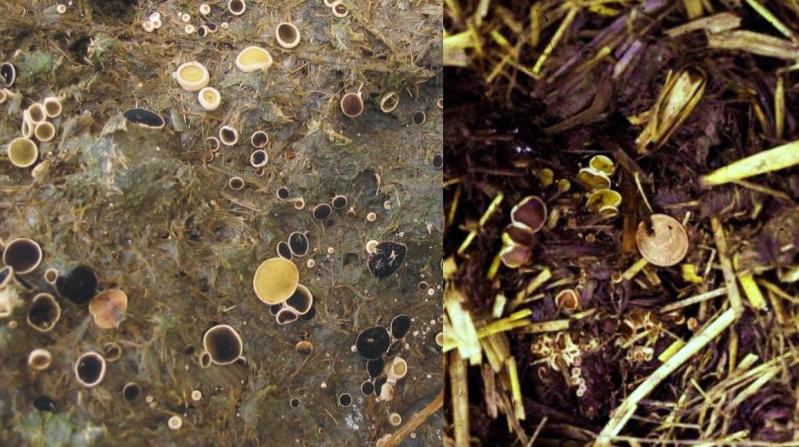
Here is the photo, and one from Panama by M. Piepenbring (left one) which I think might be the same species.
But it can well be that there exist several similar such species.
Zotto

http://www.youtube.com/watch?v=ZvfVRfK83Oo?
Malcolm
It may well be Ascobolus scatigenus. There are hardly any other Ascoboli reaching that size. I've seen it quite frequently on horse dung in Australia. It seems to prefer the tropics or at least warmer regions. @ Zotto: I don't know of any other German find. What a garden!
Regards, Till
It was dung from our neighbors, who keep horses. Possibly there was some inoculum introduced from the tropics, otherwise I cannot explain. Sometimes I think I have also introduced some fungi into my garden through specimens sent to me. But this Ascobolus was long before Guy made his trips to Australia...
Zotto