03-06-2026 14:39
Thomas FlammerApothecia yellow, glassy-transparent, 80 - 120 ymS
16-03-2014 13:39
 Enrique Rubio
HI to all I'm looking for B. Hein's article on Wi

02-06-2026 14:33
 Nicolas VAN VOOREN
Hello.I'm searching for a PDF copy of the followin
18-10-2022 00:12
Valencia Lopez Francisco JavierHola amigos/asRecientemente encontré esta colecci
02-06-2026 17:58
Louis DENYBonjour forum, Sur feuille de Populus tremula, en

28-07-2011 18:31
 Alex Akulov
Dear FriendsToday I made the pdf file of Velenovsk
Discina ?? Mayotte
maurice pelissier,
29-04-2013 10:03
 Bonjour
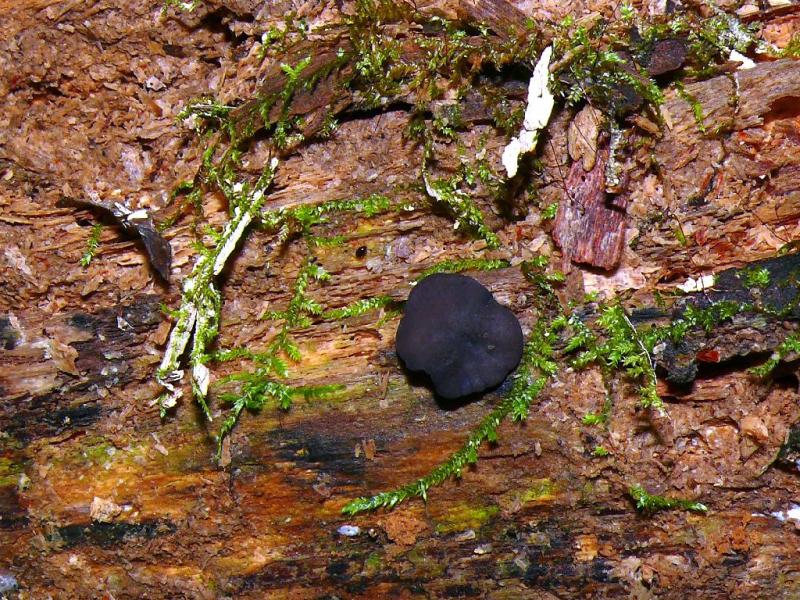
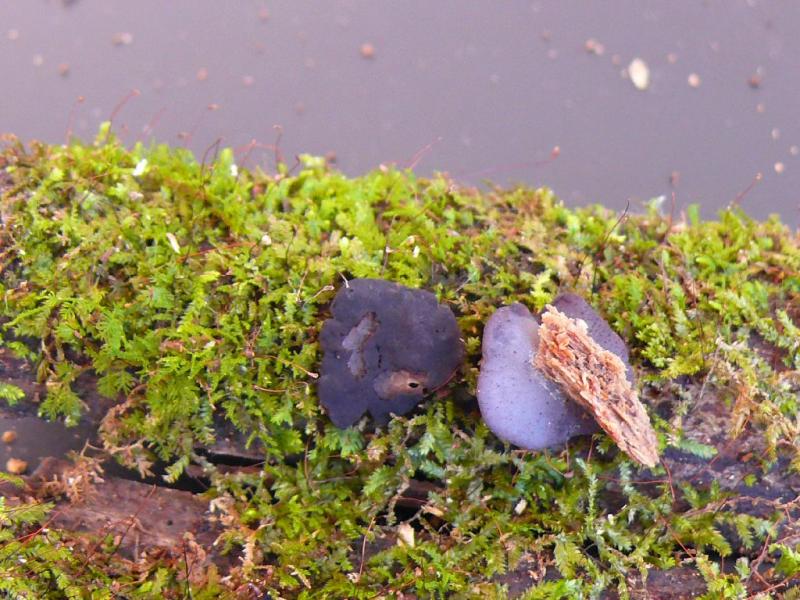
 j'ai trouvé ce spécimen en forêt tropicale sur bois pourri recouvert de mousse voici ses caractéristiques :
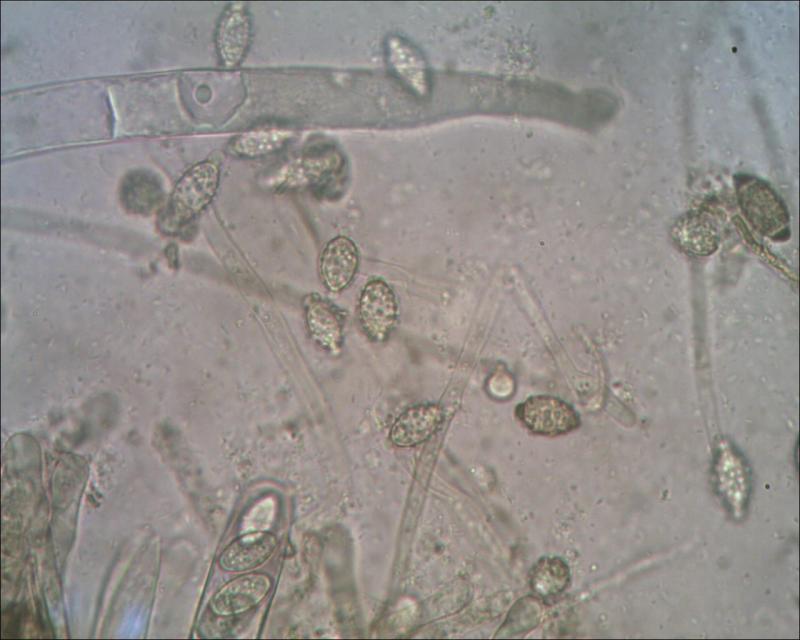
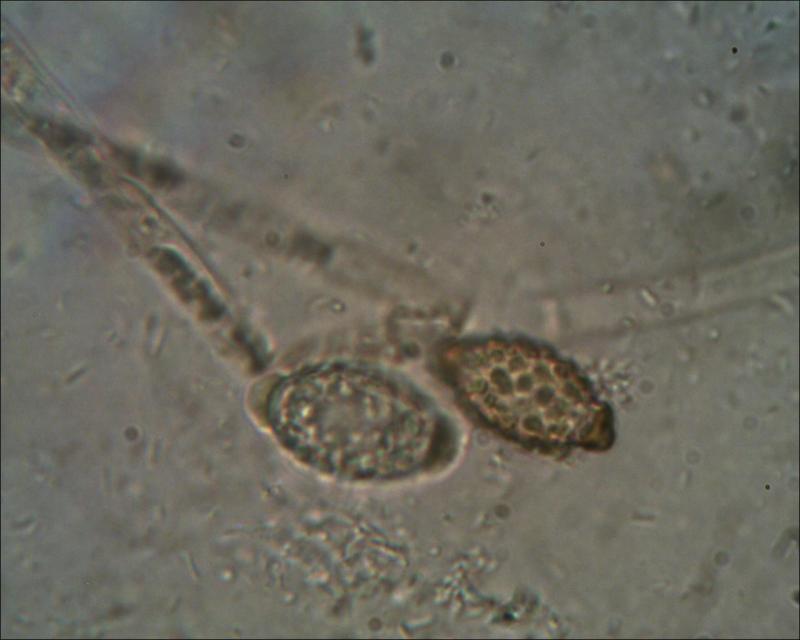
Chapeau : 1,3 à 1,5 cm surface hyméniale brun noir a noir violeté avec nuances rougeâtres dans la chair Stipe sans, Spores largement ellipsoides fortement ponctuées 9,7 – 12,1 X 17 – 19,4 – 21,8 hyalines dans la jeuness puis brunissant les mures brunes munies de 2 appendices apiculaire tronqués Paraphyses se terminant en bouton (8,5) Asque operculé faiblement amyloides jeunes 223 x 15,8
?
Neven Matocec,
29-04-2013 10:37

Re : Discina ?? Mayotte
Hello Maurice,
Great catch!
I've been rather inactive on the forum recently and had options to answer unfortunately in only very limited occasions. This will hopefully improve in next weeks when my new house should start to be operational for living and work.
This very interesting collection should much more likely represent Peziza s.l. around the Peziza obtusapiculata/prosthetica than a Discina.
Quite differently to a Hypocreoid fungi you sent me last year (also from Mayotte), this collection we could much more efficiently solve. We would very much like to compare it with some other collections of tropical apiculate pezizas.
If you could dry these apothecia in a room temperature, you can send me again the material, but this time to a different address. Please use my e-mail address for further details.
Cheers,
Neven
Great catch!
I've been rather inactive on the forum recently and had options to answer unfortunately in only very limited occasions. This will hopefully improve in next weeks when my new house should start to be operational for living and work.
This very interesting collection should much more likely represent Peziza s.l. around the Peziza obtusapiculata/prosthetica than a Discina.
Quite differently to a Hypocreoid fungi you sent me last year (also from Mayotte), this collection we could much more efficiently solve. We would very much like to compare it with some other collections of tropical apiculate pezizas.
If you could dry these apothecia in a room temperature, you can send me again the material, but this time to a different address. Please use my e-mail address for further details.
Cheers,
Neven
Nicolas VAN VOOREN,
29-04-2013 10:37
Re : Discina ?? Mayotte
Bonjour.
As-tu vérifié la réaction des asques au Melzer ou au Lugol ? Je pense que ça pourrait être plutôt une espèce du genre Peziza. La forme générale de la spore, avec de tels capuchons apicaux, me fait penser à Peziza thozetii Berk., bien que l'ornementation paraisse plus grossière.
A creuser.
As-tu vérifié la réaction des asques au Melzer ou au Lugol ? Je pense que ça pourrait être plutôt une espèce du genre Peziza. La forme générale de la spore, avec de tels capuchons apicaux, me fait penser à Peziza thozetii Berk., bien que l'ornementation paraisse plus grossière.
A creuser.
René Dougoud,
29-04-2013 11:03
Re : Discina ?? Mayotte
Bonjour cher Collègue,
L' amyloïdie des asques conduit vers les genres Peziza ou Pachyella, ce dernier genre si l'exc. ectal est palissadique. Je pense cependant qu’il s’agit d’une espèce du genre Peziza.
A rechercher, de par la couleur de l’apothécie, vers P. cornui ou P. neocornui. Je n'ai pas d'autre proposition ?
Amicalement
René
maurice pelissier,
29-04-2013 12:39
Re : Discina ?? Mayotte
la reaction au melzer est faiblement amyloide sur les asques jeunes et encore plus faible sur asques murs mais peut être que mon melzer est trop vieux !!