
04-05-2026 18:13
 Stephen Martin Mifsud
ID request for what seems to be a true aquatic fun
04-05-2026 16:39
Stephen Martin Mifsud
ID request: This specimen was collected in Malta o
28-07-2011 18:31
 Alex Akulov
Dear FriendsToday I made the pdf file of Velenovsk
28-04-2026 20:07
 Lothar Krieglsteiner
... on twig in the air at standing Ceratonia siliq
04-05-2026 09:50
 Castillo Joseba
Me mandan el material seco de Galicia,(España) re
02-05-2026 12:42
Alain BRISSARDBonjour à tousJeuidi 30 avril dernier on m'a remi
02-05-2026 13:06
Pauline. PennaBonjour Please can someone help me with this id
01-05-2026 22:45
 Thierry Blondelle
Bonjour à tous, Une récolte sur bouse séchée d
14-04-2026 05:32
Ethan CrensonHi all, A few weeks back a friend pointed out som
Possible Geocladium luteolum
Steve Clements,
19-08-2014 16:18
Hi,
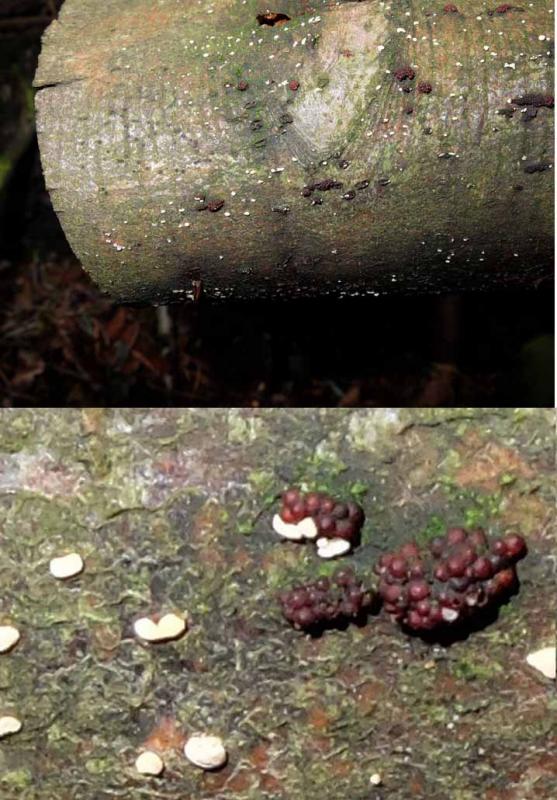
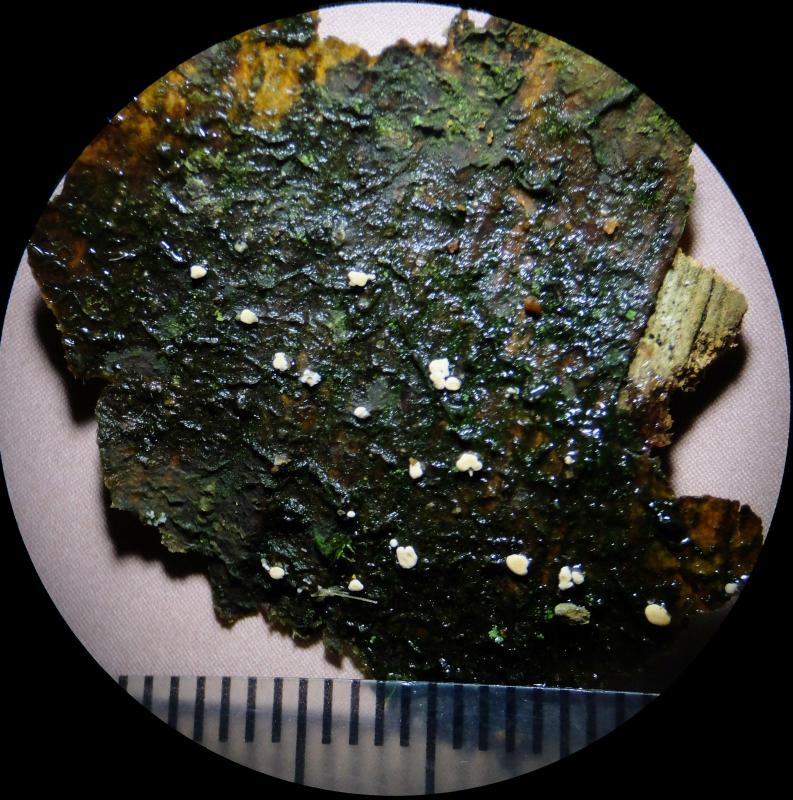
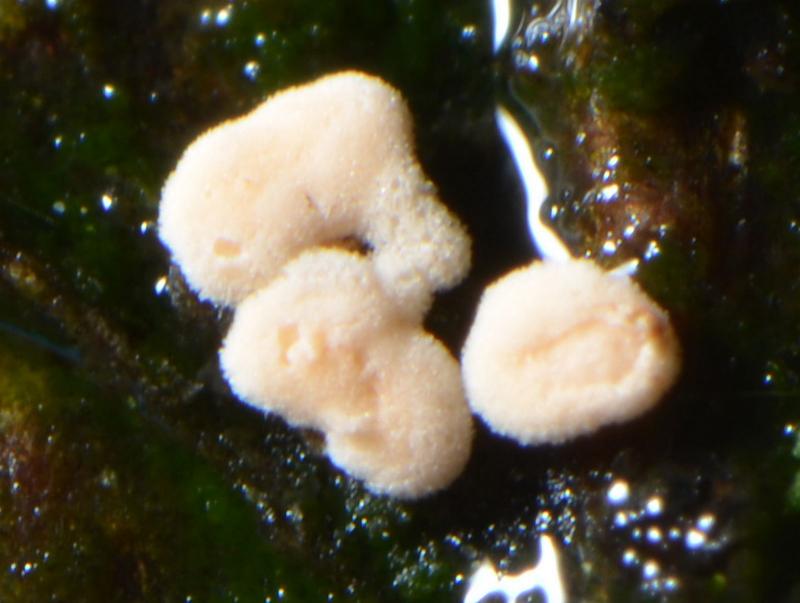
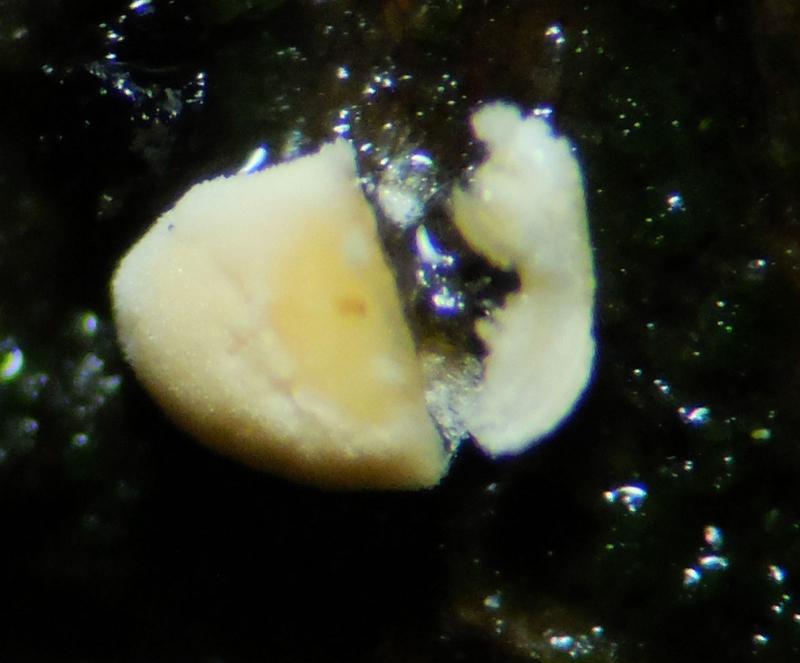
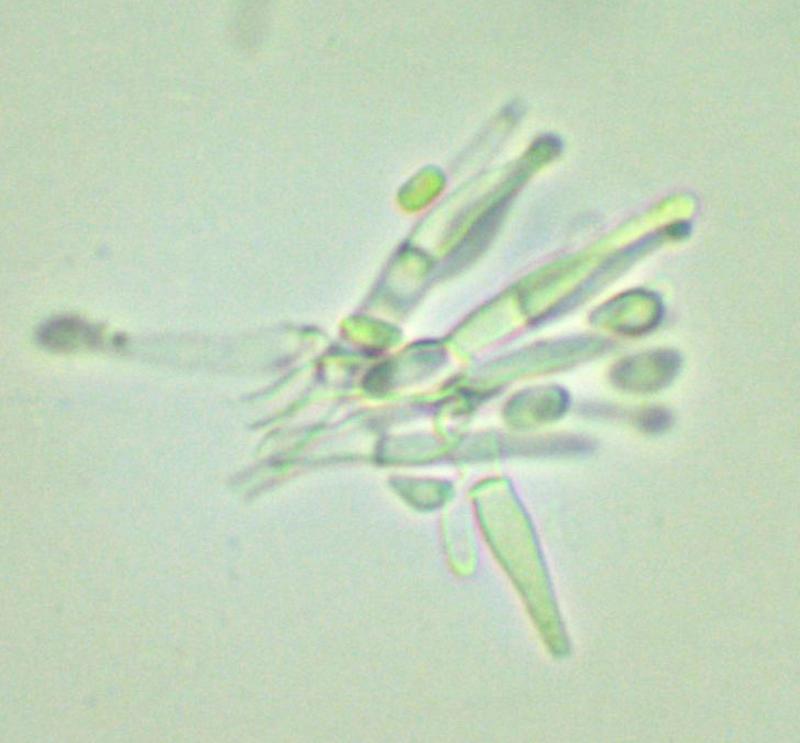
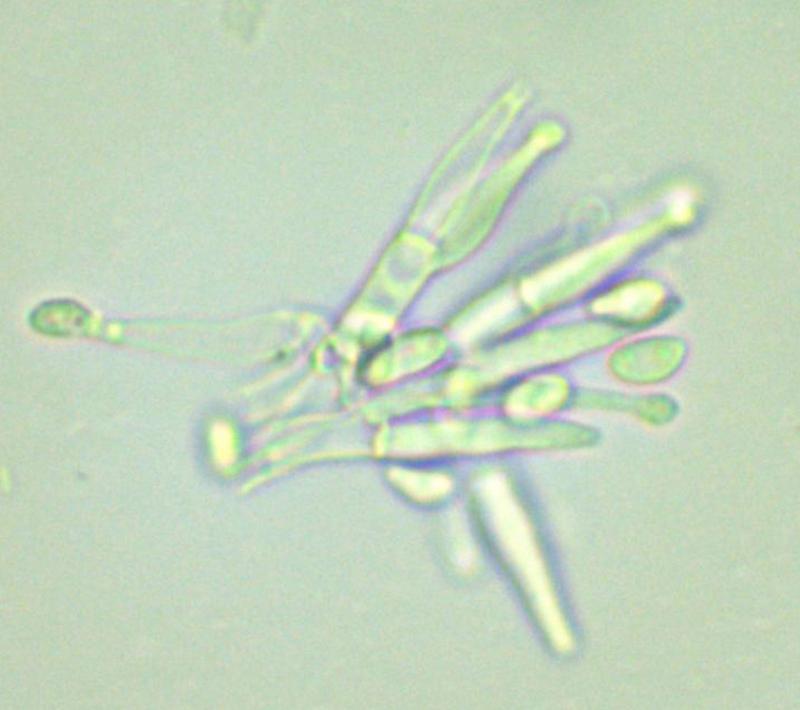
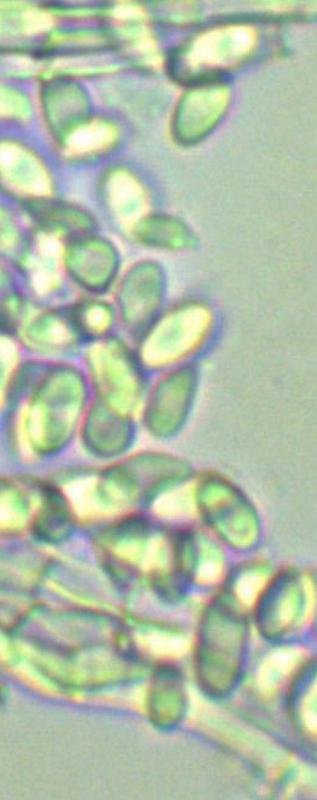
This was found on an old beech log, with Nectria coccinea. The pale off-white pulvinate (up to imm diameter) sporodochia? looked yellowish under LED and more pinkish under halogen light. Conidia were abundant and looked agglutinated, hyaline, up to 6 x 3 um. The only structures I could see were Penicillium-like phialides. Ellis and Ellis pointed to Geocladium luteolum as a possible ID. Does this make sense?
Steve
Paul Cannon,
19-08-2014 16:30
Re : Possible Geocladium luteolum
I think this is the anamorph of Nectria (now Neonectria) coccinea. It has a Cylindrocarpon anamorph which produces microconidia like your collection, as well as long curved Fusarium-like macroconidia.
Best wishes
Paul
Best wishes
Paul
Steve Clements,
19-08-2014 20:39
Re : Possible Geocladium luteolum
Thanks very much Paul, that makes sense, with its intimate relations with the N coccinea. It's another one for the list, all be it a conidial form!
Steve
Steve