08-06-2026 10:16
 Spooren Marco
I don`t have a clou about this fungus,it is not in
07-06-2026 15:10
 William Slosse
Hello everyone,On 05-06-26, I found following asco
08-06-2026 17:00
François BartholomeeusenGood day everyone, On June 5 2026, I collected de
05-06-2026 11:02
Thomas Læssøehttps://svampe.databasen.org/observations/10596691
07-06-2026 12:09
 François Freléchoux
Bonjour, Voici une brève description de ce qui m
07-06-2026 12:43
Steve ClementsBojour. This was a strange find on a stick on my
12-07-2015 00:05
 Nedim Jukic
This one from the same locality as the previous on
06-06-2026 17:44
Steve ClementsBonjour, This disco was on planed wood 3 x 1.5 cm
14-08-2016 23:15
 Alex Akulov
Dear friendsCan you help me to find the descriptio

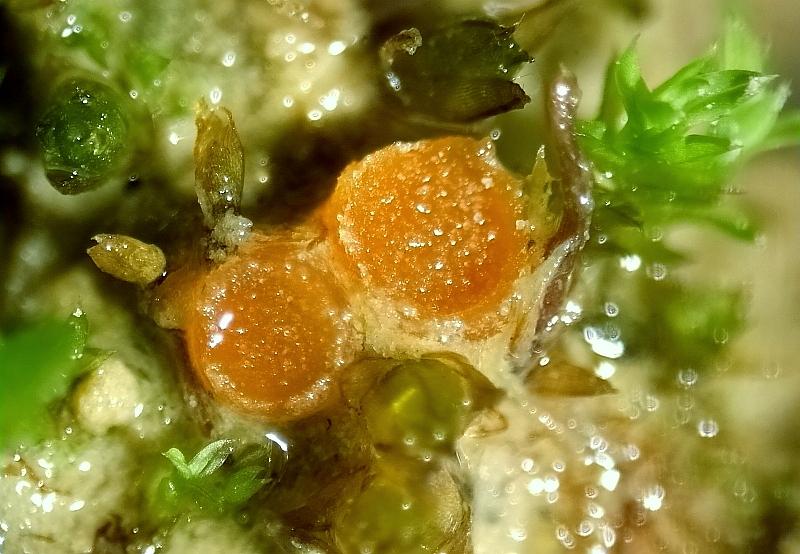
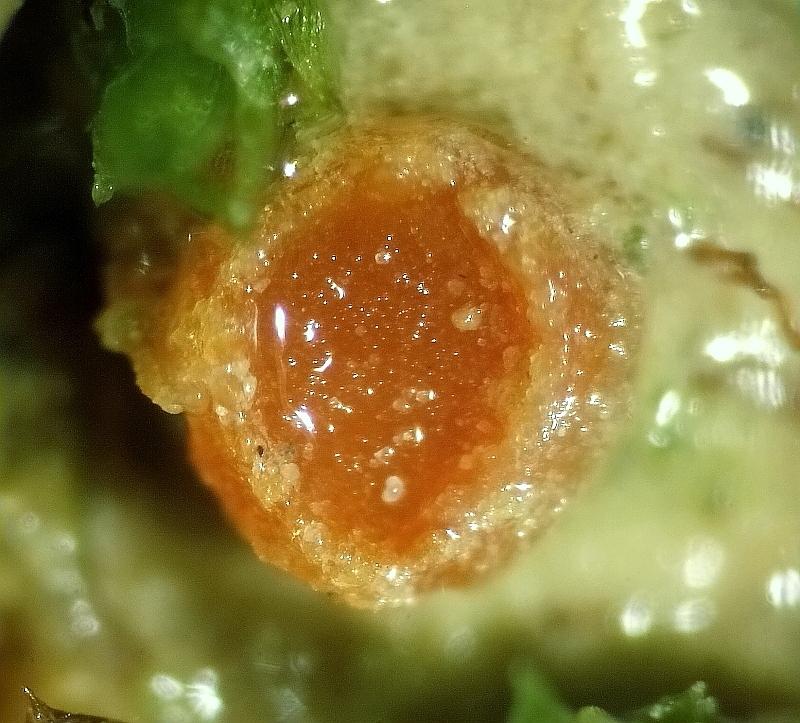
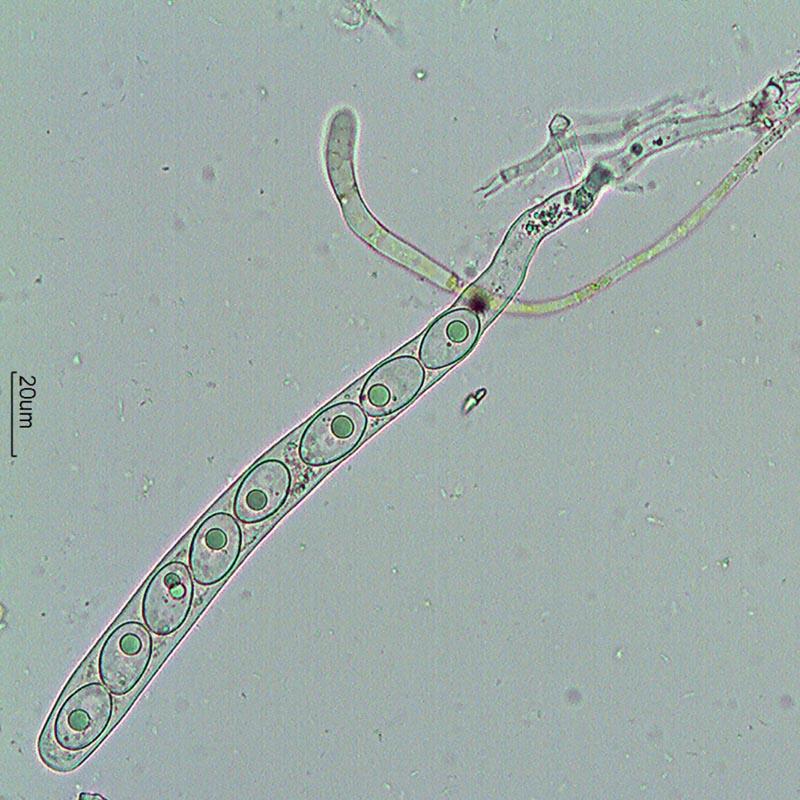
Hola a todos.
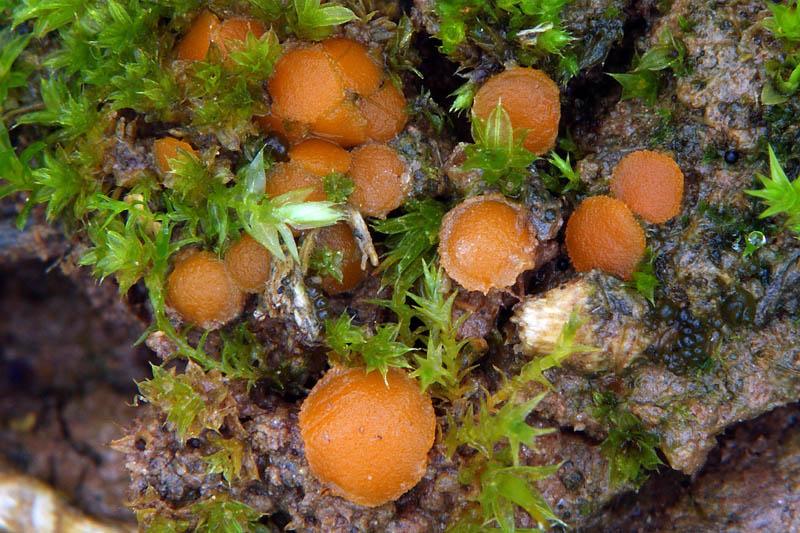
Subo fotos de una Octospora encontrada ayer, entre musgos, en una finca de cultivo de olivos.
Miden hasta 3 mm de diámetro.
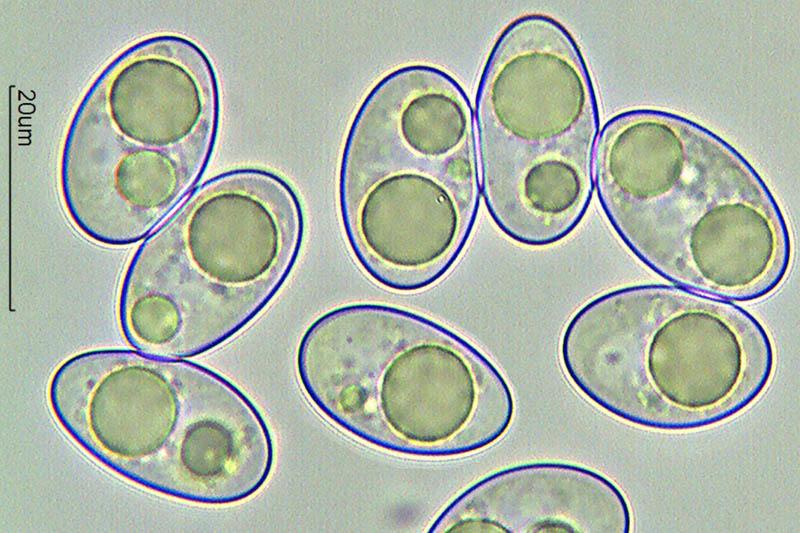
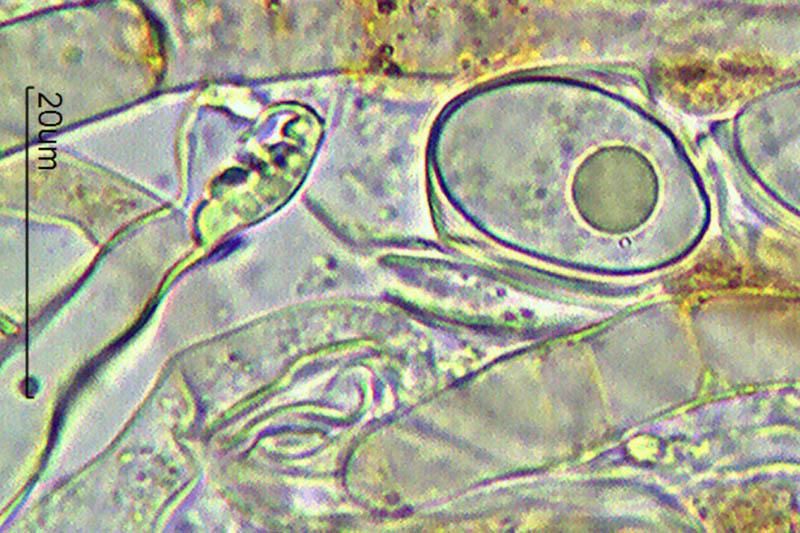
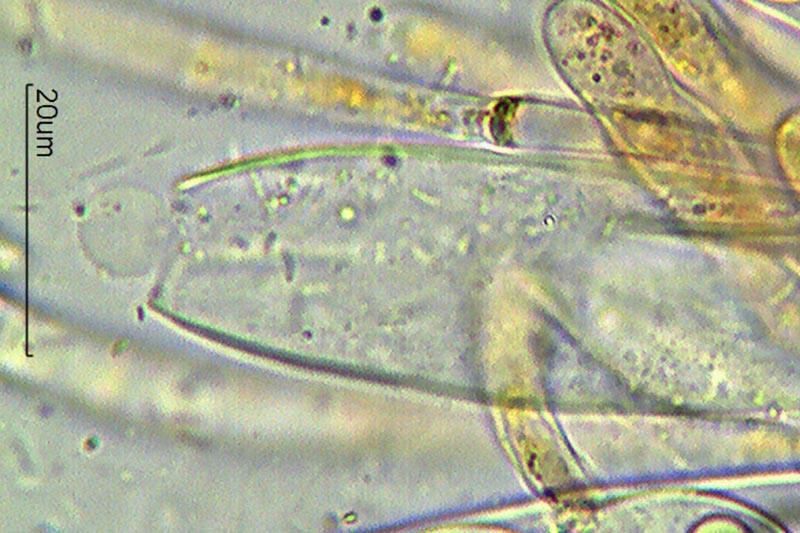
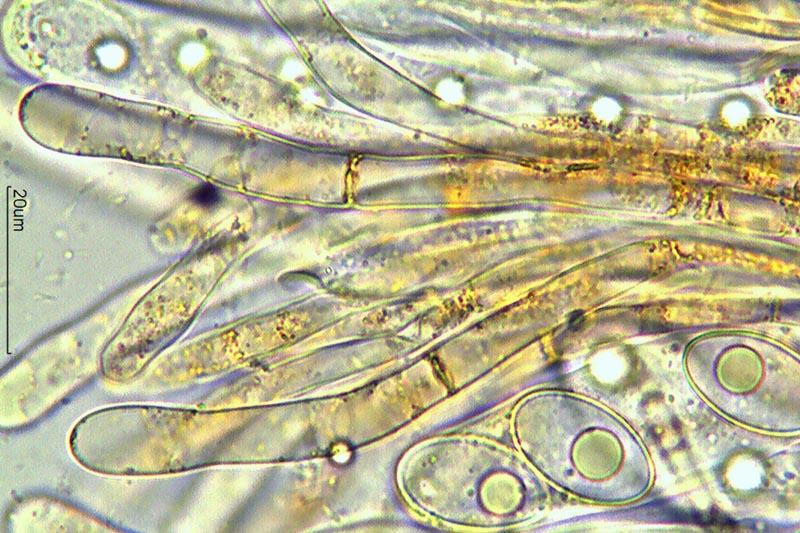
Esporas de 17,5-22 x 11,5-13,5 micras.
¿Qué os parece?
Gracias por su ayuda.
Rubén
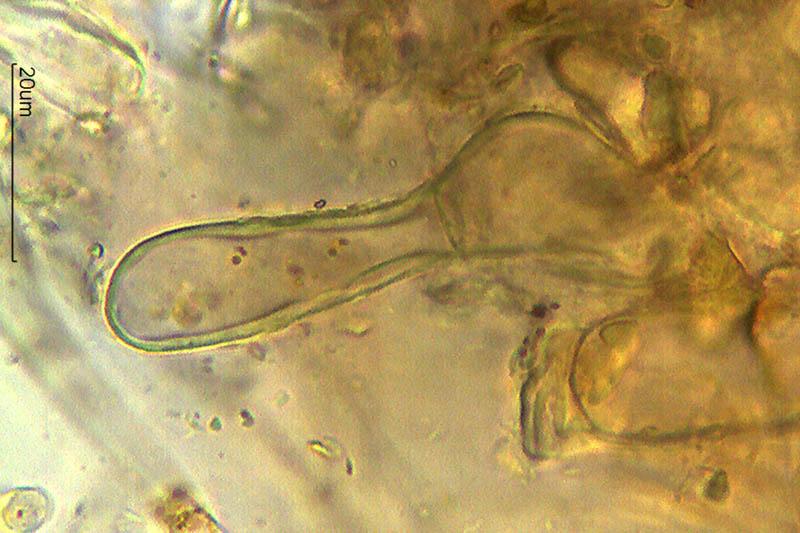
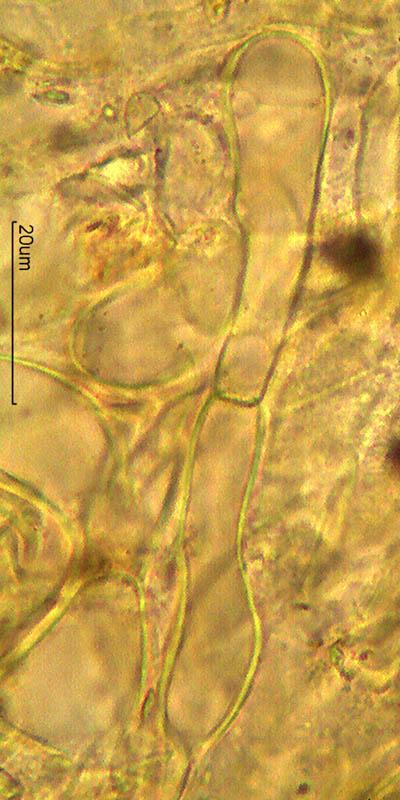
Hola a todos.
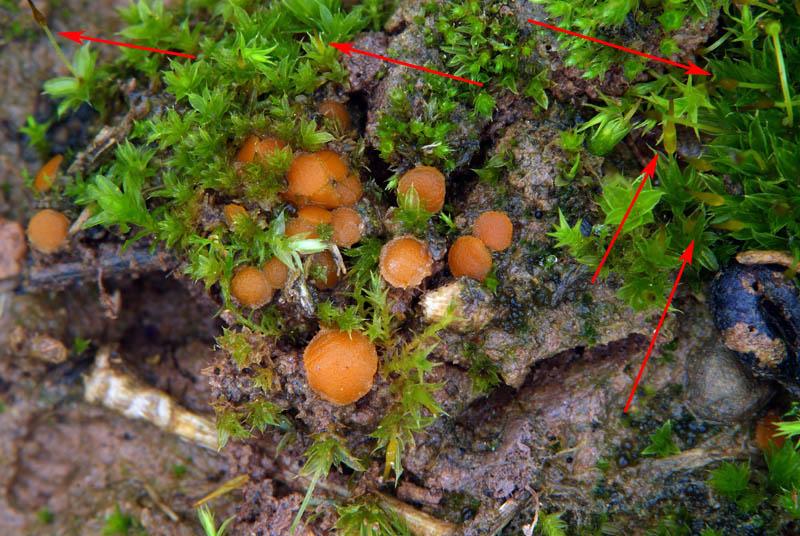
Subo una foto más lejana para que se vean un poco mejor los musgos donde estaban.
¿Podrían ser los musgos Grimmia pulvinata?
Estaba pensando en que la Octospora fuera O. grimmiae.
Gracias por su ayuda.
Rubén
no es O. grimmiae y no es Grimmia pulvinata.
Puede ser O. gyalectoides pero no soy seguro, tu otra Octospora es O. gemmicola.
Saludos,
Marcel
in my opinion, you found Octospora gyalectoides (=crosslandii). The spores are typical for that species. The apothecia margin is variable in O. gyalectoides and Benkert (2007) pointed out, that O. gyalectoides probably represents a complex of several species without sufficient morphological differentiation for recognition.
Your arrows show a Pottia, but Didymodon and Pseudocrossidium are also present on your photo. However Pottia is the most common host for O. gyalectoides.
with best wishes
Jan
Muchas gracias por su ayuda, Marcel y Jan.
Un saludo
Rubén

here once more two pictures of O. gyalectoides.
Greetings
Peter.