
02-05-2026 12:42
Alain BRISSARDBonjour à tousJeuidi 30 avril dernier on m'a remi
02-05-2026 13:06
Pauline. PennaBonjour Please can someone help me with this id
01-05-2026 22:45
 Thierry Blondelle
Bonjour à tous, Une récolte sur bouse séchée d
28-04-2026 20:07
 Lothar Krieglsteiner
... on twig in the air at standing Ceratonia siliq
14-04-2026 05:32
Ethan CrensonHi all, A few weeks back a friend pointed out som
28-04-2026 20:33
Vitus SchäfftleinHello, I found Trochila ilicina on Ilex aquifoliu

30-04-2026 10:28
Rot BojanHello, by appearance I would say that I am dealing
27-04-2026 18:48
Tony MoverleyCollected 23rd April 2026, Norfolk, EnglandSwarms
27-04-2026 20:52
Lothar Krieglsteiner
Found on hanging tiwg of Olea europaea in dried-ou
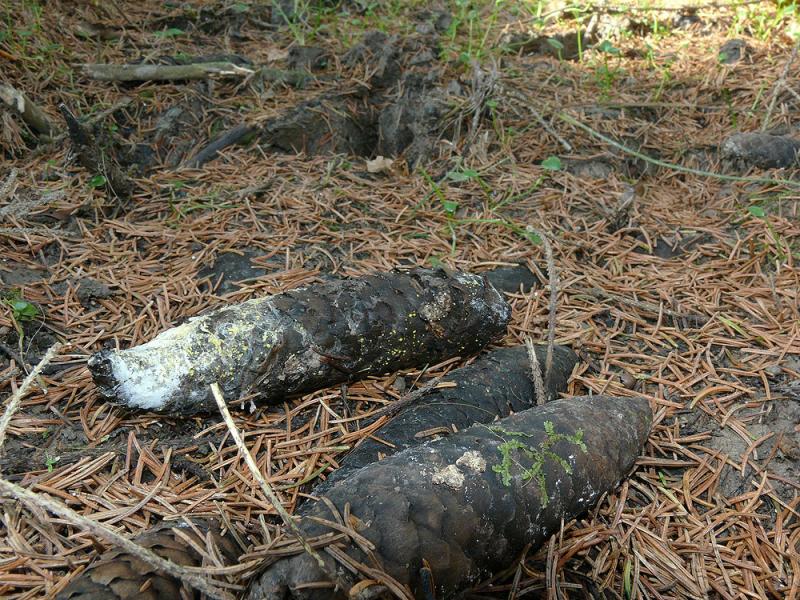
Asco sur cône pourri d'épicéa
Bernard CLESSE,
16-11-2015 12:29
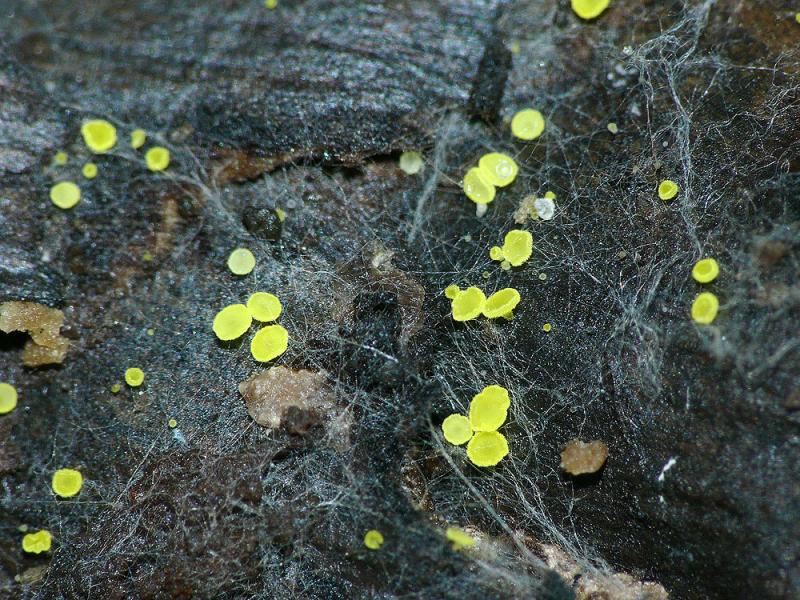
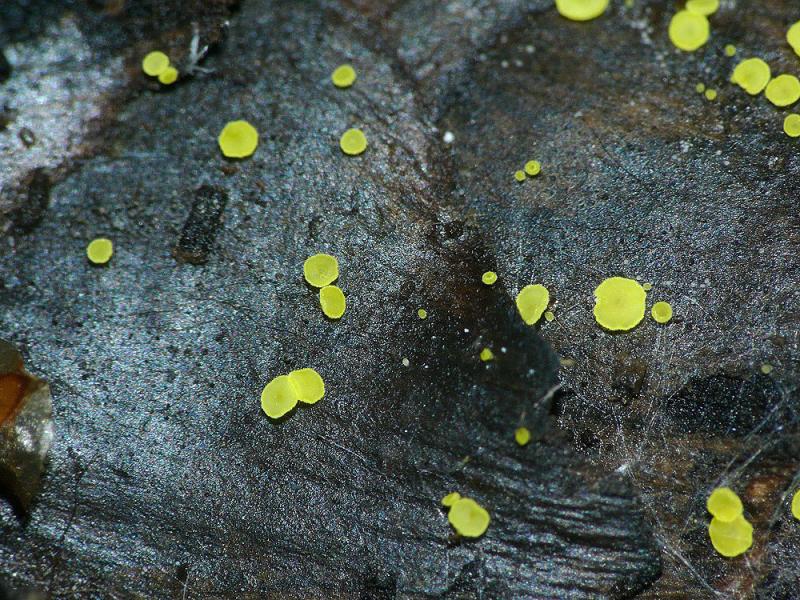
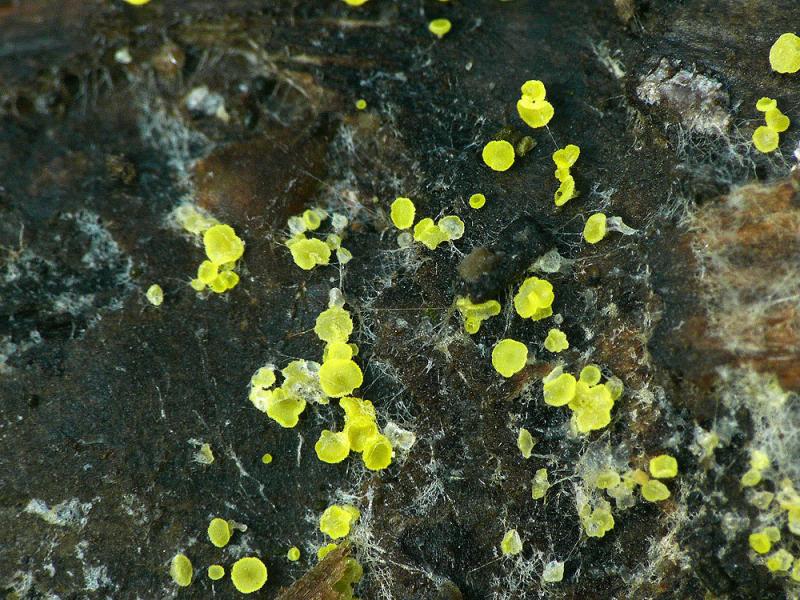
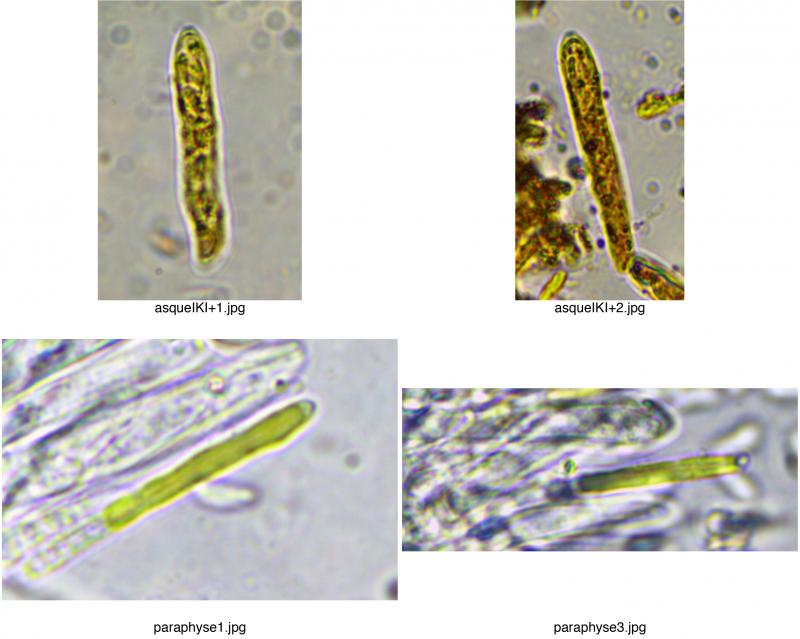
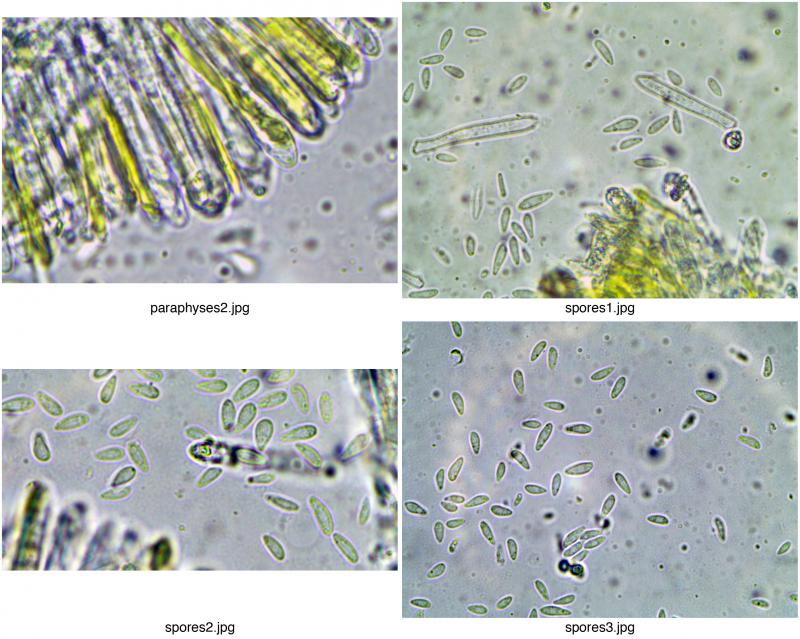
 Sur le même cône pourri d'épicéa, un asco jaune citron :
a) asques IKI+
b) paraphyses cylindriques à contenu jaune
c) spores étroitement ovales-fusiformes : 6-8x3
Une idée ?
Bernard
Hans-Otto Baral,
16-11-2015 12:42

Re : Asco sur cône pourri d'épicéa
Hi Bernard
This is Hamatocanthoscypha uncipila, but it is a bit difficult. There is a white and a yellow form, which might be different species. See my folder "uncipila yellow".
The hairs should be distinctly hooked at the flanks, could you please check this detail?
A similar species, H. sulphureocitrina, has inamyloid asci and is on angiosperm substrate.
Zotto
This is Hamatocanthoscypha uncipila, but it is a bit difficult. There is a white and a yellow form, which might be different species. See my folder "uncipila yellow".
The hairs should be distinctly hooked at the flanks, could you please check this detail?
A similar species, H. sulphureocitrina, has inamyloid asci and is on angiosperm substrate.
Zotto
Bernard CLESSE,
16-11-2015 16:51
Re : Asco sur cône pourri d'épicéa
Hi Zotto,
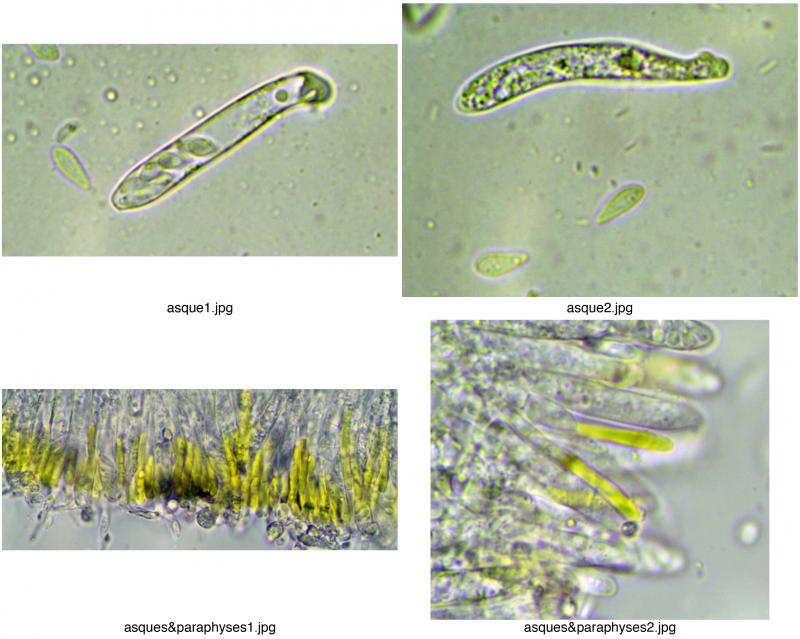
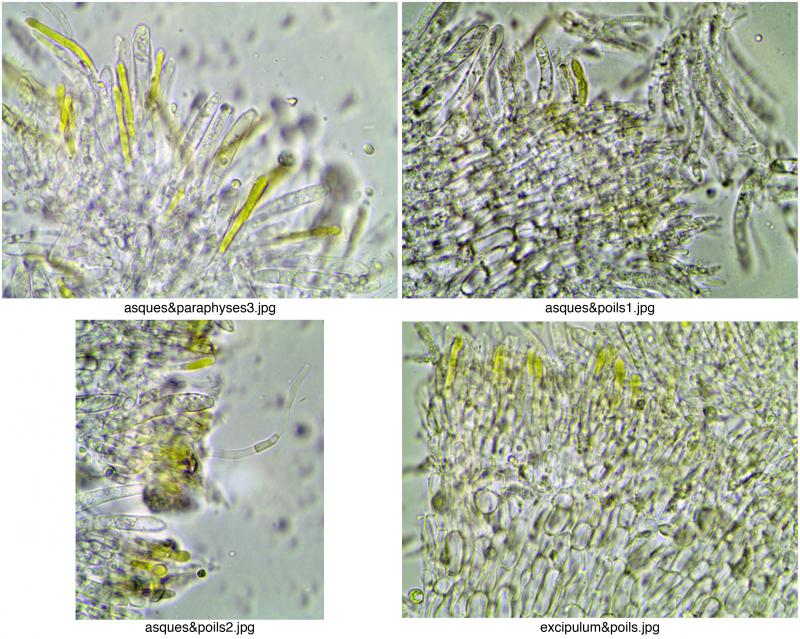
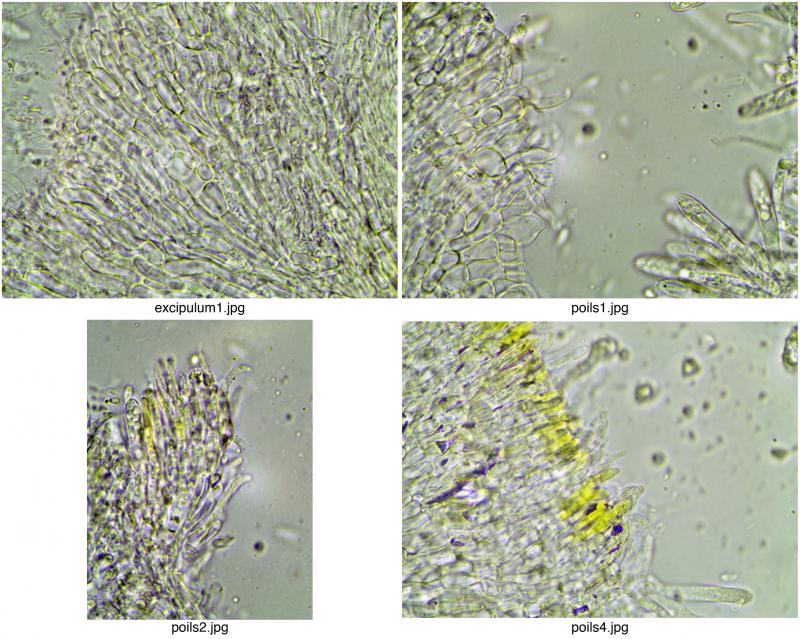
Thanks a lot for your message. Here are new photographs of asci, hairs and paraphyses.
Could you confirm Hamatocanthoscypha uncipila ?
Bernard
Thanks a lot for your message. Here are new photographs of asci, hairs and paraphyses.
Could you confirm Hamatocanthoscypha uncipila ?
Bernard
Hans-Otto Baral,
16-11-2015 16:57
Re : Asco sur cône pourri d'épicéa
your last photo shows curved hairs (poils 1 and 2). Yes of course, uncipila.
I wrote nonsense, the white form is Hamatocanthoscypha conincola which hardly differs except for its colour.
I wrote nonsense, the white form is Hamatocanthoscypha conincola which hardly differs except for its colour.
Bernard CLESSE,
16-11-2015 17:03
Re : Asco sur cône pourri d'épicéa
OK Zotto, great thanks.
Bernard
Bernard