29-04-2026 10:44
 Lothar Krieglsteiner
growing at moist, drying-out soil at the side of a
27-04-2026 17:16
Lothar Krieglsteiner
.. Algarve, moist lying.The conidiomata look like
10-05-2026 16:18
brigitte vignotbonjour trouvée en Ariège sur bois une petite
10-05-2026 09:02
Buckwheat PeteHello everybody, ould this be Lachnum subvirgineu
08-05-2026 11:55
Gernot FriebesHi,found on a decorticated Picea abies branch stil
11-05-2016 20:37
 Zuzana Sochorová (Egertová)
Hi,this very little ascomycete grew on soil in a m
09-05-2026 07:37
Zuzana Sochorová (Egertová)
Hello,please, could anyone share this paper?Ferná

05-05-2026 22:40
Gernot FriebesHi,I believe this is a Plagiostoma growing on a Sa
06-05-2026 11:25
 Castillo Joseba
Me mandan el material seco de Galicia (España) re
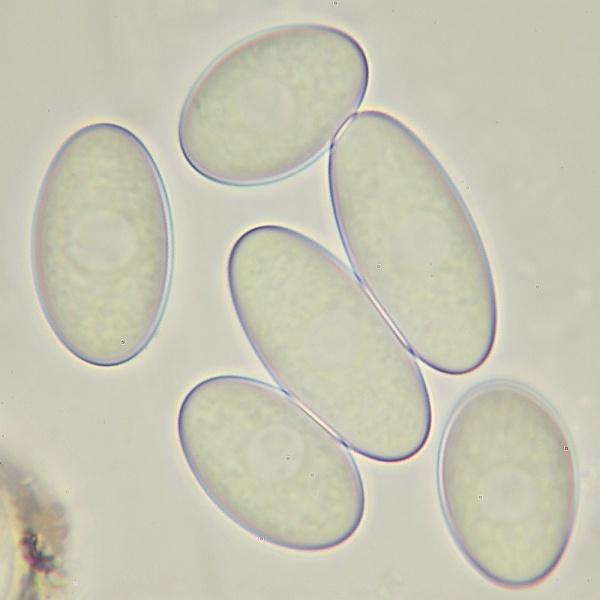
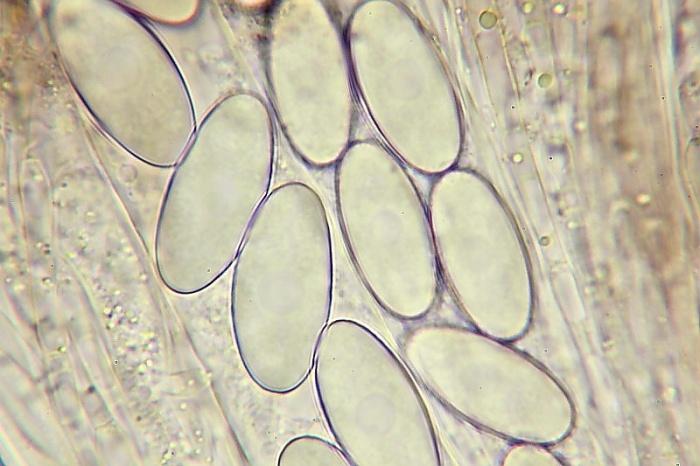
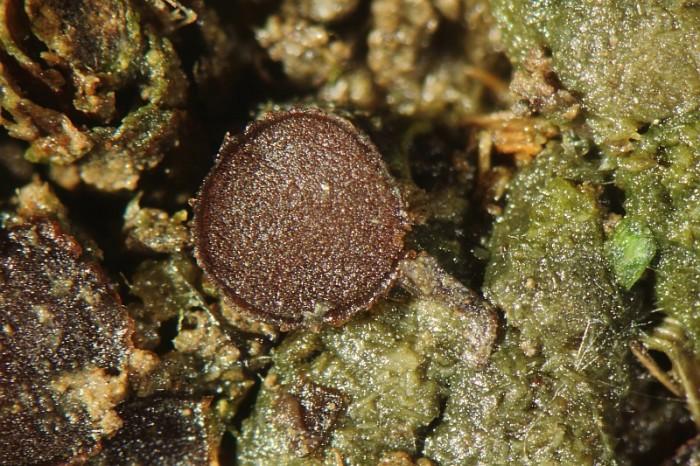
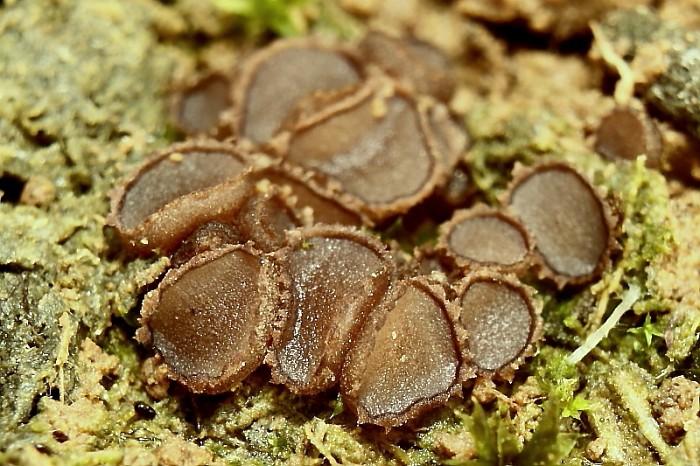
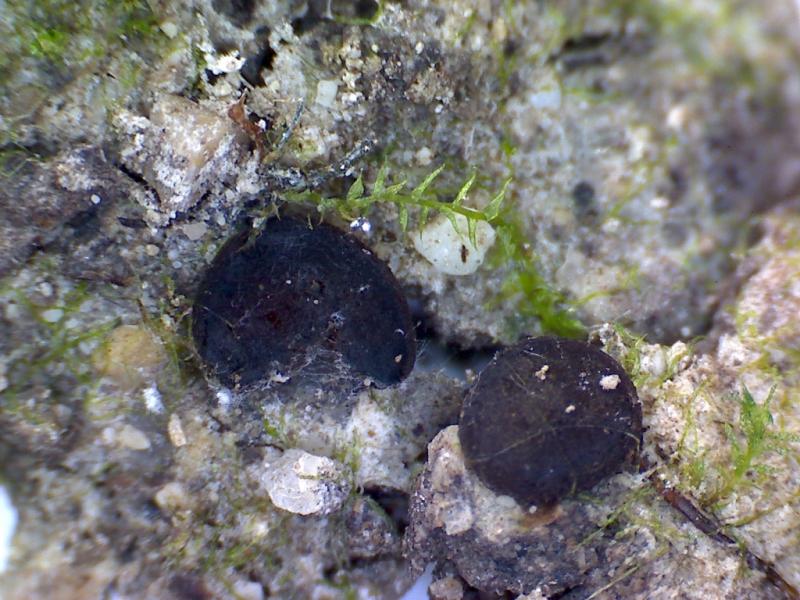
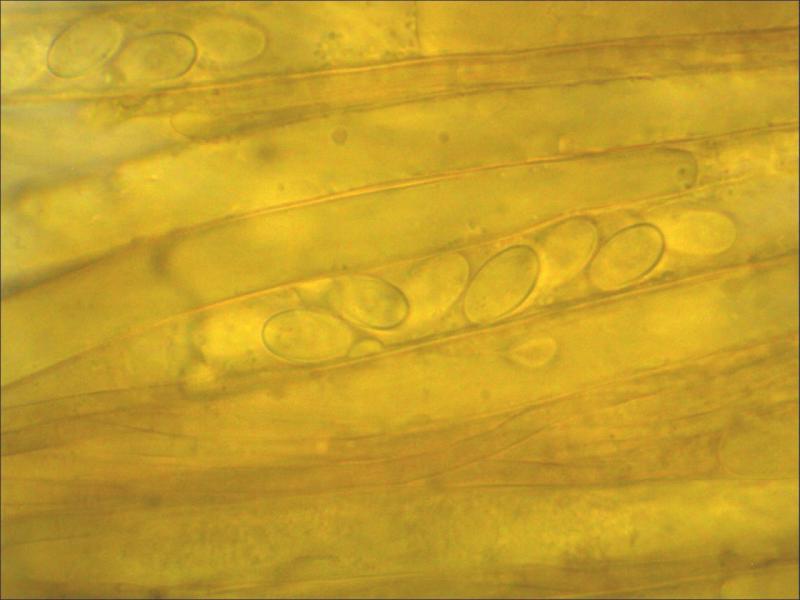
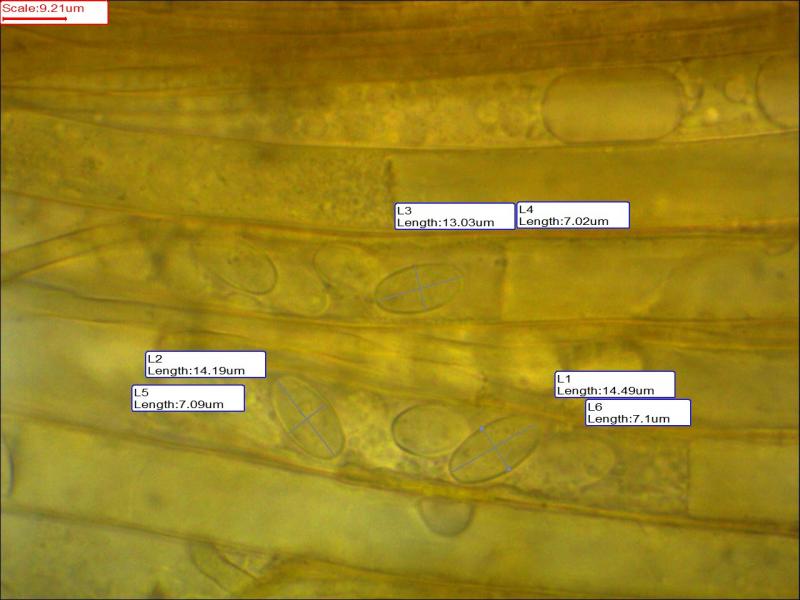
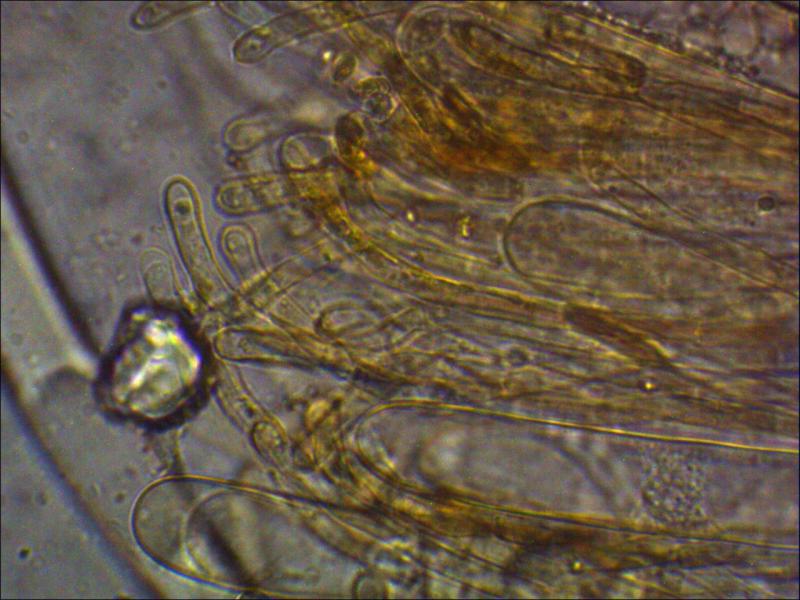
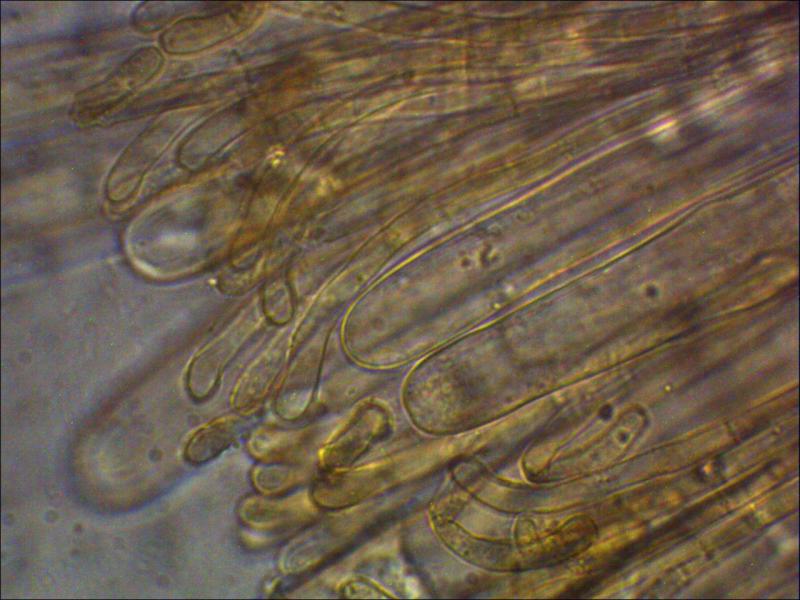
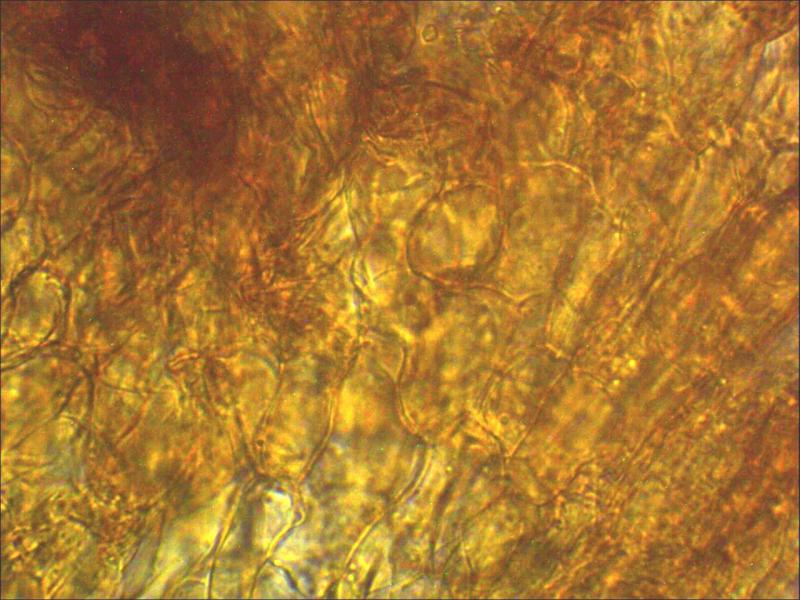
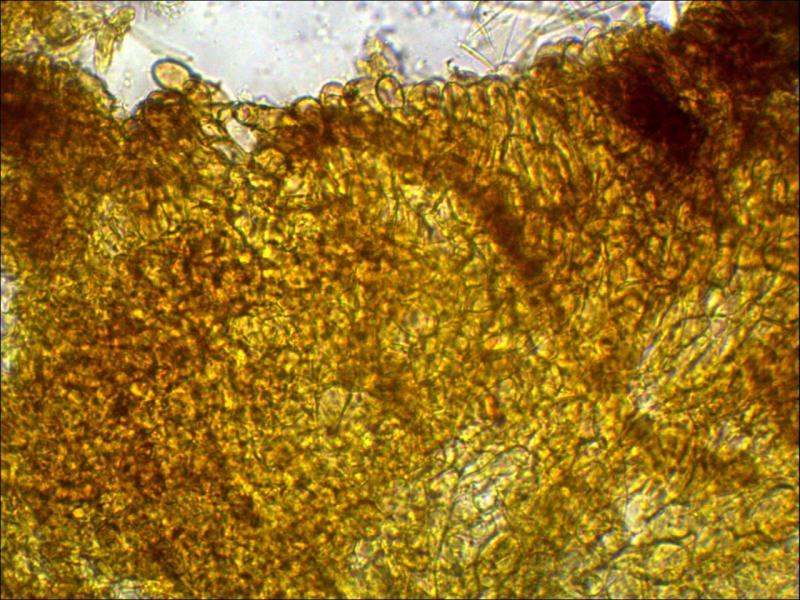
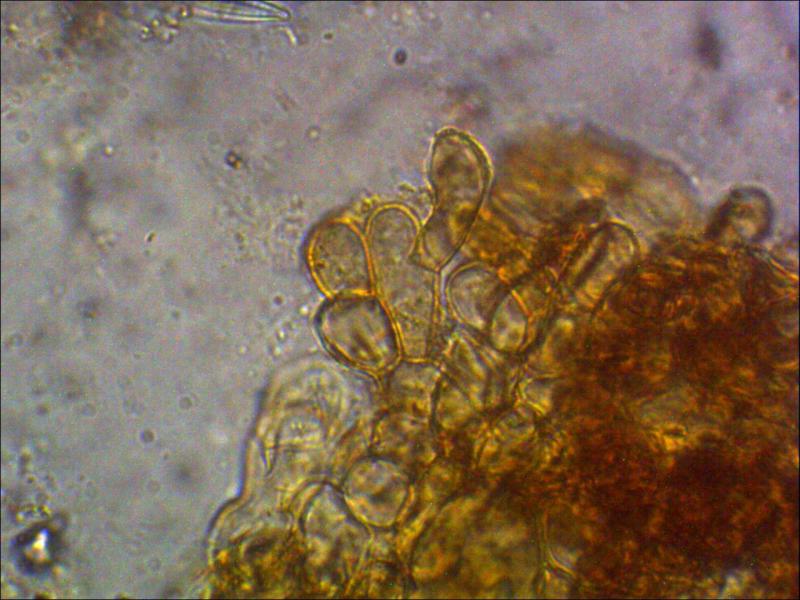
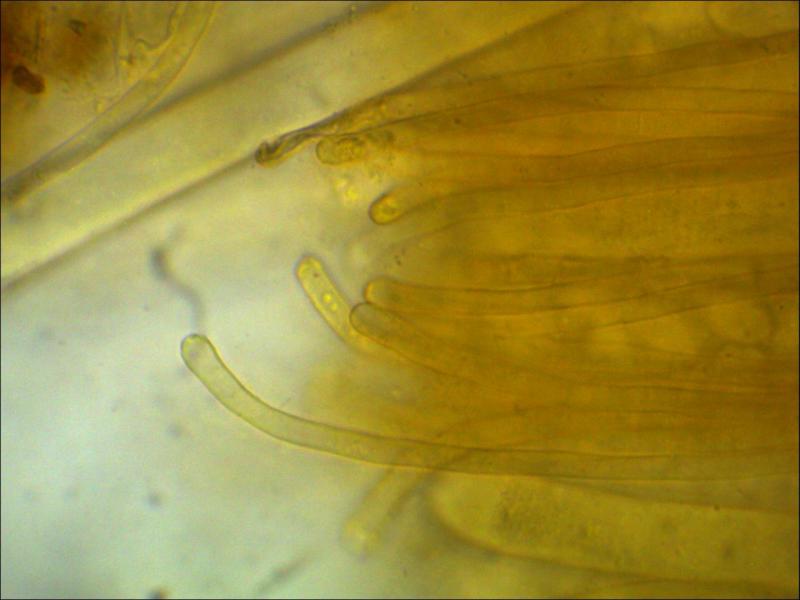
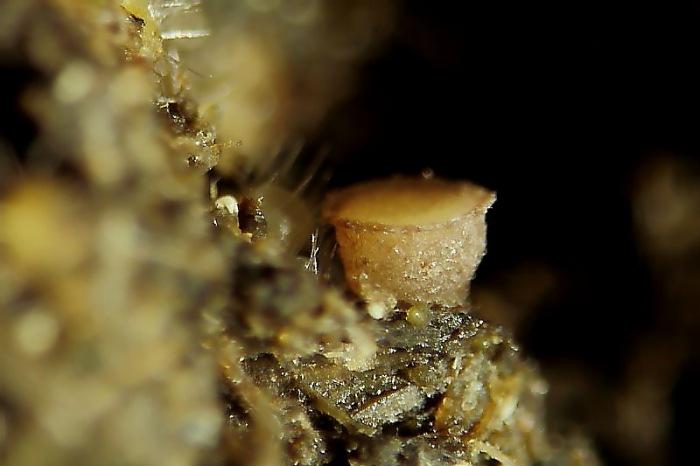
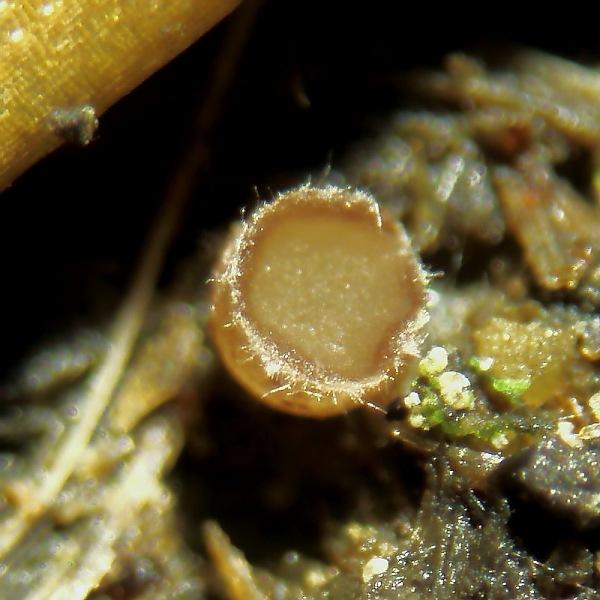
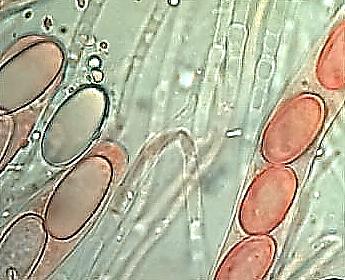
found in 30.7.2015, Germany, Baden-Wuerttemberg, Schwäbisch-Fränkischer Wald near Schotthof. Grew on naked soil in the vicinity of a small rivulet, together with Trichophaea hybrida (gregaria). Apothecia are small (maybe 2-4 mm or so, I forgot to take a measure). First I thought of a Boudiera, but the spores are smooth and elongate. IKI-reaction is negative.
Can somebody help?
Regards from Lothar
Gilbert

Are you sure the specimens are mature? Your measures made on ascospores in asci might be not significant...
The color remains me P. hepatica, but of course the spores should be greater!

rather not. There would become me how already mentioned, the color, the form, the paraphysis....... interfere.
Greetings Peter.
I mean the answer from Gilbert.
Hi Nicolas,
thank you very much for your suggestion. I think it is a good one. What bewildered me a little is the growth on naked soil, without any noticeable dung in the vicinity. P. hepatica indeed looks very similar macroscopically - I found it a few times, always on and besides mouse dung in acid habitats. Yes, the collection seemed to be not fully ripe - so I had no fotos of spores outside the asci.
Best regards from Lothar
Hello Gilbert and Peter,
thank you very much for your contributions, too!
Best regards from Lothar
Même si ici, elles ne sont pas totalement à maturité, il m'étonnerait beaucoup qu'elles atteignent cette taile...
Gilbert
Hi Gilbert,
your objections are good.
So - what remains could be perhaps P. cervaria.
P. theioleuca has a different macroscopical appearance (light-coloured disc, strongly pronounced margo).
Best regards from Lothar
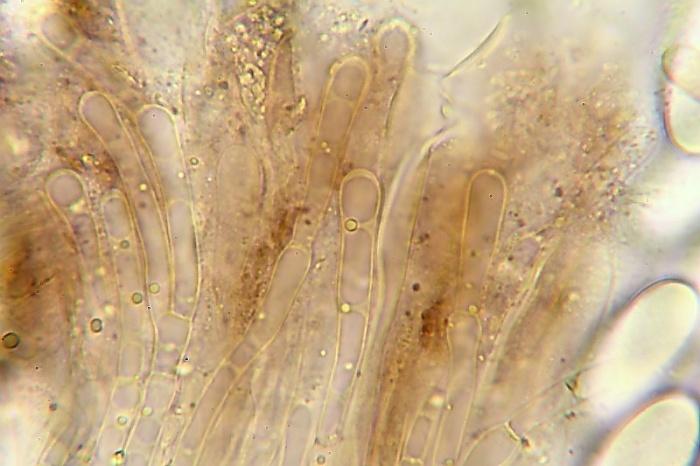
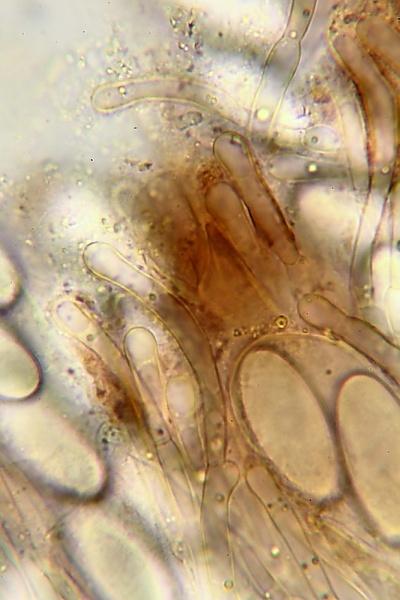
so surely I also did not believe in P. hepatica. I have done the examination just now still in fresh material, the spores are 20-28 x 11-12 µ m, still in the ascus. Striking are also the septate paraphysis and the brownish pigment in between.
Greetings Peter.