
10-05-2026 16:18
brigitte vignotbonjour trouvée en Ariège sur bois une petite
29-04-2026 10:44
 Lothar Krieglsteiner
growing at moist, drying-out soil at the side of a
27-04-2026 17:16
Lothar Krieglsteiner
.. Algarve, moist lying.The conidiomata look like
10-05-2026 09:02
Buckwheat PeteHello everybody, ould this be Lachnum subvirgineu
08-05-2026 11:55
Gernot FriebesHi,found on a decorticated Picea abies branch stil
11-05-2016 20:37
 Zuzana Sochorová (Egertová)
Hi,this very little ascomycete grew on soil in a m
09-05-2026 07:37
Zuzana Sochorová (Egertová)
Hello,please, could anyone share this paper?Ferná

05-05-2026 22:40
Gernot FriebesHi,I believe this is a Plagiostoma growing on a Sa
06-05-2026 11:25
 Castillo Joseba
Me mandan el material seco de Galicia (España) re
? Lophiotrema with crimson interior in KOH
Alex Akulov,
20-12-2015 13:27
 Dear friends
Can you help me to identificate one Ascomycete fungus with very distinct macromorphology? I think it may be Lophiotrema sp., but have no idea what same. May be you already familiar with it.
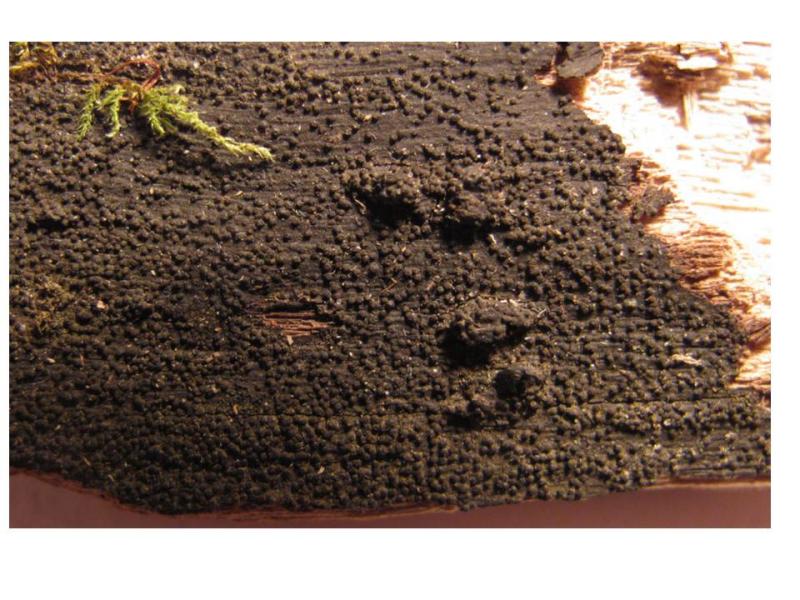
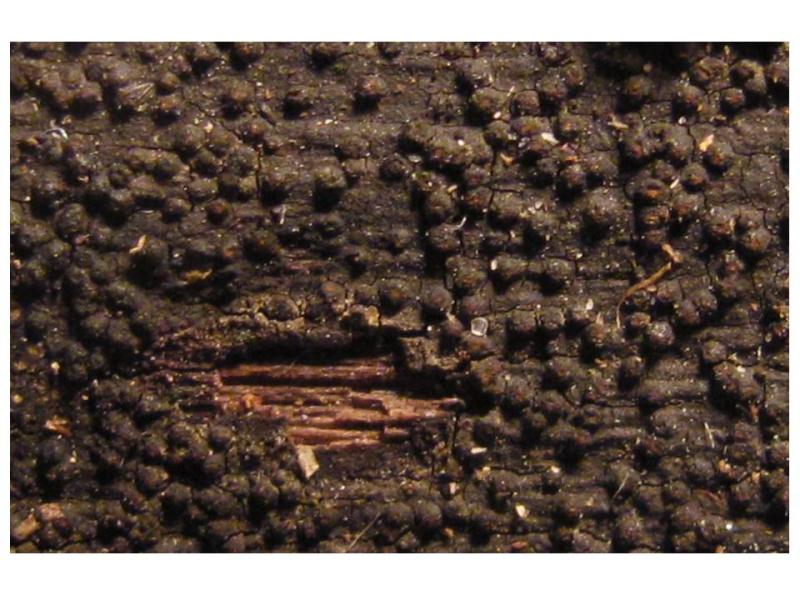
Fructification formed on the rotten decorticated wood of foliage tree (cf. Quercus) in the maple-linden-oak forest).
Pseudothecia 315-430 µm in diam., black, solid, thick-walled, with bases immersed in the thin black stroma, which cover all substratum surface.
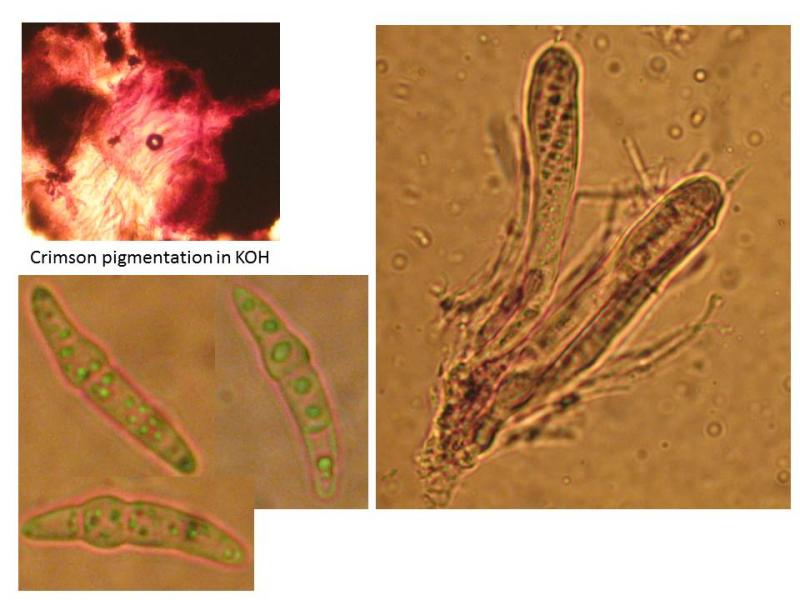
In the mature ascomata the upper part of pseudothecia splits and exposes the brown interior. In KOH ascomata interior distinctly stay crimson.
Asci bitinicate, av. 95 × 14,5 µm, wider at the top and gradually tapering to the stipe. Pseudoparaphyses abundant, branched, filiform. Ascospores mostly two-seriate, fusiform, slightly curved, with (3-) 5-7 transverse septae, with distinctly inflated submedian cell, (22-) 23,6-26,6 × 4,4-5,7 µm (in the broadest part). Ascospores at most hyaline, but some brownish were observed too.
Photos turned out not very successful, but allow you to see the main features.
Grateful before for help,
Alex
Guy Marson,
21-12-2015 01:02
Re : ? Lophiotrema with crimson interior in KOH
Hi Alex,
You may take a look in the Roussoellaceae if your species has crimson colored ostioles and spores with a +/- big gel sheet.
Cheers,
Guy
You may take a look in the Roussoellaceae if your species has crimson colored ostioles and spores with a +/- big gel sheet.
Cheers,
Guy