
06-05-2026 17:23
Thomas Læssøehttps://svampe.databasen.org/observations/10594257
06-05-2026 11:25
 Castillo Joseba
Me mandan el material seco de Galicia (España) re
28-04-2026 20:07
 Lothar Krieglsteiner
... on twig in the air at standing Ceratonia siliq
05-05-2026 22:40
Gernot FriebesHi,I believe this is a Plagiostoma growing on a Sa
04-05-2026 18:13
 Stephen Martin Mifsud
ID request for what seems to be a true aquatic fun
04-05-2026 16:39
Stephen Martin Mifsud
ID request: This specimen was collected in Malta o
28-07-2011 18:31
 Alex Akulov
Dear FriendsToday I made the pdf file of Velenovsk
04-05-2026 09:50
Castillo Joseba
Me mandan el material seco de Galicia,(España) re
02-05-2026 12:42
Alain BRISSARDBonjour à tousJeuidi 30 avril dernier on m'a remi
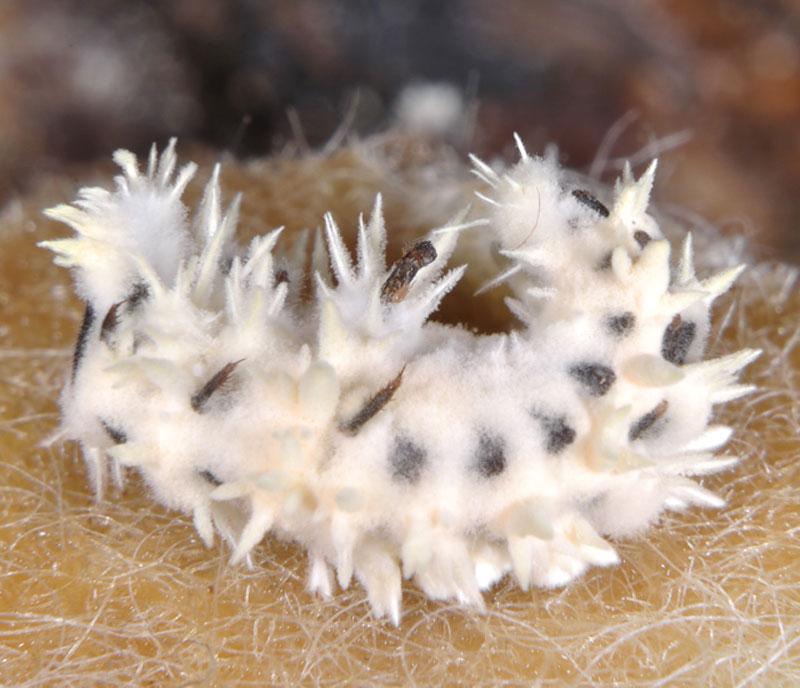
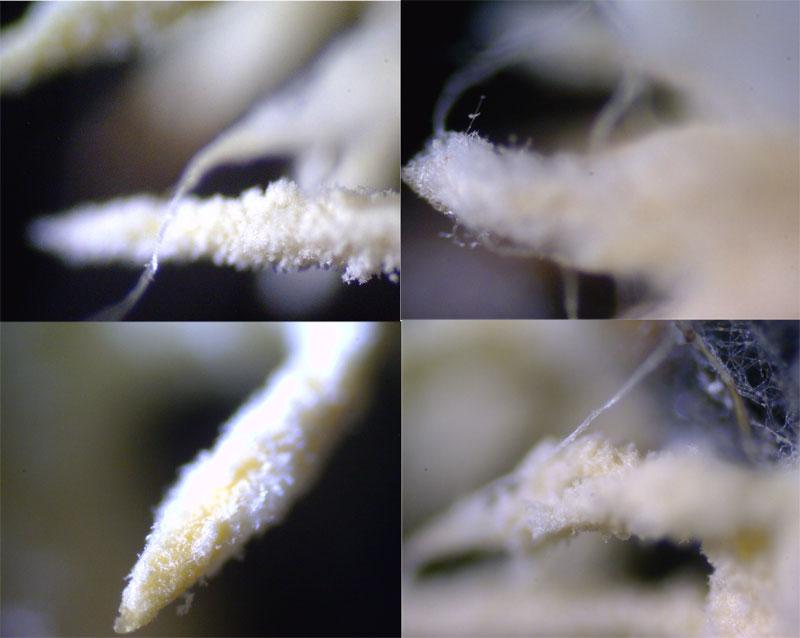
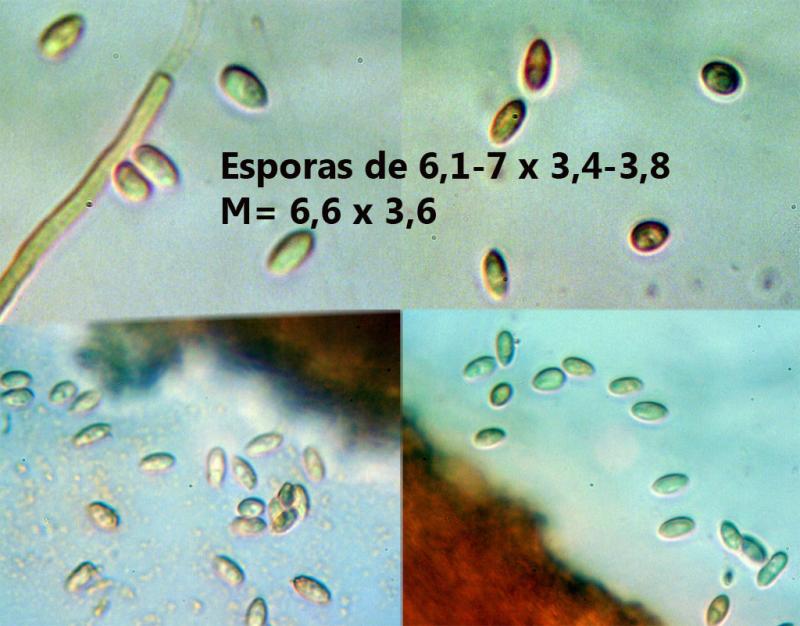
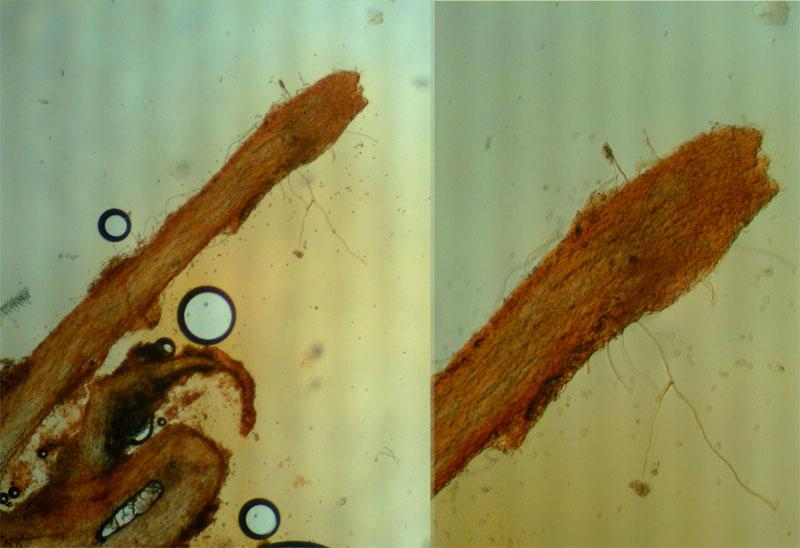
En luciernaga (Lampyridae)
Castillo Joseba,
21-06-2016 09:14
En luciernagaA ver si hay alguna sugerencia
Saludos
Joseba
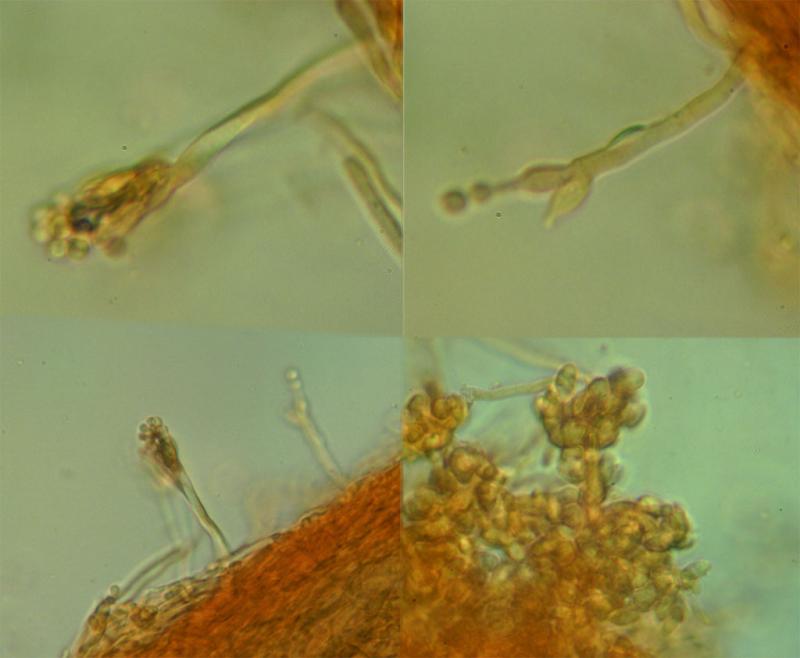
Walter Gams,
21-06-2016 09:23

Re : En luciernaga (Lampyridae)
Apreciado Joseba,
Your last picture suggests that you have Isaria farinosa, which tends to make synnemata. Are the brown spines that you illustrate part of the fungus? Then they may be a beginnng ascostroma of the Cordyceps teleomorph, which is quite rare. Regards Walter
Your last picture suggests that you have Isaria farinosa, which tends to make synnemata. Are the brown spines that you illustrate part of the fungus? Then they may be a beginnng ascostroma of the Cordyceps teleomorph, which is quite rare. Regards Walter
Castillo Joseba,
21-06-2016 09:42
Re : En luciernaga (Lampyridae)
Hola Walter... la ultima parte de tu contestación no la entiendo ...
"Then they may be a beginnng ascostroma of the Cordyceps teleomorph, which is quite rare."
Quiza me dices que hay un Cordyceps oculto bajo la Isaria farinosa?
Saludos
Joseba
"Then they may be a beginnng ascostroma of the Cordyceps teleomorph, which is quite rare."
Quiza me dices que hay un Cordyceps oculto bajo la Isaria farinosa?
Saludos
Joseba
Walter Gams,
21-06-2016 17:41
Re : En luciernaga (Lampyridae)
Isaria farinosa is known to have a teleomorph, Cordyces memorabilis.Ceaati 1861, but it has been recorded in the last century only by Pacioni & Frizzi in 1978. Thus a fungus with 2 different morphs. Best regards Walter