
27-04-2026 20:52
 Lothar Krieglsteiner
Found on hanging tiwg of Olea europaea in dried-ou
27-04-2026 18:48
Tony MoverleyCollected 23rd April 2026, Norfolk, EnglandSwarms
27-04-2026 17:41
Lothar Krieglsteiner
.. Algarve, same leaf than the last post. The con
27-04-2026 18:05
Lothar Krieglsteiner
... still attached at standing tree. The green con
27-04-2026 17:16
Lothar Krieglsteiner
.. Algarve, moist lying.The conidiomata look like
27-04-2026 12:54
Steve ClementsBonjour. Ce petit champignon blanc résupiné et
27-04-2026 09:59
Pauline. PennaBonjour Can anyone advise me on these pycnidia fo

22-04-2026 20:54
 Enrique Rubio
Hi to everybody.This Pyrenopeziza grew in moist le
Hi again
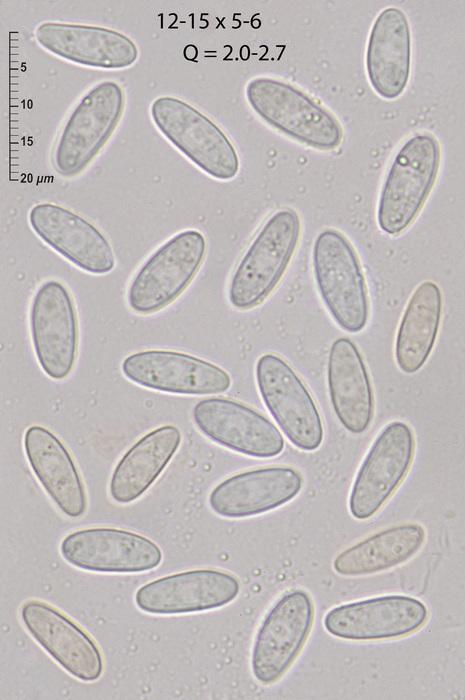
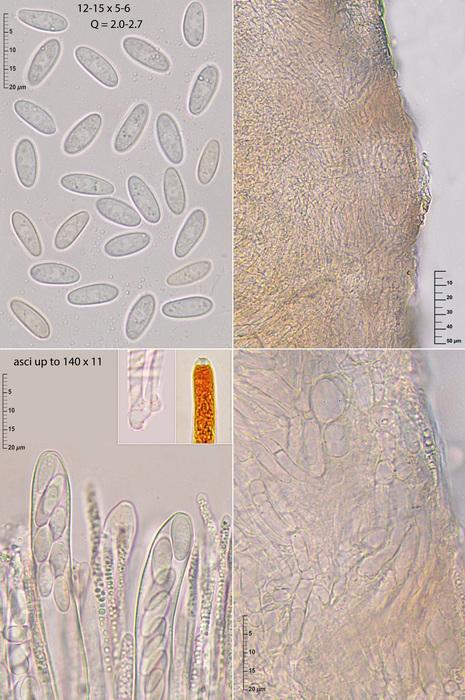
Could you help me with this yellow, long stipitate, Hymenoscyphus growing in a peat bog, on Rumex sp. old stems at 1700 m of altitude? Spores allipsoid with very low oily content. Asci up to 140 x 11, IKI b of the Hymenoscyphus-type, 8-spored, arising from croziers. Paraphyses with yellow, multiguttulate VBs. Excipulum with no globulosa or angularis tissue.
I don't find any species that fits well with this collection
Thanks again
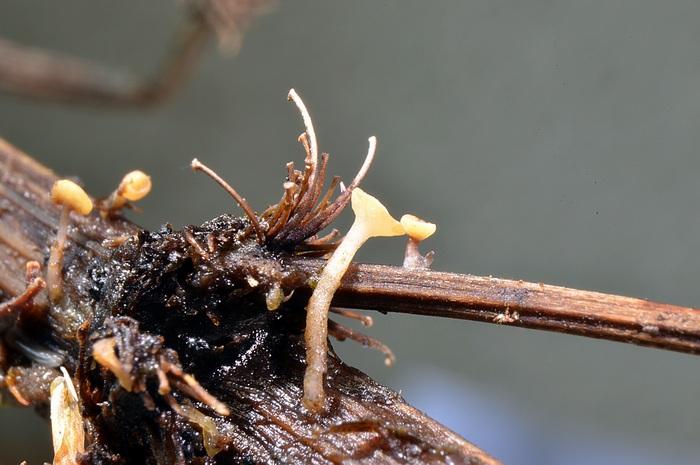

Did you look at the two left fruitbodies, are they senescent or do they contain conidia? (to be sure that it is no Symphyosirinia).