

10-06-2026 12:54
Steve ClementsBonjour encore, Pouvez-vous m'aider, s'il vous pl
09-06-2026 18:32
Camille MertensSur morceau de roseau immergé 0,5 - 0,7 mm de dia
10-06-2026 21:16
 François Freléchoux
Bonsoir,Le dernier du jour, en attendant votre avi
10-06-2026 21:07
François Freléchoux
Toutes les tiges de gentianes jaunes de l'an passÃ
10-06-2026 13:41
François Freléchoux
Bonjour à nouveau, Voici une trouvaille d'hier.
10-06-2026 11:53
Steve ClementsBonjour, This disco is abundant on dead stems of
10-06-2026 10:45
François Freléchoux
Bonjour à nouveau, Encore une détermination qui
08-06-2026 10:16
 Spooren Marco
I don`t have a clou about this fungus,it is not in
10-06-2026 09:24
François Freléchoux
Bonjour, J'imagine que cette détermination ne do
Iodophanus or Thecotheus 310116
Miguel Ángel Ribes,
07-08-2016 20:41
 Good night again
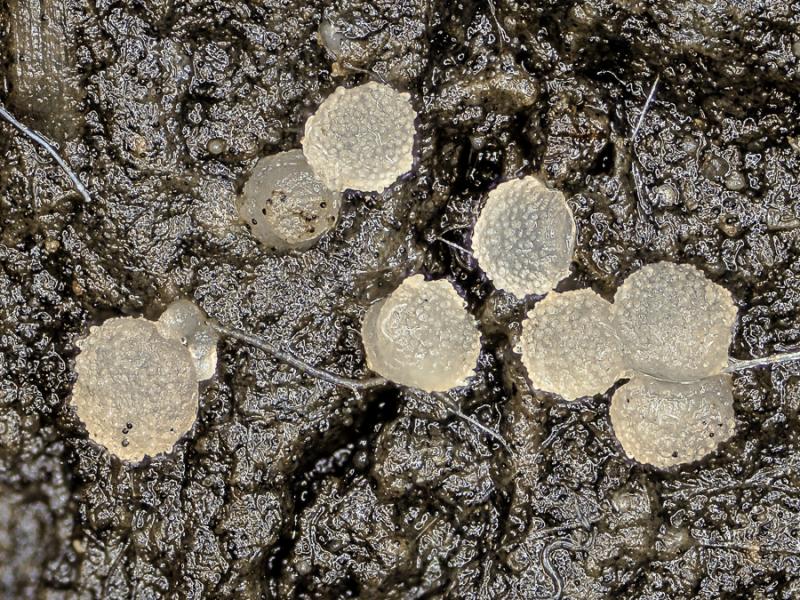
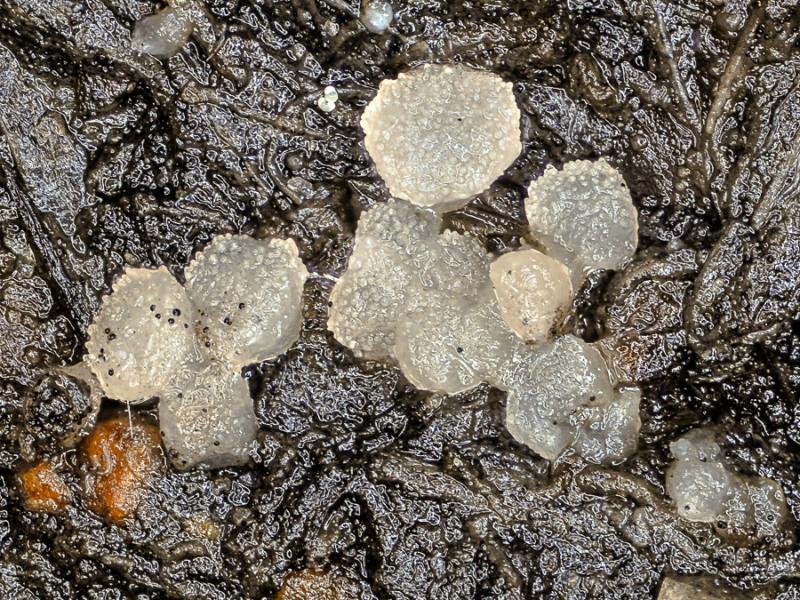
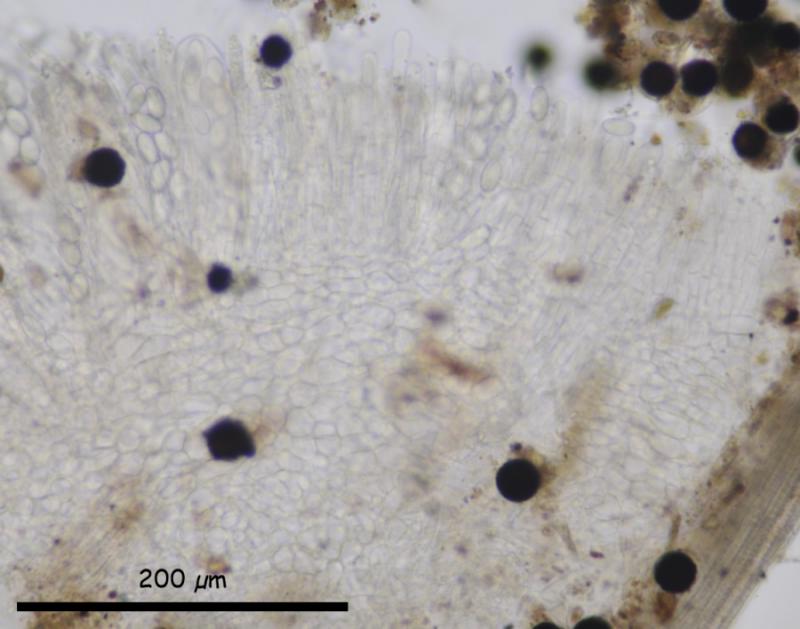
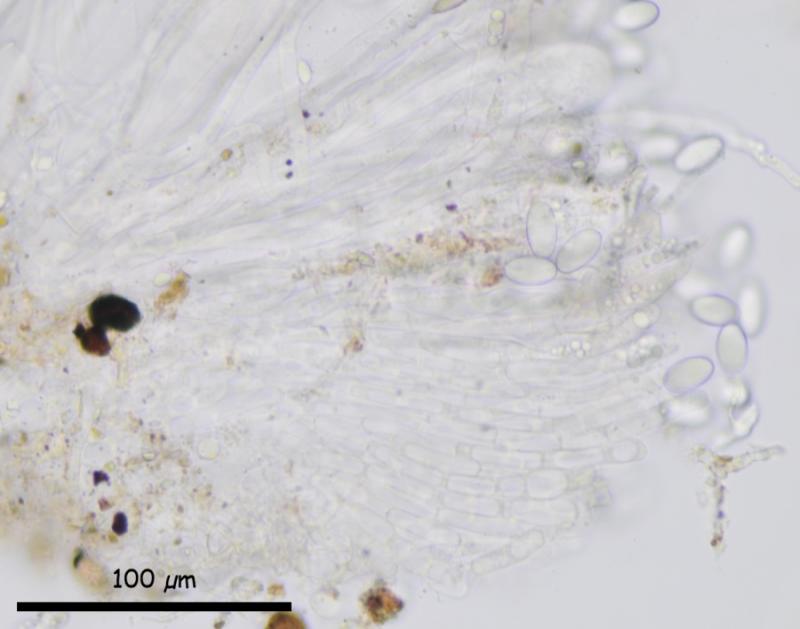
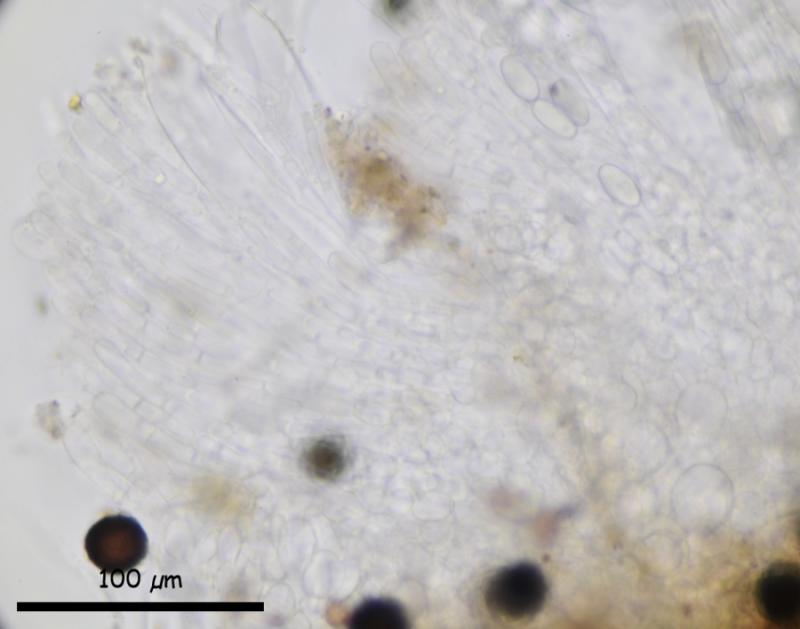
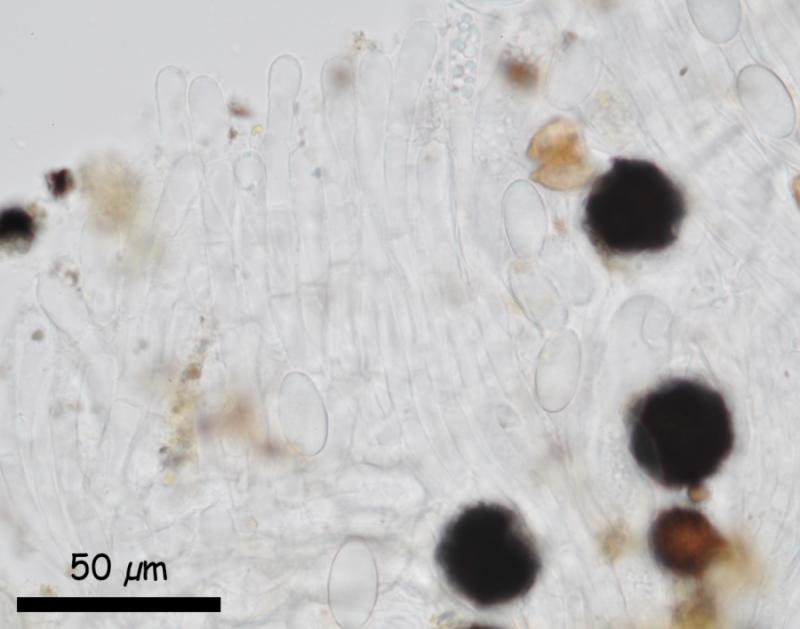
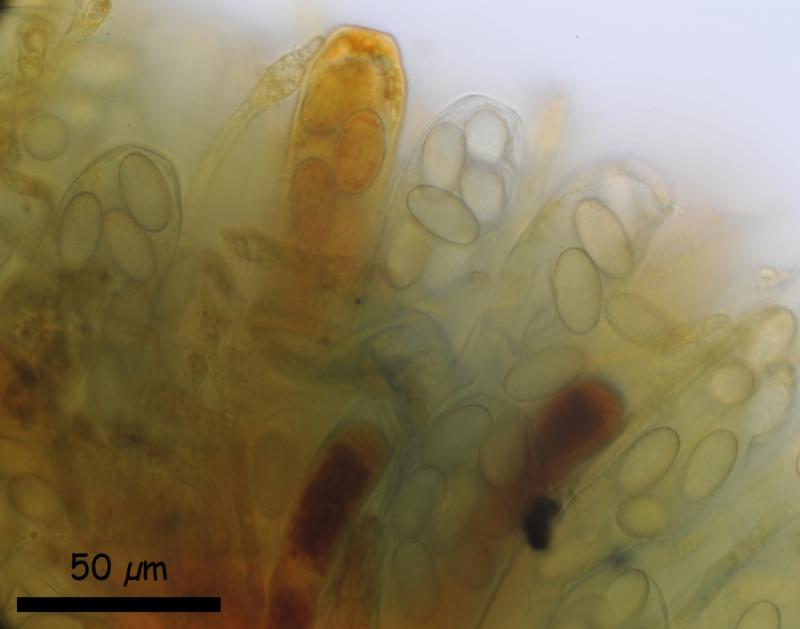
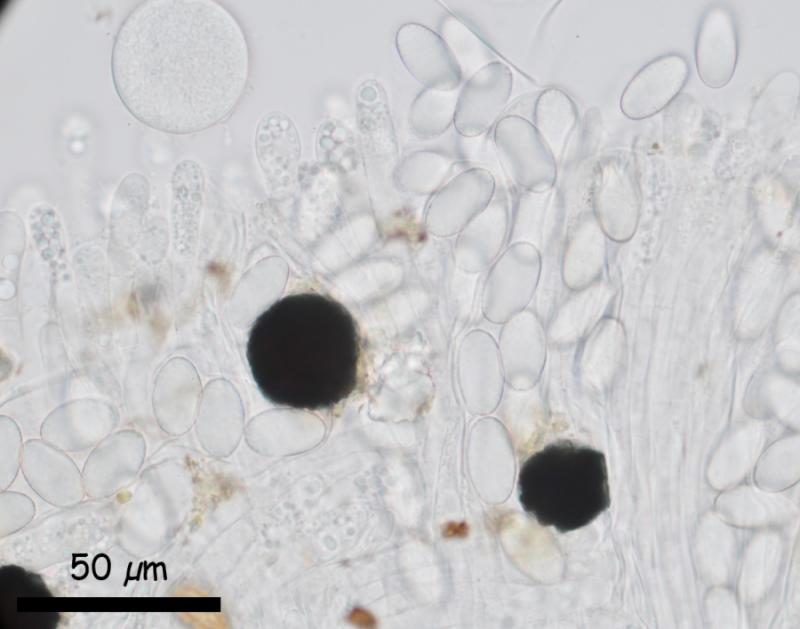
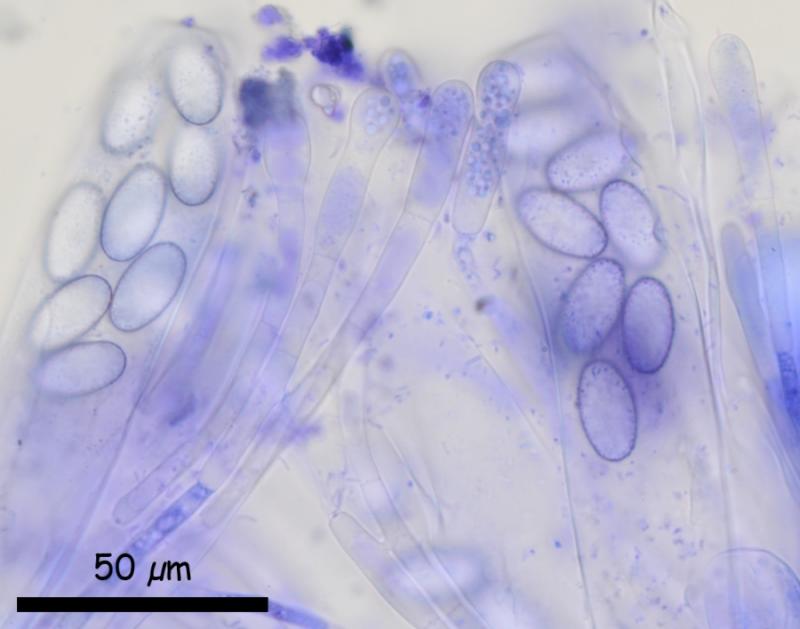
This small (500-600 µm) white apos were growing in a Sus scrofa dung, at 1.340m, inside an Abies forest. First we think about a Iodophanus, but I think it don't fit Ok with none. So, we thought about Thecotheus, but I don't find any similar.
Could you help me?
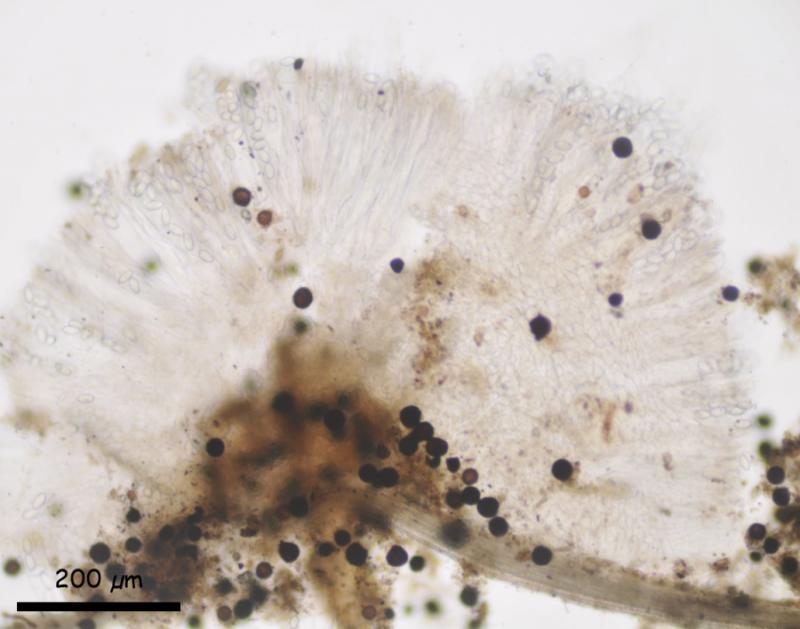
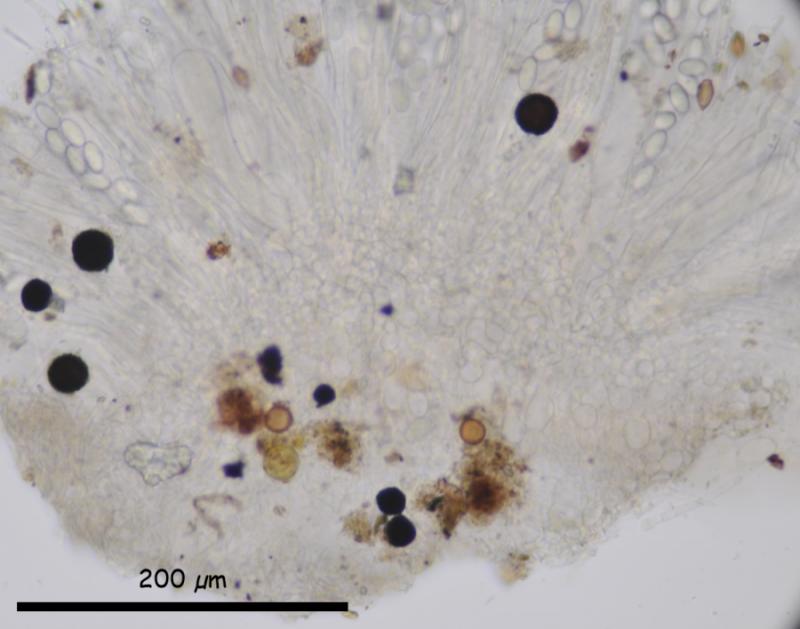
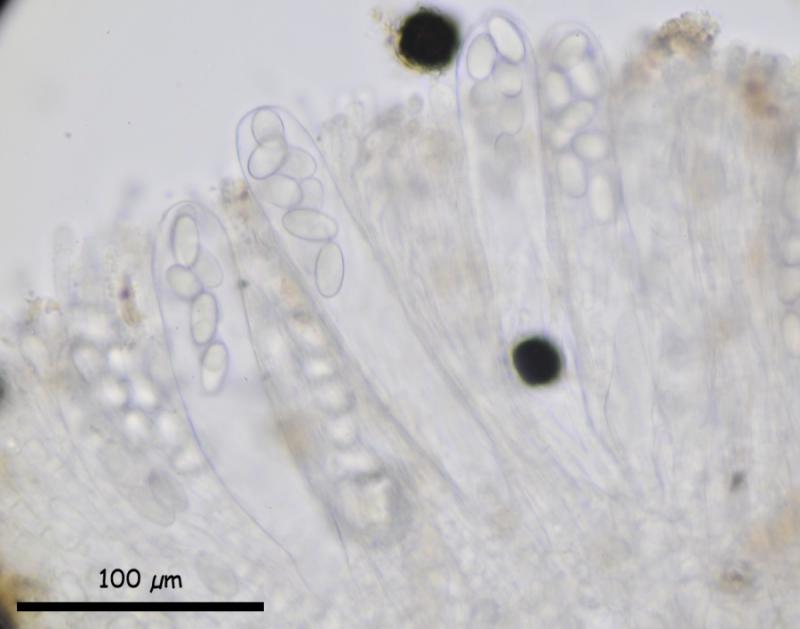
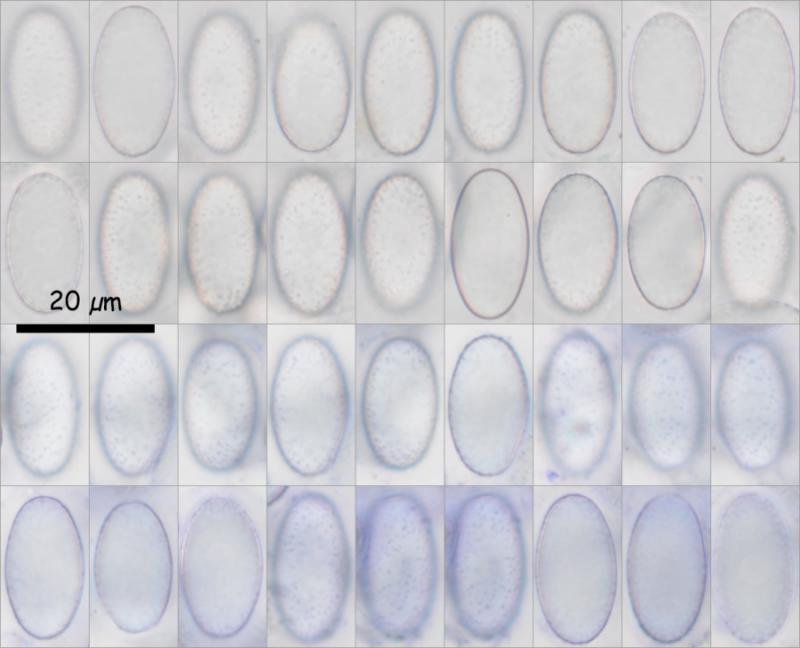
Spores with elipsodial to a litte fusiforme shape, with a very fine ornamentation, (19,5) 20,1 - 21,7 (22,5) × (10,2) 10,5 - 11,6 (12,1) µm; Q = (1,7) 1,8 - 2 (2,1); N = 78; Me = 20,9 × 11 µm; Qe = 1,9.
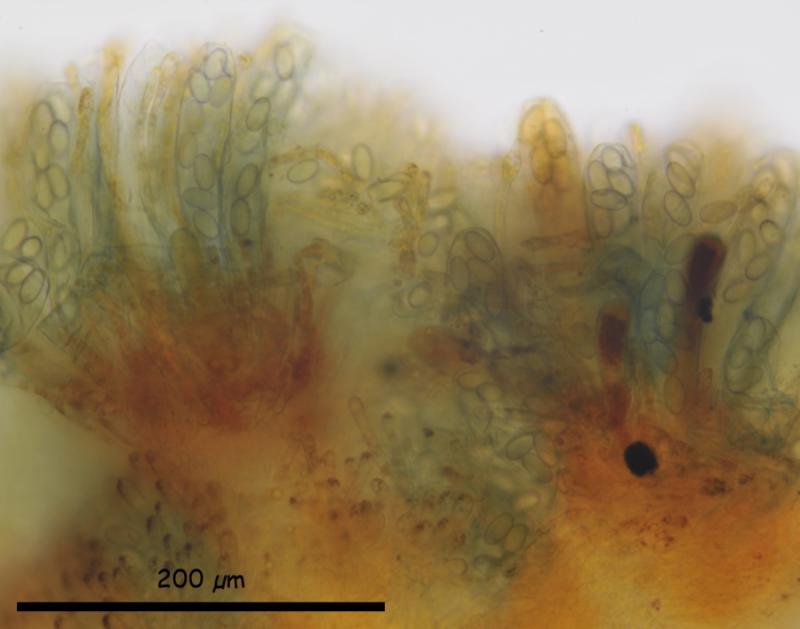
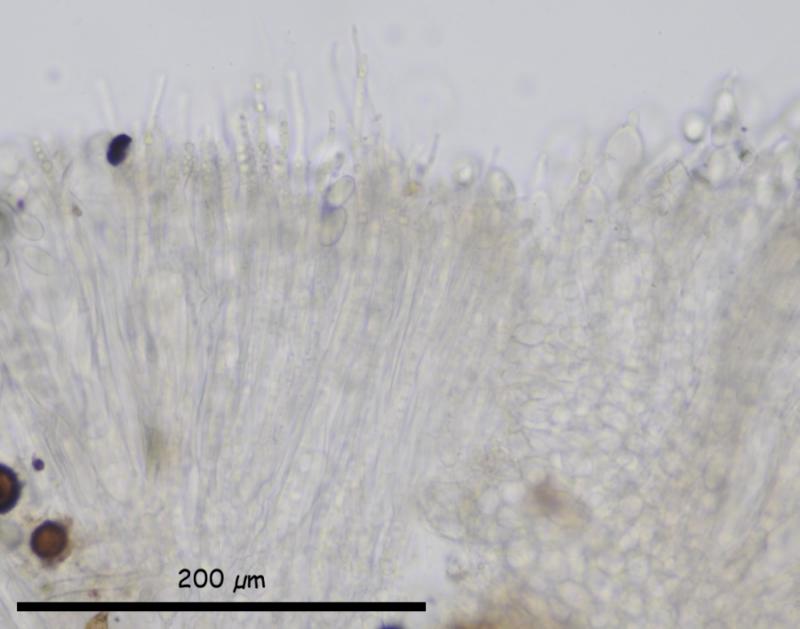
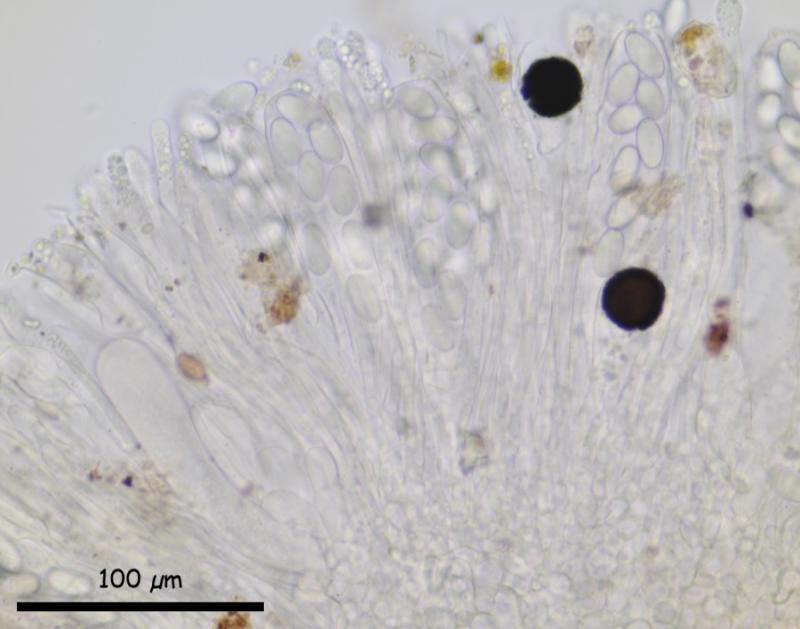
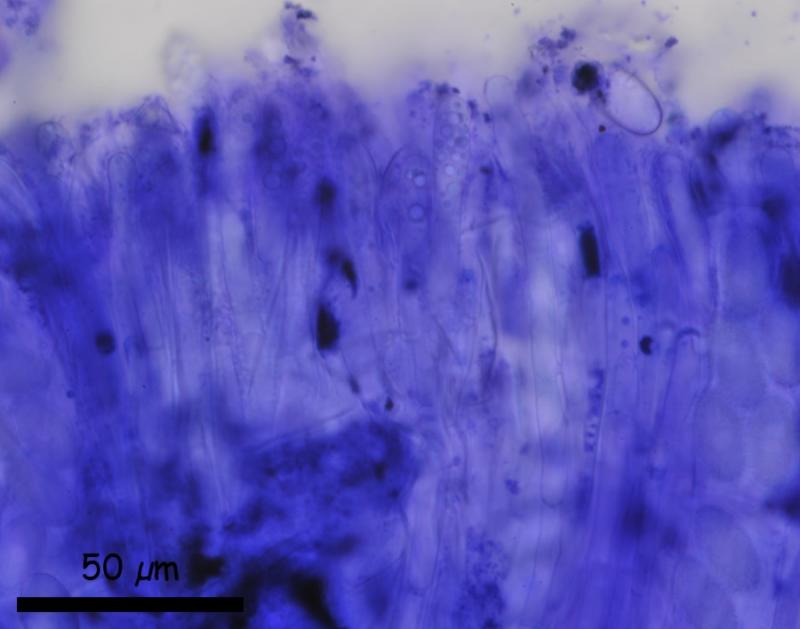
Asci with 8 spores, with croziers and blue all around with IKI, not only at apex.
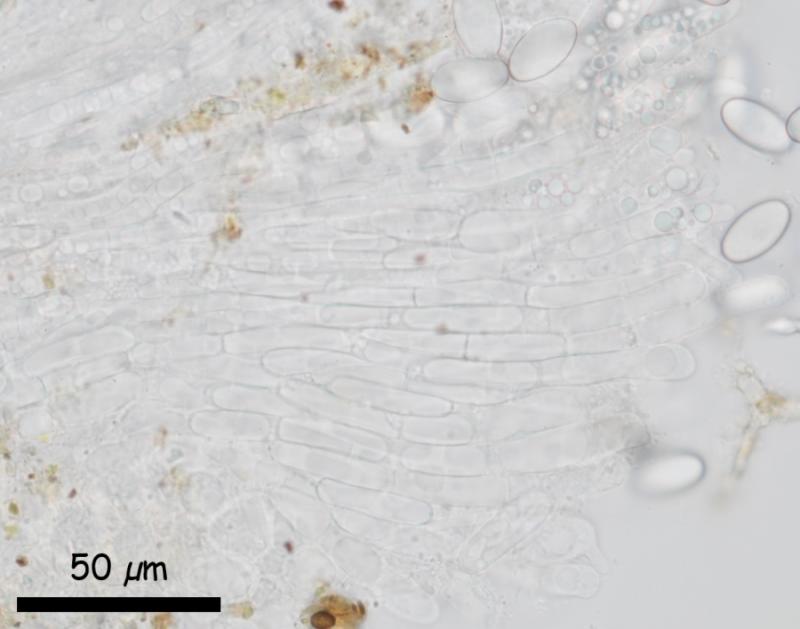
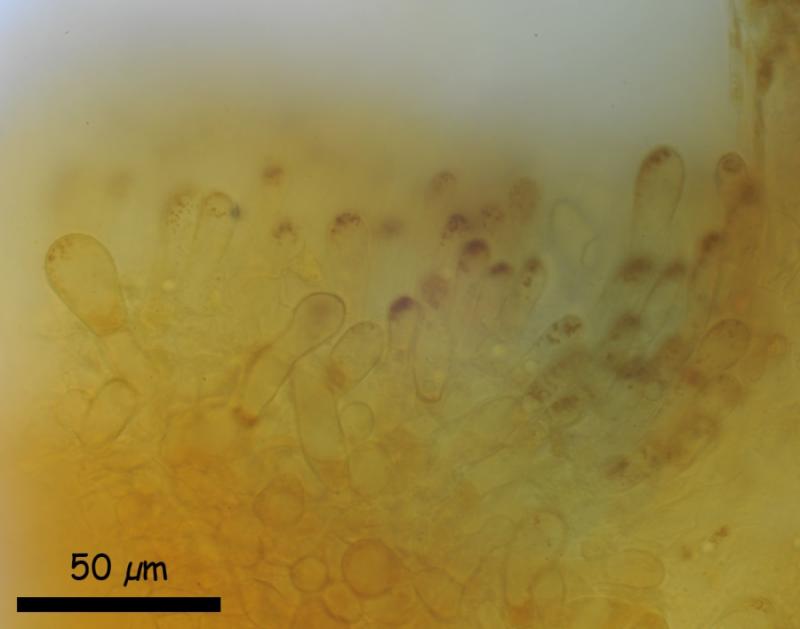
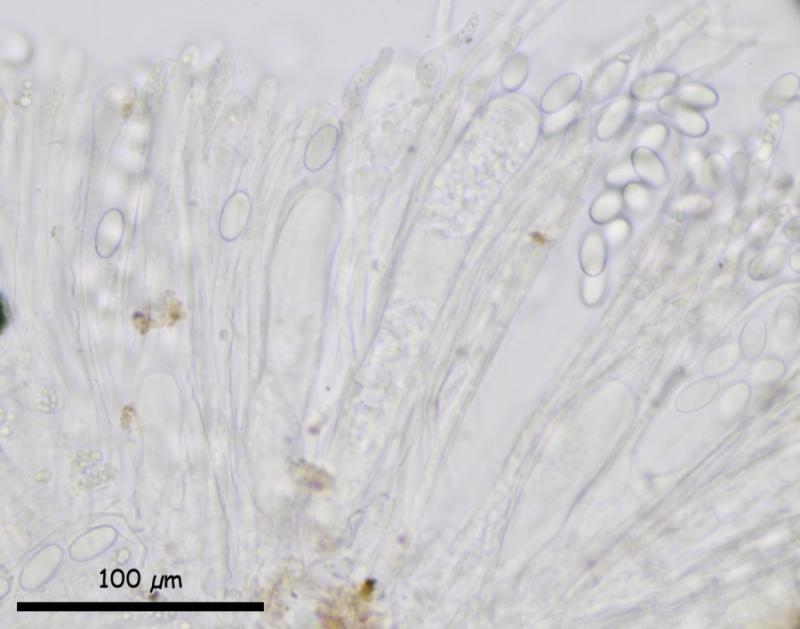
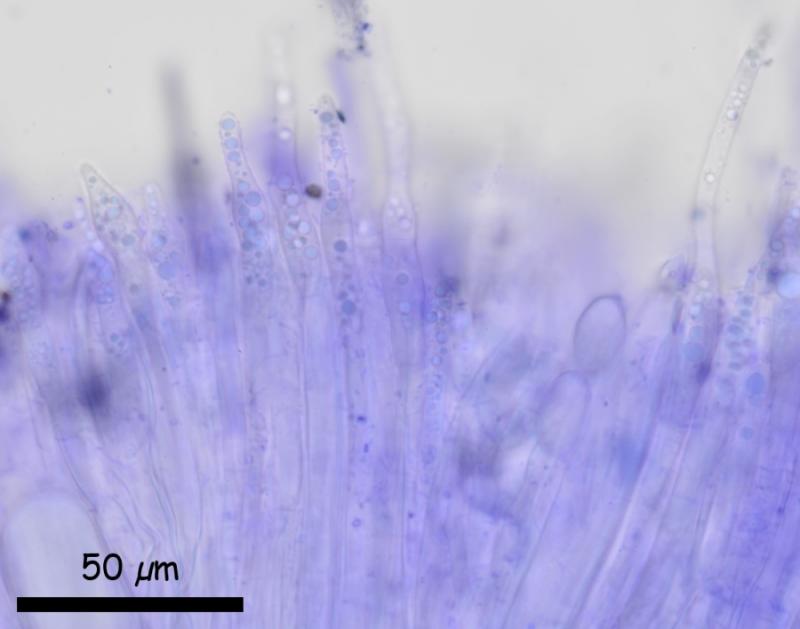
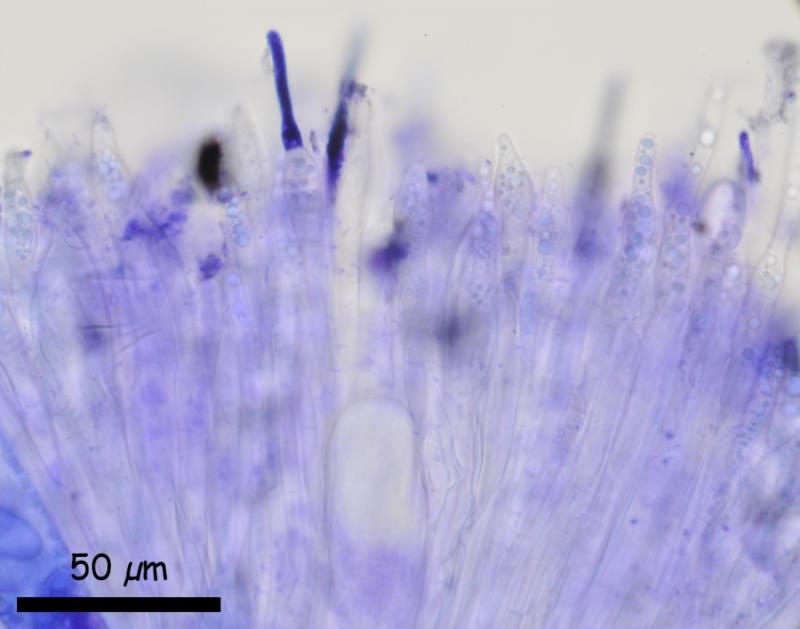
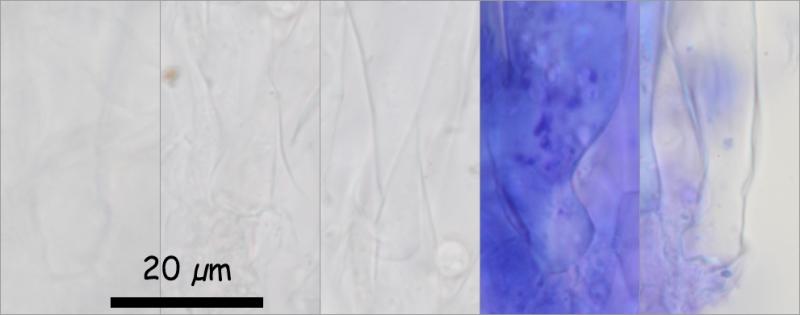
Paraphysis cylindrical, slightly broad at apex and with abundant big VBs at least in the apex cell; but sometimes with pointed and curved apex.
Marginal cells similar to paraphysis without VBs and more capitated.
Thank you.
Miguel Á. Ribes
Peter Püwert,
08-08-2016 00:51

Re : Iodophanus or Thecotheus 310116
Hi Miguel,
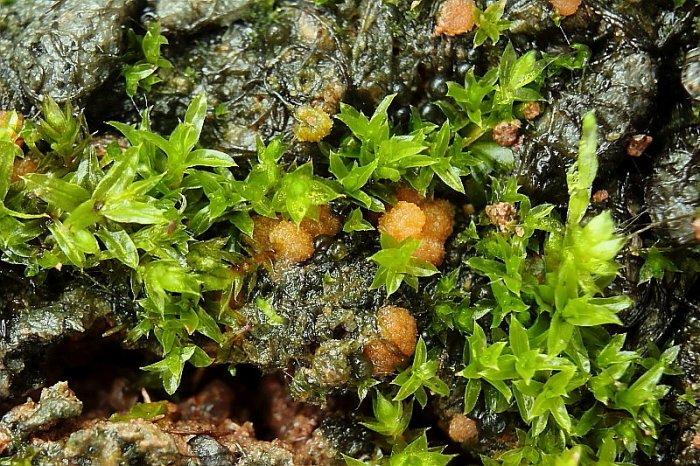
this is already I. carneus. The species can vary in colour strongly how on the photos is to be seen. Noticeably under the Mikro are the big asci with the minutely verruculose spores, the septate and pigmentate paraphyses. The black balls in your preparation could be spores of Elaphomyces, with wild pig dung also not so incorrectly.
The dung of my fotos is from mouse, rabbit and guinea pig.
Greetings Peter.
this is already I. carneus. The species can vary in colour strongly how on the photos is to be seen. Noticeably under the Mikro are the big asci with the minutely verruculose spores, the septate and pigmentate paraphyses. The black balls in your preparation could be spores of Elaphomyces, with wild pig dung also not so incorrectly.
The dung of my fotos is from mouse, rabbit and guinea pig.
Greetings Peter.
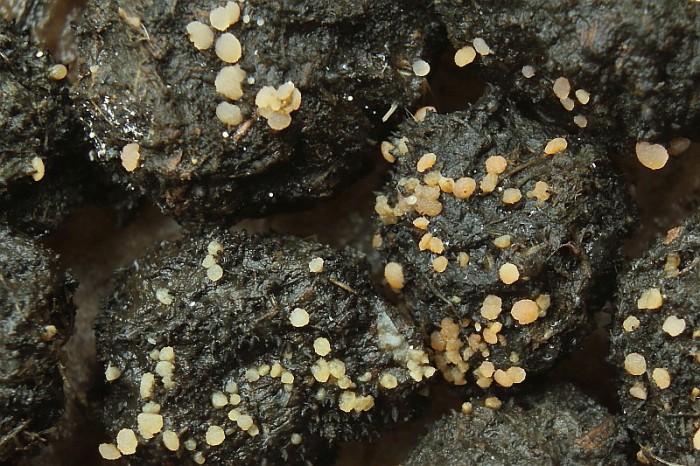
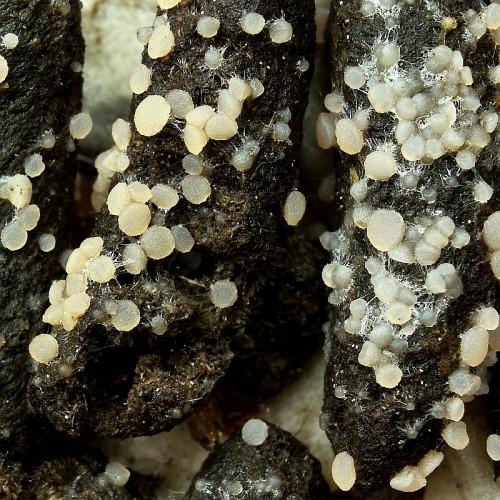
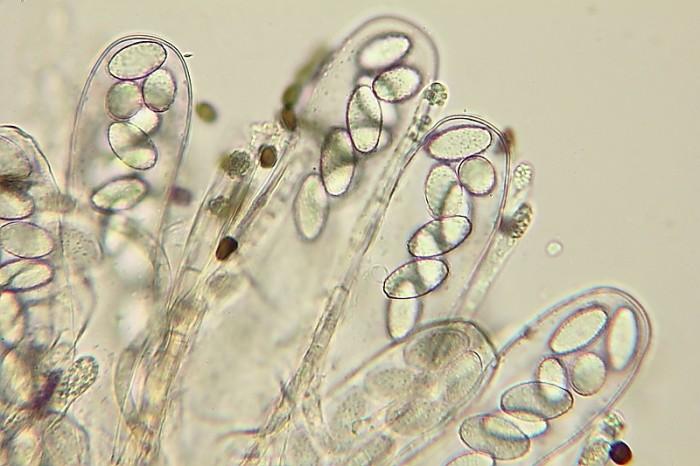
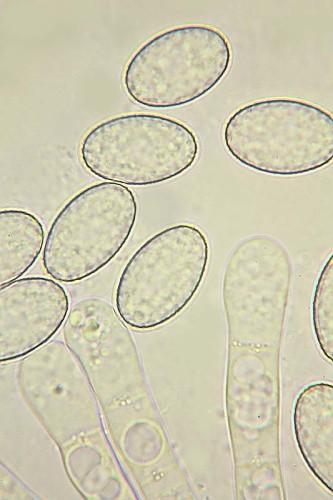
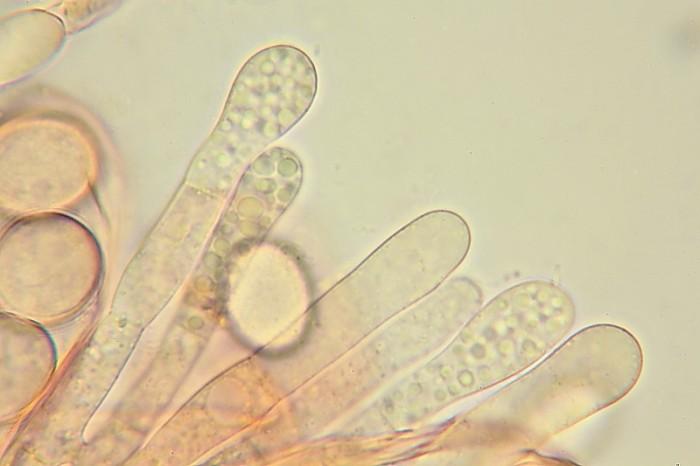
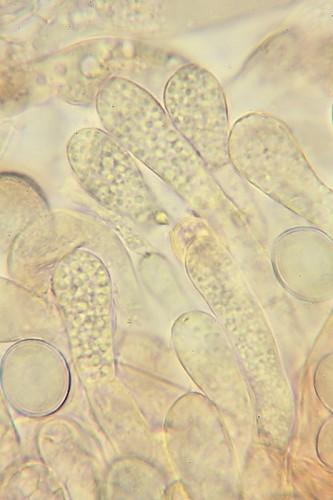
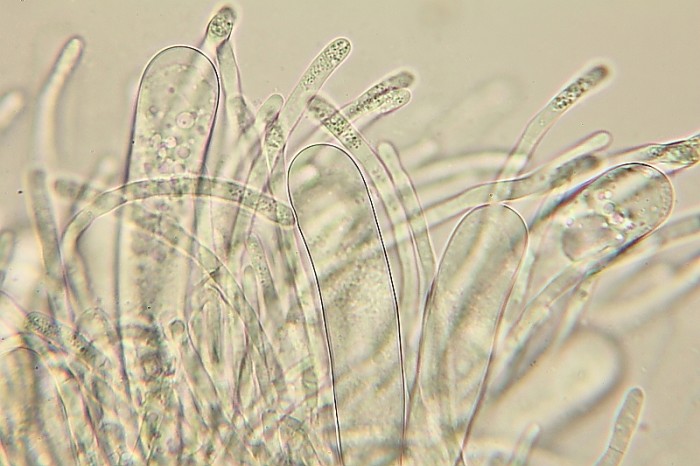 Iodophanus-carneus5-0001.JPG
Michel Delpont,
08-08-2016 10:40

Re : Iodophanus or Thecotheus 310116
Salut Miguel
No hay problema para Iodophanus, en realidad, el color puede ser variable dependiendo de la luz y la edad del hongo.
una salvación.
Michel.
No hay problema para Iodophanus, en realidad, el color puede ser variable dependiendo de la luz y la edad del hongo.
una salvación.
Michel.
Miguel Ángel Ribes,
08-08-2016 21:42
Re : Iodophanus or Thecotheus 310116
Ok, thank's Peter and Michel.
I can't belive it, I was very confused with this species.
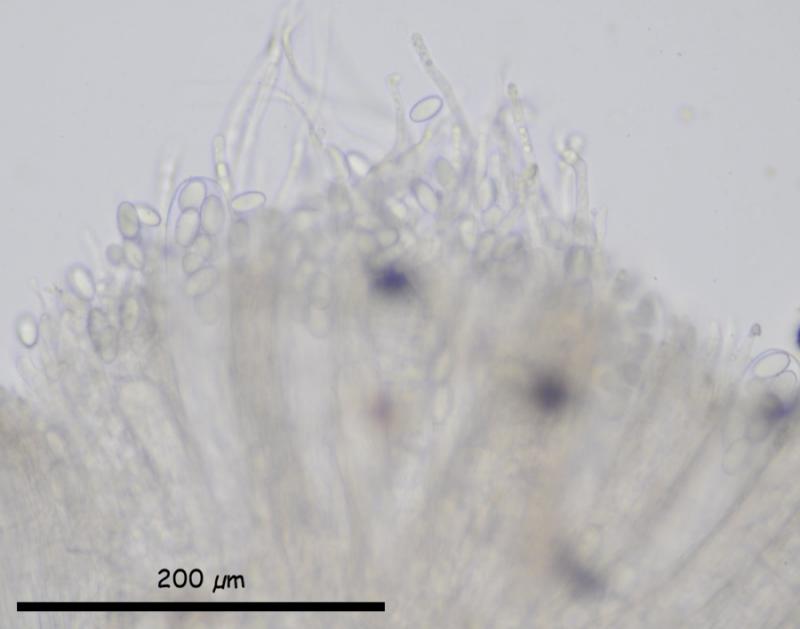
Anyway, do you have any explanation to rostrate-elongated paraphysis with big VBs, pictures 19 and 20 in Cresil Blue?
Best wishes.
I can't belive it, I was very confused with this species.
Anyway, do you have any explanation to rostrate-elongated paraphysis with big VBs, pictures 19 and 20 in Cresil Blue?
Best wishes.
Peter Püwert,
08-08-2016 22:04
Re : Iodophanus or Thecotheus 310116
Hi Miguel,
in my opinion the paraphysis are destroyed by CB.
Greetings Peter.
in my opinion the paraphysis are destroyed by CB.
Greetings Peter.
Miguel Ángel Ribes,
08-08-2016 23:06
Re : Iodophanus or Thecotheus 310116
Hi Peter
No, no, please look pictures nº 14 and 15, both are made in water. In the new attached picture it is visible too.
Thank's a lot.
No, no, please look pictures nº 14 and 15, both are made in water. In the new attached picture it is visible too.
Thank's a lot.
Peter Püwert,
09-08-2016 02:46
Re : Iodophanus or Thecotheus 310116
Hi Miguel,
now I see, what You mean.
KIMBROUGH, J.W., E.R. LUCK- ALLEN et R.F. CAIN (1969): Iodophanus, the pezizeae segregate of Ascophanus (Pezizales): Amer. J. Bot. 56 (10) writes:
Page 1889: "Excipulum-...Many cells become long, flexuous, hyalin, septate hairs varies with different species."
Page 1196: "Apothecia...with scattered, flexuosus, hyalin, septate hairs that are rounded at their apices, and many reach 50-80 µ in length;...".
This must be the elements, I have given to here actually no attention.
Greetings Peter.
now I see, what You mean.
KIMBROUGH, J.W., E.R. LUCK- ALLEN et R.F. CAIN (1969): Iodophanus, the pezizeae segregate of Ascophanus (Pezizales): Amer. J. Bot. 56 (10) writes:
Page 1889: "Excipulum-...Many cells become long, flexuous, hyalin, septate hairs varies with different species."
Page 1196: "Apothecia...with scattered, flexuosus, hyalin, septate hairs that are rounded at their apices, and many reach 50-80 µ in length;...".
This must be the elements, I have given to here actually no attention.
Greetings Peter.
Miguel Ángel Ribes,
23-08-2016 18:48
Re : Iodophanus or Thecotheus 310116
Hi Peter
Sorry, sorry, sorry, I overlooked your answer.
Very interesting, probably thata are the cells I saw.
I haven't that paper and don't find it in the internet. Could you send it to me? please.
Best wishes.
Sorry, sorry, sorry, I overlooked your answer.
Very interesting, probably thata are the cells I saw.
I haven't that paper and don't find it in the internet. Could you send it to me? please.
Best wishes.
Nicolas VAN VOOREN,
23-08-2016 22:47

Re : Iodophanus or Thecotheus 310116
Paper sent privately.
Miguel Ángel Ribes,
23-08-2016 23:35
Re : Iodophanus or Thecotheus 310116
Merci Nicolas.