

06-04-2026 21:36
 Viktorie Halasu
Hello, could anyone please send me the article wi
06-04-2026 19:40
 David Gibbs
Help with this one much appreciated, on rotting Fa
06-04-2026 11:07
Louis DENYBonjour forum, Trouvé sur bois de feuillu très d
06-04-2026 16:24
Juuso ÄikäsLast Tuesday I found some tiny white Helotiales gr
05-04-2026 20:40
 Robin Isaksson
Hi!Found i Japan on bark of Abies sp. Spores 35-4
06-04-2026 08:15
 Lothar Krieglsteiner
some days ago, on the lower surface of leaf of Que

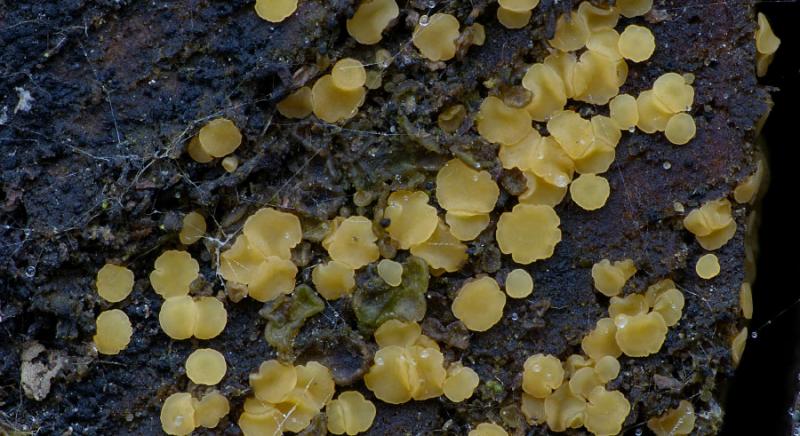
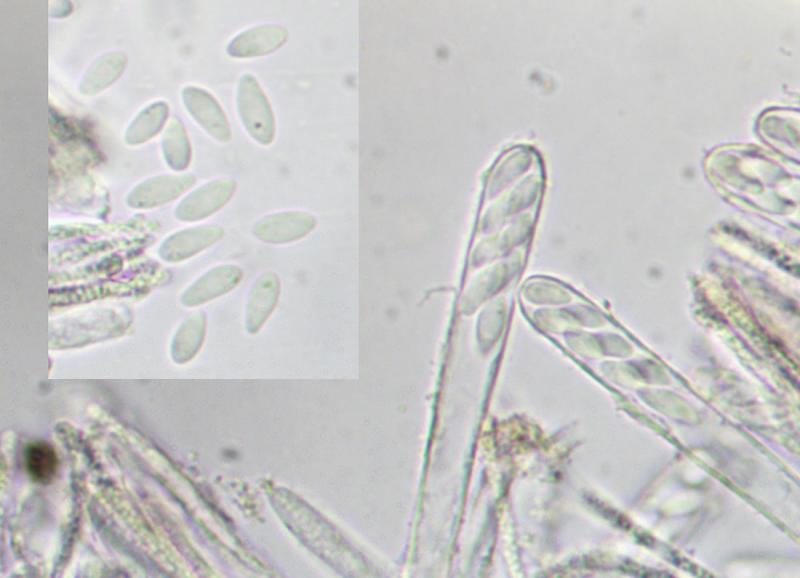
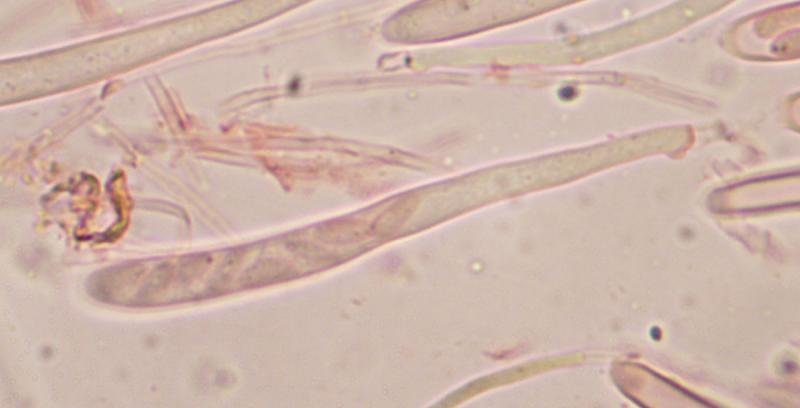
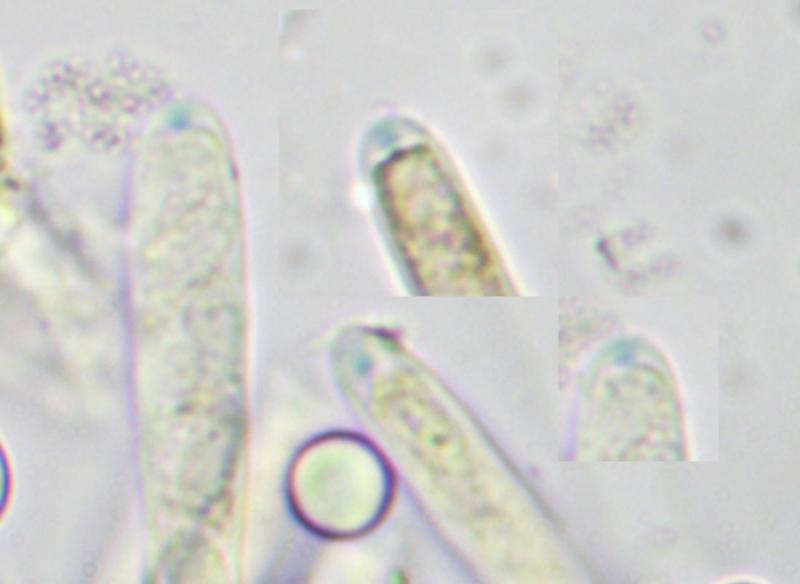
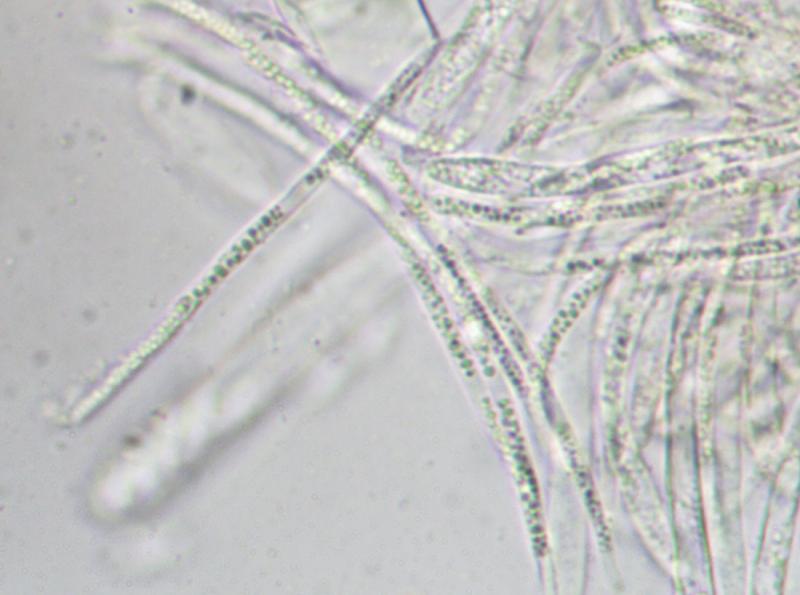
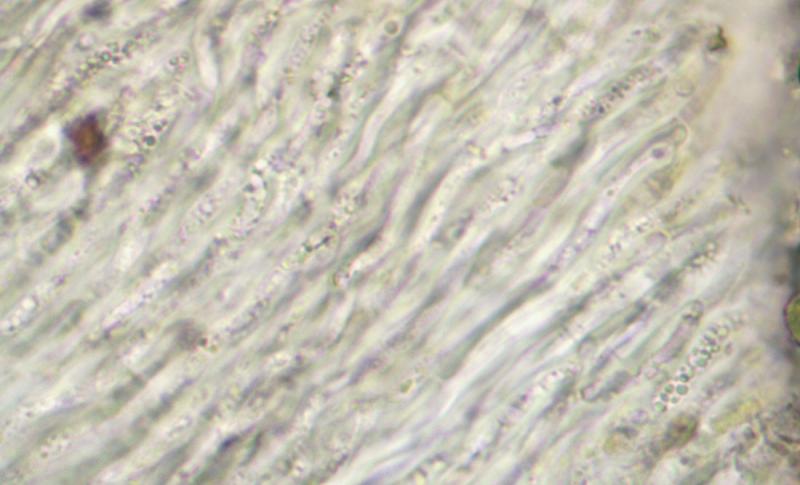
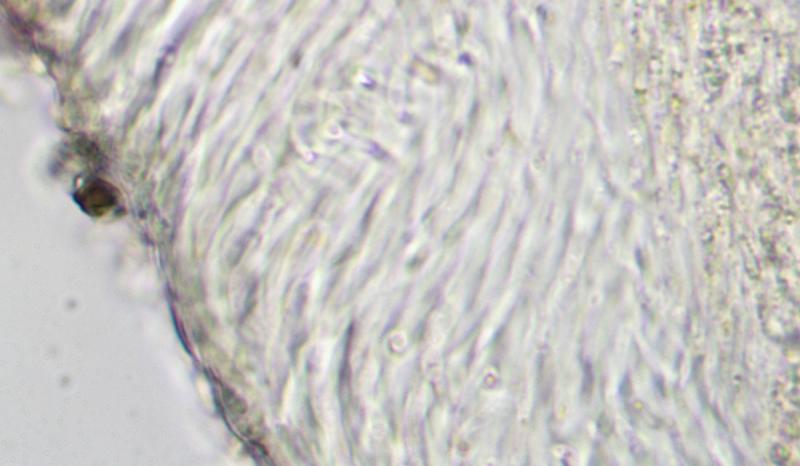
Salut Andgelo,
Regarde du côté de Bisporella subpallida, ça m'a l'air de bien correspondre, tant en macro qu'en micro.
Amitiés,
Daniel

Bonjour Andgelo, Daniel et tous,
Tiens, j'en étais resté au genre Bisporella dans lequel subpallida gardait une place alors que les autres ex Bisporella migraient vers Calycina.
La chair très gélifiée de cette espèce qui n'est pas si rare en hiver sur le bois coupé ou décortiqué encore dur pouvait expliquer le maintient dans le genre .
Attendons les commentaires de Zotto
Amitiés
Michel

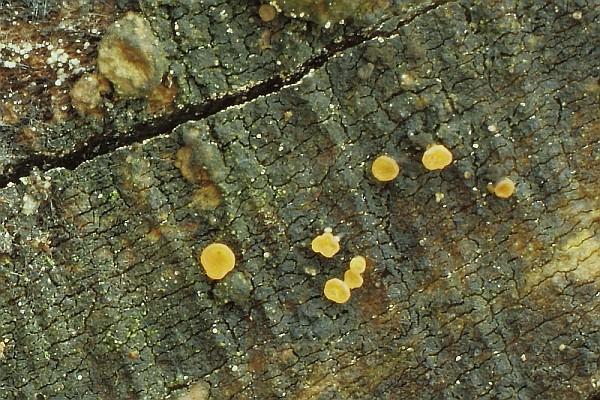
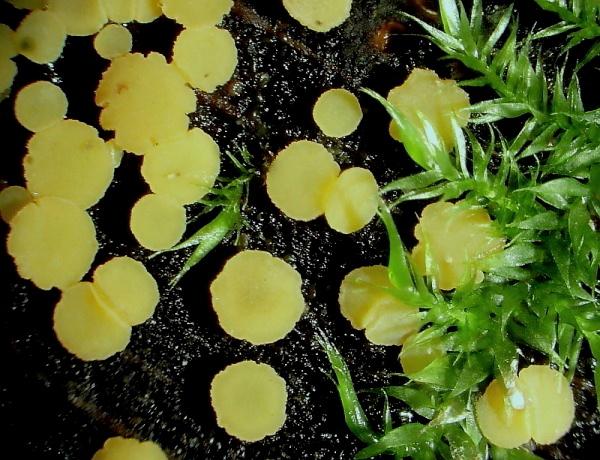
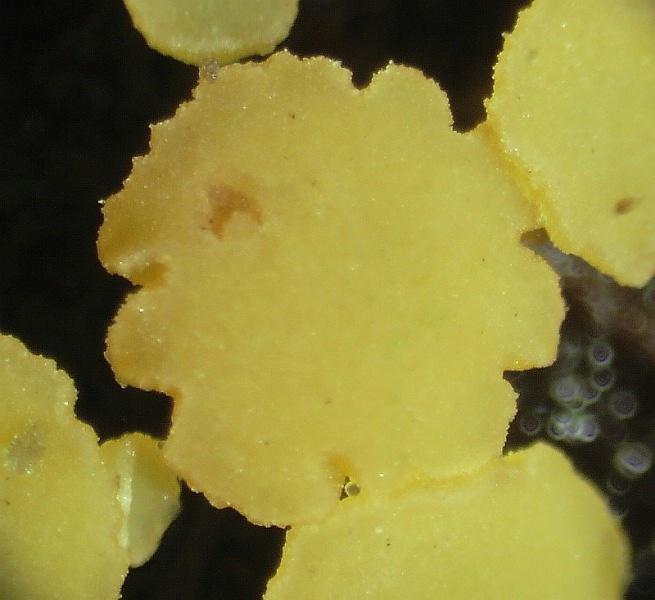

And the reason why the genus was split and placed in two different families is manyfold. The gel is not the reason, it is similar and was overemphasized in earlier concepts. Differemces lie in
- the apical ring type (Hymenoscyphus- vs. Calycina-type)
- the paraphysis contents (multiguttulate vs. elongate)
- molecular data
(Bisporella vs. Calycina)
Thanks for the reminder Zotto .
Michel