

06-04-2026 21:36
 Viktorie Halasu
Hello, could anyone please send me the article wi
06-04-2026 19:40
 David Gibbs
Help with this one much appreciated, on rotting Fa
06-04-2026 11:07
Louis DENYBonjour forum, Trouvé sur bois de feuillu très d
06-04-2026 16:24
Juuso ÄikäsLast Tuesday I found some tiny white Helotiales gr
05-04-2026 20:40
 Robin Isaksson
Hi!Found i Japan on bark of Abies sp. Spores 35-4
06-04-2026 08:15
 Lothar Krieglsteiner
some days ago, on the lower surface of leaf of Que
Anamorf on Cornus?
Mirek Gryc,
25-12-2019 17:06
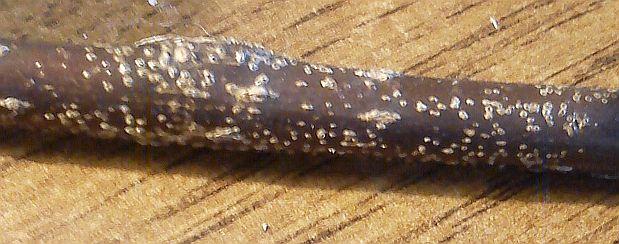
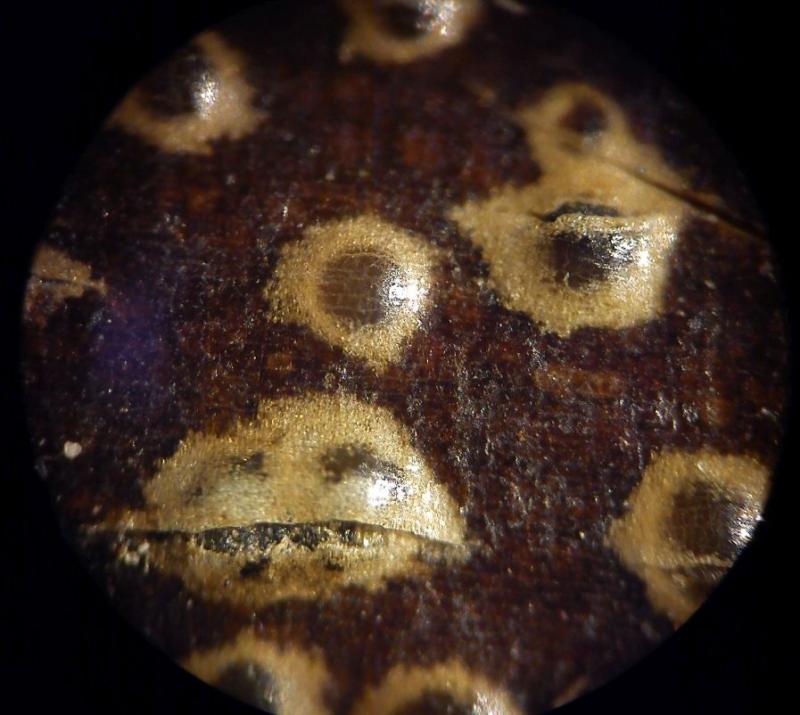
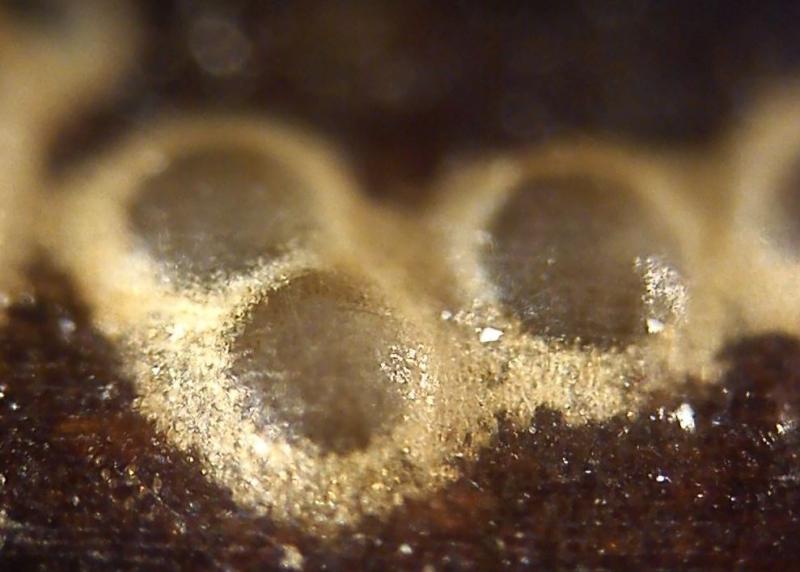
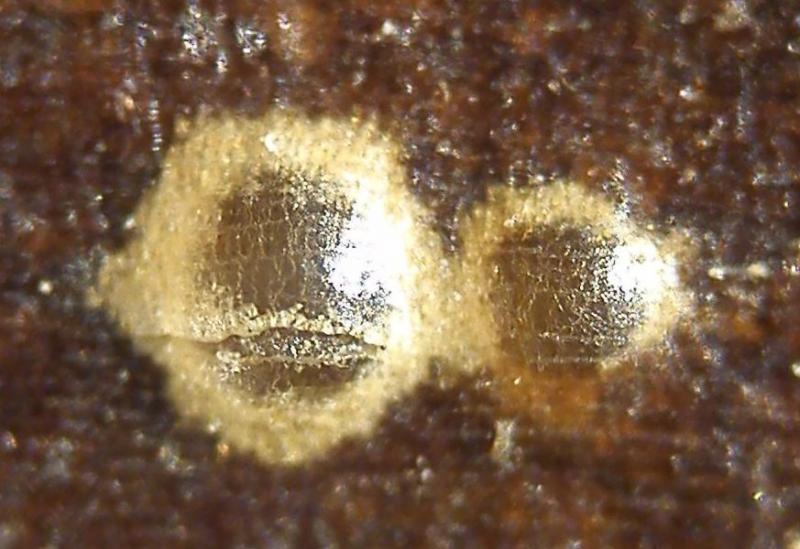
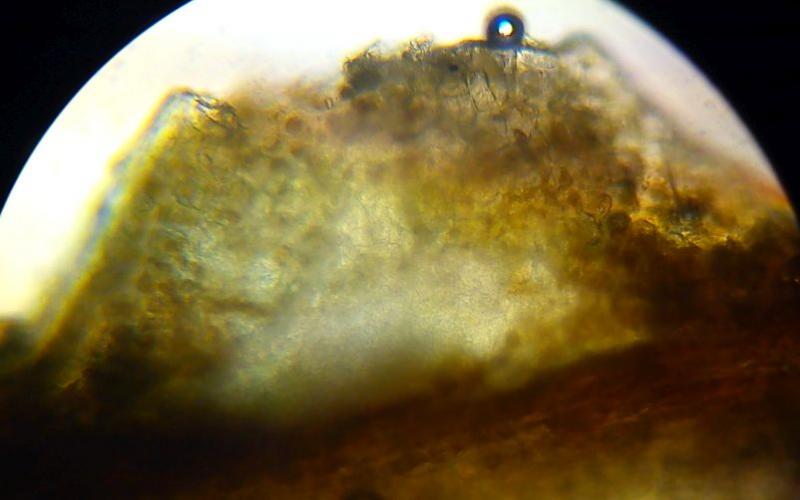
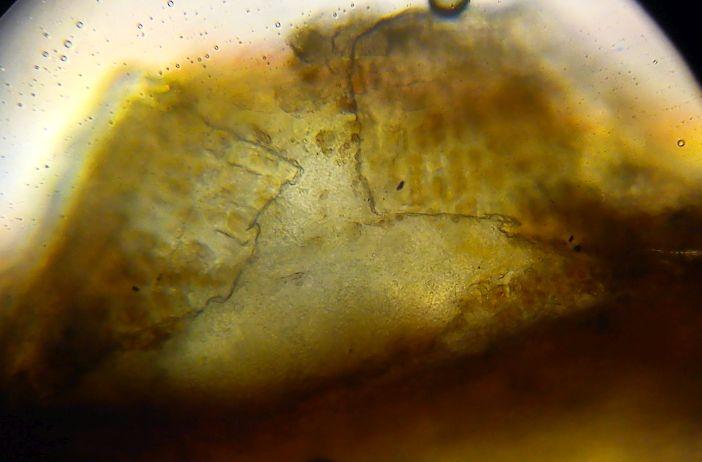
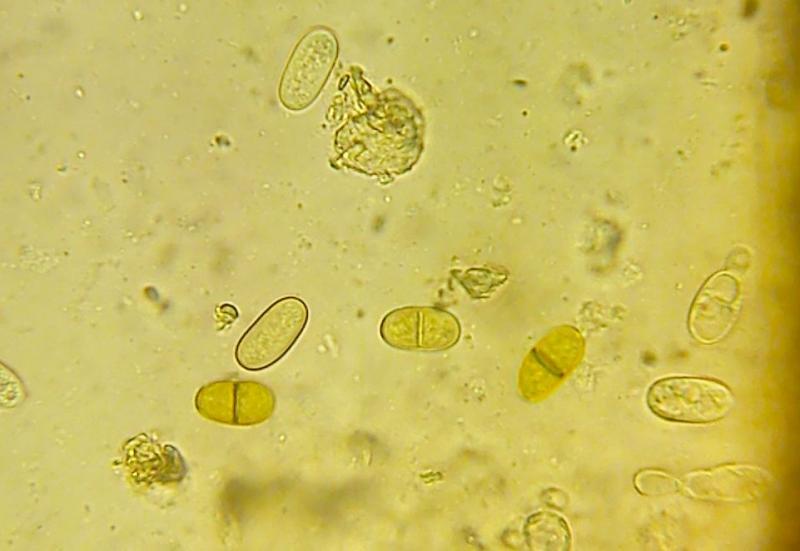
A few days ago I found something like this on dead Cornus branches.
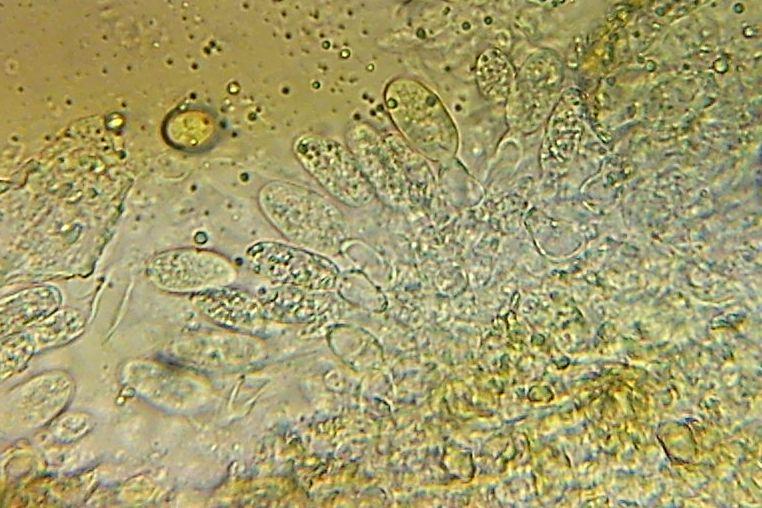
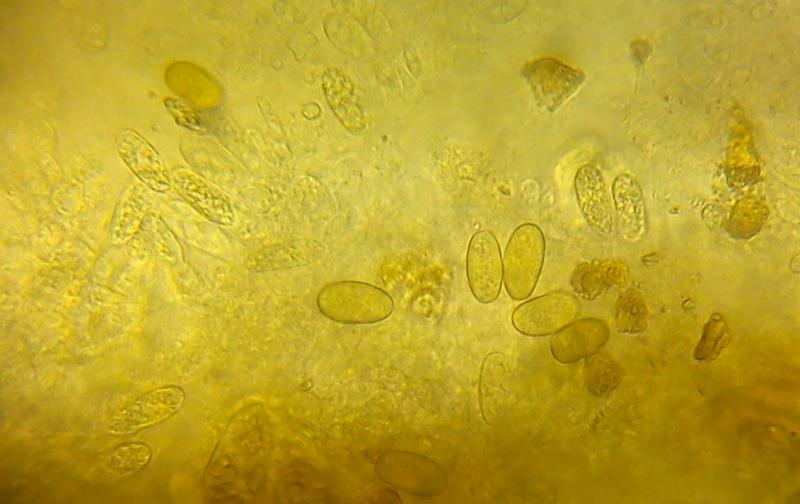
At first I thought it was a young anamorph Pezicula. The structure is very similar but I noticed brown conidiospores. I have never seen such in Pezicula.
Maybe you have any suggestions?
Mirek
Angel Pintos,
26-12-2019 10:16

Re : Anamorf on Cornus?
the conidiogenous cells and conidia you show in your images are from Diplodia / Dothiorella
Regards
Angel
Regards
Angel
Mirek Gryc,
26-12-2019 19:55
Re : Anamorf on Cornus?
Hi Angel
Thank you for helping me determine the type.
I don't know this group at all, so I leave it as "sp".
I also don't have any literature on them so I have to give up this time.
Mirek
Thank you for helping me determine the type.
I don't know this group at all, so I leave it as "sp".
I also don't have any literature on them so I have to give up this time.
Mirek
Eduard Osieck,
27-12-2019 03:29
Re : Anamorf on Cornus?
The following paper includes keys to the anamorphs of Botryosphaeria sensu lato:
Phillips, A.J.L., Alves, A., Abdollahzadeh, J., Slippers, B., Wingfield, M.J., Groenewald, J.Z., P.W. Crous (2013) The Botryosphaeriaceae: genera and species known from culture. Studies in Mycology 73: 51-167.
Download link given at: https://www.verspreidingsatlas.nl/0896020# (see tab "artikelen").
Note that conidia sizes given in this publication may refer to cultures which may differ from conidia obtained from natural substrates. The paper by Laundon (1973) is also helpful to distinguish the anamorphs of "Botryosphaeria" stevensii and B. otusa.
Eduard
Mirek Gryc,
27-12-2019 08:54
Re : Anamorf on Cornus?
Hi Eduard
Interesting article. Thank you very much for the link.
Cornus is growing on my property so I have the opportunity to wait until the fruiting bodies mature and observe their development. I will try to do it although the topic is completely foreign to me. However, having literature, it's worth trying :)
I am aware that spores grown from cultures may differ slightly in dimensions, but the general nature of the mature should be the same, so I suspect there is a chance to identify the species?
Regards
Mirek
Interesting article. Thank you very much for the link.
Cornus is growing on my property so I have the opportunity to wait until the fruiting bodies mature and observe their development. I will try to do it although the topic is completely foreign to me. However, having literature, it's worth trying :)
I am aware that spores grown from cultures may differ slightly in dimensions, but the general nature of the mature should be the same, so I suspect there is a chance to identify the species?
Regards
Mirek
Eduard Osieck,
31-12-2019 03:55
Re : Anamorf on Cornus?
Hi Mirek,
Identification could be possible with a bit of luck. In particular, it is important to know when the spores get brown and 2-celled. Conidia of Botryosphaeria stevensii (Diplodia mutila) do that very late, even after release from the pycinidium. It could well be the common B. obtusa (= D. seriata) of which the conidia already darken in the pycnidium (see Laundon).
Cheers, Eduard
Identification could be possible with a bit of luck. In particular, it is important to know when the spores get brown and 2-celled. Conidia of Botryosphaeria stevensii (Diplodia mutila) do that very late, even after release from the pycinidium. It could well be the common B. obtusa (= D. seriata) of which the conidia already darken in the pycnidium (see Laundon).
Cheers, Eduard
Mirek Gryc,
31-12-2019 11:35
Re : Anamorf on Cornus?
Hi Eduard.
Thanks again for your valuable advice!
Following your instructions, B. obtusa is more suited to me then. The sporocarps appear to be very young, and the spores partly brown already.
Following your instructions, B. obtusa is more suited to me then. The sporocarps appear to be very young, and the spores partly brown already.
Happy New Year!
Mirek
Mirek