08-04-2026 20:33
 Vasileios Kaounas
Found 07-04-26, in Abies cephalonica. Diameter 1,
08-04-2026 10:39
FRANCIS FOUCHIERBonjour , je recherche en pdf cet article: KORF R

06-04-2026 21:36
 Viktorie Halasu
Hello, could anyone please send me the article wi
06-04-2026 19:40
 David Gibbs
Help with this one much appreciated, on rotting Fa
06-04-2026 11:07
Louis DENYBonjour forum, Trouvé sur bois de feuillu très d
06-04-2026 16:24
Juuso ÄikäsLast Tuesday I found some tiny white Helotiales gr
Hypoxylon on Carpinus?
Mirek Gryc,
30-03-2020 20:45
Hi.
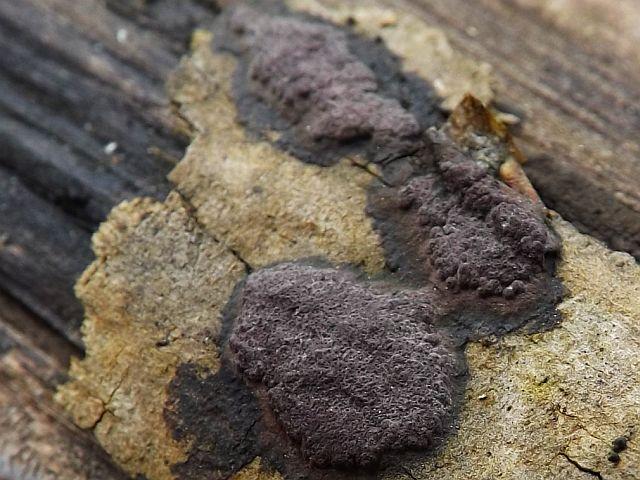
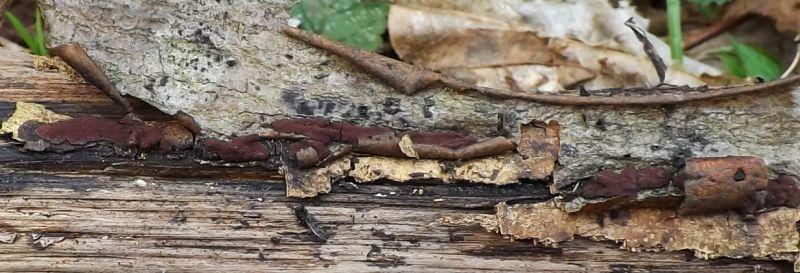
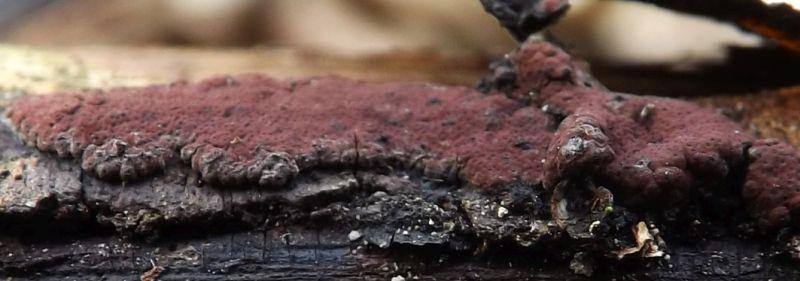
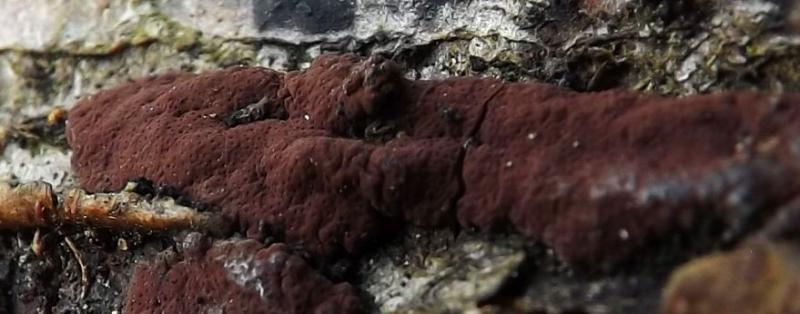
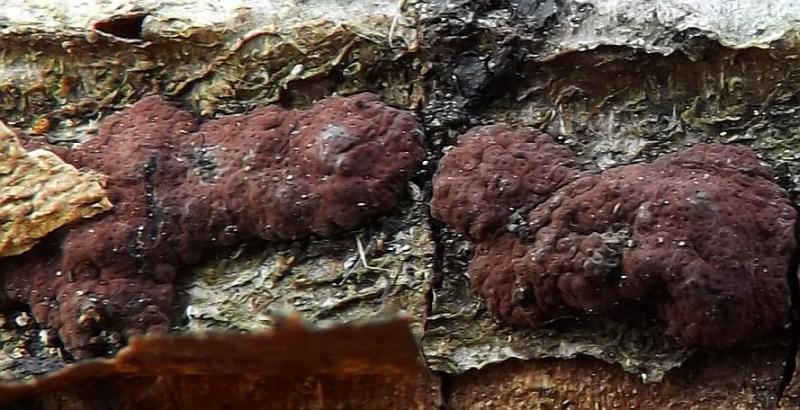
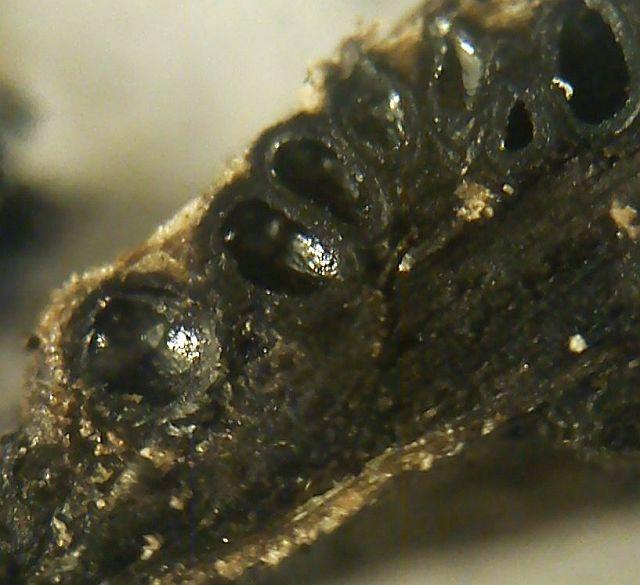
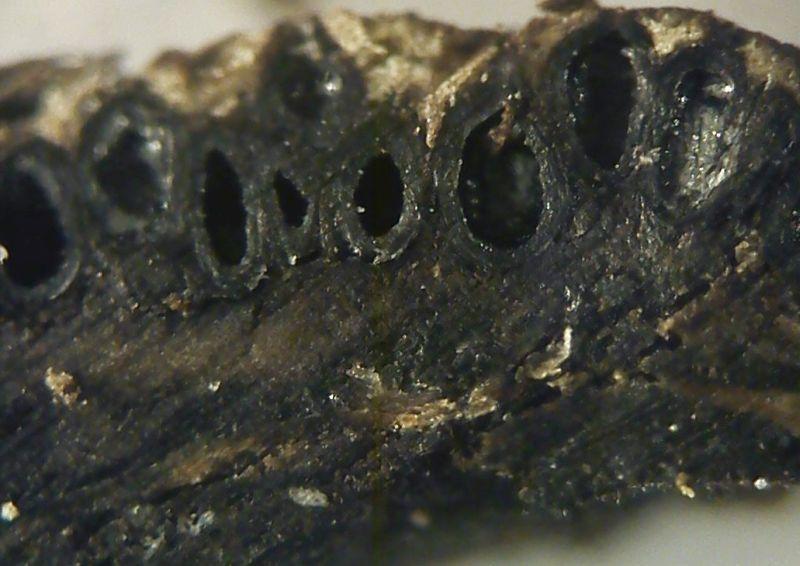
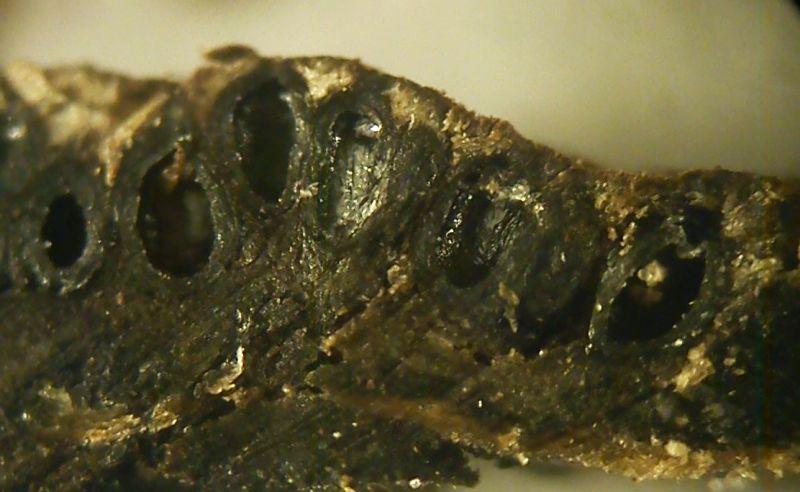
I found two Hypoxylon collections growing on Carpinus yesterday. The shape of the sporocarps varies but I suspect it is the same species. So far, I've only microscoped the first one.
The keys contained in the work "New species of Hypoxylon from western Europe and Ethiopia" lead me to the Hypoxylon commutatum. I compared the features of my sporocarps to all species found on Carpinus, but none match mine.
Description for Hypoxylon commutatum is quite scanty but only in it I did not find any features that would exclude this species.
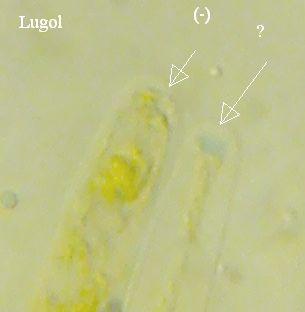
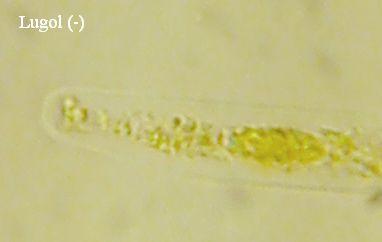
The reaction of porus in my collection was very capricious. Only a few ascus have a slight bluish discoloration of porus. Over 95% of ascus do not show reaction to iodine. In no mature ascus I have not observed a reaction.
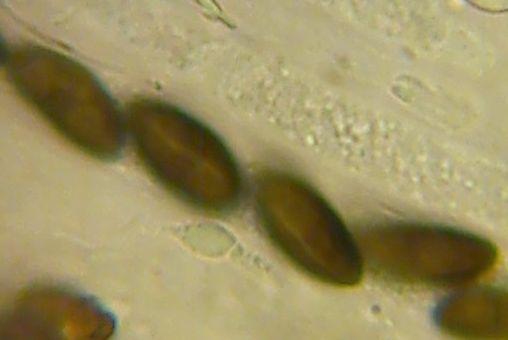
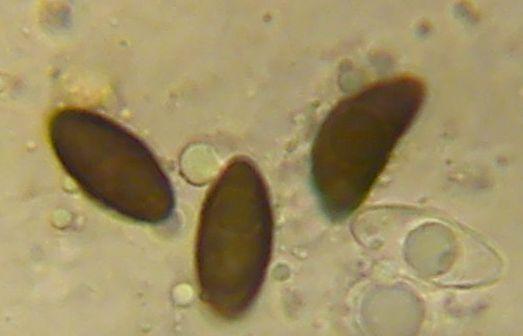
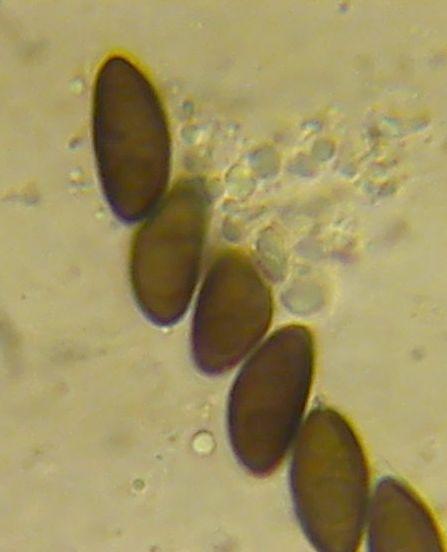
Spores in my collection slightly larger than those listed on the page:
http://pyrenomycetes.free.fr/hypoxylon/html/Hypoxylon_commutatum.htm
In the original description, however, in "Pyrenomycetes germanici" they give slightly larger ones that perfectly match the size of the spores in my collection.
Perhaps I have not reached all species that occur on Carpinus so I am asking you for help.
The keys contained in the work "New species of Hypoxylon from western Europe and Ethiopia" lead me to the Hypoxylon commutatum. I compared the features of my sporocarps to all species found on Carpinus, but none match mine.
Description for Hypoxylon commutatum is quite scanty but only in it I did not find any features that would exclude this species.
The reaction of porus in my collection was very capricious. Only a few ascus have a slight bluish discoloration of porus. Over 95% of ascus do not show reaction to iodine. In no mature ascus I have not observed a reaction.
Spores in my collection slightly larger than those listed on the page:
http://pyrenomycetes.free.fr/hypoxylon/html/Hypoxylon_commutatum.htm
In the original description, however, in "Pyrenomycetes germanici" they give slightly larger ones that perfectly match the size of the spores in my collection.
Perhaps I have not reached all species that occur on Carpinus so I am asking you for help.
Spores:
(10.9) 11.3 - 12.1 (12.5) × (4.8) 5 - 5.5 (6) µm
Q = (2) 2.1 - 2.3 (2.6) ; N = 15
Me = 11.7 × 5.3 µm ; Qe = 2.2
Q = (2) 2.1 - 2.3 (2.6) ; N = 15
Me = 11.7 × 5.3 µm ; Qe = 2.2
10.92 4.75
11.55 5.51
11.27 4.98
11.73 4.99
12.02 5.44
12.50 4.81
11.74 5.08
12.10 5.43
12.44 5.05
11.53 5.51
11.60 5.07
11.80 6.00
11.21 5.45
11.61 5.51
11.79 5.50
11.55 5.51
11.27 4.98
11.73 4.99
12.02 5.44
12.50 4.81
11.74 5.08
12.10 5.43
12.44 5.05
11.53 5.51
11.60 5.07
11.80 6.00
11.21 5.45
11.61 5.51
11.79 5.50
Thank you in advance.
Mirek
Mirek Gryc,
30-03-2020 20:53
Re : Hypoxylon on Caprinus?
A second collection that I haven't microscoped yet. Also with Carpinus.