
09-04-2026 15:25
Jac GelderblomOn bare soil between mosses Ifound an asco I deter
09-04-2026 13:55
Thomas Læssøehttps://svampe.databasen.org/observations/10589176
09-04-2026 10:12
Thomas Læssøehttps://svampe.databasen.org/observations/10587061
08-04-2026 20:33
 Vasileios Kaounas
Found 07-04-26, in Abies cephalonica. Diameter 1,
08-04-2026 10:39
FRANCIS FOUCHIERBonjour , je recherche en pdf cet article: KORF R

06-04-2026 21:36
 Viktorie Halasu
Hello, could anyone please send me the article wi
06-04-2026 19:40
 David Gibbs
Help with this one much appreciated, on rotting Fa
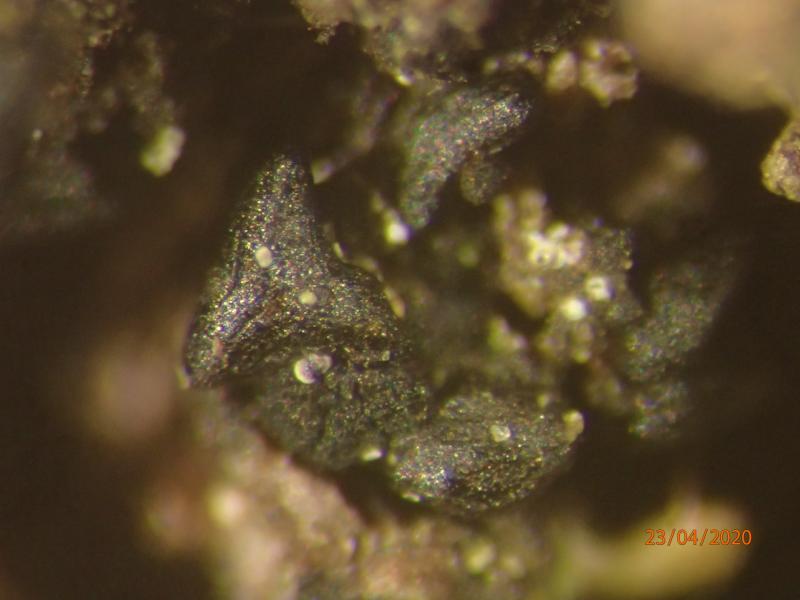
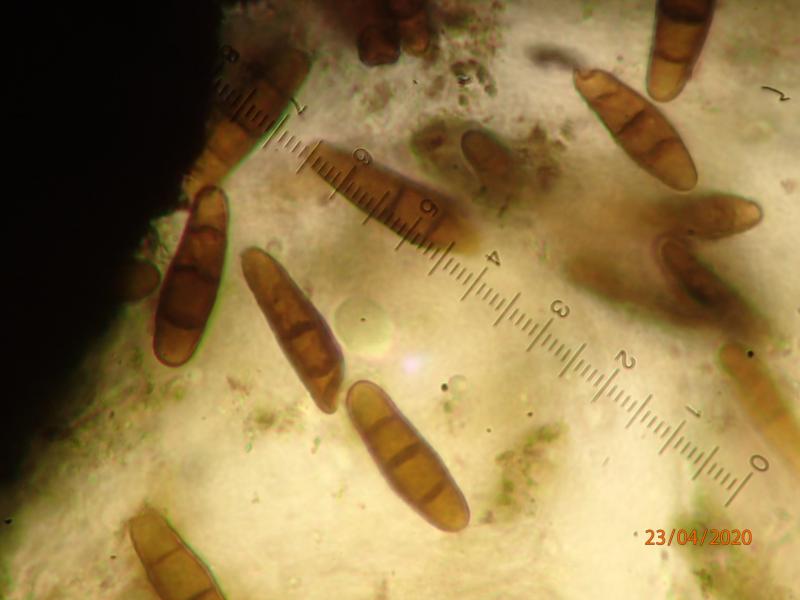
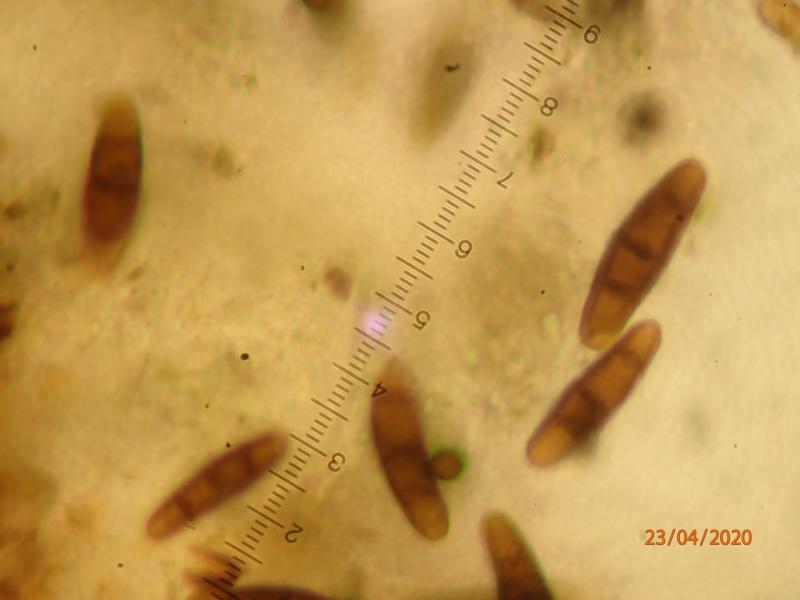
 I have a Hysterium on resin from bark of Picea abies. It deviates from H. pulicare found on a nearby tree. The ascomata are narrower and more upright with a slightly "sharper" apical edge, and a narrower base. Spores measure 20-26 x 6-8 microns, 3-septate without constrictions and end-cells not notably paler (only on a few of the spores). Could it be H. angustatum? (Is H. angustatum synonymous with H. acuminatum?). Or is this within the variability of H. pulicare?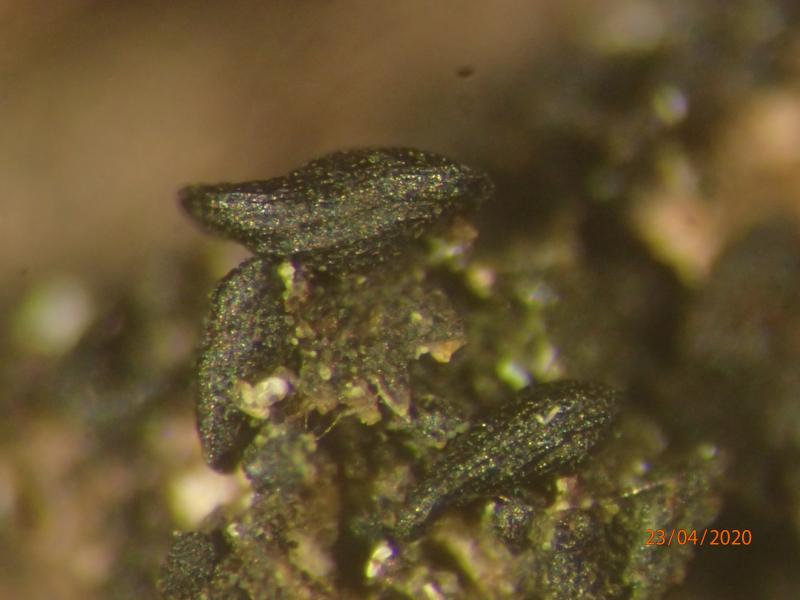
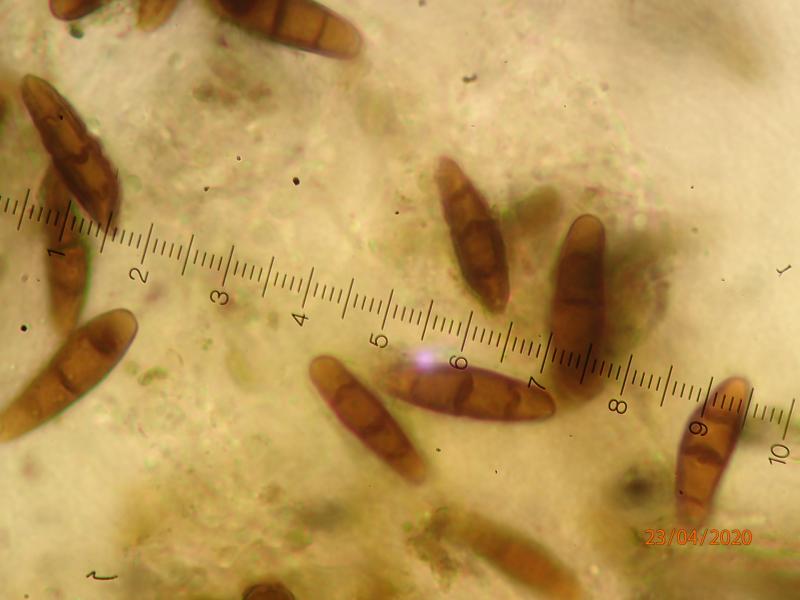

Hi Edvin,
To my mind, it's definitively not H. pulicare.
H. angustatum is considered to be the most widespread species, in a variety of substrates (including Picea). But your collection, which I would link to H. angustatum, is still atypical. Perhaps a serious study would be necessary to better understand what H. angustatum really is.
Getting molecular data could be an excellent idea, as an anticipation.
Alain