09-04-2026 15:25
Jac GelderblomOn bare soil between mosses Ifound an asco I deter
09-04-2026 13:55
Thomas Læssøehttps://svampe.databasen.org/observations/10589176
09-04-2026 10:12
Thomas Læssøehttps://svampe.databasen.org/observations/10587061
08-04-2026 20:33
 Vasileios Kaounas
Found 07-04-26, in Abies cephalonica. Diameter 1,
08-04-2026 10:39
FRANCIS FOUCHIERBonjour , je recherche en pdf cet article: KORF R

06-04-2026 21:36
 Viktorie Halasu
Hello, could anyone please send me the article wi
06-04-2026 19:40
 David Gibbs
Help with this one much appreciated, on rotting Fa
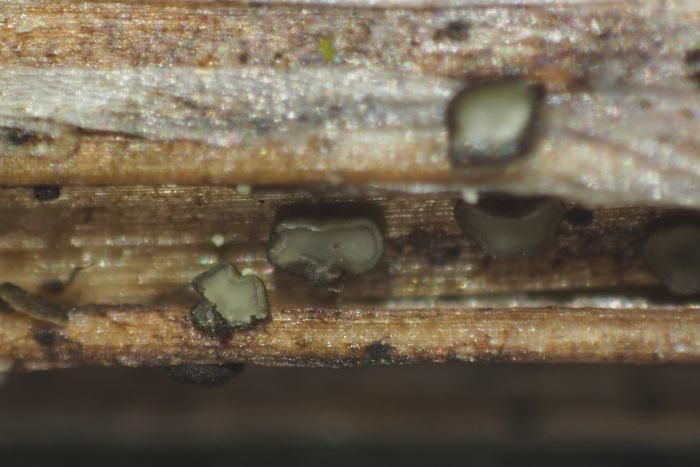
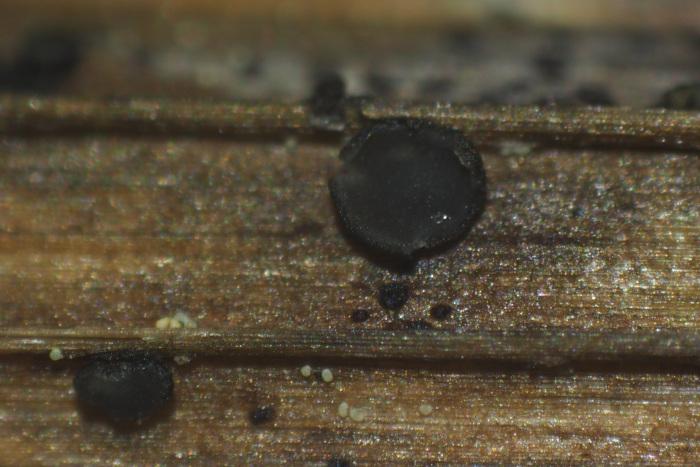
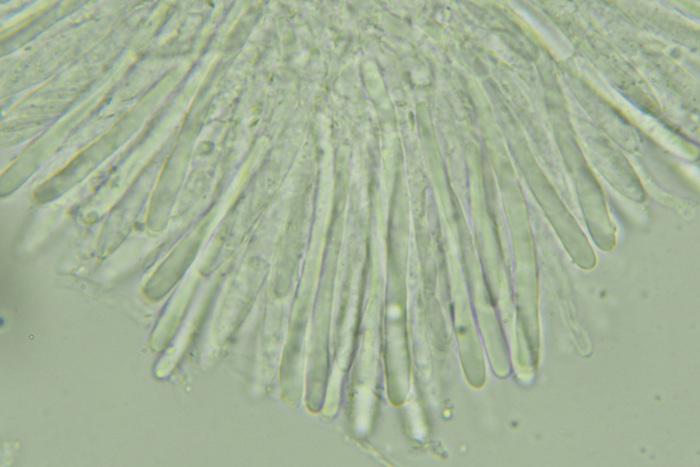
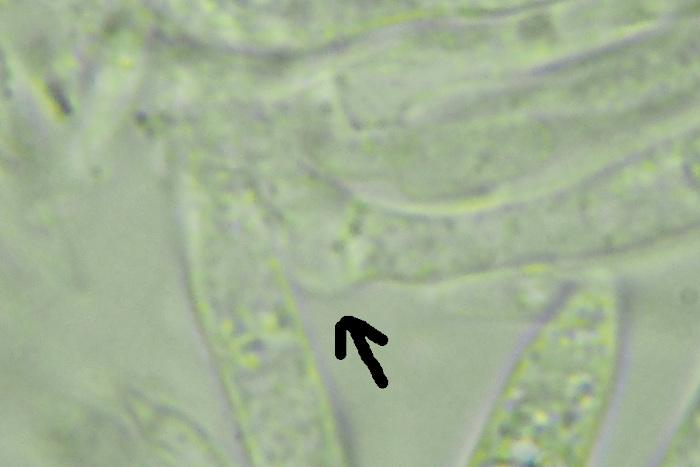
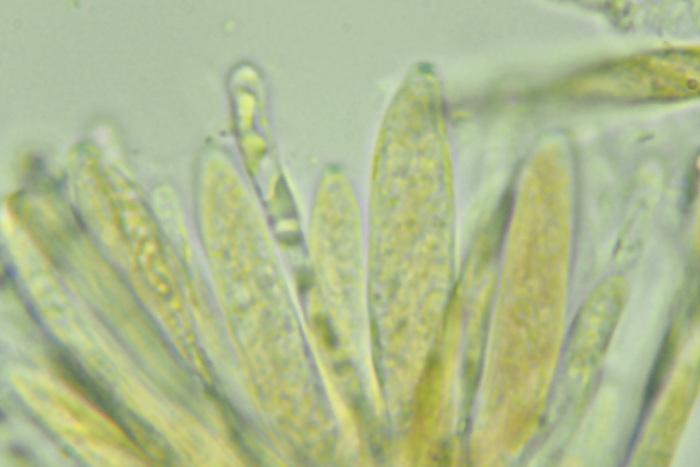
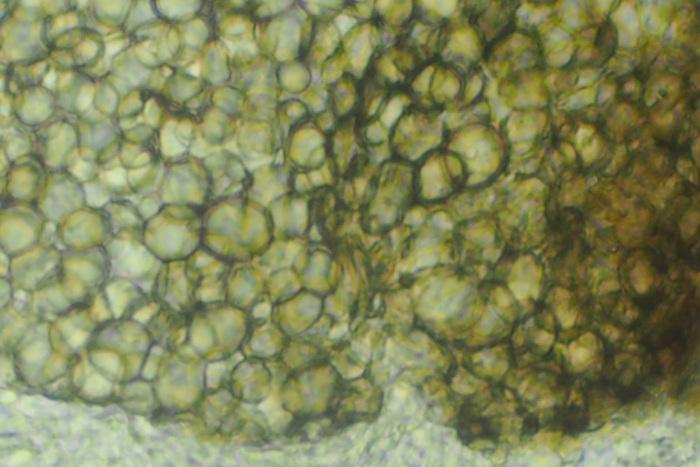
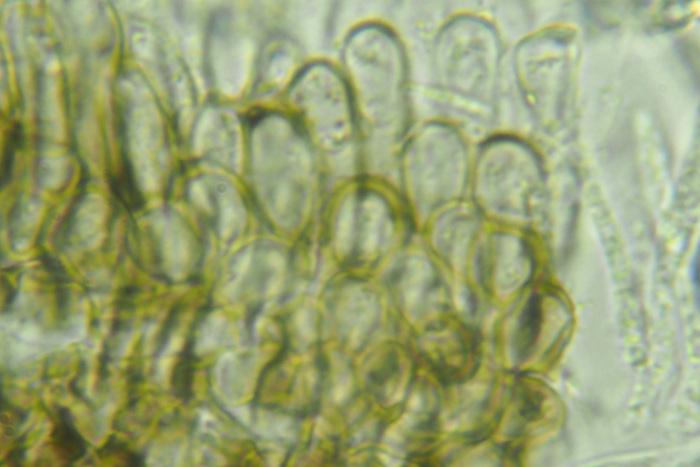
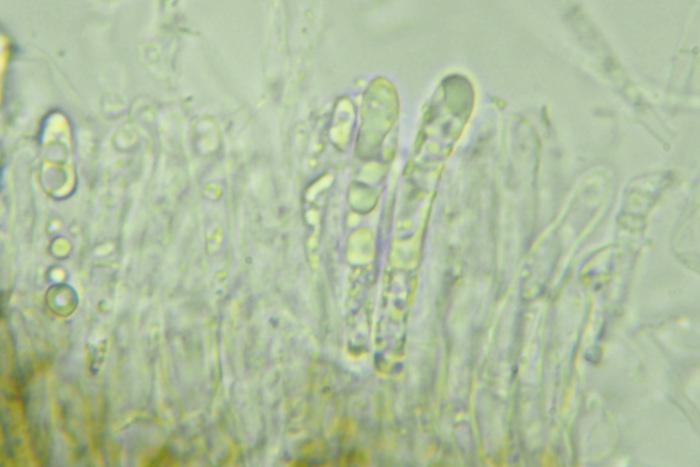
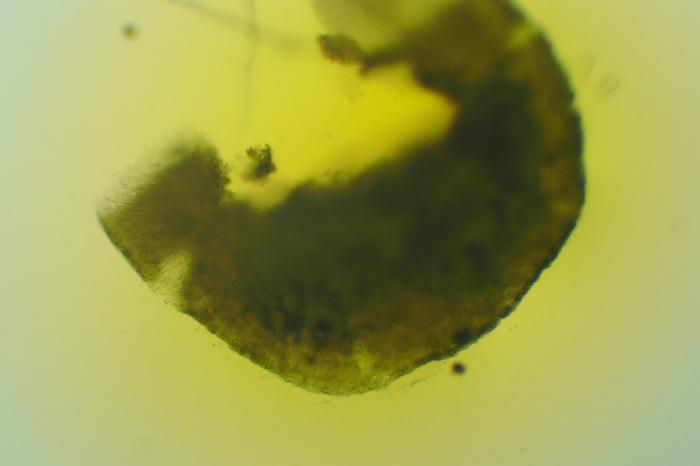
This one was growing on a dead Polygonatum odoratum stem. There were both pale and black apos on the same stem and I think both are of the same species. The dark one's spores were slightly narrower and the oil content seemed to be a bit higher but no big difference. Both gave a vivid yellow KOH reaction.
In Gminder's key there's M. polygoni with a negative KOH reaction and M. ?polygoni with a clearly yellow reaction.
Pyrenopeziza polygoni is apparently a synonym but wouldn't the VBs and yellow reaction speak for Mollisia? That is, if this is that species. Any thoughts?
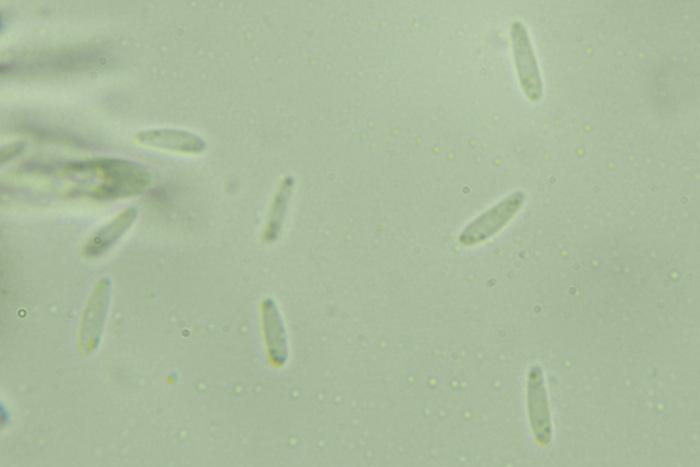
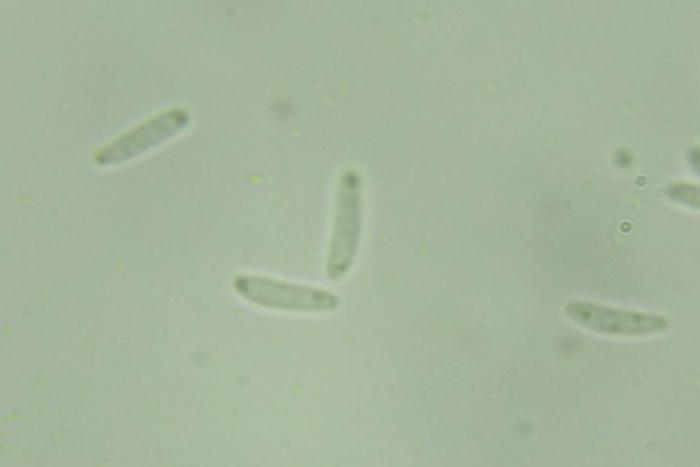
Spore measurements:
(7.6) 7.8 - 9.3 (9.7) × (2.1) 2.2 - 2.4 (2.6) µm
Q = (3.4) 3.43 - 4.2 (4.4) ; N = 15
Me = 8.7 × 2.3 µm ; Qe = 3.9