
09-04-2026 15:25
Jac GelderblomOn bare soil between mosses Ifound an asco I deter
09-04-2026 13:55
Thomas Læssøehttps://svampe.databasen.org/observations/10589176
09-04-2026 10:12
Thomas Læssøehttps://svampe.databasen.org/observations/10587061
08-04-2026 20:33
 Vasileios Kaounas
Found 07-04-26, in Abies cephalonica. Diameter 1,
08-04-2026 10:39
FRANCIS FOUCHIERBonjour , je recherche en pdf cet article: KORF R

06-04-2026 21:36
 Viktorie Halasu
Hello, could anyone please send me the article wi
06-04-2026 19:40
 David Gibbs
Help with this one much appreciated, on rotting Fa
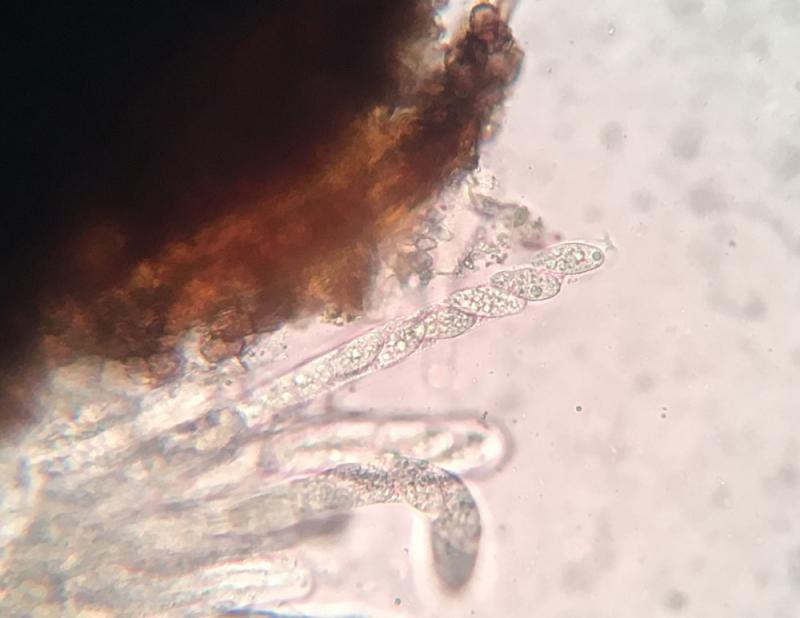
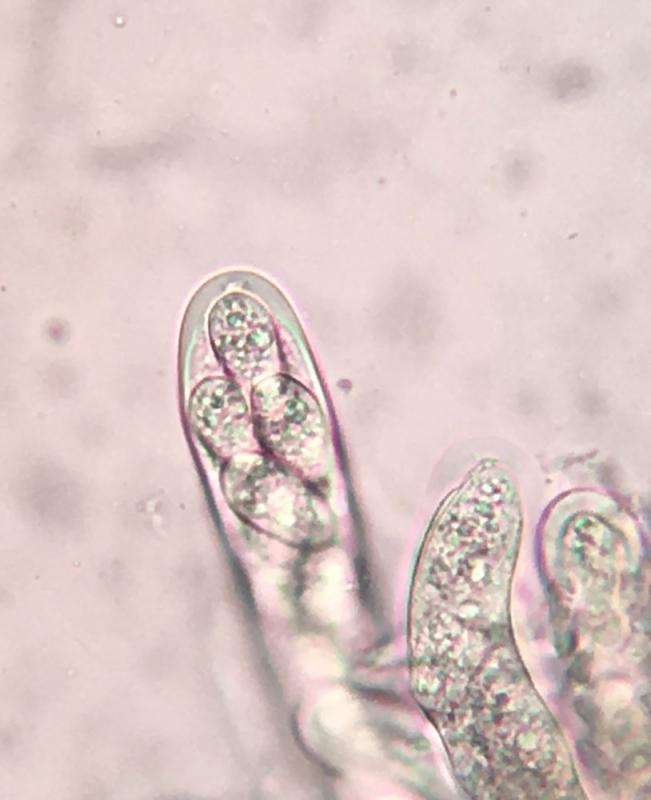
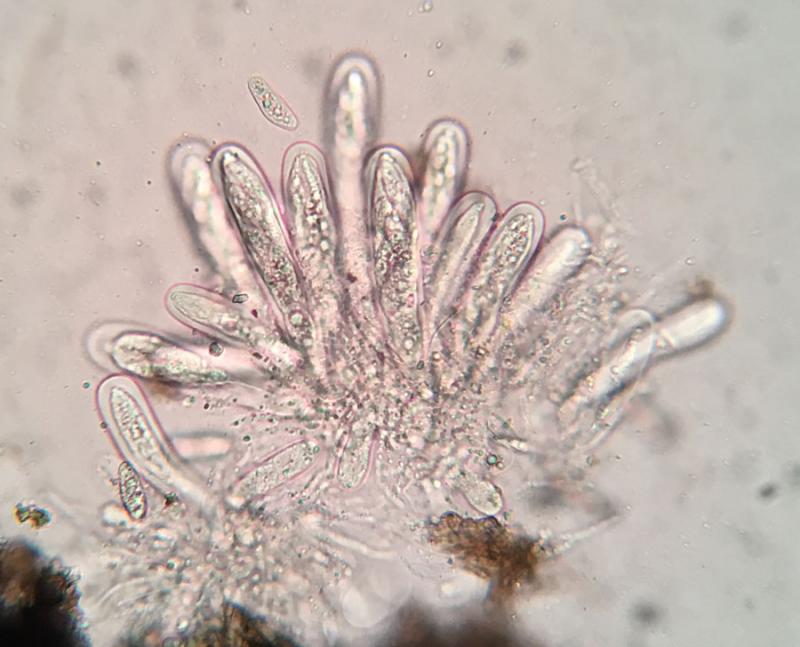
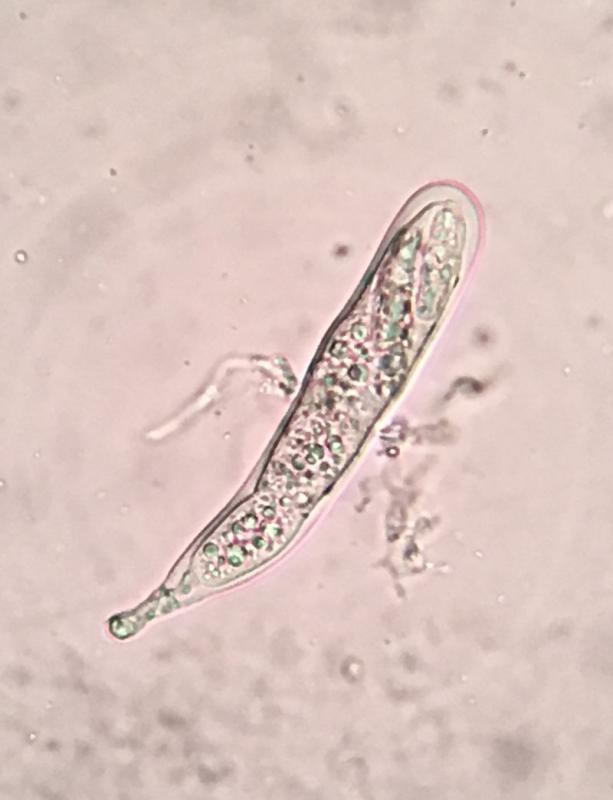
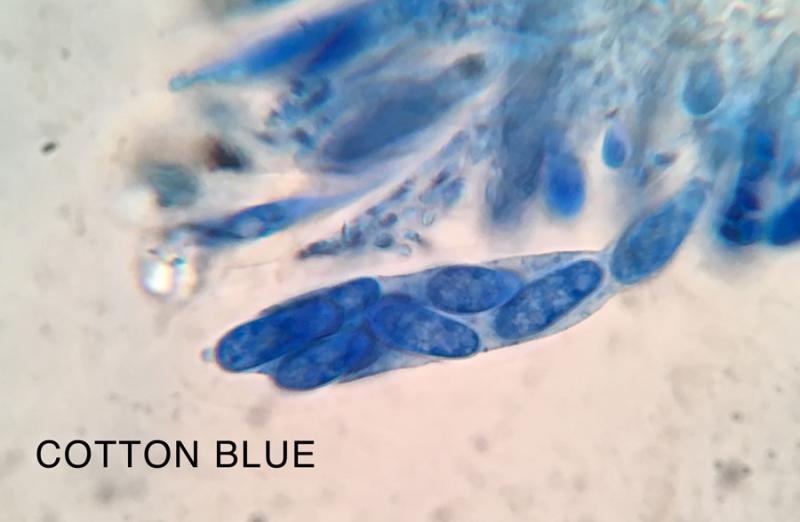
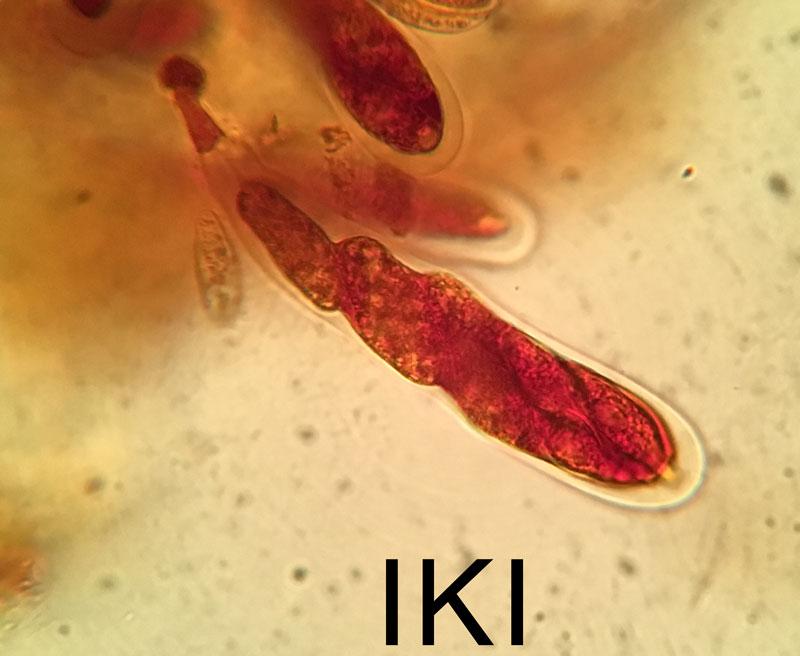
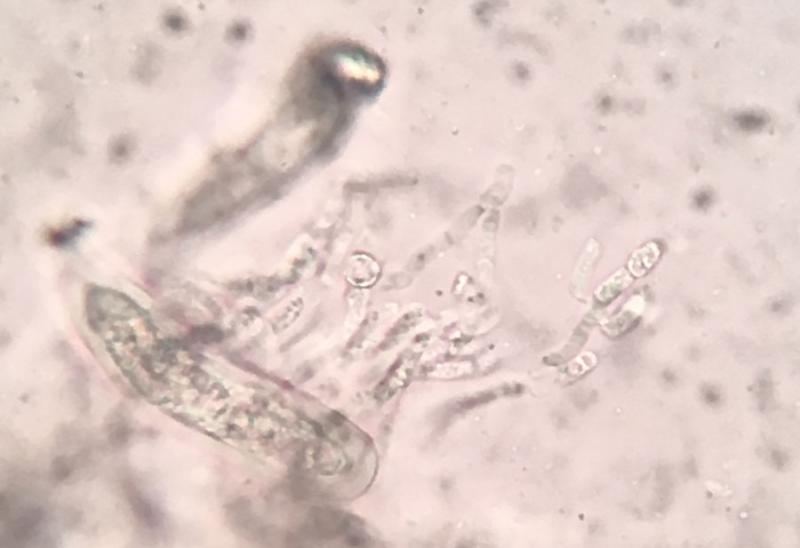
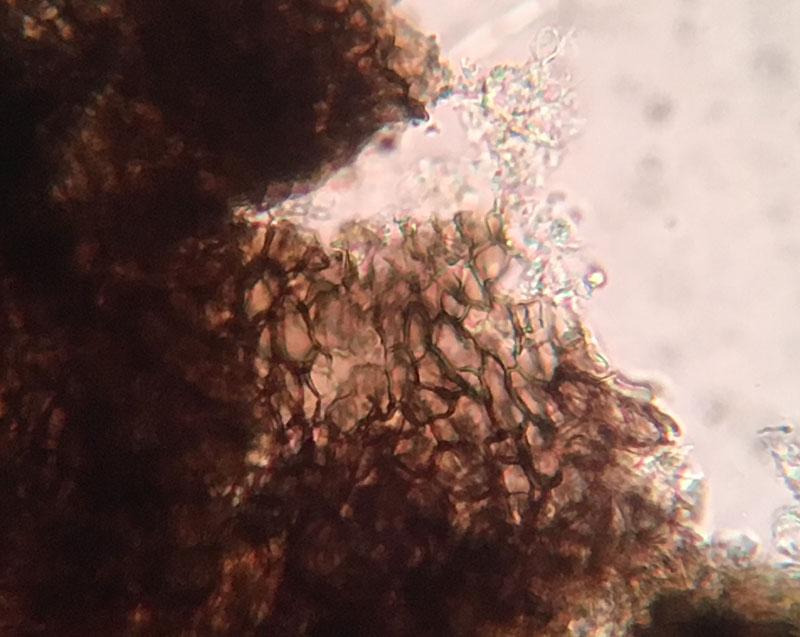
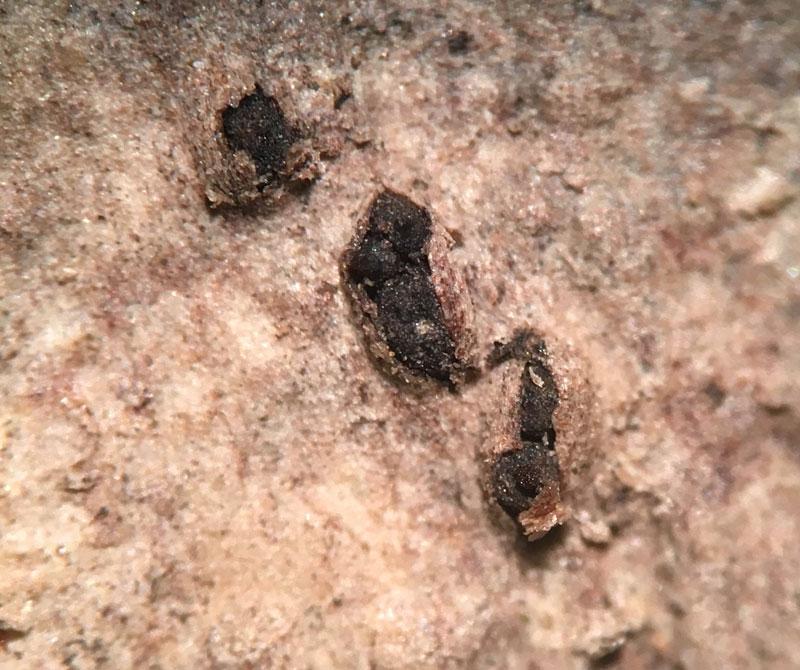
I have a difficult situation with this pyreno from the Northeastern US. It's a Dothideomycete, bitunicate, the asci developing in white locules in a black stroma that is erumpent through the substrate, the bark of Gray Birch, Betula populifolia.
Asci: clavate, bitunicate, 102-187 x 17.5-22.5µm.
Ascospores: unicellular, hyaline, many guttules, broadly ellipsoid, 20-24 x 8-10.5µm.
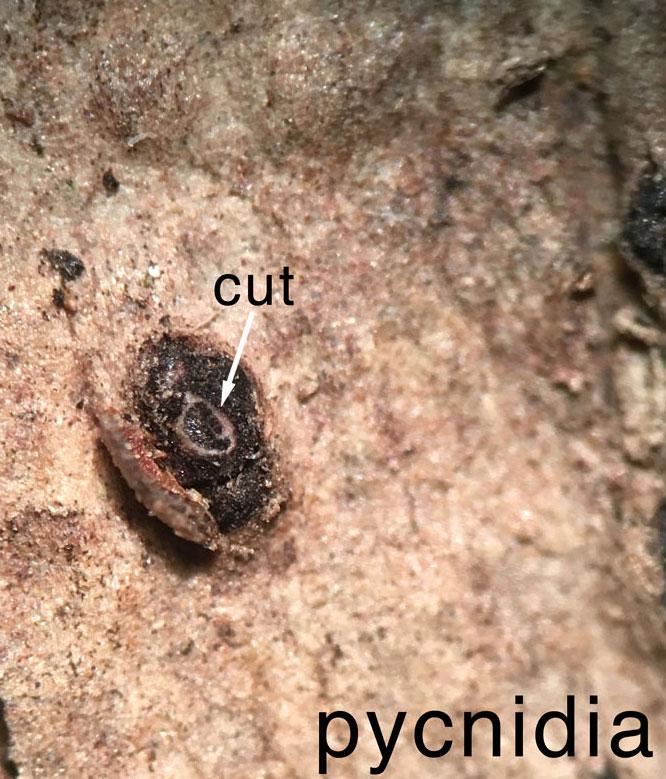
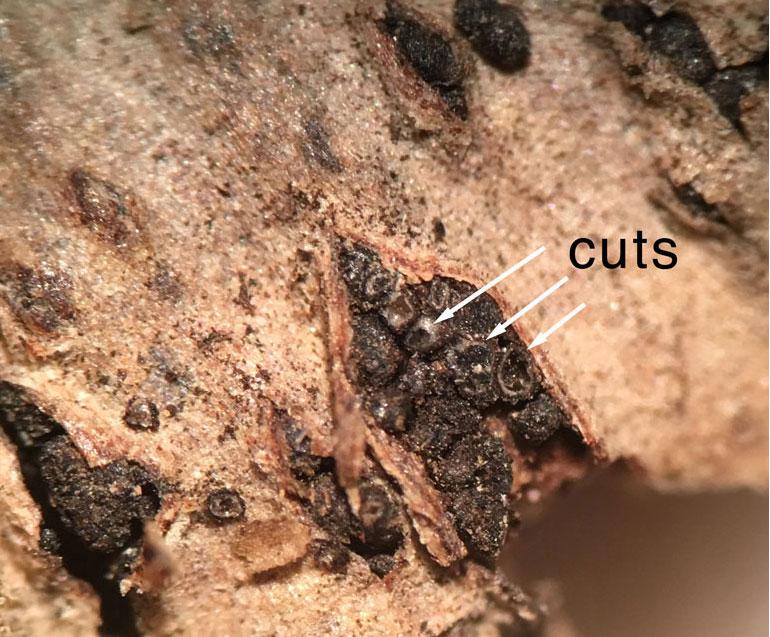
I also found in pycnidia on the same bark nearby. Also black and erumpent, but with locules that are dark at the center. The pycnidia contain brown conidia that are finely warted. They measure about 17.5-26 x 9-12µm. I am uncertain if the pycnidia are the asexual stage of the asco I described first.
I have indicated on the photos when they depict the pycnidia.
Perhaps someone can take a look and let me know. Is this Botryosphaeria, or Diplodia or something else?
Thank you in advance,
Ethan
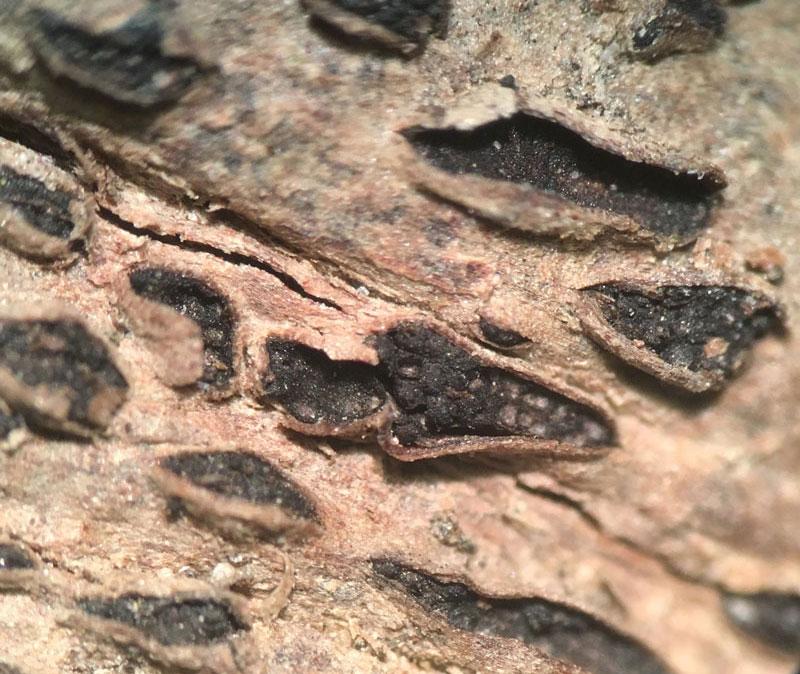
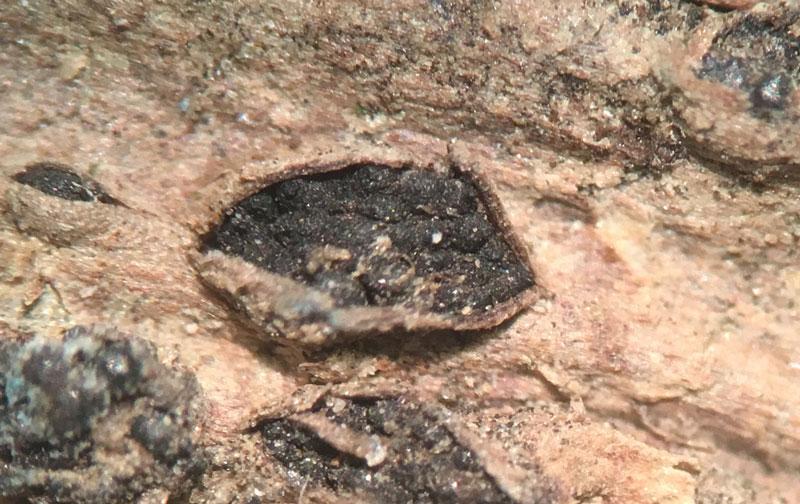
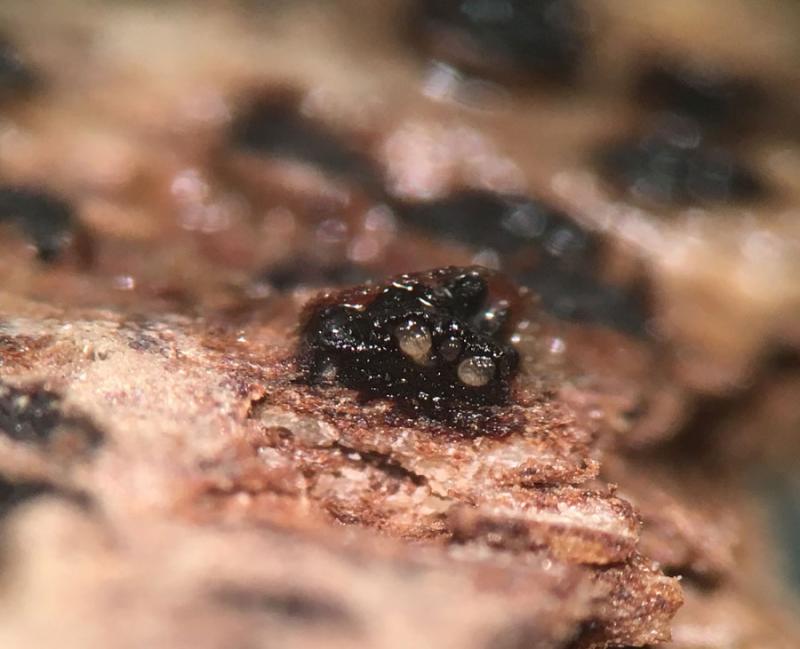
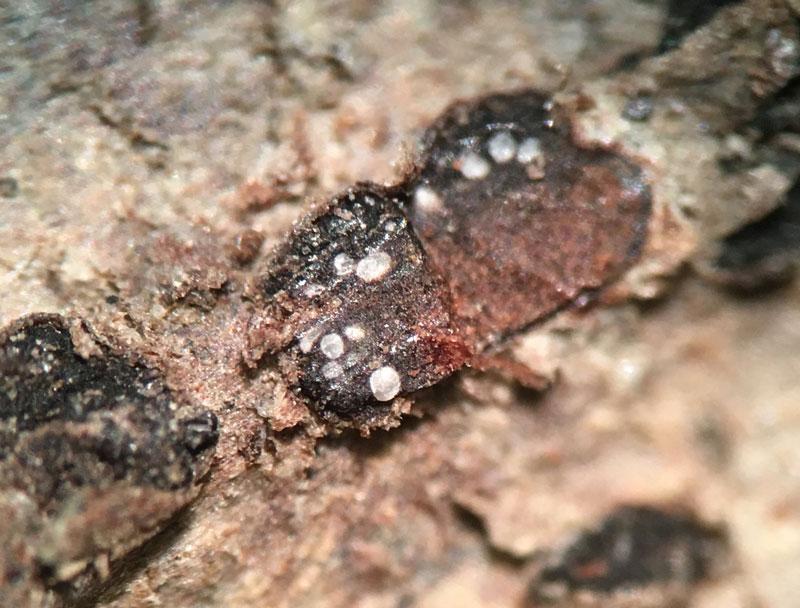
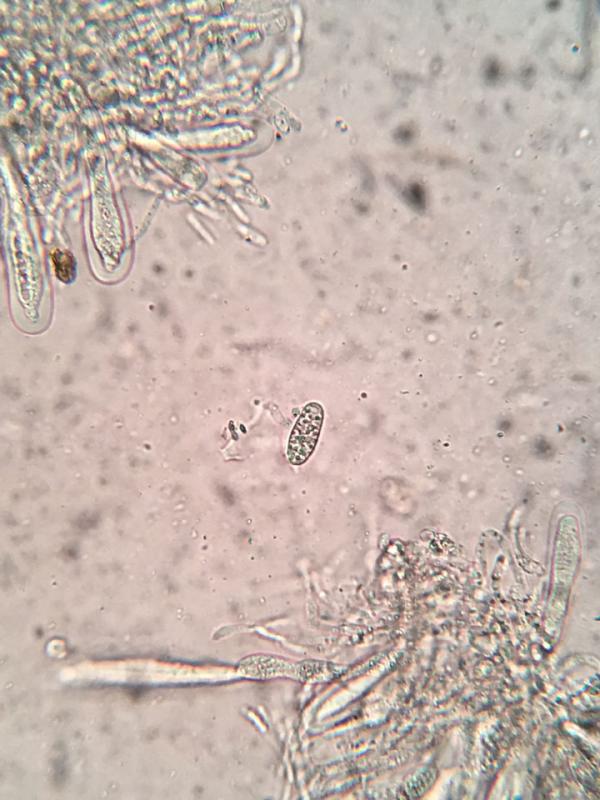
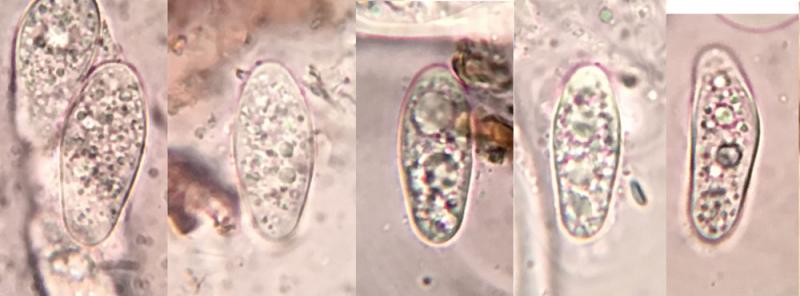
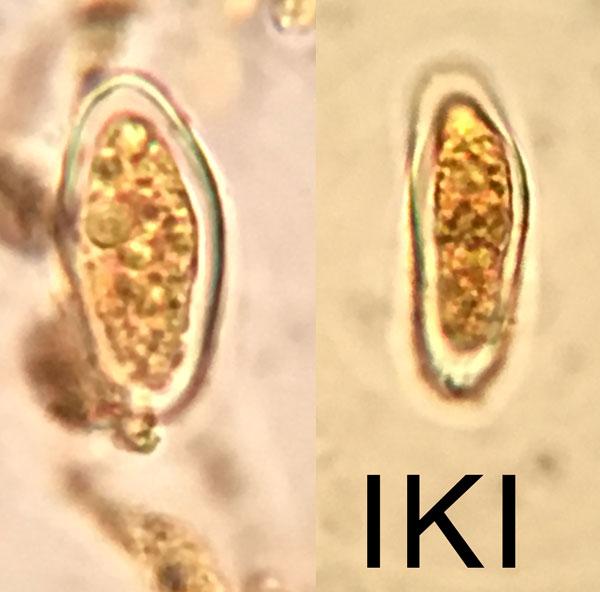
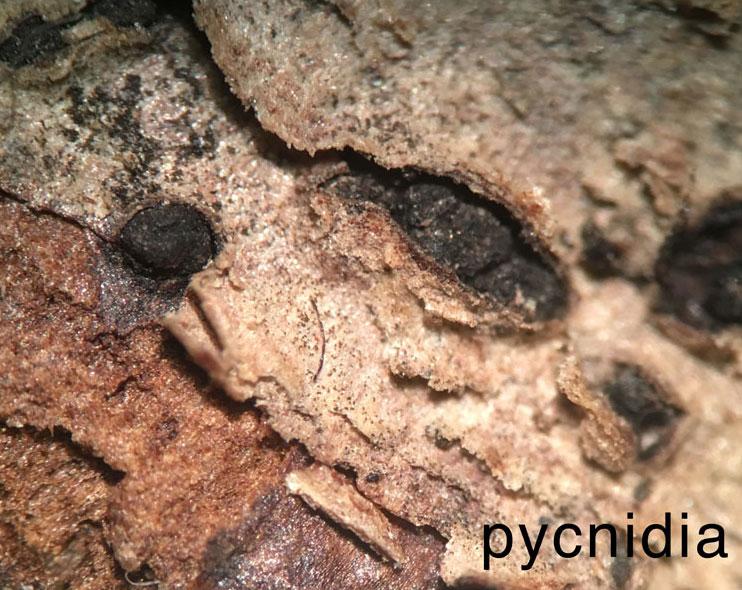
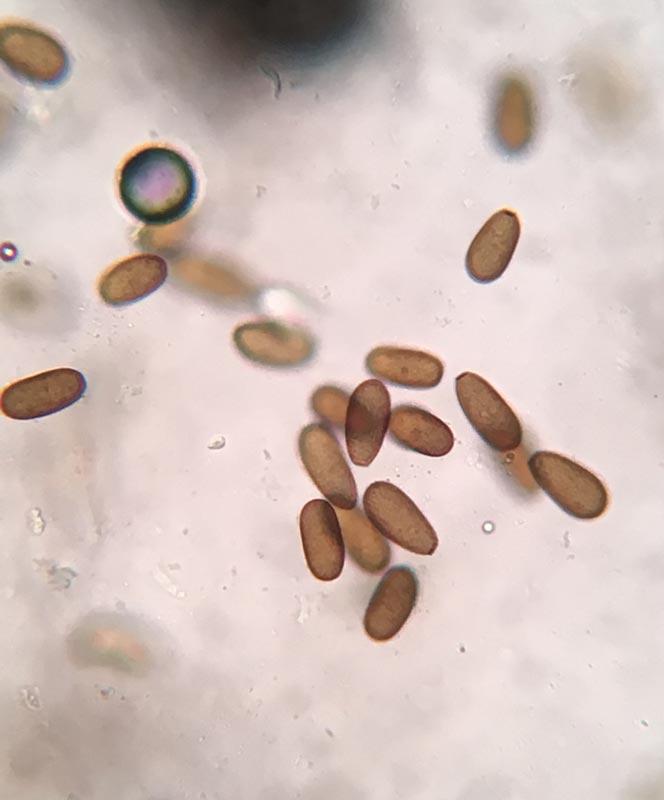
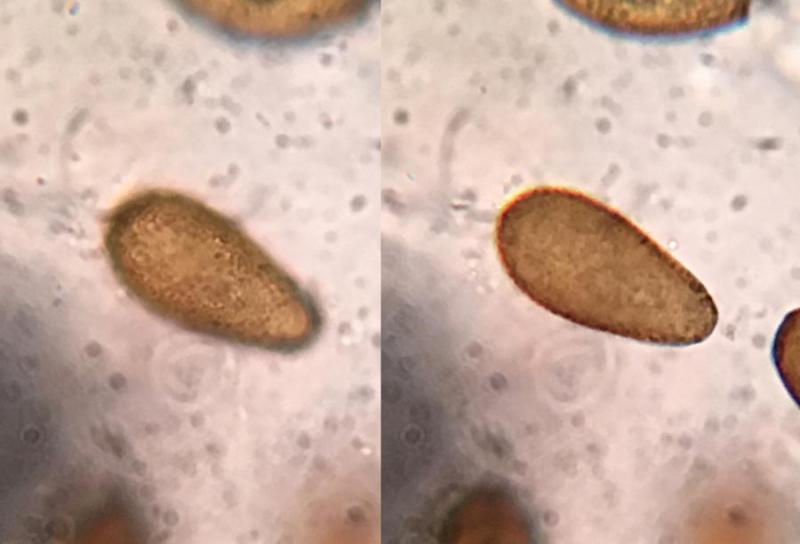
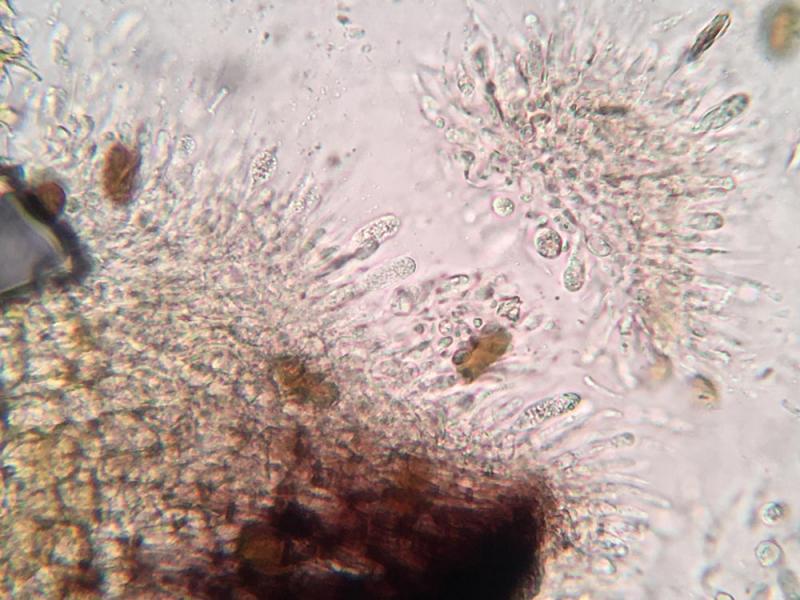
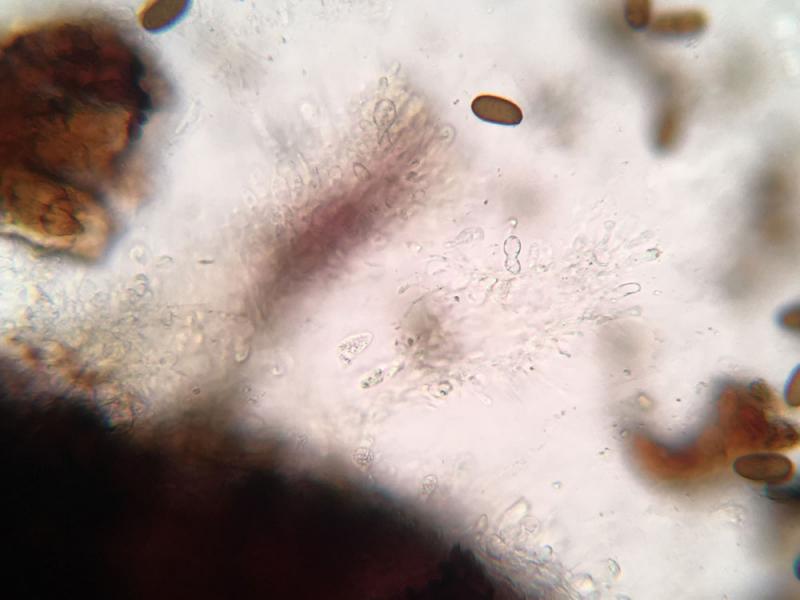

due to the morphology and the size of the conidia I think it is Diplodia seriata, the sexual form I cannot assure it is from D. seriata
.Best wishes
Angel
I think you have Botryosphaeria with your teleomorph, the white locales when cut, the large spores, thick bitunicate asci, and the “nipple” at the apex of the ascus takes the cake. Since diploidia is an anamorph of bot, it’s possible you have both sexual and asexual fruiting. I see B. dothidea in the northeast often on woodies.
Devin
Best wishes
Angel