10-04-2026 15:51
 William Slosse
Hello everyone, On 08/04/26, I found a growth sit
09-04-2026 15:25
Jac GelderblomOn bare soil between mosses Ifound an asco I deter
09-04-2026 13:55
Thomas Læssøehttps://svampe.databasen.org/observations/10589176
09-04-2026 10:12
Thomas Læssøehttps://svampe.databasen.org/observations/10587061
08-04-2026 20:33
 Vasileios Kaounas
Found 07-04-26, in Abies cephalonica. Diameter 1,
08-04-2026 10:39
FRANCIS FOUCHIERBonjour , je recherche en pdf cet article: KORF R

06-04-2026 21:36
 Viktorie Halasu
Hello, could anyone please send me the article wi
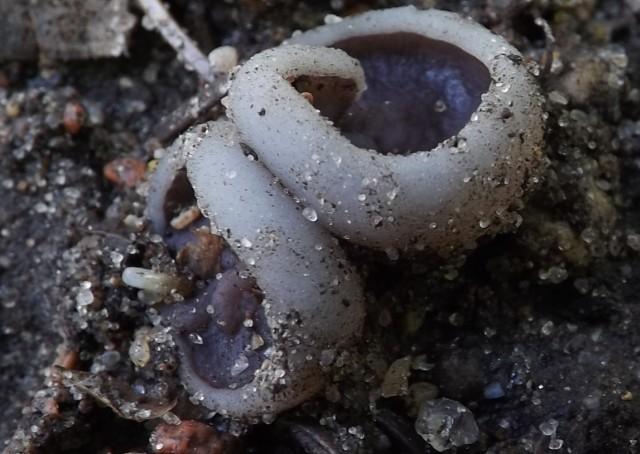
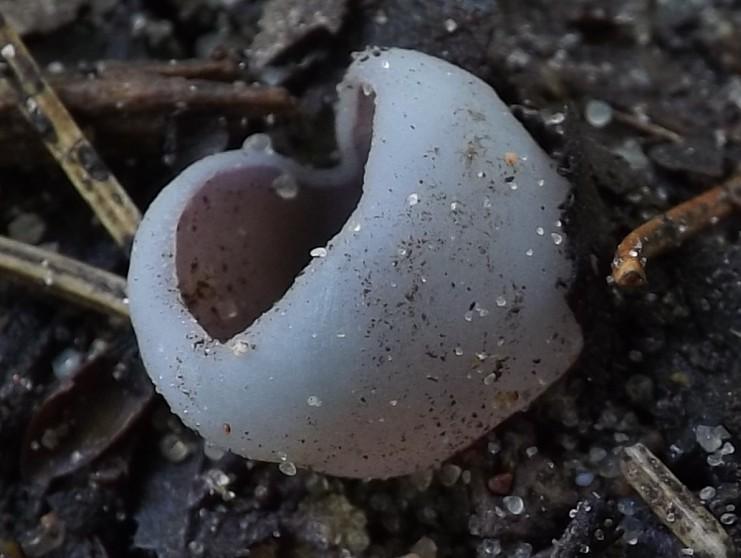
Hello everyone and I am asking you for advice!
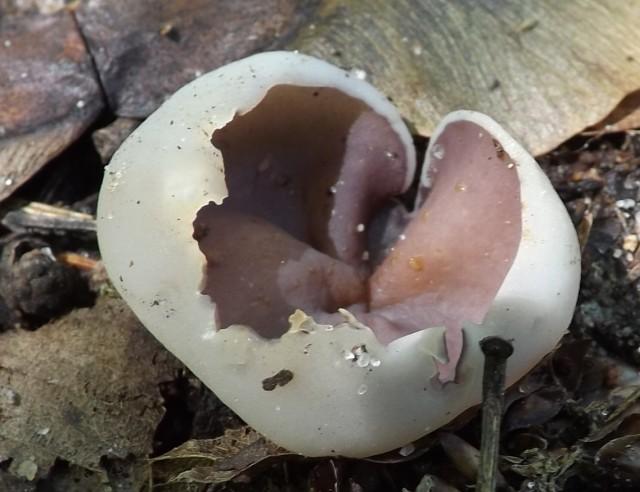
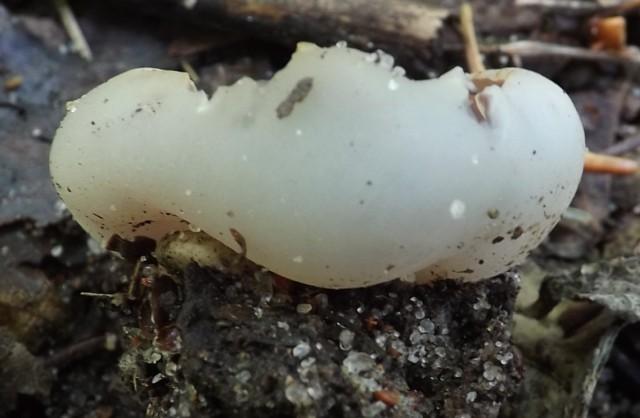
A few days ago I found her but I didn't microscope until yesterday because she was immature.
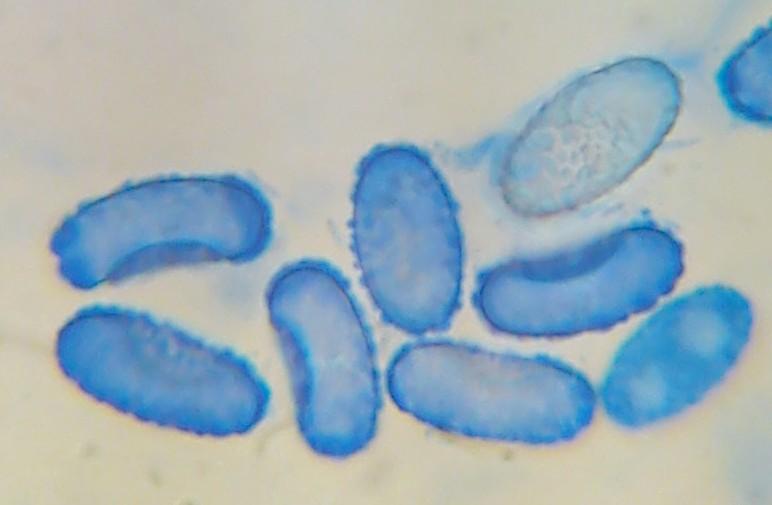
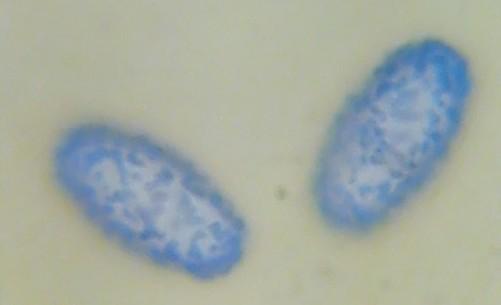
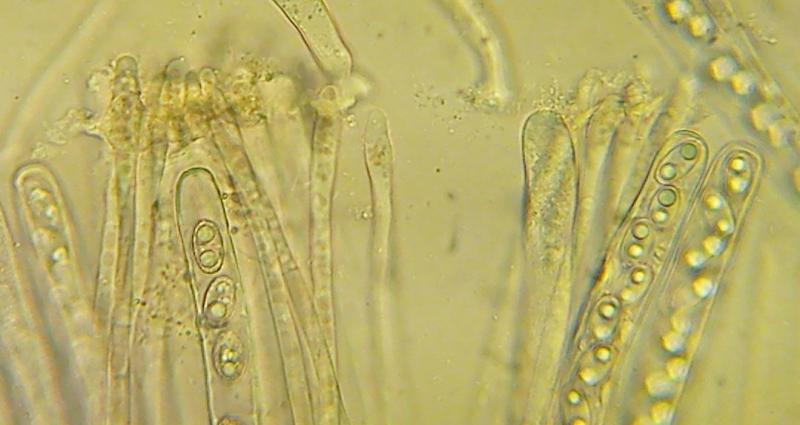
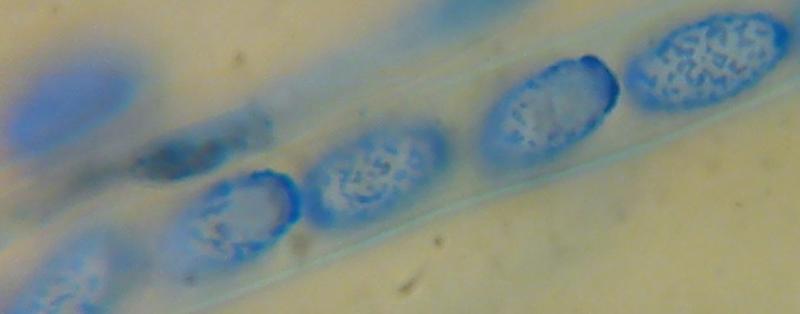
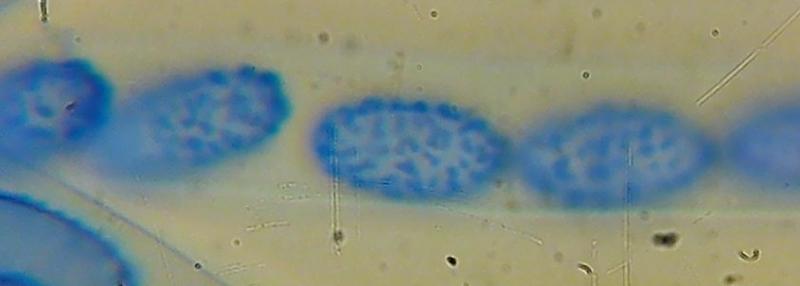
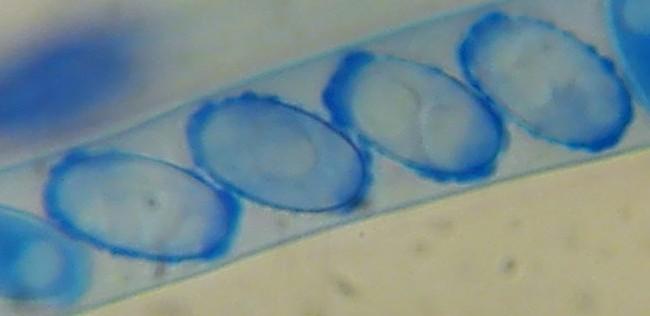
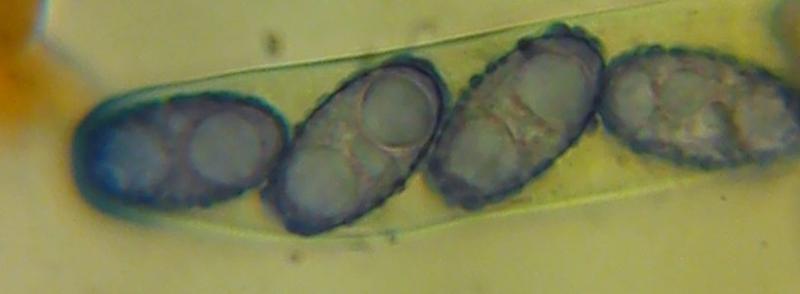
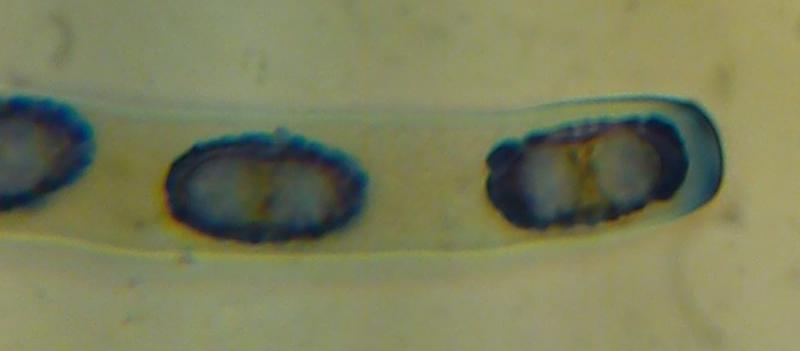
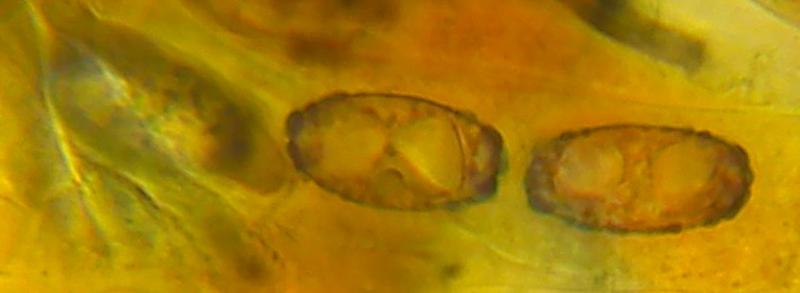
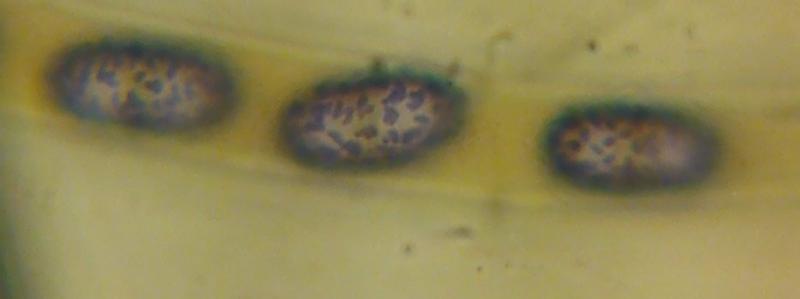
In fact, she is still poorly mature but I decided to take the first pictures. I did not do print spores but for measurement I chose spores with a clear ornamentation that is the most mature. The sporocarps continue to grow to produce well-ripe spores.
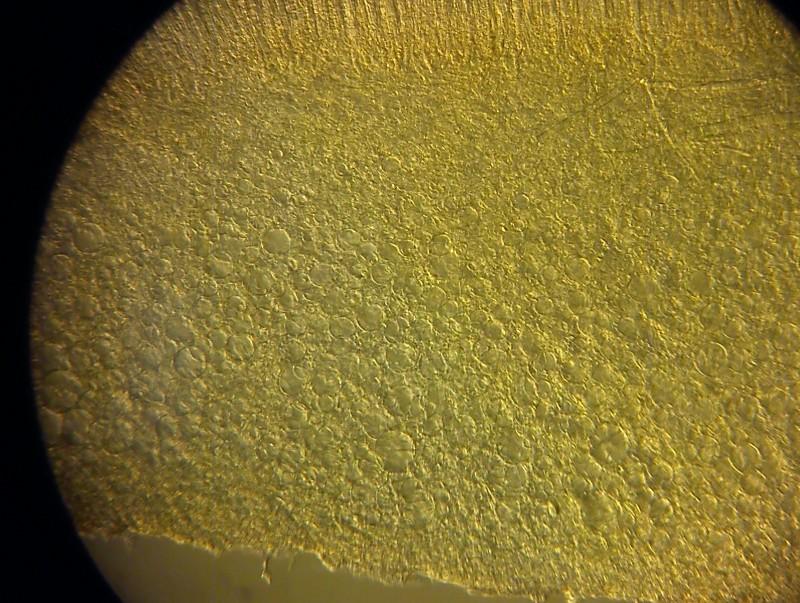
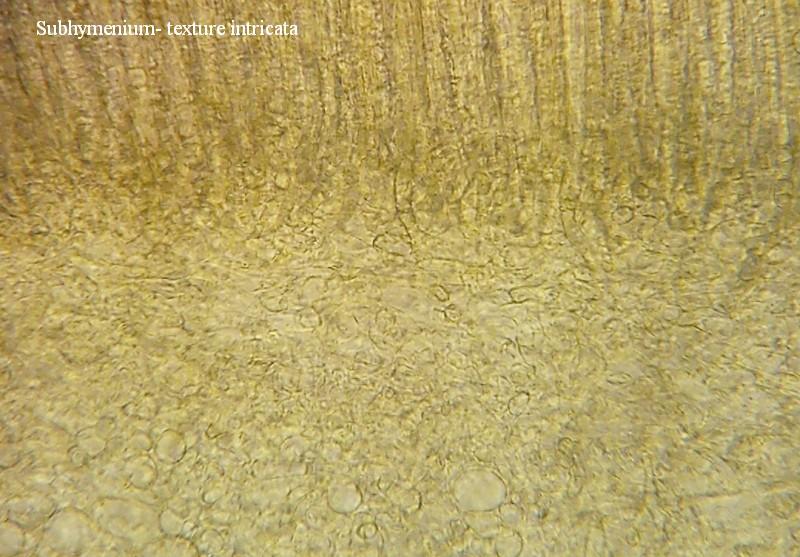
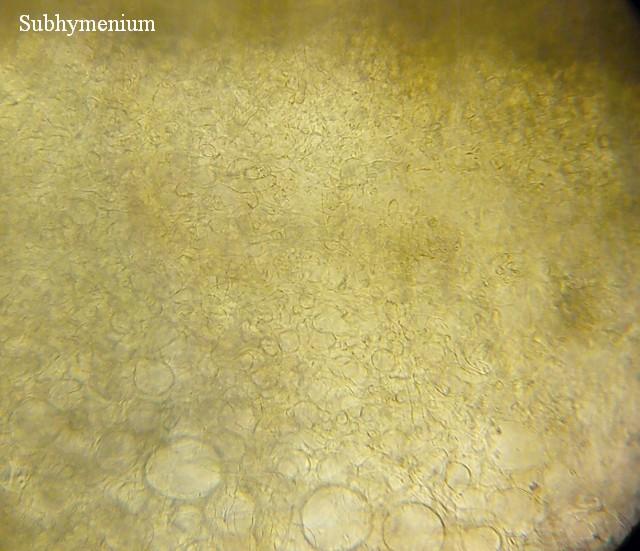
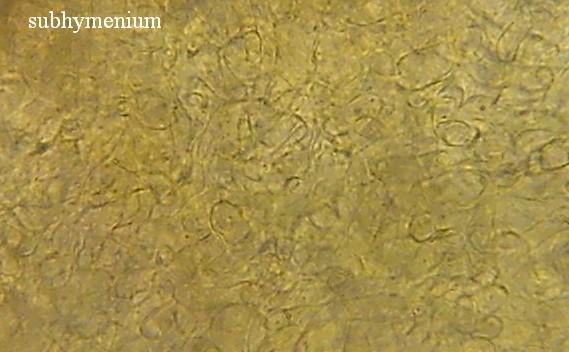
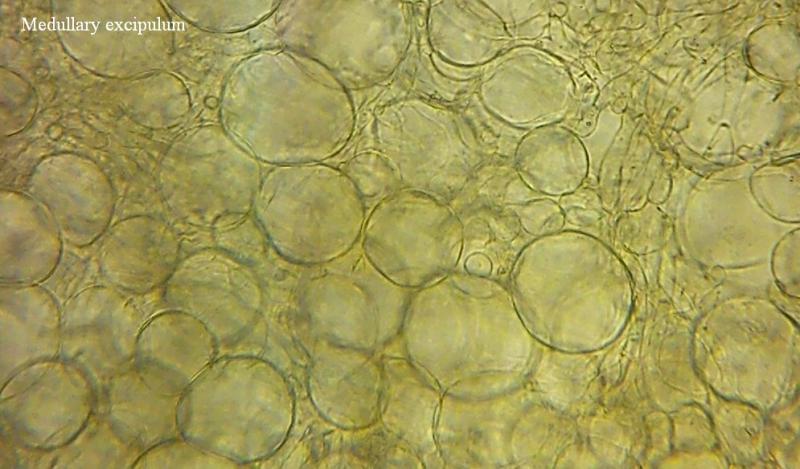
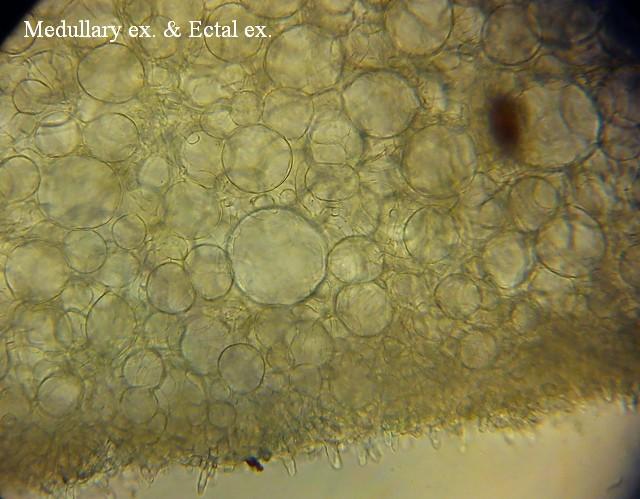
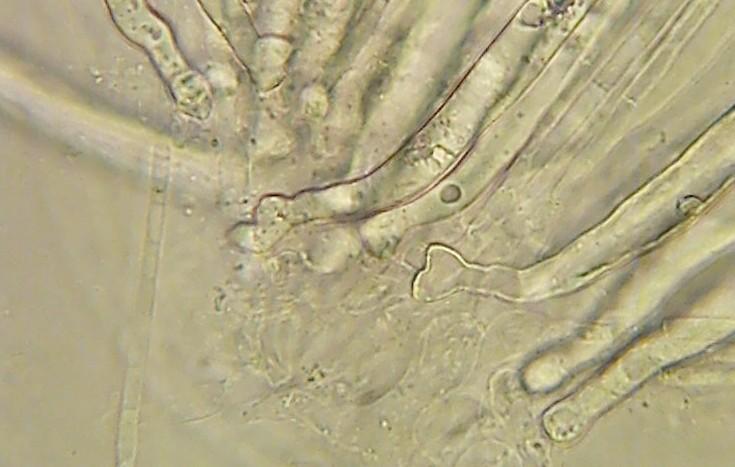
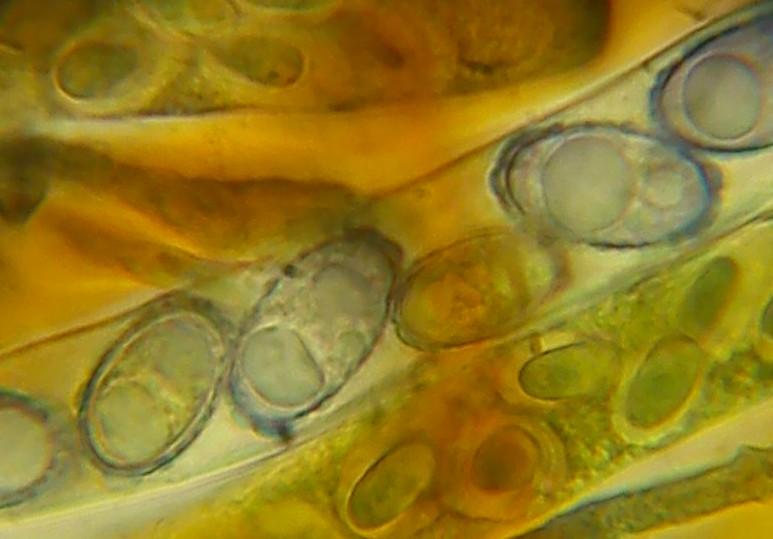
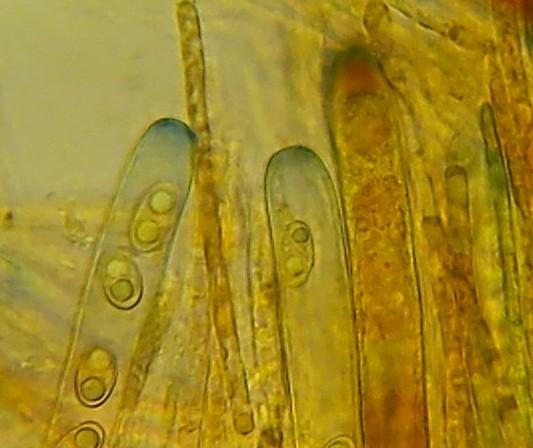
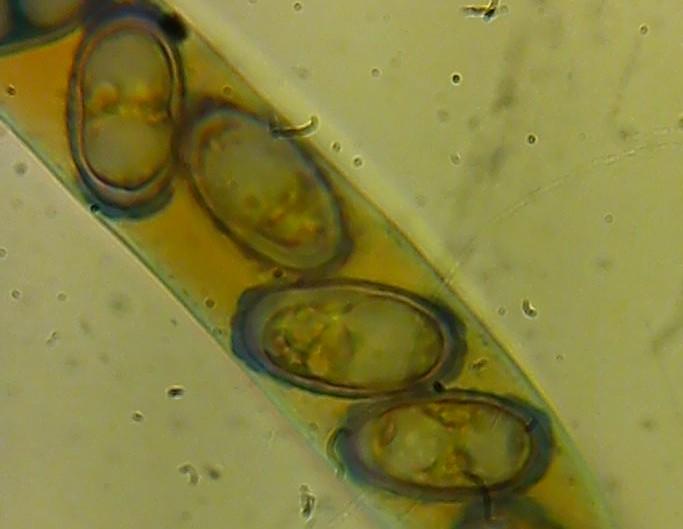
In principle, everything can be seen in the pictures but I will add a few details.
Yellowish contents appear in paraphyses, but also in some places on the tops of paraphyses, there is also an external pigment.
At Peziza I always have problems with the definition of croziers so I only present a picture and I leave the decision to you.
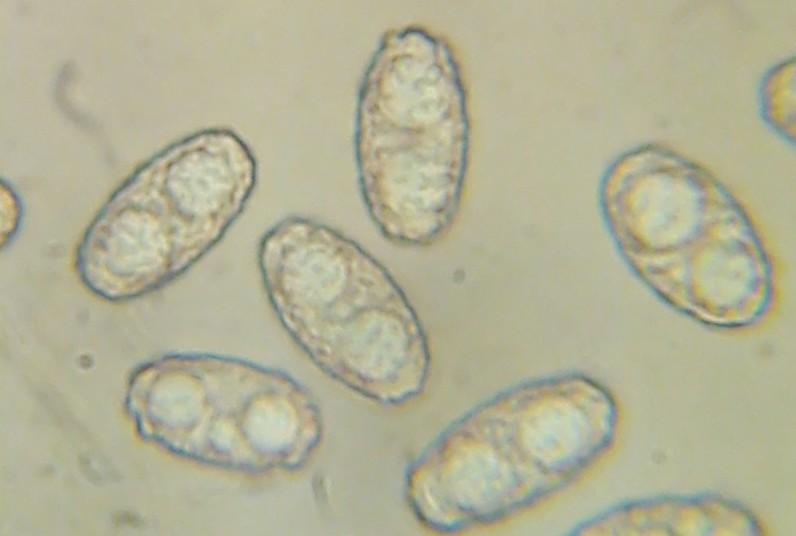
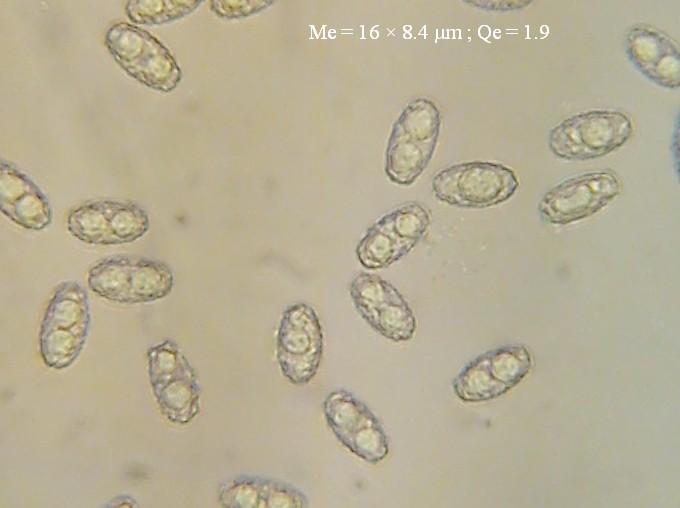
Spores mostly with two equal, large drops.
(13.5) 14.1 - 17 (17.4) × (7.5) 7.9 - 9.4 (9.7) µm
Q = (1.6) 1.7 - 1.9 (2); N = 24
Me = 15.5 × 8.6 µm; Qe = 1.8
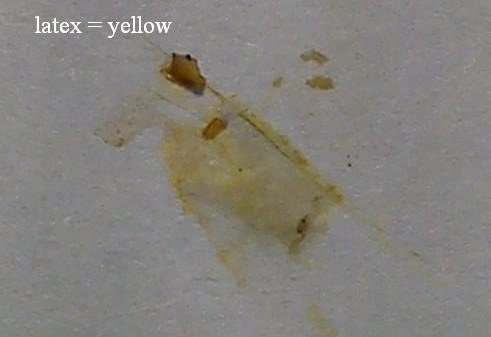
The microscopic features very similar to P. michelii/succosella/succosa, but both macro and high density of ornamentation on the spore poles do not suit me very much to this species. I look forward to your greater experience in this topic. Thank you in advance for any help.
best regards
Mirek
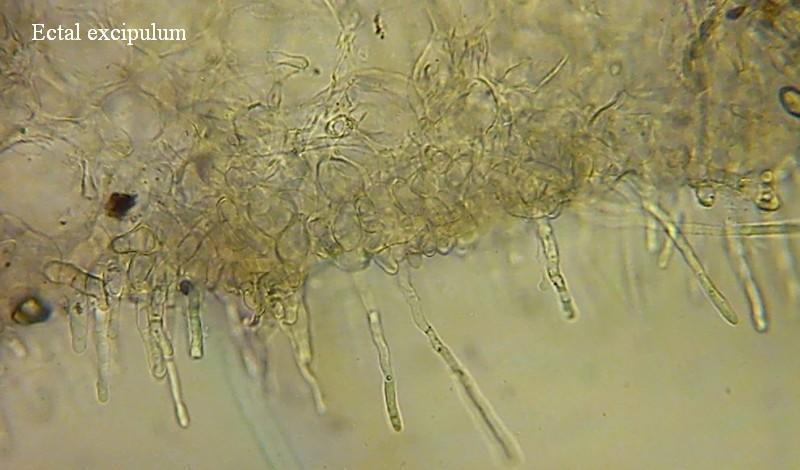
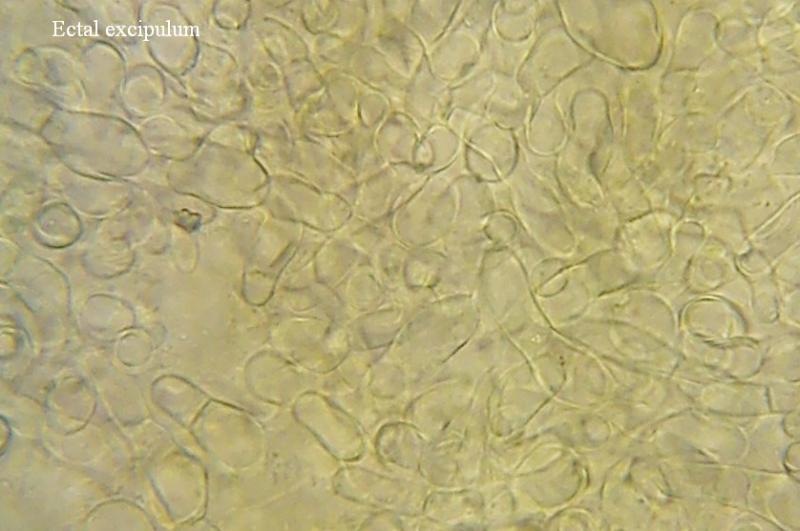
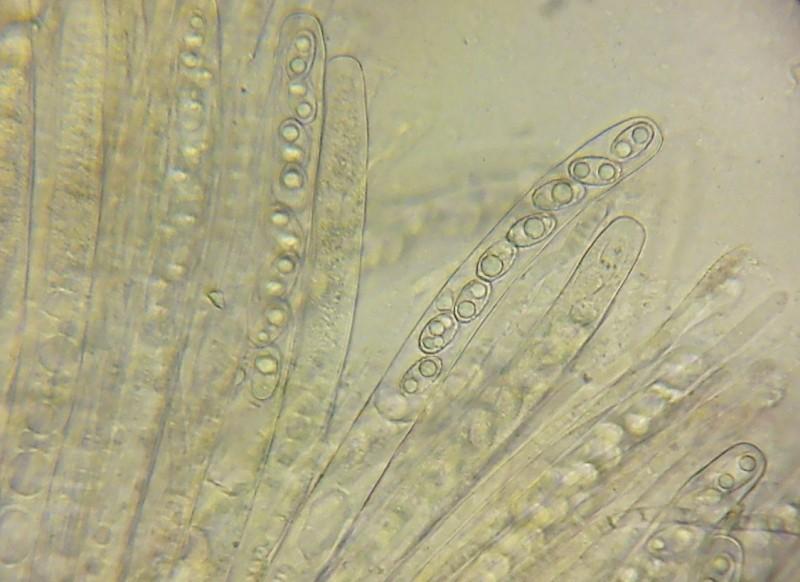
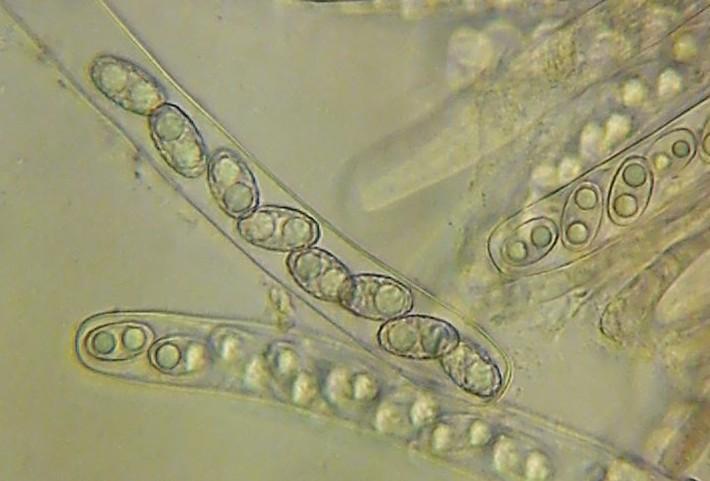


Interesting but the specimens seem immature, so I think better waiting for a spore print to evaluate correctly the ornamentation.
Nicolas, that's why I grow a fruiting body :)
I left a few in the forest!
Sergey, thank you for reminding us about Lathraea sp. :)
I was supposed to write about it to Nicolas on the occasion of sending Peziza cf. howsei. I forgot, but since you reminded me, I take this opportunity:
Nicolas, the collections that I sent you and marked, Puszcza Knyszynska - Czolnowo, grew right next to Lathraea sp.
However, this is not the same genre that I present in this thread! The ornamentation of those is completely different.
Mirek
The fruiting bodies are already fully ripe. Further breeding threatens to spoil.
I visited the fruiting area again and took fresh fruiting bodies as well.
I did a spores print.
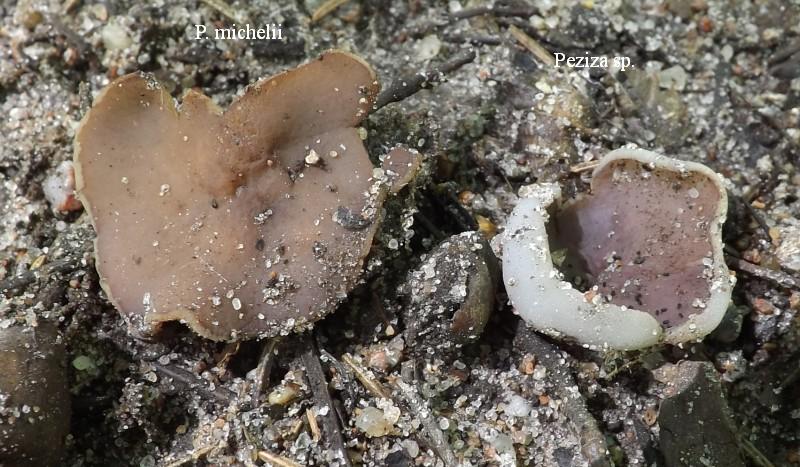
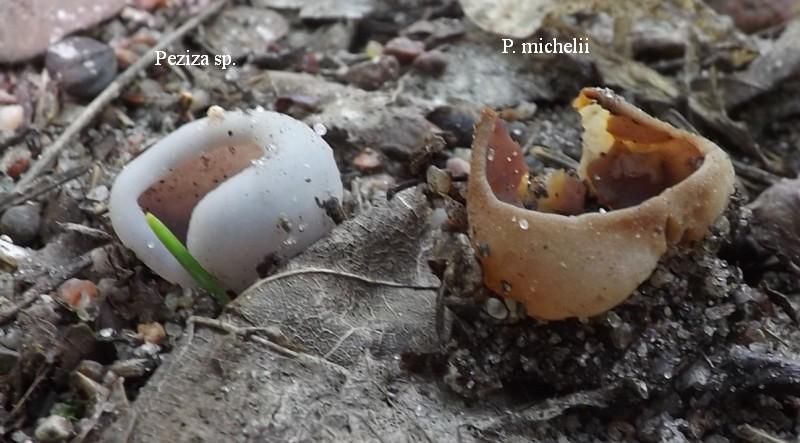
However, I come to the conclusion that it is some kind of albinistic form of P. michelli. All the features fit this genre perfectly. The only thing that is missing is the yellow pigment that colors the outer surface. Some of the spores do have somewhat unusual embellishments on the poles. However, compared to the total number of spores, these are very small. Therefore, I cannot consider it a permanent feature. Most of the spores have an ornamentation typical of P. michelii. In this case, only because of the lack of the typical coloration, I can consider it Peziza cf. michelii.
Of course, I have fruiting bodies and if someone is interested in making a sequence and comparing with P. michelii, I would like to share the fruiting bodies.
I would like to thank everyone for participating in the discussion.
I present a few comparative photos of P. michelii that are present in mass in this area and photos of free spores.
Mirek