
10-04-2026 15:51
 William Slosse
Hello everyone, On 08/04/26, I found a growth sit
09-04-2026 15:25
Jac GelderblomOn bare soil between mosses Ifound an asco I deter
09-04-2026 13:55
Thomas Læssøehttps://svampe.databasen.org/observations/10589176
09-04-2026 10:12
Thomas Læssøehttps://svampe.databasen.org/observations/10587061
08-04-2026 20:33
 Vasileios Kaounas
Found 07-04-26, in Abies cephalonica. Diameter 1,
08-04-2026 10:39
FRANCIS FOUCHIERBonjour , je recherche en pdf cet article: KORF R

06-04-2026 21:36
 Viktorie Halasu
Hello, could anyone please send me the article wi
Uni- or bitunicate? On Ulmus glabra bark.
Edvin Johannesen,
26-07-2020 21:59

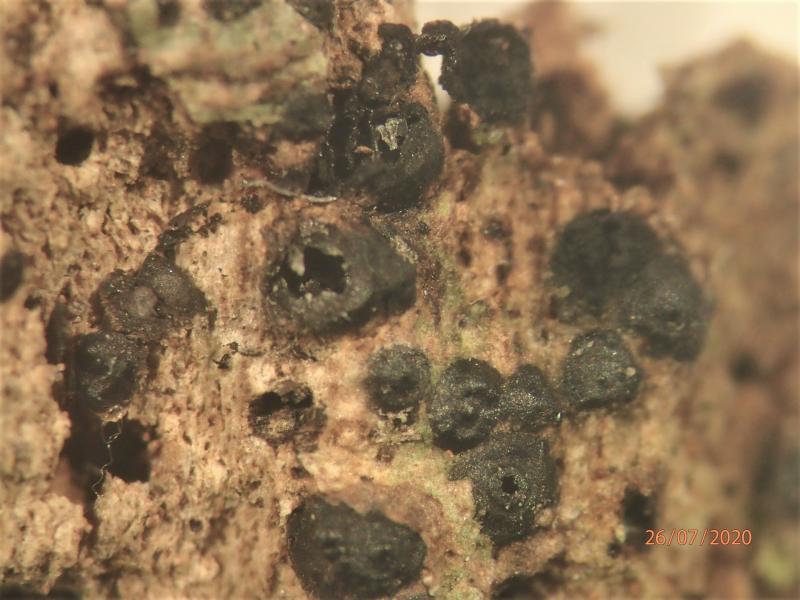
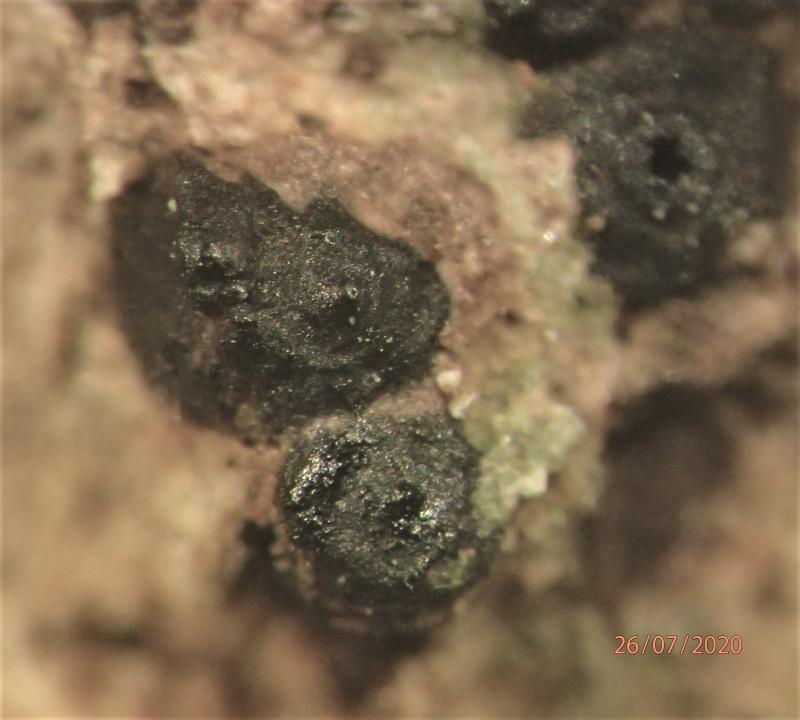
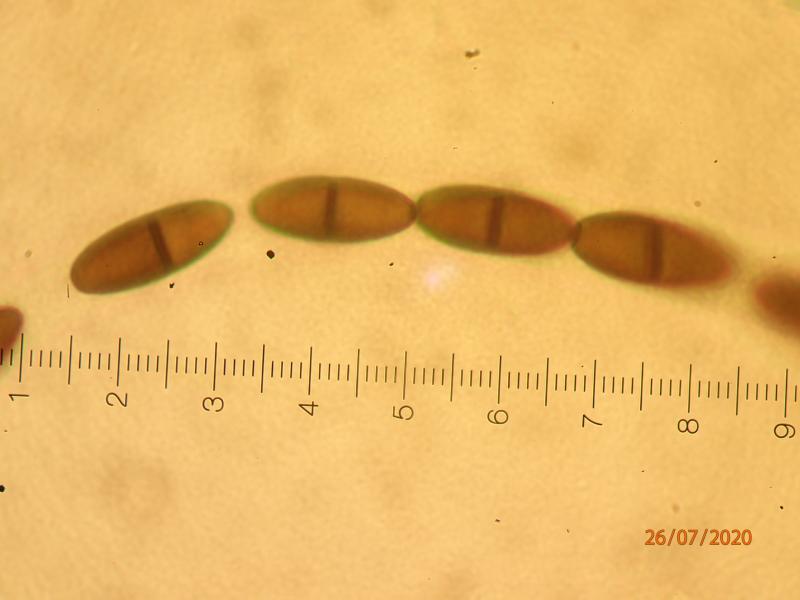
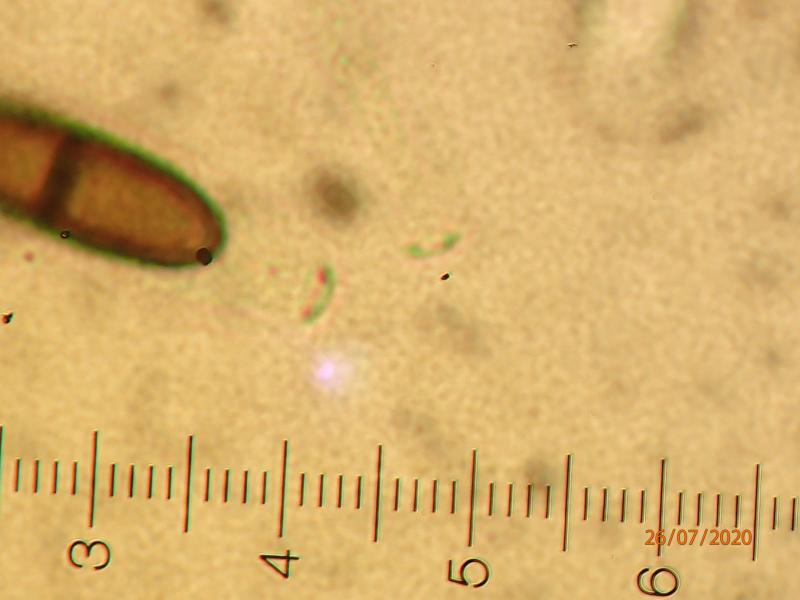
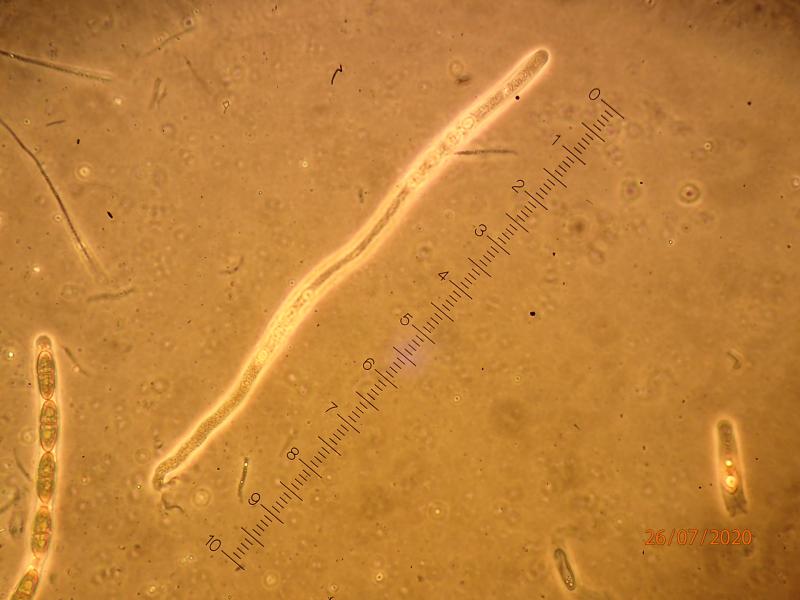
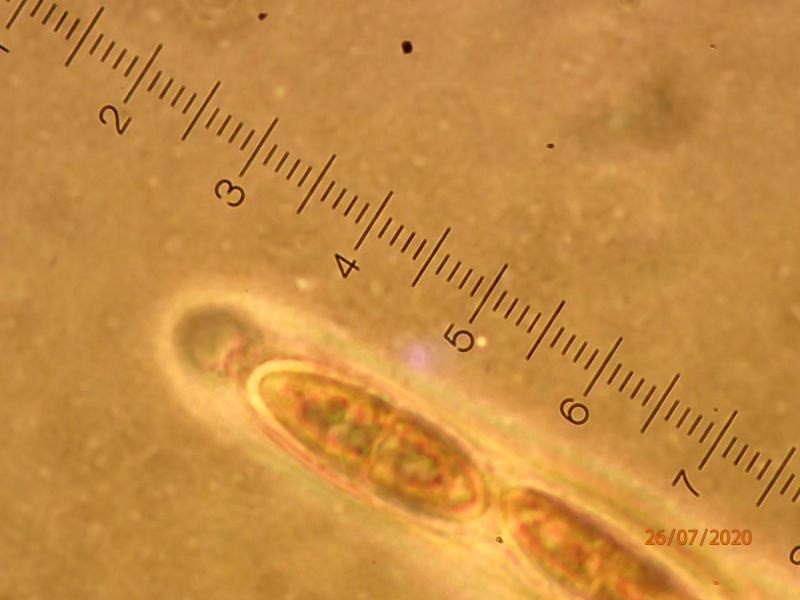
This one was growing on bark of an elm tree in Western Norway. The brown 1-septate spores measure 16-22 x 11-12 microns. Asci very long, ranging from 120-250 microns (7-10 thick). Apically thickened up to 5 microns. Ascus apparatus ring-shaped, staining blue in Lugol after KOH pre-treatment and water rinsing. I think I see a very faint striation on the spores, but impossible to photograph. Are we in Pleosporales or perhaps Amphisphaeriales? Asci too long and slim to be bi-tunicate? Can Pleosporales (e.g. Didymosphaeria) have IKI+ asci? Any suggestions?
Thanks.
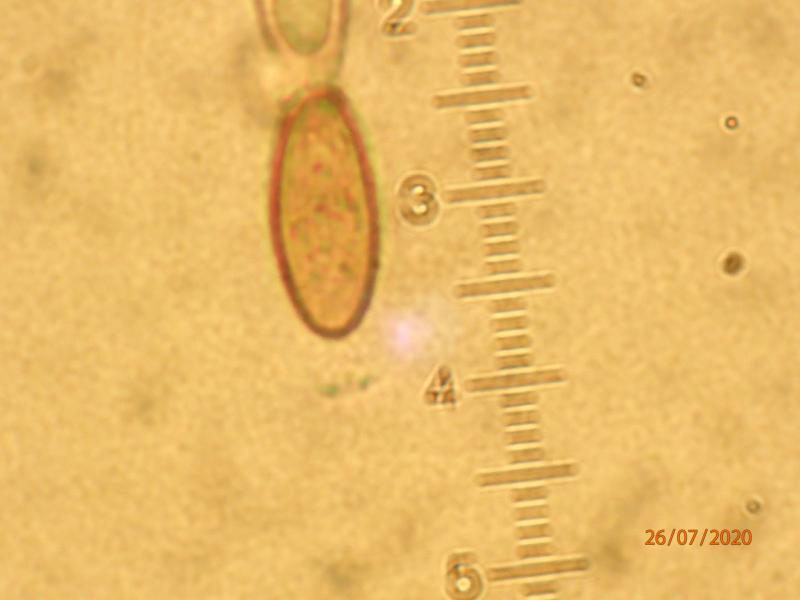
Edvin Johannesen,
26-07-2020 22:00
Re : Uni- or bitunicate? On Ulmus glabra bark.
Some more photos.
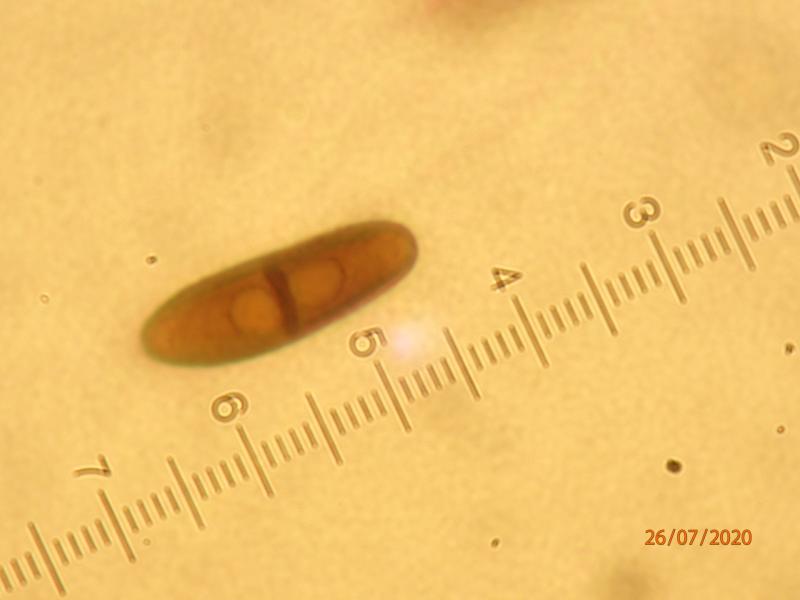
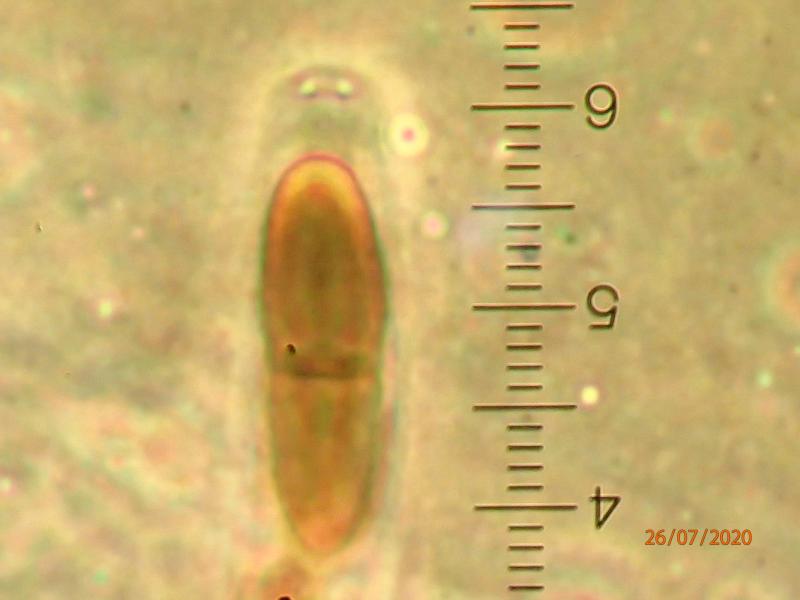
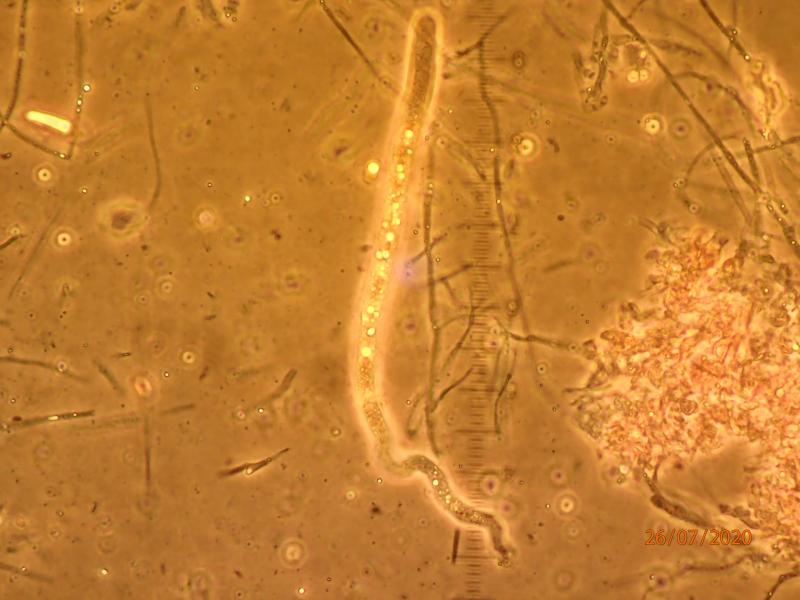
Edvin Johannesen,
27-07-2020 15:48
Re : Uni- or bitunicate? On Ulmus glabra bark.
Turns out to be Amphisphaeria umbrina. Thanks to Björn Nordén.