
27-02-2026 11:21
 Yannick Mourgues
Hi to all. Here is a specie that can may be relat
18-03-2026 13:09
 Khomenko Igor
I recently examined Celtis occidentalis branches
18-03-2026 18:42
Gonzalez Garcia MartaI have collected some lyre-shaped apothecia on the
18-03-2026 17:22
Katarina PastircakovaHi there,I'm looking for the following literature:
27-11-2025 15:41
Thomas LæssøeSpores brownish, typically 4-celled; 26.8 x 2.4;
18-03-2026 11:52
Thomas Læssøehttps://svampe.databasen.org/observations/10493688
11-03-2026 17:36
 Michel Hairaud
Bonjour, Je cherche des indices pour cette réc
17-03-2026 10:40
 Martine Vandeplanque
Bonjour à tous.Chaque année en mars ou avril, il
17-03-2026 19:41
 Bernard CLESSE
Bonsoir à toutes et tous,Pourriez-vous m'aider à
12-03-2026 19:44
 Enrique Rubio
Hi to everybody.Can you give me any suggestions ab
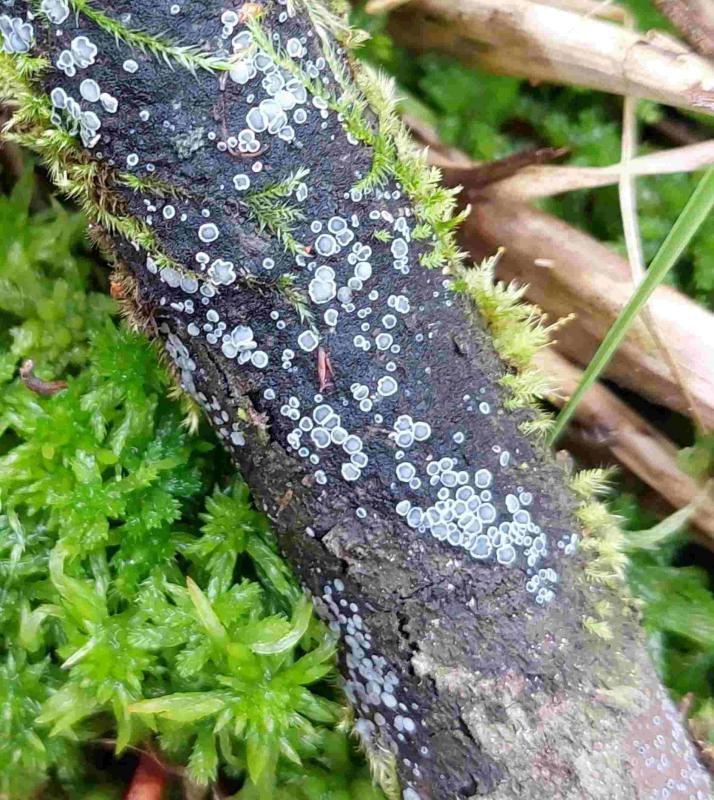
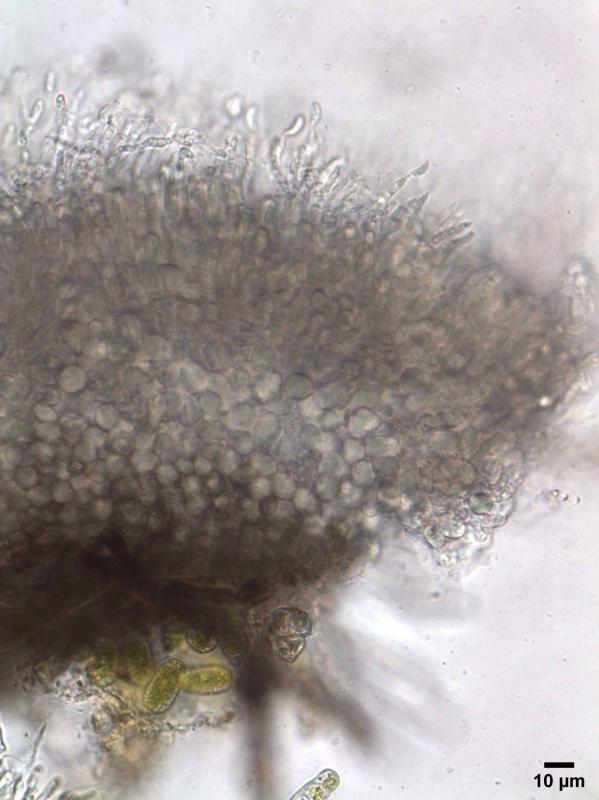
While microscopically examining some fruiting bodies on wood that I could identify as Mollisia fusca, I observed two strange phenomena ... I don't know if there is a connection between the two.
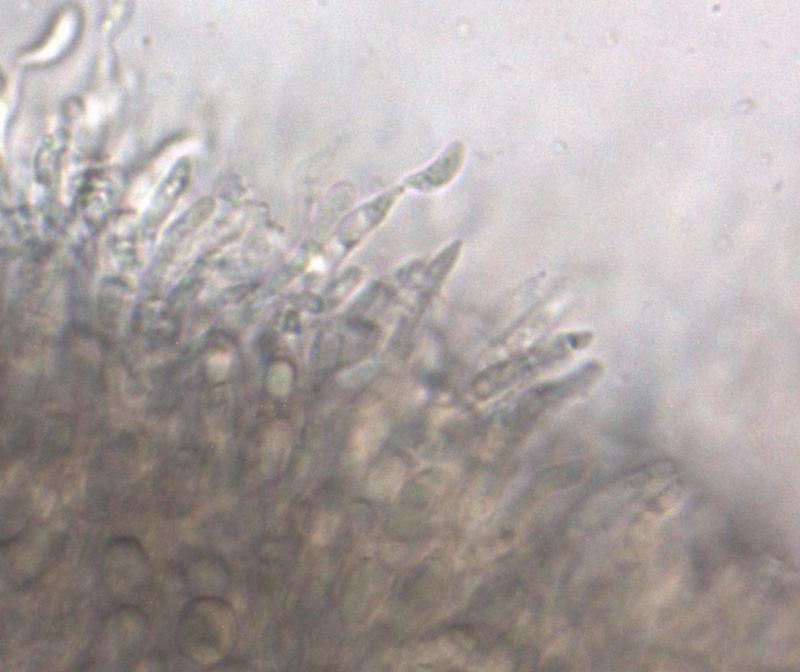
1) After taking photos of asci, paraphyses and spores of the mollisia (photo 1a), I found where normally the hymenium is, conidiogenic structures with lacrymoid conidia 9 x 2.7 µm) (photos 1b-1c):
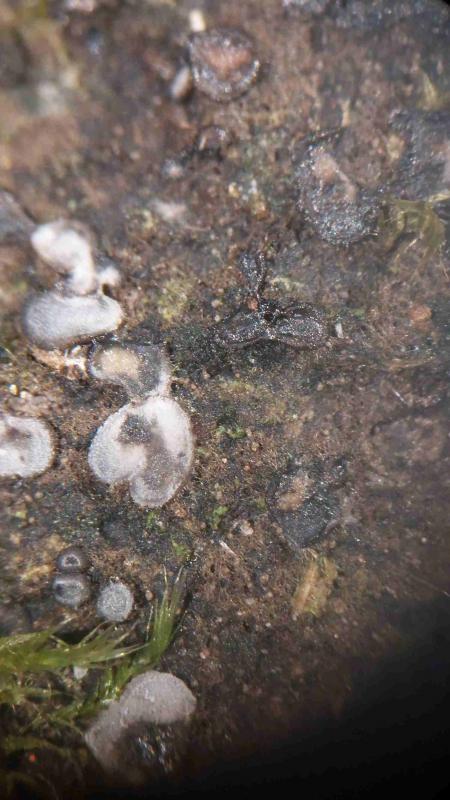
2) Three days later, the hymenium of most of the fruiting bodies (photo 2a) was seemingly gone or heavily affected by presumably a parasite? Conidia globose to amygdaliform with sometimes a kind of pedicel: 11-15 x 7-9 µm.
Does anyone have experience with these phenomena or perhaps a possible cause.
Many thanks for any information,
François Bartholomeeusen
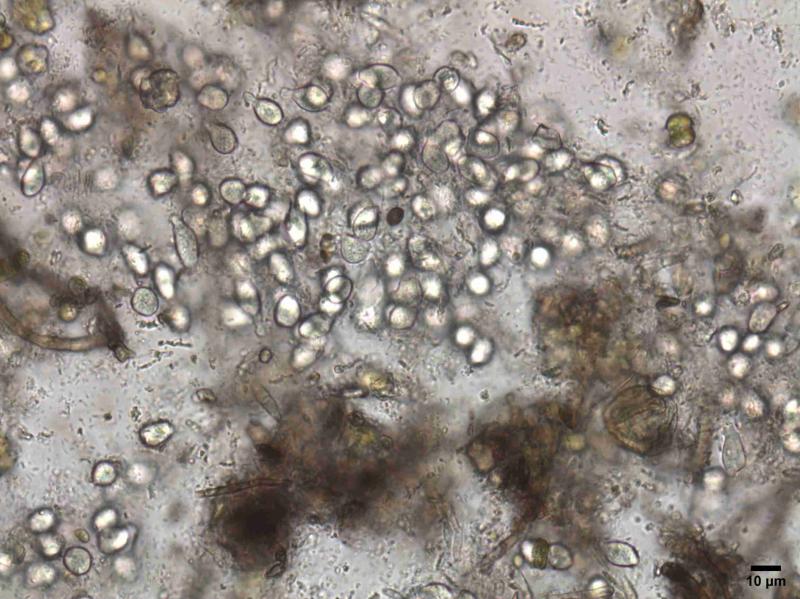
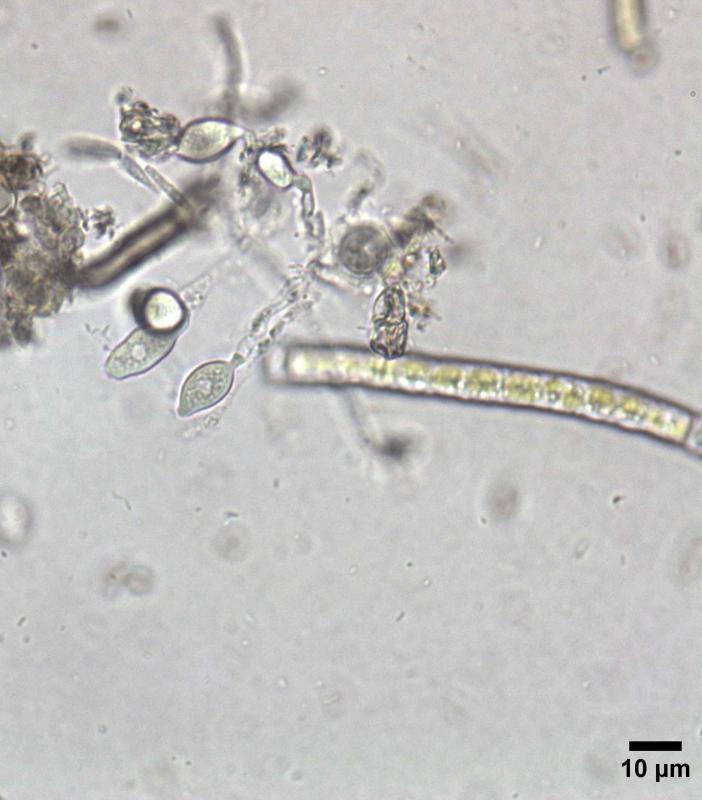
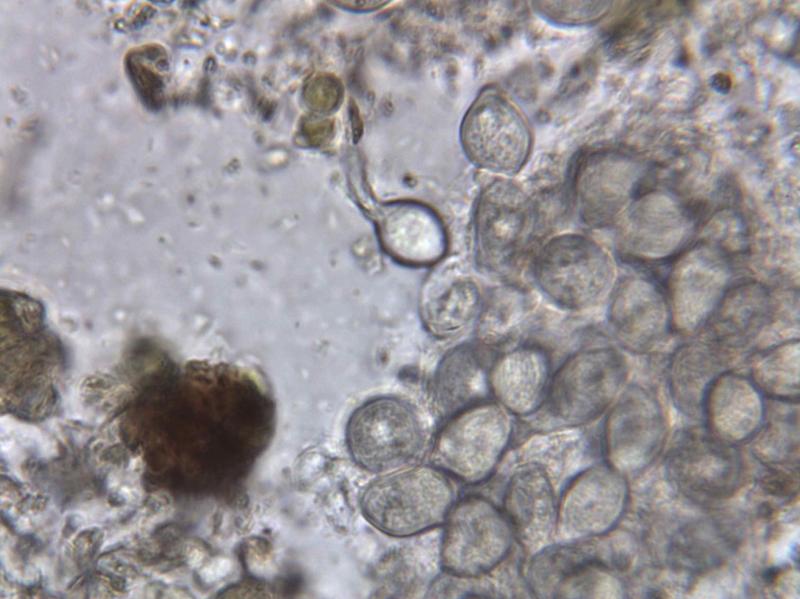

Dear Zotto,
Thank you for your quick reply. A "chytrid" is unknown to me, and does that refer to 2) the "conidia" 11-15 x 7-9 µm
Warm regards,
François
here are some Danish records of chytrids:
https://svampe.databasen.org/observations/10259245
https://svampe.databasen.org/observations/10256834

Thanks, while I was formulating my reply you already delivered the publication ... "faster than his own shadow !!!"
To Thomas,
many thanks the pictures in the link Chytridiomycota are identical to mine point 2)
To Zotto,
I now have a lot to think about and study. Browsing through your "Ascomycetes illustrations" I found my own photos of the item on Ascofrance with this link: http://www.ascofrance.com/search_forum/45936
I think I can say on behalf of many Ascofrance nembers that we are very grateful to you for making your wealth of information freely available. Thanks again!
François
a few days ago I met the alleged Tremella discicola on some Pyrenopeziza sp. (?) on a blade of grass. If my guess is correct, perhaps it is a complex of species specialized for different hosts? By no means the spores in my collection are not globose.
Regards - Przemek
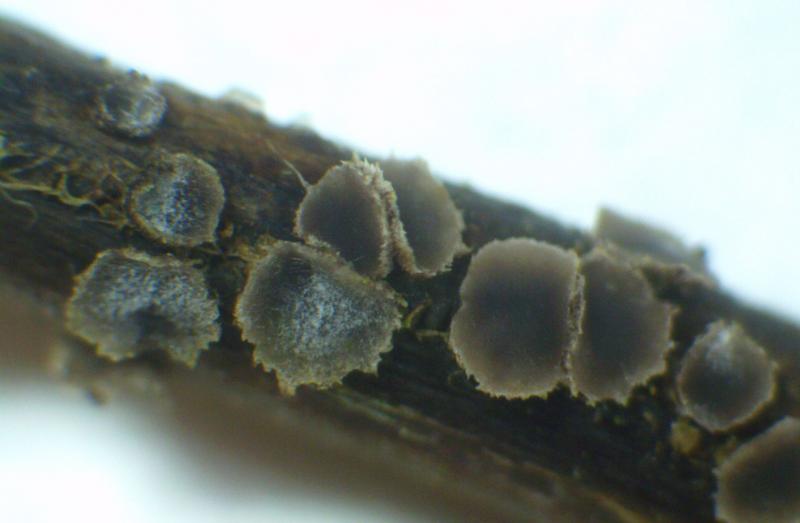
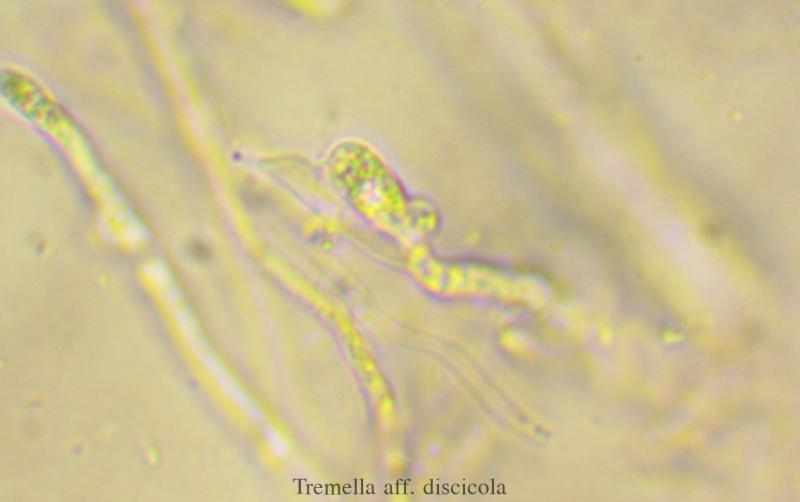
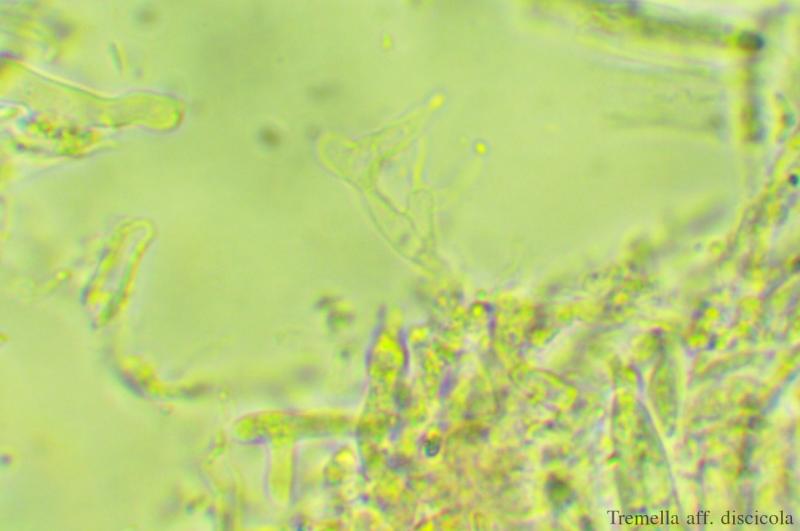
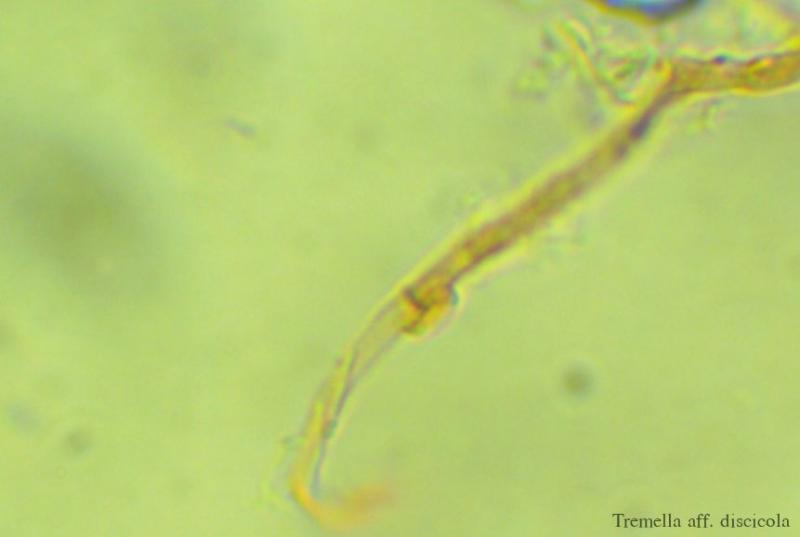
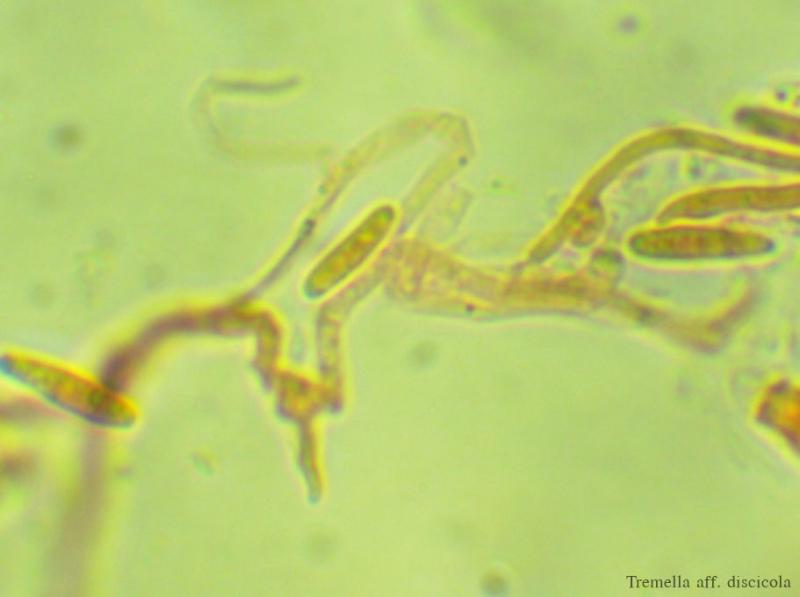
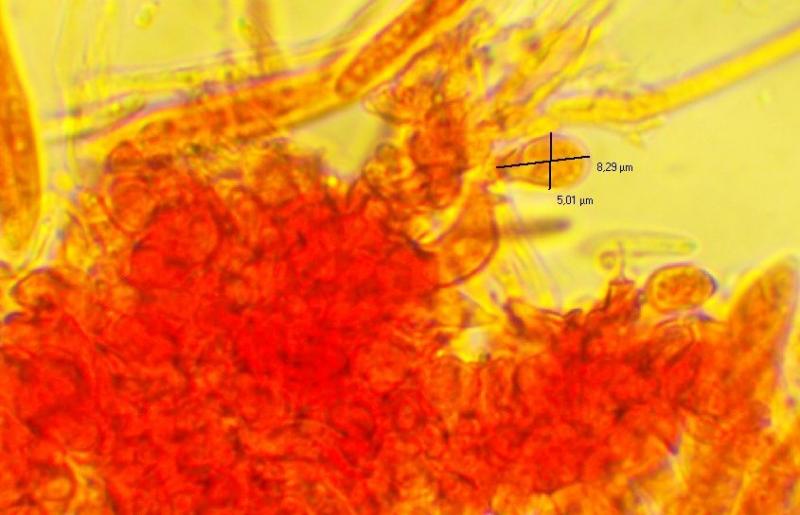
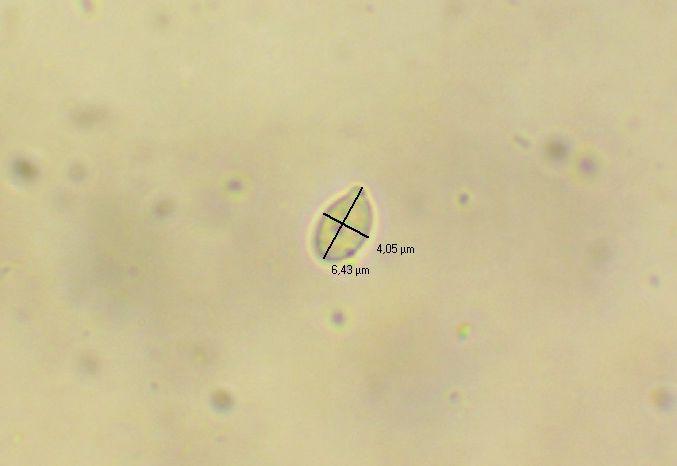
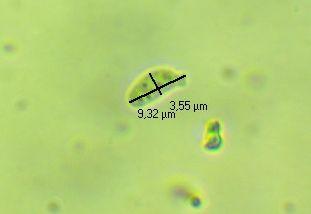
here is an example of a hitherto undescribed Syzygospora sp. hosted by what I have been able to determine is Hymenoscyphus scutula:
https://www.bio-forum.pl/messages/33/1035877.html
Forgive me everyone, I know this forum is about Ascomycetes, but as you know many species of "Heterobasidiomycetes" are closely related to ASCO. :-)
Przemek