27-02-2026 11:21
 Yannick Mourgues
Hi to all. Here is a specie that can may be relat
18-03-2026 13:09
 Khomenko Igor
I recently examined Celtis occidentalis branches
18-03-2026 18:42
Gonzalez Garcia MartaI have collected some lyre-shaped apothecia on the
18-03-2026 17:22
Katarina PastircakovaHi there,I'm looking for the following literature:
27-11-2025 15:41
Thomas LæssøeSpores brownish, typically 4-celled; 26.8 x 2.4;
18-03-2026 11:52
Thomas Læssøehttps://svampe.databasen.org/observations/10493688
11-03-2026 17:36
 Michel Hairaud
Bonjour, Je cherche des indices pour cette réc
17-03-2026 10:40
 Martine Vandeplanque
Bonjour à tous.Chaque année en mars ou avril, il
17-03-2026 19:41
 Bernard CLESSE
Bonsoir à toutes et tous,Pourriez-vous m'aider à
12-03-2026 19:44
 Enrique Rubio
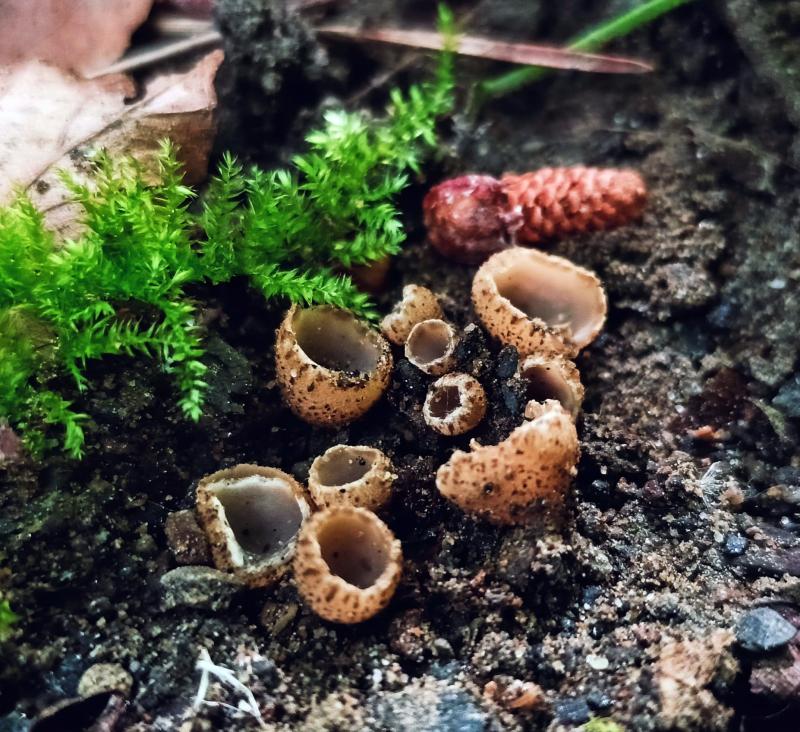
Hi to everybody.Can you give me any suggestions ab
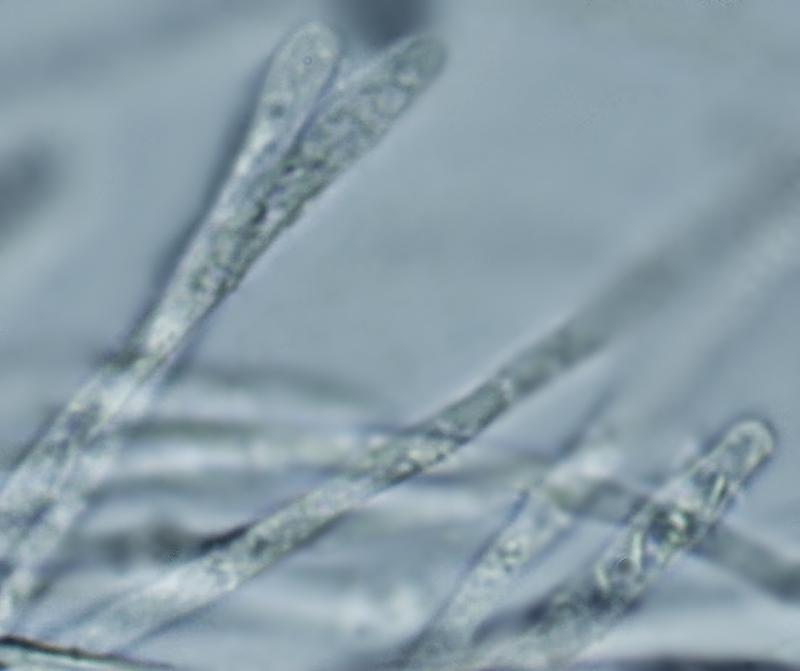
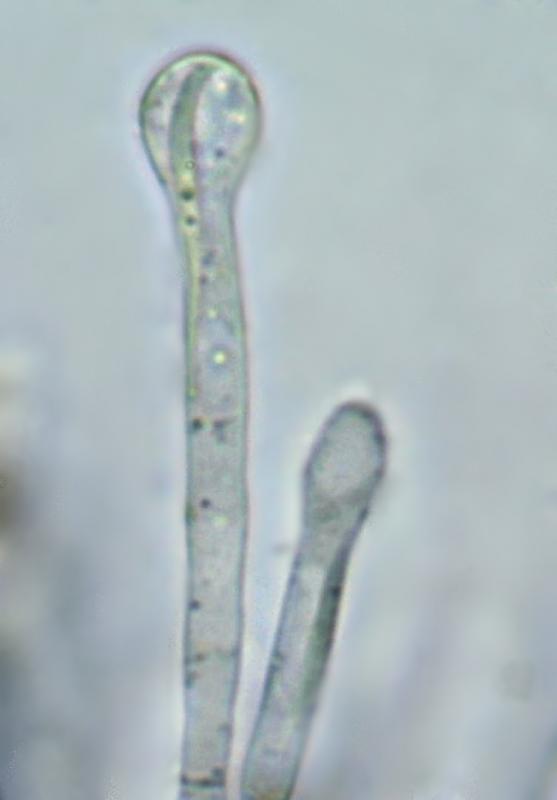
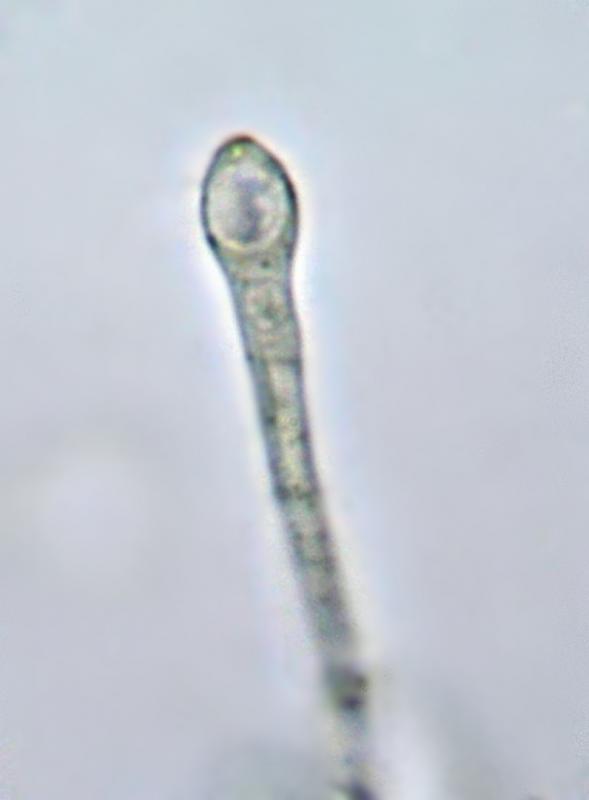
 Las medidas esporales son de T. alnicola pero hay unas diferencias que a mí me escapan, como son el mix de gútulas de las esporas (deberían ser bigutuladas) y algunas paráfisis capitadas. Será una var.?
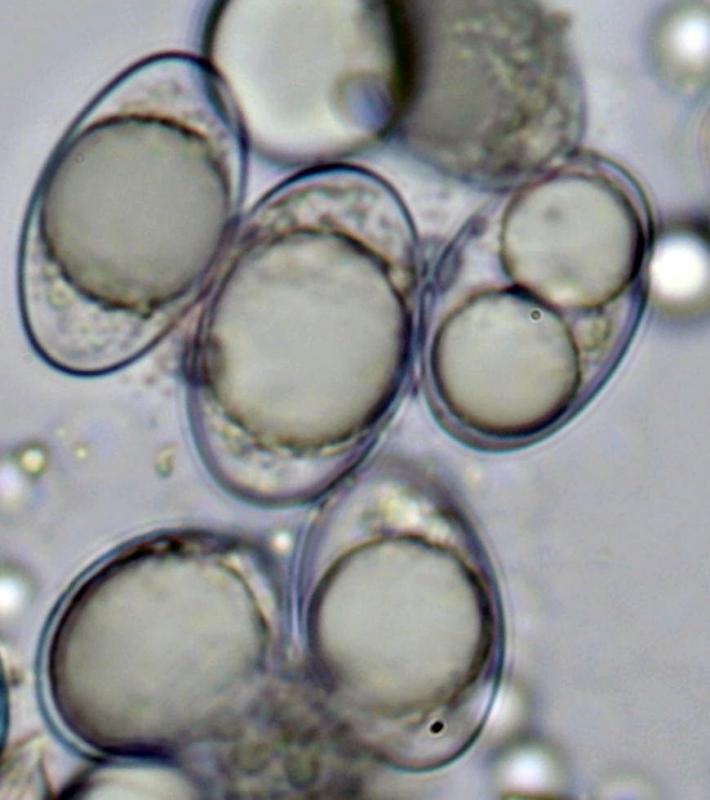
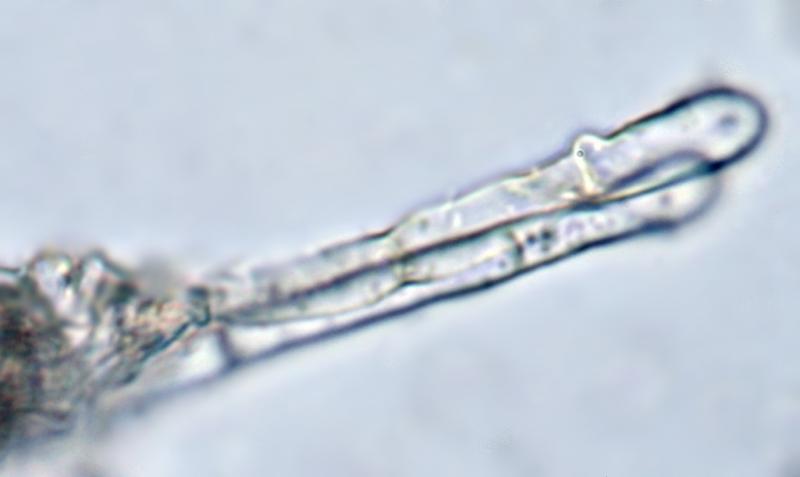
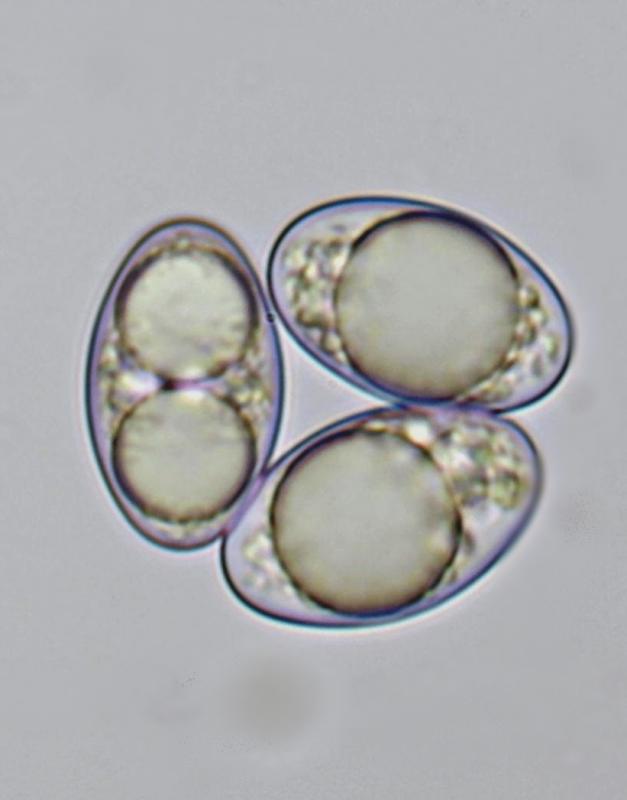
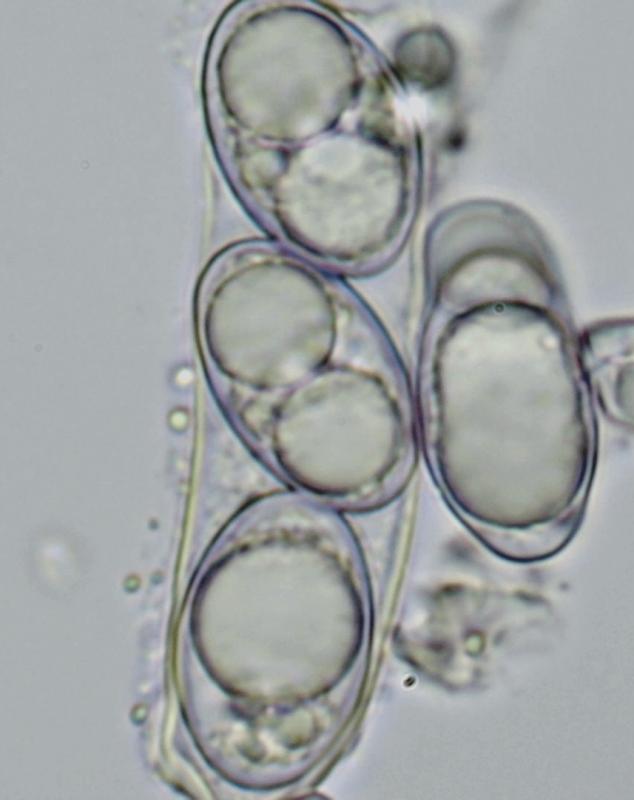
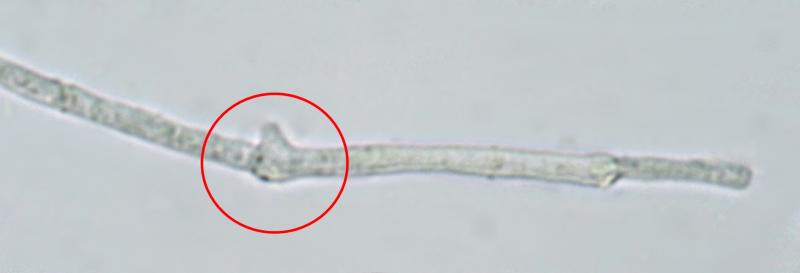
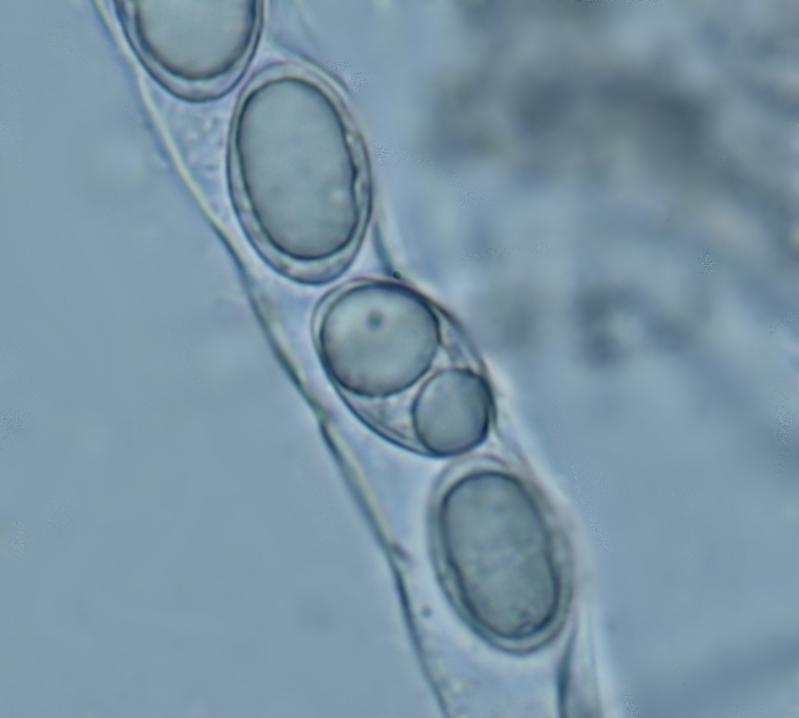
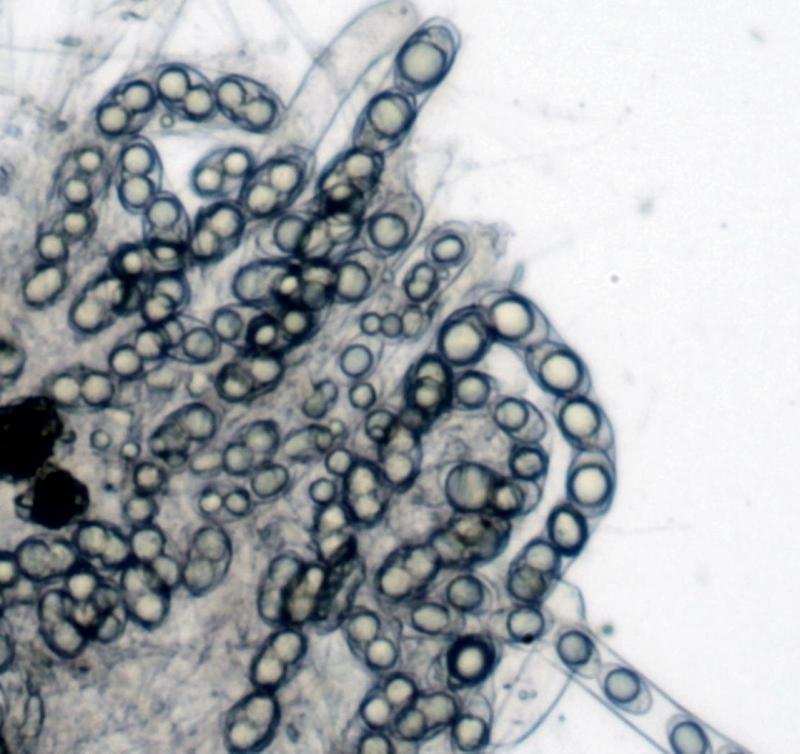
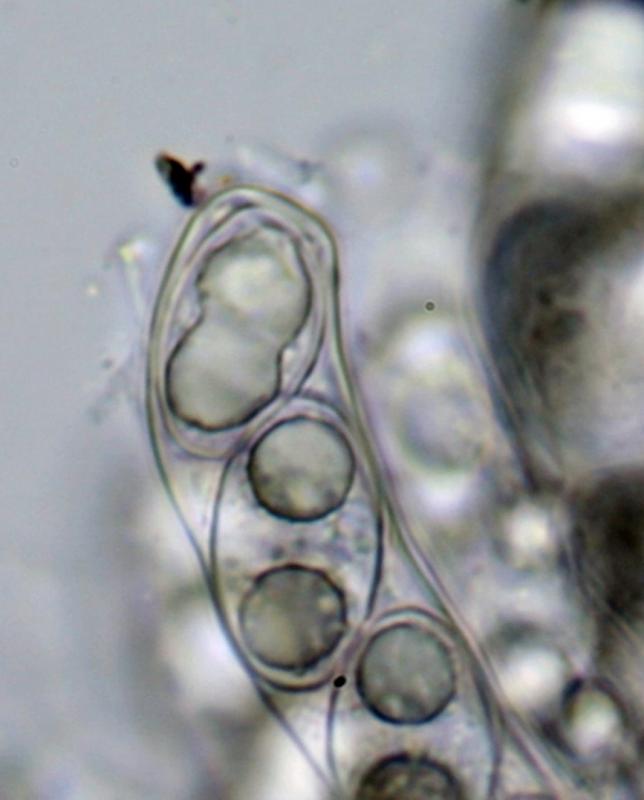

Can you give the size of ascospores?
And ecology of this collection?
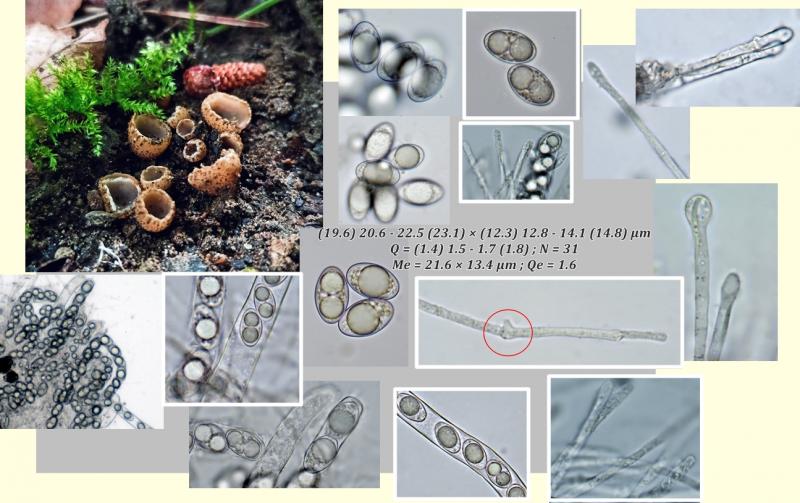
I'm not sure that the paraphyses top that you show can be taxonomically valuable.
As there are several types of trees in this place, hard to know the association with the Tarzetta. Maybe it's just a collection of T. cupularis...

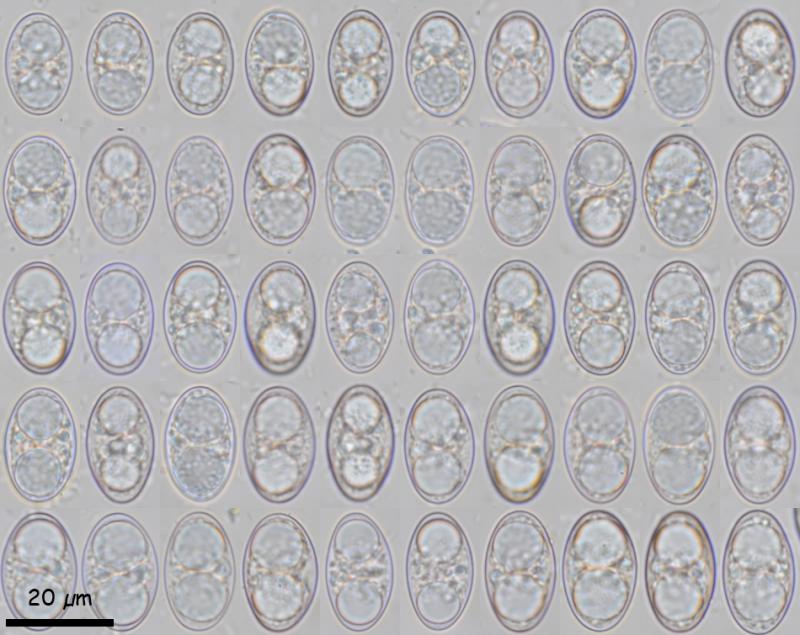
Monica has sent me some apothecia. Unfortunately they have arrived overripe and quite damaged, but with hundreds of free mature spores in the hymenium. The asci and paraphyses are dead, but I think the spores are alive. All spores are biguttulated, both outside and inside the asci. The spore measurements are these:
(18,8) 20,1 - 22,3 (23,1) × (11) 12,4 - 13,7 (14,3) µm
Q = (1,5) 1,54 - 1,7 (2) ; N = 59
Me = 21,2 × 13 µm ; Qe = 1,6
With these measurements and spore shape, I think it's definitely T. cupularis. Are you agree?
Miguel Ángel Ribes.