27-04-2026 20:52
 Lothar Krieglsteiner
Found on hanging tiwg of Olea europaea in dried-ou
27-04-2026 18:48
Tony MoverleyCollected 23rd April 2026, Norfolk, EnglandSwarms
27-04-2026 17:41
Lothar Krieglsteiner
.. Algarve, same leaf than the last post. The con
27-04-2026 18:05
Lothar Krieglsteiner
... still attached at standing tree. The green con
27-04-2026 17:16
Lothar Krieglsteiner
.. Algarve, moist lying.The conidiomata look like
27-04-2026 12:54
Steve ClementsBonjour. Ce petit champignon blanc résupiné et
27-04-2026 09:59
Pauline. PennaBonjour Can anyone advise me on these pycnidia fo

22-04-2026 20:54
 Enrique Rubio
Hi to everybody.This Pyrenopeziza grew in moist le
Pyrenomycete on Hedera
Josep Torres,
03-10-2025 09:43
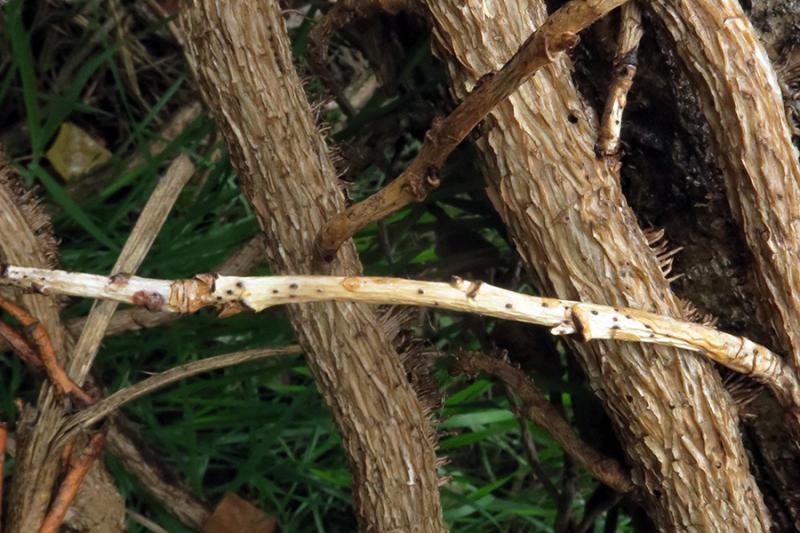
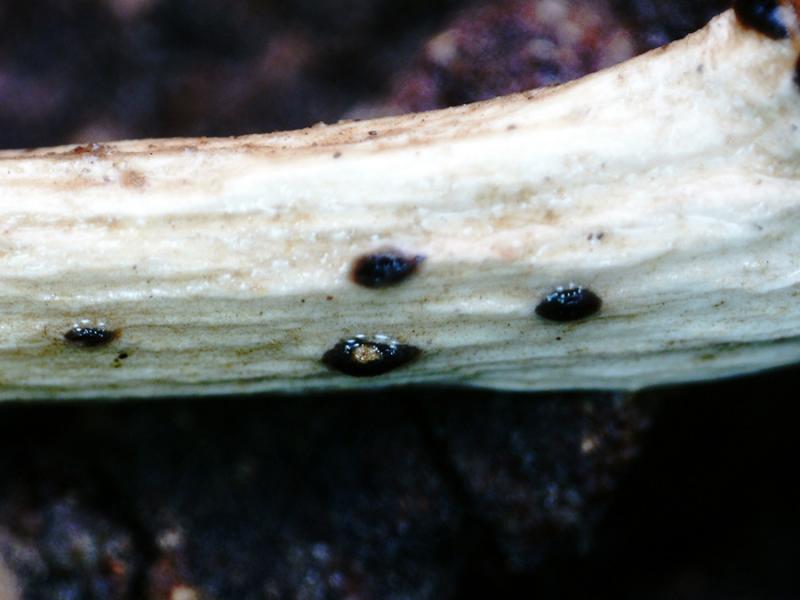
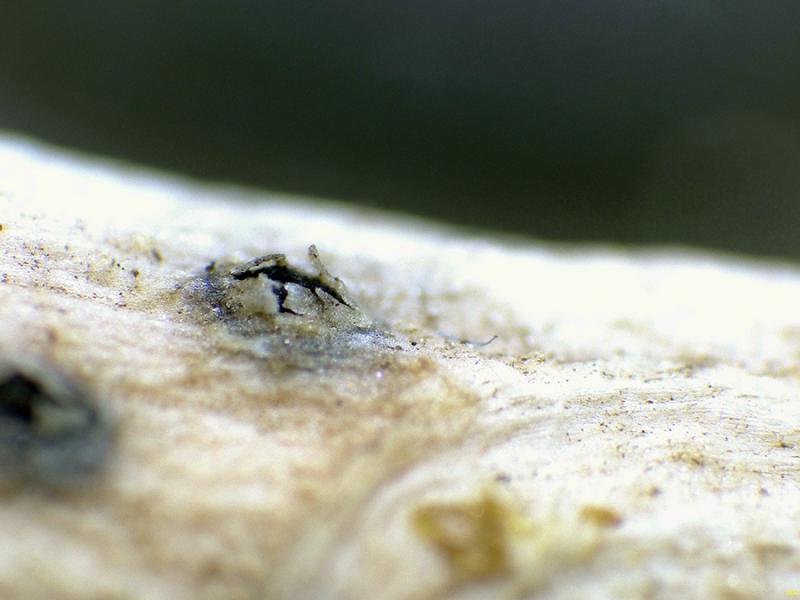
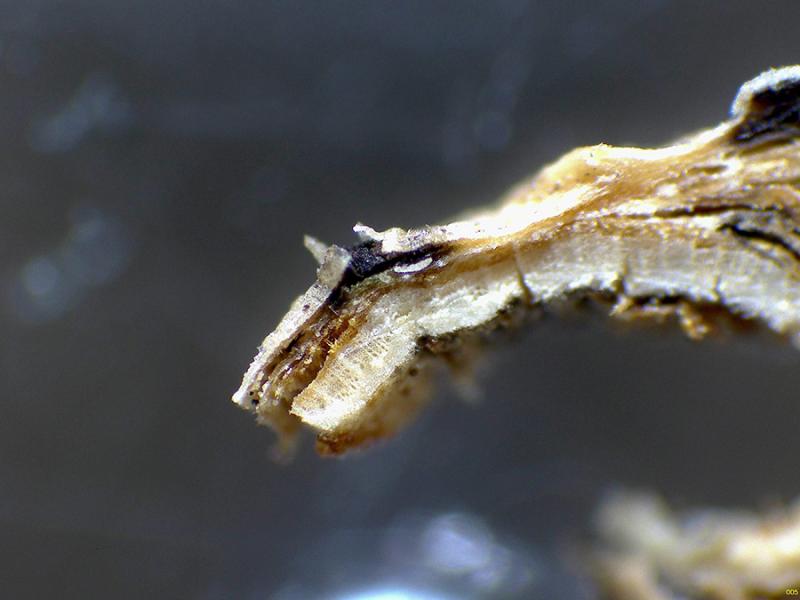
 Tiny blackish ascomata shaped like erumpent grains, measuring between 0.6 and 1 mm long by 0.35 and 0.45 mm wide.
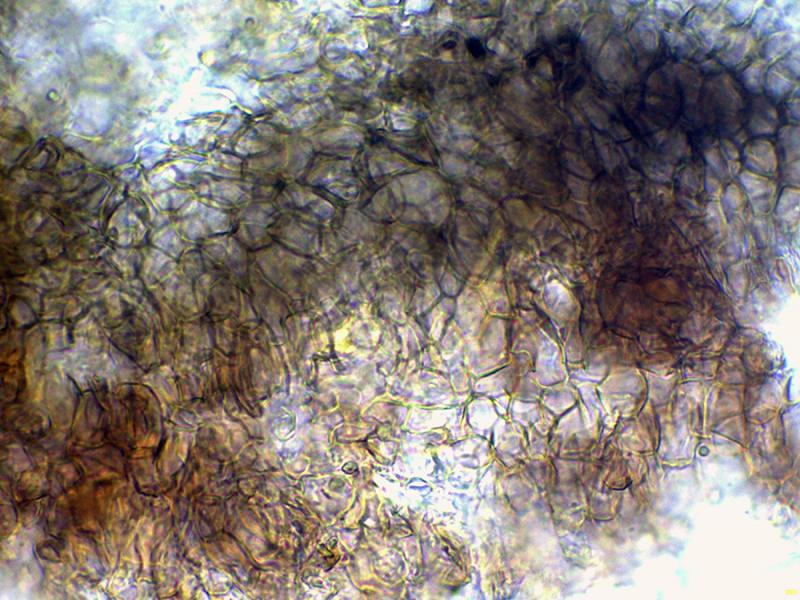
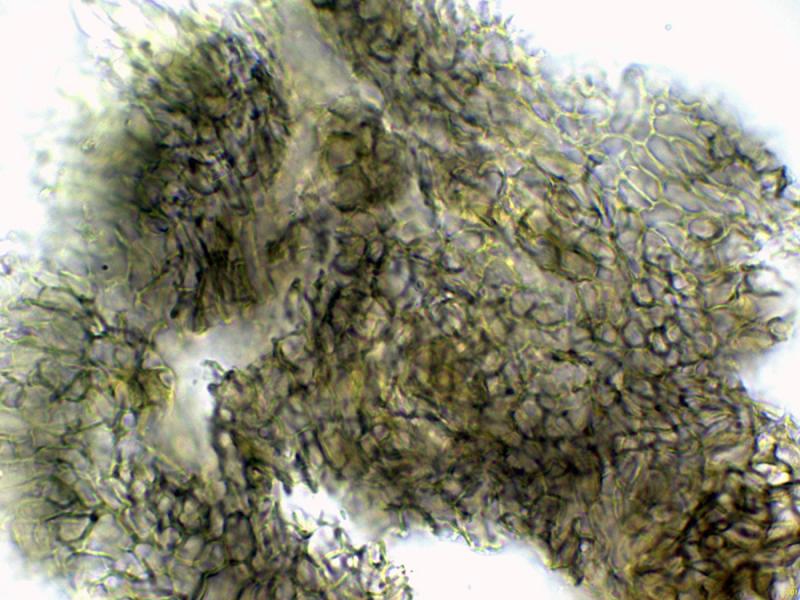
Hyphae on the peridium and exciple have an angular texture.
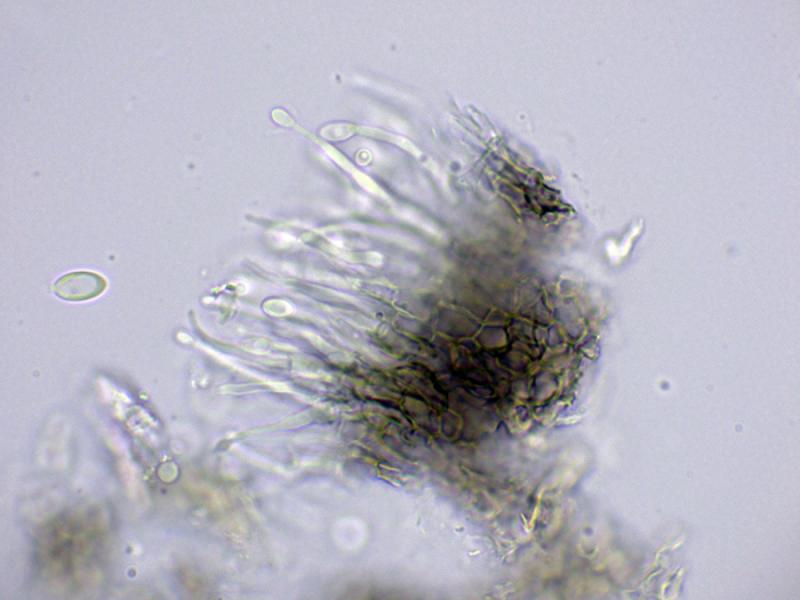
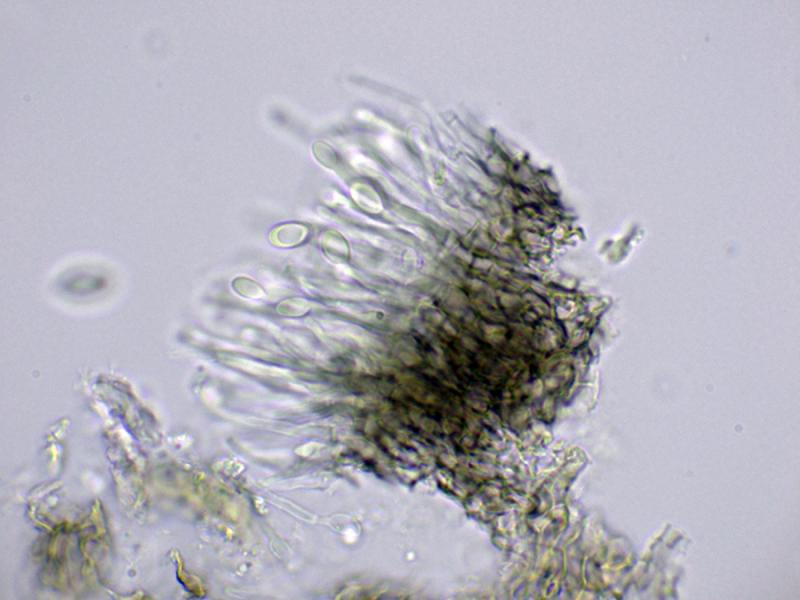
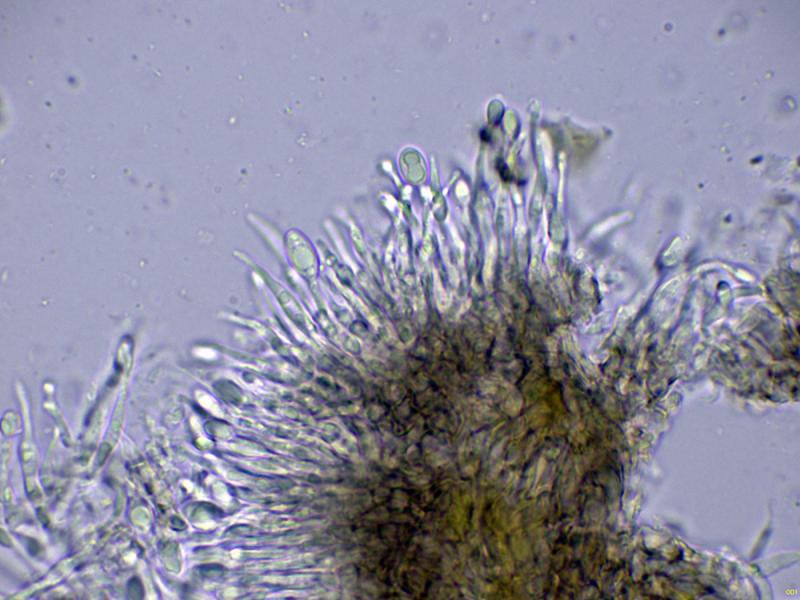
Conidiogenous hyphae widen at their bases and gradually taper, ending in more or less pointed shapes, measuring (17.8) 20.7 - 30.2 (30.4) × (1.6) 1.8 - 2.4 (2.6) µm.
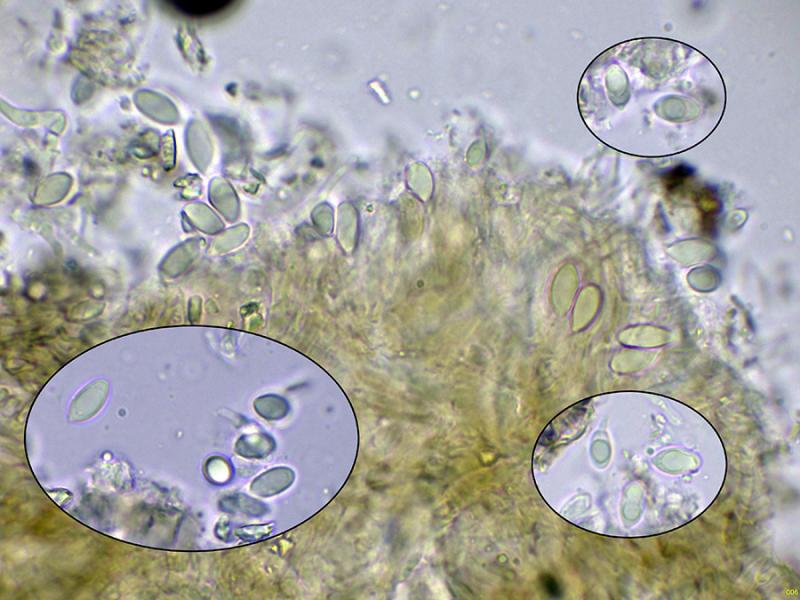
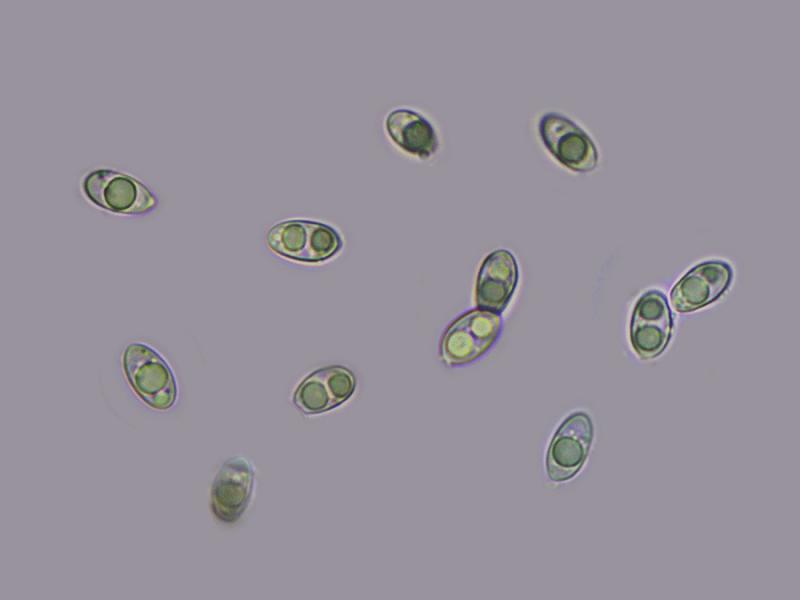
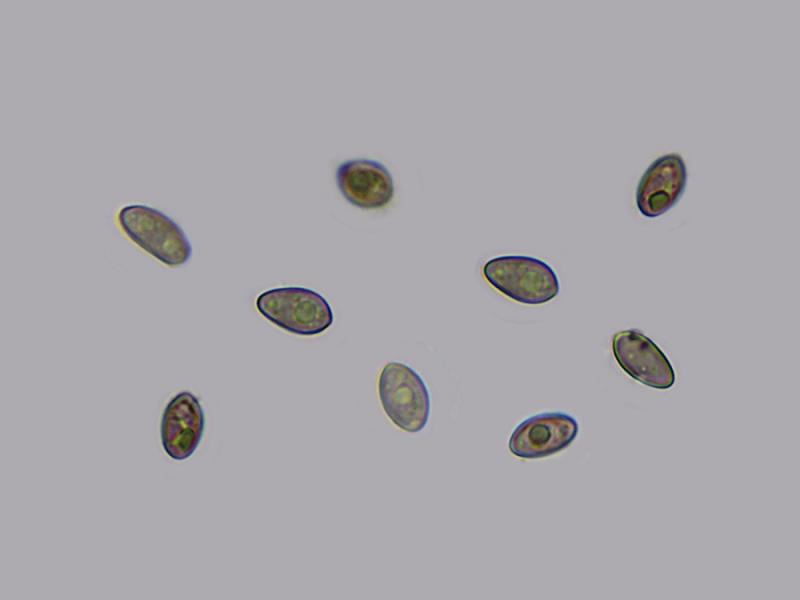
These conidiogenous hyphae produce ellipsoidal, hyaline conidia with one or two large lipid droplets inside. Free conidia with brown intracellular pigment were also observed, which could perhaps correspond to mature conidia.
These conidia measure:
(7) 7.6 - 9.29 (9.3) × (3.6) 4.2 - 5.2 (5.7) µm
Q = (1.5) 1.6 - 2 (2.1) ; N = 20
Me = 8.5 × 4.8 µm ; Qe = 1.8
I am fully aware of the difficulty of identifying species like this, but I will not fail to prove it.
This conidiogenesis vaguely reminds me of genera like Diplodia, but the conidia are too small to even be considered a genus.
Any feedback from you would be welcome.
Thank you very much in advance.
Best regards.