
04-05-2026 16:39
 Stephen Martin Mifsud
ID request: This specimen was collected in Malta o
04-05-2026 09:50
 Castillo Joseba
Me mandan el material seco de Galicia,(España) re
28-04-2026 20:07
 Lothar Krieglsteiner
... on twig in the air at standing Ceratonia siliq
02-05-2026 12:42
Alain BRISSARDBonjour à tousJeuidi 30 avril dernier on m'a remi
02-05-2026 13:06
Pauline. PennaBonjour Please can someone help me with this id
01-05-2026 22:45
 Thierry Blondelle
Bonjour à tous, Une récolte sur bouse séchée d
14-04-2026 05:32
Ethan CrensonHi all, A few weeks back a friend pointed out som
28-04-2026 20:33
Vitus SchäfftleinHello, I found Trochila ilicina on Ilex aquifoliu
Pseudosclerococcum golindoi (det: Zotto)
Danny Newman,
15-12-2025 07:05
 Pseudosclerococcum golindoi (det: Zotto)
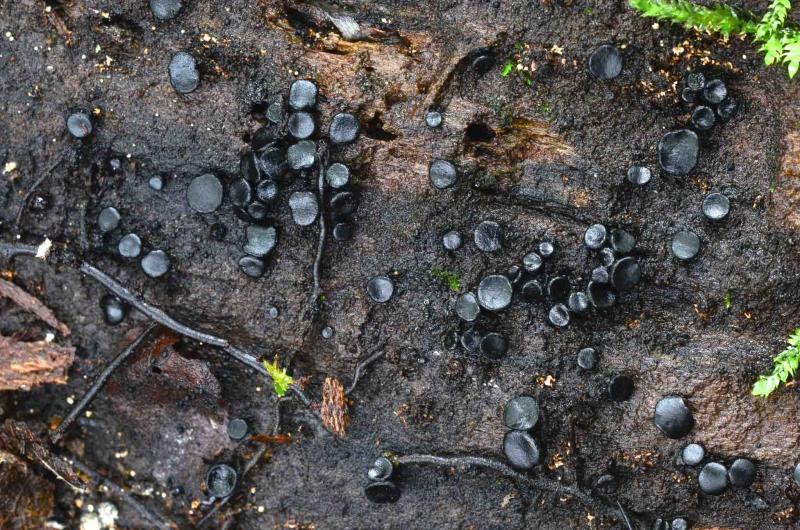
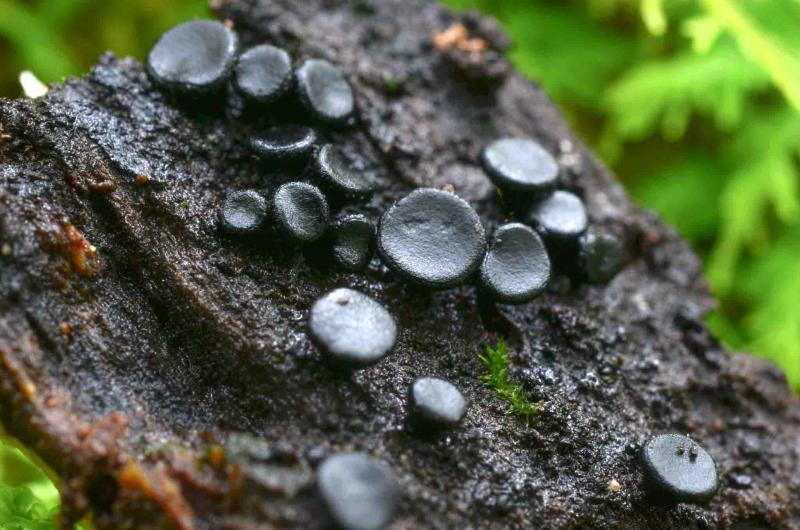
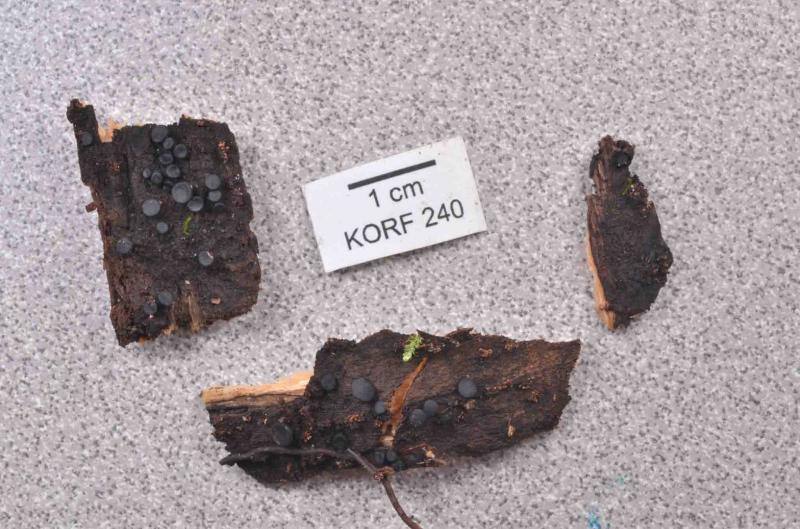
near Cosby Campground, Great Smoky Mountains National Park, Cocke County, Tennessee, USA
Collected during the 2025 Richard P. Korf Memorial North American Ascomycete Foray (aka "The Korf Foray), held at the Appalachian Highlands Science Learning Center in Purchase Knob, North Carolina.
2x ITS sequences were generated from this material, one matching Orbilia dryadum, while the other is very close to Papillospora hebetiseta. both have thus far been considered to be "off-target," as in sequences of a fungus which is not the focus of the collection/observation in question.
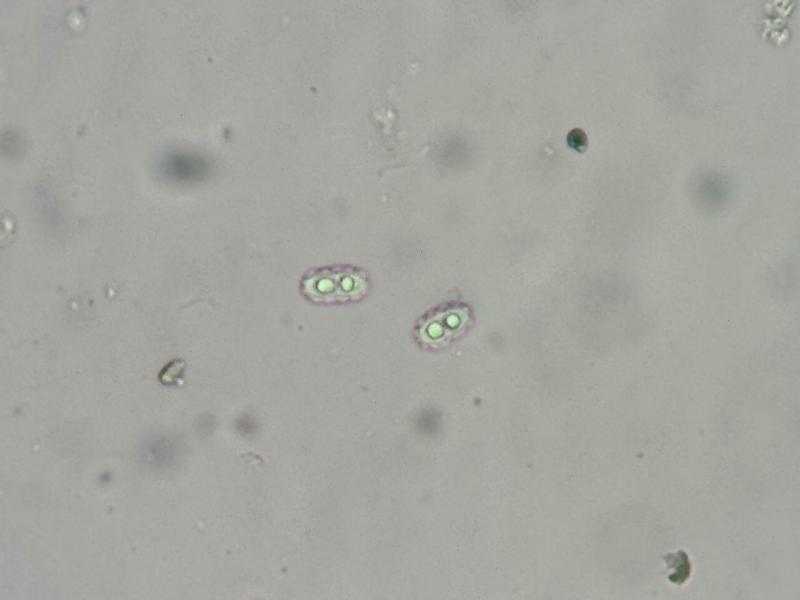
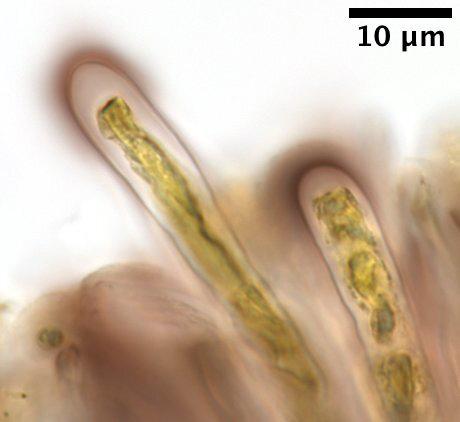
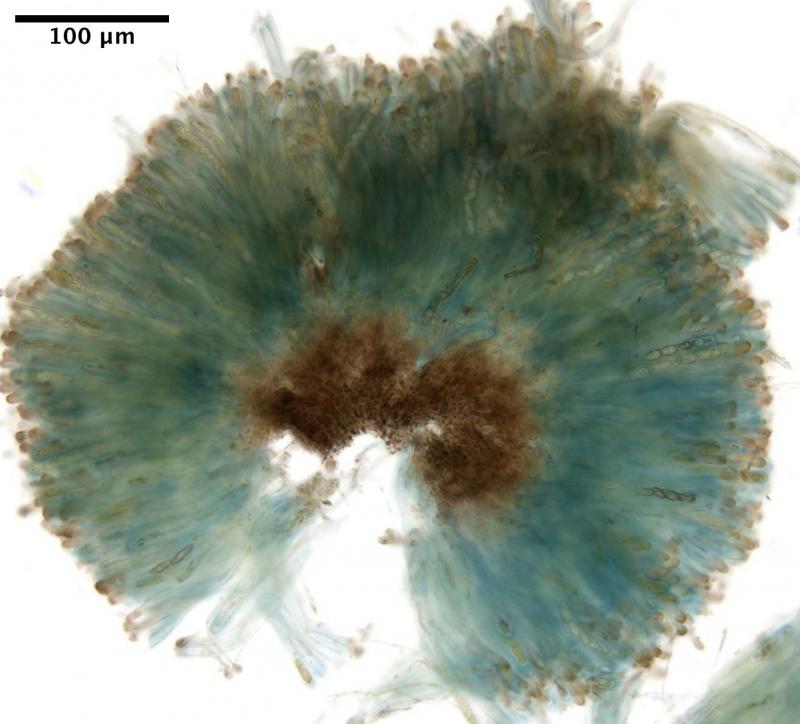
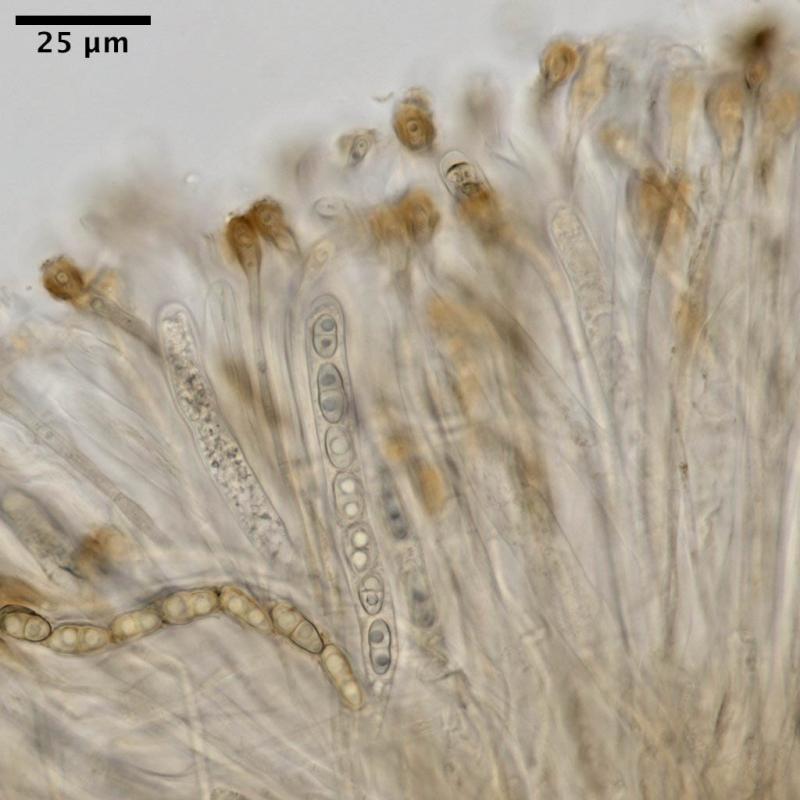
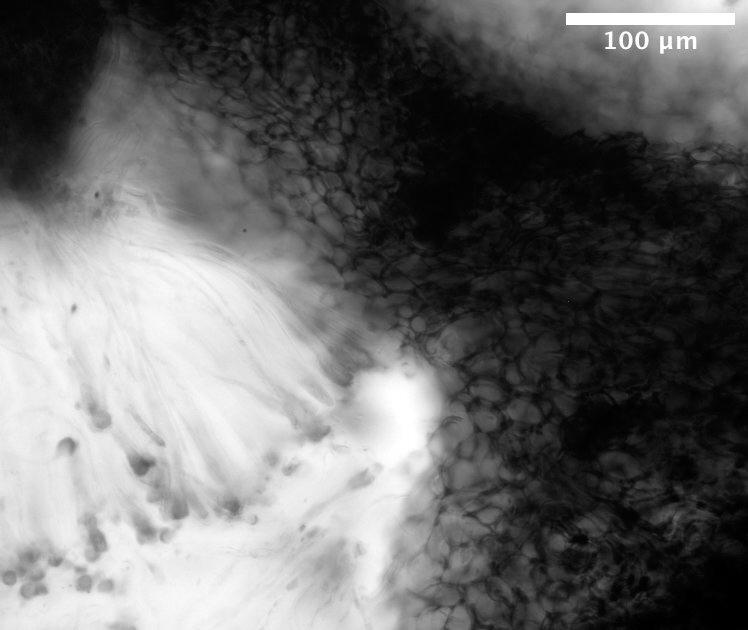
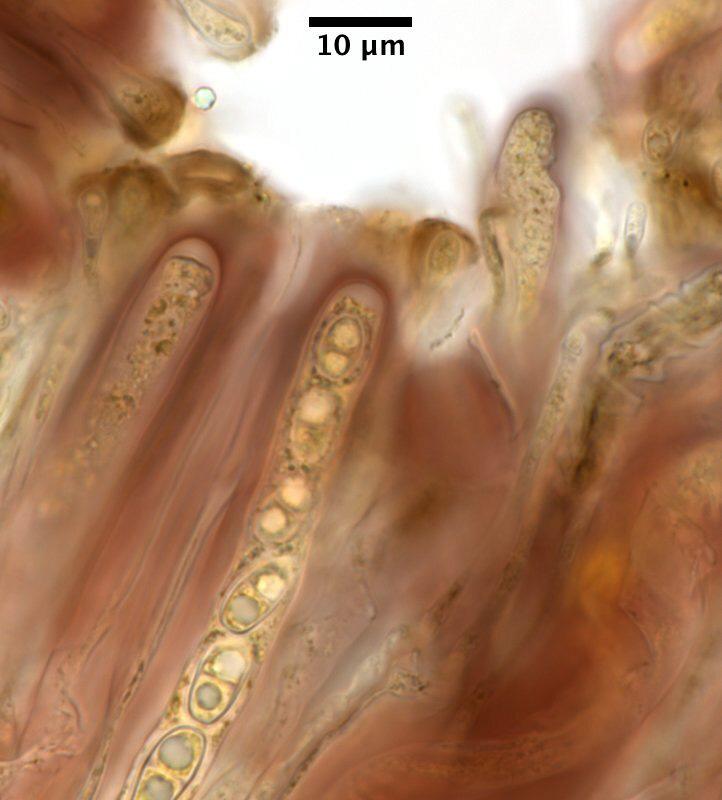
only two spores were ever able to be observed outside of asci, as seen in the first micrograph (credit: Connor Dooley). otherwise, photo credits are as follows:
macro photography: Connor Dooley
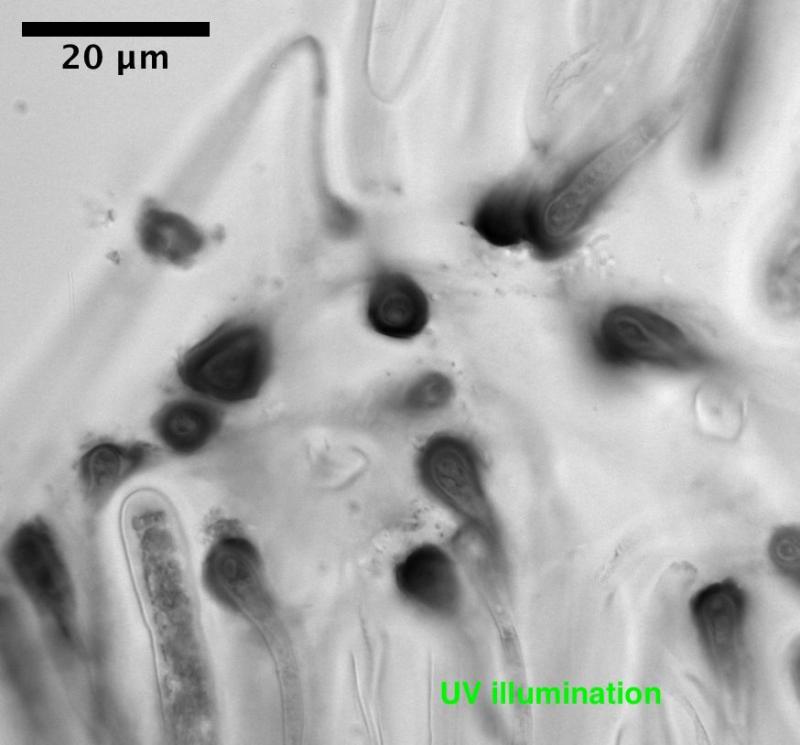
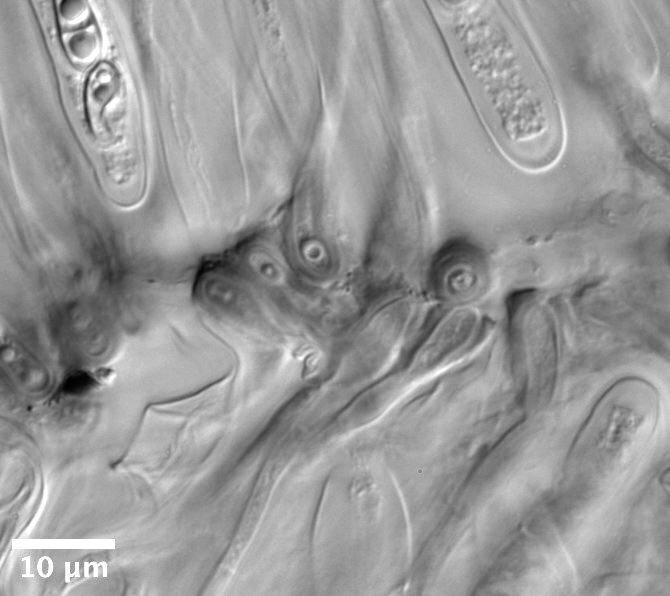
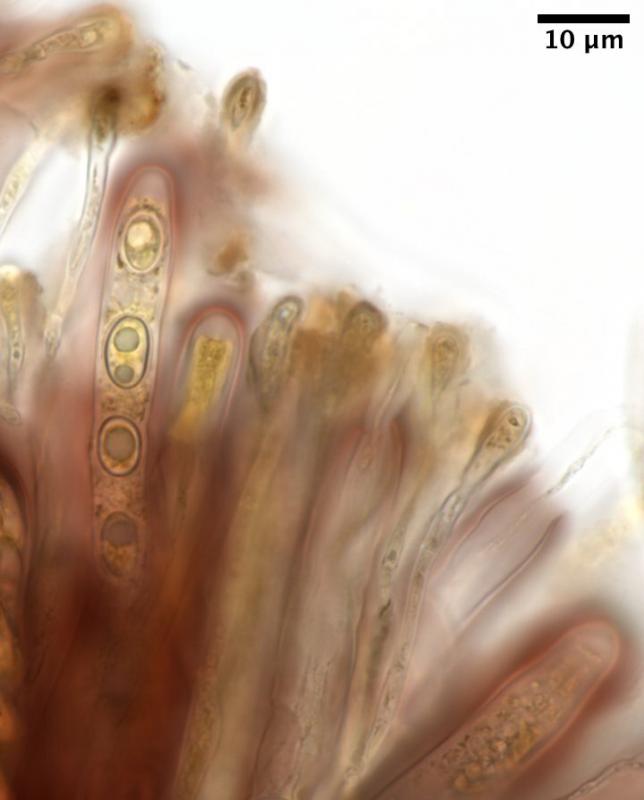
micrographs: Patrick A Verdier
some comments on microscopy from Patrick:
"The hymenium was embedded in an extracellular gel with odd iodine staining, sometimes maroon (high iodine) sometimes teal (low iodine) suggesting a strange mix of amyloid/dextrinoid, with some carotenoids thrown in. Paraphyses swollen tips included a weird doughnut shaped structure, in fresh specimens at least. Paraphyses tips were also highly absorbent in blue light, and even more so in UV light (using a monochrome camera and UV light source)"
"The hymenium was embedded in an extracellular gel with odd iodine staining, sometimes maroon (high iodine) sometimes teal (low iodine) suggesting a strange mix of amyloid/dextrinoid, with some carotenoids thrown in. Paraphyses swollen tips included a weird doughnut shaped structure, in fresh specimens at least. Paraphyses tips were also highly absorbent in blue light, and even more so in UV light (using a monochrome camera and UV light source)"
crossposted to the Ascomycetes of the World FB group at https://www.facebook.com/groups/ascomycetes/posts/4143399475912225
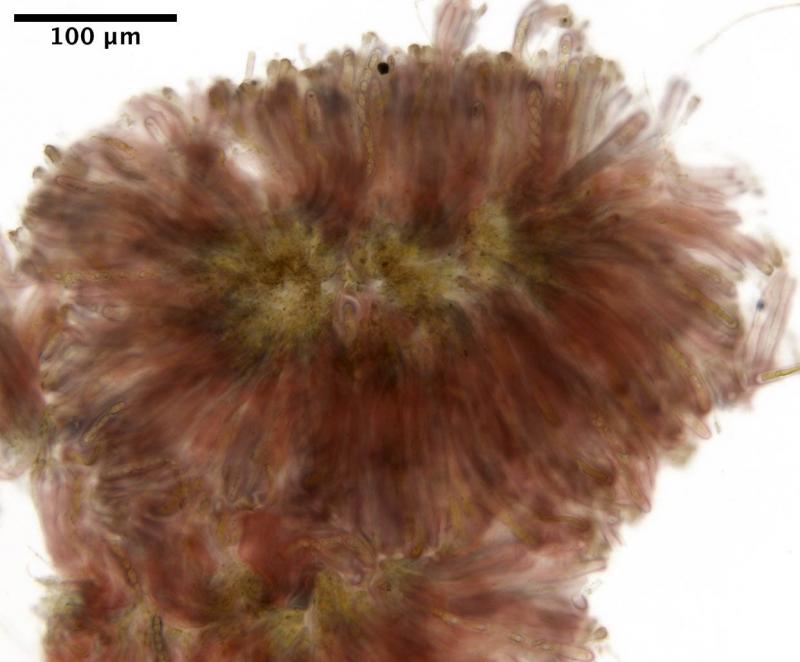
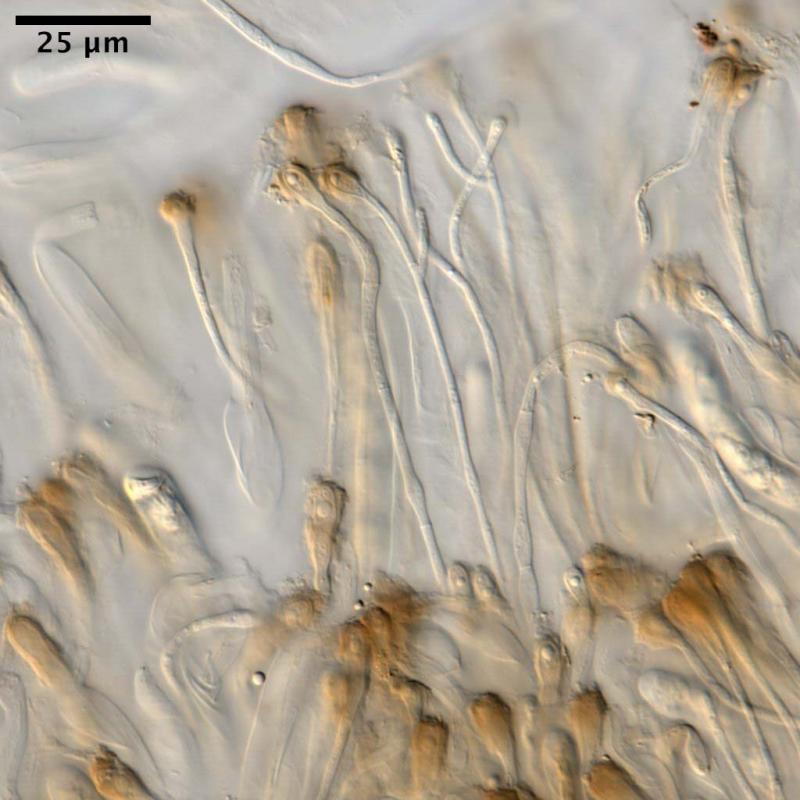
Hans-Otto Baral,
15-12-2025 08:40

Re : indet. discomycete on wood (unk.)
Hi Danny
this should be Pseudosclerococcum golindoi. The spores in the type measured 10-12 x 4.5-5.5 and were 1-septate.
See paper Olariaga et al. , Mycological Progress (2019) 18:895–905
https://doi.org/10.1007/s11557-019-01500-7
https://doi.org/10.1007/s11557-019-01500-7
Zotto
Danny Newman,
15-12-2025 09:11
Re : indet. discomycete on wood (unk.)
thank you as always, Zotto. I have added this genus and species to the nomenclatural database on iNat and credited you for the determination on the observation. your expertise continues to be without equal. the entire Korf Foray is grateful for your assistance.
Danny Newman,
15-12-2025 12:56
Re : Pseudosclerococcum golindoi (det: Zotto)
one thing I've just noticed:
we generated two, inconclusive sequences from this material, as mentioned in the original post.
they are as follows:
CTTGGTCATTTAGAGGAAGTAAAAGTCGTAACAAGGTTTCAAACTGATAGATTCTTCTGCAGTGACGCCTTTGGAAGCCTTTGTGGCCCCGCAAGGGGTATTCACGGCGACTATAAACAAGAATGTGAGTATTAAATCGCAAGTCGGCCACCAGCGGCCGGCGACACTTTCGAATTGCGGGGAATCCCTAAAGCCCATCTCTACCAACCCGGCGCGGAAACGCGCGGGGGGCCGGTGCTAATCACACCGGGGCGGTAACAATGAGATGGGATAGACAGCATGGGCAATCCGCAGCCAAGTCCCTAAGGCGAGAGCTATGGGAAAGGTTCACAGACTAAGTGGAAGTGGGTTGGGGCCGGTGTGCCCCAGCTTAAGATATAGTCGGGCTTGATGAGAAATCGTCGGGGAGTCACTGGACTAAACATAAACTGTTCCGTAGGTGAACCTGCGGAAGGATCATTAATAAGAAAAGGCTTTGCGCCGGGCCCGTCCCGGACAGAGTTCAACCCTTTGTGAAAAACAACCTTCTTTTCGCTTCGGCAGCTCGCGCTCGCGCGGTCAGCCTGCCGGCAGCACCAAAAATATCAACCTGTCTCTGTAGATAATGTCTGACCATTCTGAATTGAATGAAAATCAAAACTTTCAACAACGGATCTCTTGGTTCCCGCATCGATGAAGAACGCAGCGAAACGCGATAGTTAATGTGAATTGCAGAATTCAGTGAATCATCGAGTCTTTGAACGCACATTGCGCCCGTCGGCATTCCGACGGGCACGTCTGTCTGAGCGTCATGTCAAATCTCTGCTGGCCTGGGTTTGCGCCCGGTCAGCCGGTACTGAGCTGCGGTCTCCCAACCGGAACTGCGCTTTAAAGTGGCACGCTCTGCGGGTCTGACCGCTTCGAGAACATAGTATAATGCTATCTGTTCCAGGAGCCGGCTCAGGCAACCGCCTGAACAAATCTTCTATTAGGTTTGACCTCAGATCAGACGAGGATACCCGCTGAACTTAAGCATATCAATAAGCGGAGGA
CTTGGTCATTTAGAGGAAGTAAAAGTCGTAACAAGGTCTCCGTTGGTGAACCAGCGGAGGGATCATTACAGGACTCGCAAGACTCCCTAAACCCTCGTGAACCTACCGAAACGTTGCCTCGGCGGGCGCCCGGCCTCTCGCGCCGGGCGCTGCGCCCGCCGGCGGCCCCCTACTCTGTCTCTGCAGCGTTGGCATCTCCGAGTATATACAAACGAATCAAAACTTTCAACAACGGATCTCTTGGTTCTGGCATCGATGAAGAACGCAGCGAAATGCGATAAGTAATGTGAATTGCAGAATTCAGTGAATCATCGAATCTTTGAACGCACATTGCGCCCGCCAGCATCCTGGCGGGCATGCCTGTTCGAGCGTCATTTCCACCCTCAGGCTCGGCCTGGTGTTGGGGGCCTGCCGCGCGCAGCCCCCGAAAGACAGCGGCGGTCCCGATCCCGGCTCCGAGCGTAGTAATACACGTCGCTCTGGGCGCCTGGCGGGCTTCCAGCCGGAAACCTCACATATCAATGGTTGACCTCGGATCAGGTAGGAATACCCGCTGAACTTAAGCATATCAATAAGCGGAGGA
they bear a 90-92% similarity to the GenBank accession for the ITS sequence of the type of P. golindoi (https://www.ncbi.nlm.nih.gov/nuccore/MK759885.1).
I wonder, Zotto, if you could comment on the accuracy/usefulness of either of these sequences. I was expecting them to be much more dissimilar to MK759885.1 if they truly belonged to contaminants. Perhaps one of them is "good," and this is merely evidence of significant variation in ITS sequences in this taxon?
they are as follows:
CTTGGTCATTTAGAGGAAGTAAAAGTCGTAACAAGGTTTCAAACTGATAGATTCTTCTGCAGTGACGCCTTTGGAAGCCTTTGTGGCCCCGCAAGGGGTATTCACGGCGACTATAAACAAGAATGTGAGTATTAAATCGCAAGTCGGCCACCAGCGGCCGGCGACACTTTCGAATTGCGGGGAATCCCTAAAGCCCATCTCTACCAACCCGGCGCGGAAACGCGCGGGGGGCCGGTGCTAATCACACCGGGGCGGTAACAATGAGATGGGATAGACAGCATGGGCAATCCGCAGCCAAGTCCCTAAGGCGAGAGCTATGGGAAAGGTTCACAGACTAAGTGGAAGTGGGTTGGGGCCGGTGTGCCCCAGCTTAAGATATAGTCGGGCTTGATGAGAAATCGTCGGGGAGTCACTGGACTAAACATAAACTGTTCCGTAGGTGAACCTGCGGAAGGATCATTAATAAGAAAAGGCTTTGCGCCGGGCCCGTCCCGGACAGAGTTCAACCCTTTGTGAAAAACAACCTTCTTTTCGCTTCGGCAGCTCGCGCTCGCGCGGTCAGCCTGCCGGCAGCACCAAAAATATCAACCTGTCTCTGTAGATAATGTCTGACCATTCTGAATTGAATGAAAATCAAAACTTTCAACAACGGATCTCTTGGTTCCCGCATCGATGAAGAACGCAGCGAAACGCGATAGTTAATGTGAATTGCAGAATTCAGTGAATCATCGAGTCTTTGAACGCACATTGCGCCCGTCGGCATTCCGACGGGCACGTCTGTCTGAGCGTCATGTCAAATCTCTGCTGGCCTGGGTTTGCGCCCGGTCAGCCGGTACTGAGCTGCGGTCTCCCAACCGGAACTGCGCTTTAAAGTGGCACGCTCTGCGGGTCTGACCGCTTCGAGAACATAGTATAATGCTATCTGTTCCAGGAGCCGGCTCAGGCAACCGCCTGAACAAATCTTCTATTAGGTTTGACCTCAGATCAGACGAGGATACCCGCTGAACTTAAGCATATCAATAAGCGGAGGA
CTTGGTCATTTAGAGGAAGTAAAAGTCGTAACAAGGTCTCCGTTGGTGAACCAGCGGAGGGATCATTACAGGACTCGCAAGACTCCCTAAACCCTCGTGAACCTACCGAAACGTTGCCTCGGCGGGCGCCCGGCCTCTCGCGCCGGGCGCTGCGCCCGCCGGCGGCCCCCTACTCTGTCTCTGCAGCGTTGGCATCTCCGAGTATATACAAACGAATCAAAACTTTCAACAACGGATCTCTTGGTTCTGGCATCGATGAAGAACGCAGCGAAATGCGATAAGTAATGTGAATTGCAGAATTCAGTGAATCATCGAATCTTTGAACGCACATTGCGCCCGCCAGCATCCTGGCGGGCATGCCTGTTCGAGCGTCATTTCCACCCTCAGGCTCGGCCTGGTGTTGGGGGCCTGCCGCGCGCAGCCCCCGAAAGACAGCGGCGGTCCCGATCCCGGCTCCGAGCGTAGTAATACACGTCGCTCTGGGCGCCTGGCGGGCTTCCAGCCGGAAACCTCACATATCAATGGTTGACCTCGGATCAGGTAGGAATACCCGCTGAACTTAAGCATATCAATAAGCGGAGGA
they bear a 90-92% similarity to the GenBank accession for the ITS sequence of the type of P. golindoi (https://www.ncbi.nlm.nih.gov/nuccore/MK759885.1).
I wonder, Zotto, if you could comment on the accuracy/usefulness of either of these sequences. I was expecting them to be much more dissimilar to MK759885.1 if they truly belonged to contaminants. Perhaps one of them is "good," and this is merely evidence of significant variation in ITS sequences in this taxon?
Hans-Otto Baral,
15-12-2025 15:24
Re : Pseudosclerococcum golindoi (det: Zotto)
How I do it: Search for ATCATTA and TGACCT and copy the part between (wihich is ITS and 5.8S) into GenBank Blast search.
The first sequence gives 99.6% Orbilia dryadum. So this is clearly this Orbilia species.
The second gives with 98.5% Papillospora henetiseta (Chaetosphaeriaceae).
In the alignment of Sclerococcales I saw at once that it is something different.