
10-06-2026 21:16
 François Freléchoux
Bonsoir,Le dernier du jour, en attendant votre avi
11-06-2026 19:01
 William Slosse
Hello all,In an attempt to make a culture of a sus
11-06-2026 19:03
 Nicolas VAN VOOREN
Chers membres d'Ascofrance,Le site sera placé en

09-06-2026 18:32
Camille MertensSur morceau de roseau immergé 0,5 - 0,7 mm de dia
10-06-2026 12:54
Steve ClementsBonjour encore, Pouvez-vous m'aider, s'il vous pl
10-06-2026 21:07
François Freléchoux
Toutes les tiges de gentianes jaunes de l'an passÃ
10-06-2026 13:41
François Freléchoux
Bonjour à nouveau, Voici une trouvaille d'hier.
10-06-2026 11:53
Steve ClementsBonjour, This disco is abundant on dead stems of
Hypoxylon nicaraguense...(?)
Esquivel-Rios Eduardo,
12-10-2012 00:15
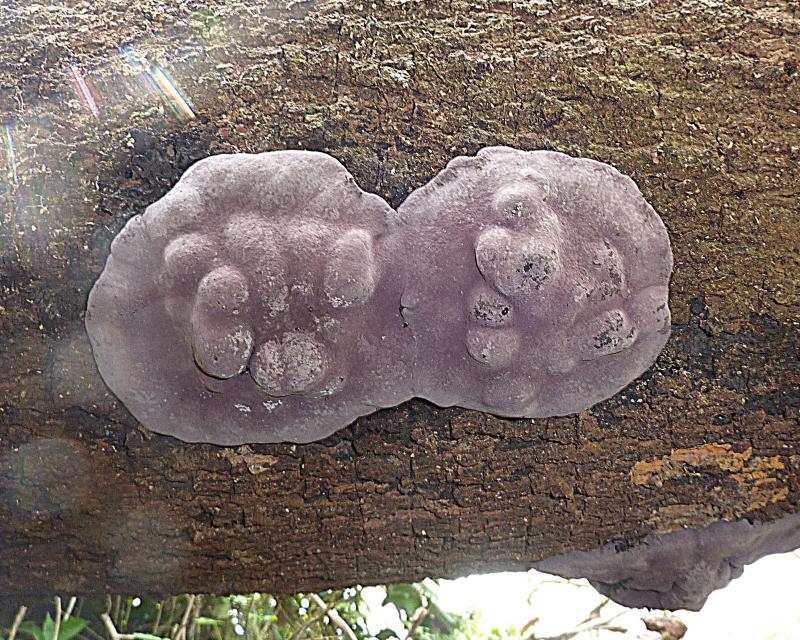
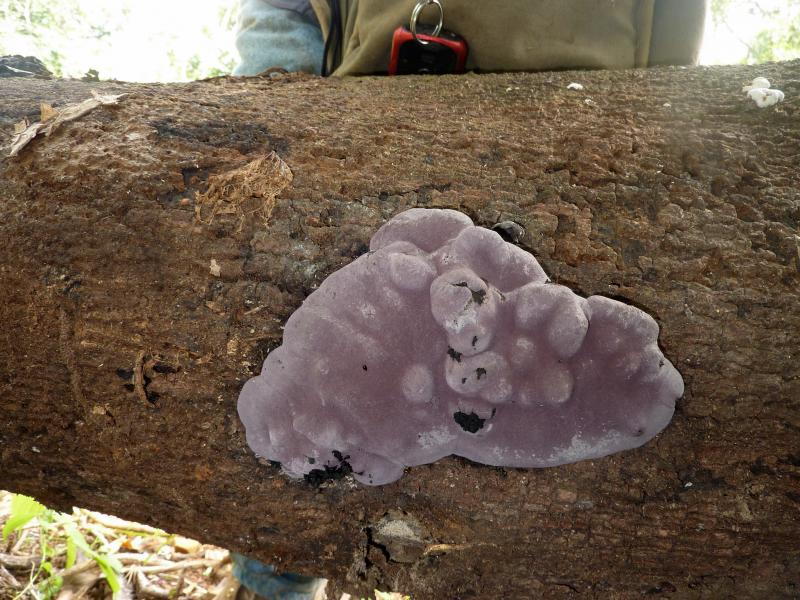
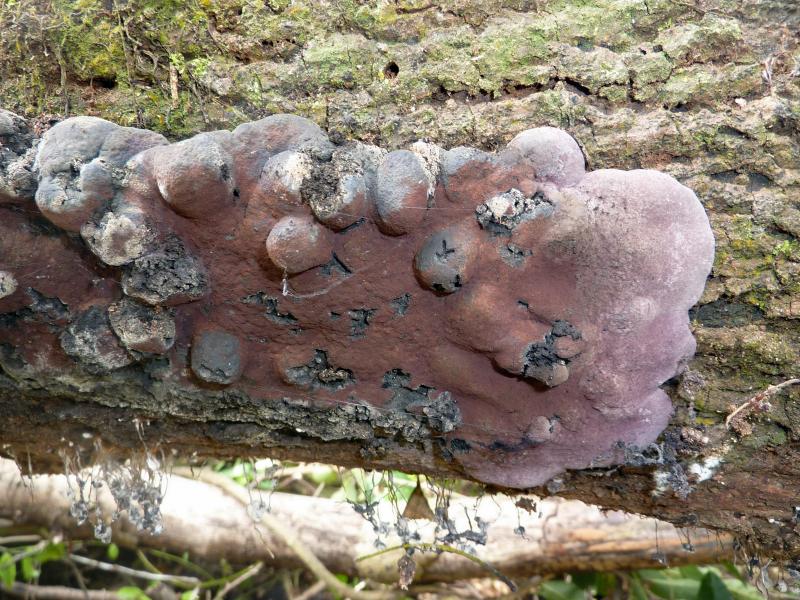
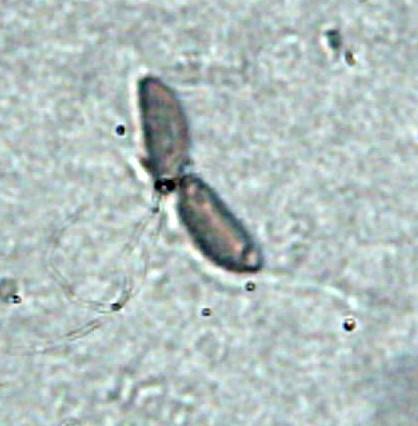
Please i need a experts confirmation if this specimen is Hypoxylon nicaraguense. I appreciate your observations. Ascocarp to 15 cm. diameter x 2 - 3 thick. Thanks.
Jacques Fournier,
12-10-2012 10:23

Re : Hypoxylon nicaraguense...(?)
Hi Eduardo,
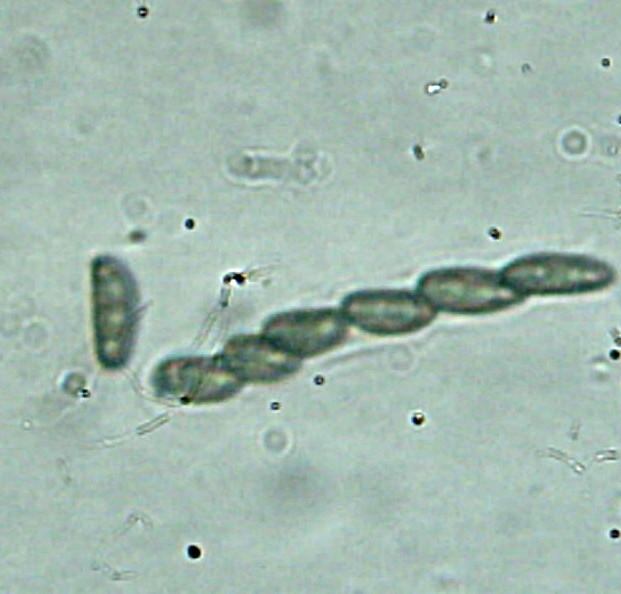
how the hell did you arrive to this name? Hypoxylon nicaraguense is characterizd by purple pigments in KOH, a thick lamellate interior, long tubular perithecia, papillate ostioles and ascospores 12-15 x 5,5-6 µm with a perispore indehiscent in KOH and you recorded none of these characters. Please come back to us with these data if you want us to help you
Jacques
how the hell did you arrive to this name? Hypoxylon nicaraguense is characterizd by purple pigments in KOH, a thick lamellate interior, long tubular perithecia, papillate ostioles and ascospores 12-15 x 5,5-6 µm with a perispore indehiscent in KOH and you recorded none of these characters. Please come back to us with these data if you want us to help you
Jacques
Esquivel-Rios Eduardo,
12-10-2012 13:18
Re : Hypoxylon nicaraguense...(?)
Sorry,but a colleague suggested this name, so I'm doing the query in this forum.
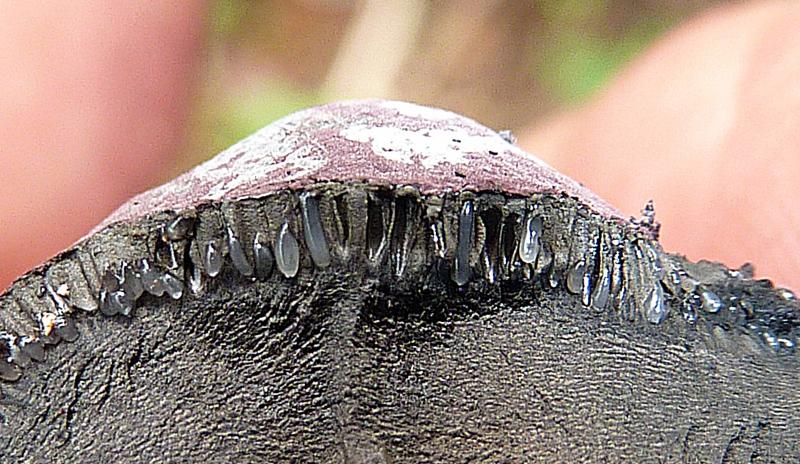
Also someone told me it could be Daldina placentiformis. Ascospores size 12 - 15 x 5 - 6 microns, Schedule an additional photo inside the stroma.
Also someone told me it could be Daldina placentiformis. Ascospores size 12 - 15 x 5 - 6 microns, Schedule an additional photo inside the stroma.
Jacques Fournier,
12-10-2012 14:57
Re : Hypoxylon nicaraguense...(?)
this stroma is immature, find a mature one with brown ascospores. If they have a perispore dehiscent in KOH and if the stromatal pigments are green you may have indeed D. placentiformis, which occurs sometimes in such a large coalescent group of stromata.
Jacques
Jacques