
12-06-2026 14:50
 François Freléchoux
Bonjour, Voici la brève description d'une Mollis
10-06-2026 21:16
François Freléchoux
Bonsoir,Le dernier du jour, en attendant votre avi
11-06-2026 19:01
 William Slosse
Hello all,In an attempt to make a culture of a sus
11-06-2026 19:03
 Nicolas VAN VOOREN
Chers membres d'Ascofrance,Le site sera placé en

09-06-2026 18:32
Camille MertensSur morceau de roseau immergé 0,5 - 0,7 mm de dia
10-06-2026 12:54
Steve ClementsBonjour encore, Pouvez-vous m'aider, s'il vous pl
10-06-2026 21:07
François Freléchoux
Toutes les tiges de gentianes jaunes de l'an passÃ
10-06-2026 13:41
François Freléchoux
Bonjour à nouveau, Voici une trouvaille d'hier.
Pyrenomycete causing deformation on Corylus twigs?
Björn Wergen,
02-02-2014 20:12
 Hi friends,
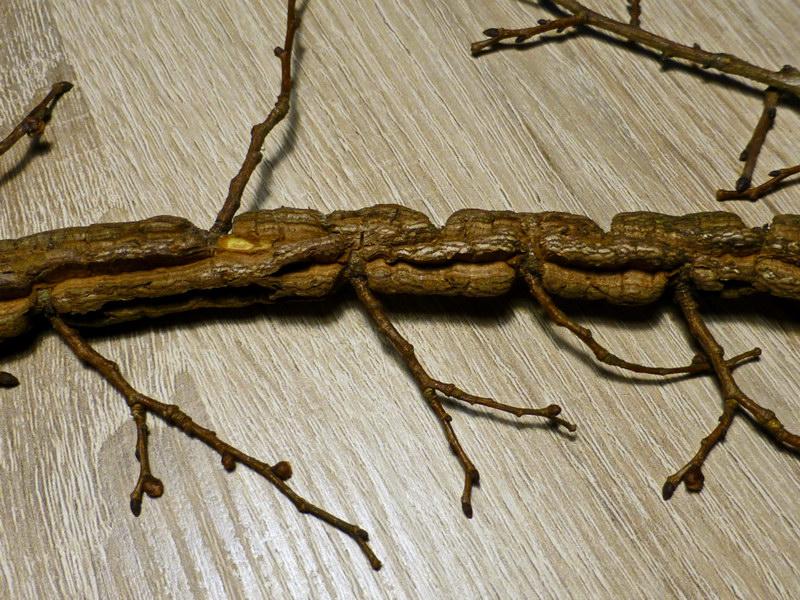
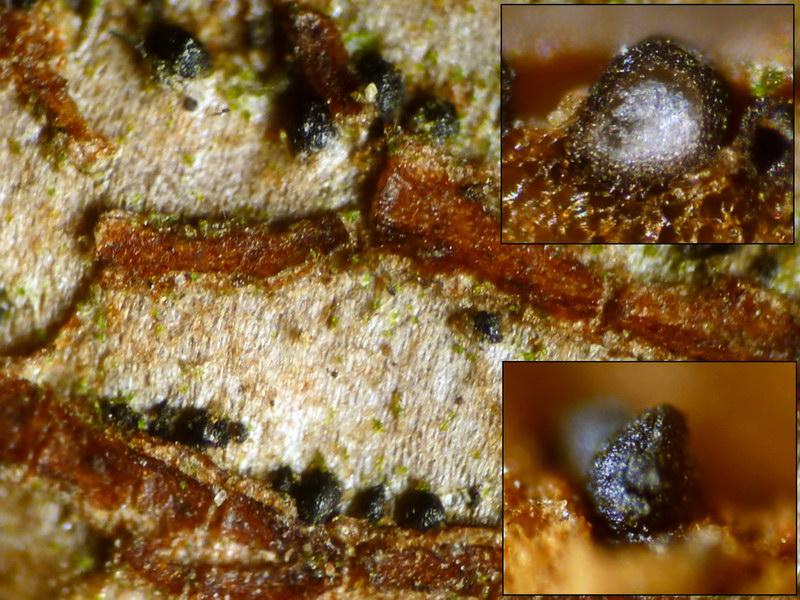
I have some Corylus twigs here with a deformation caused by small, black pyrenomycetes, which are growing on the deformations, while the twig is still living.
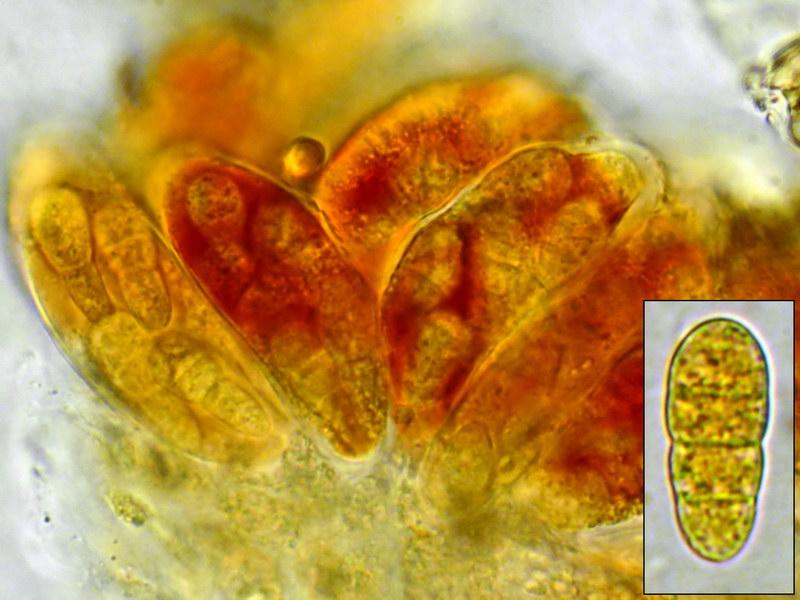
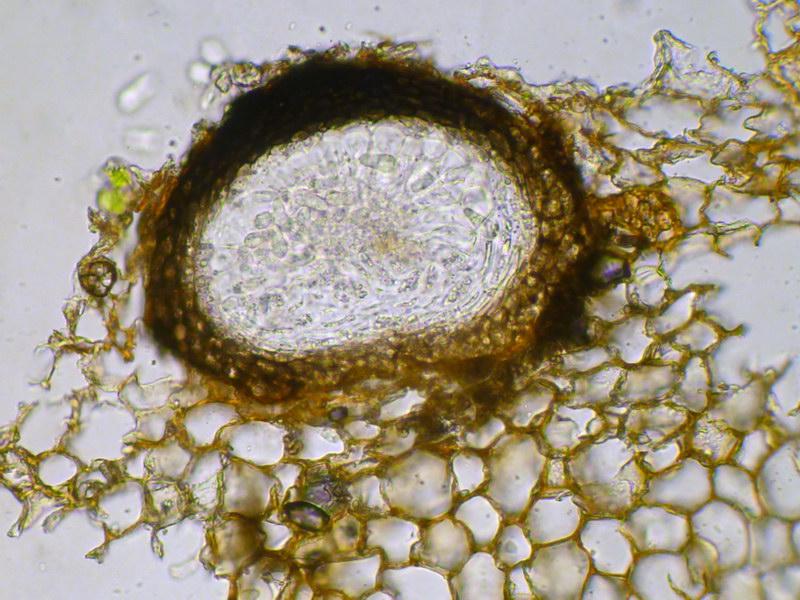
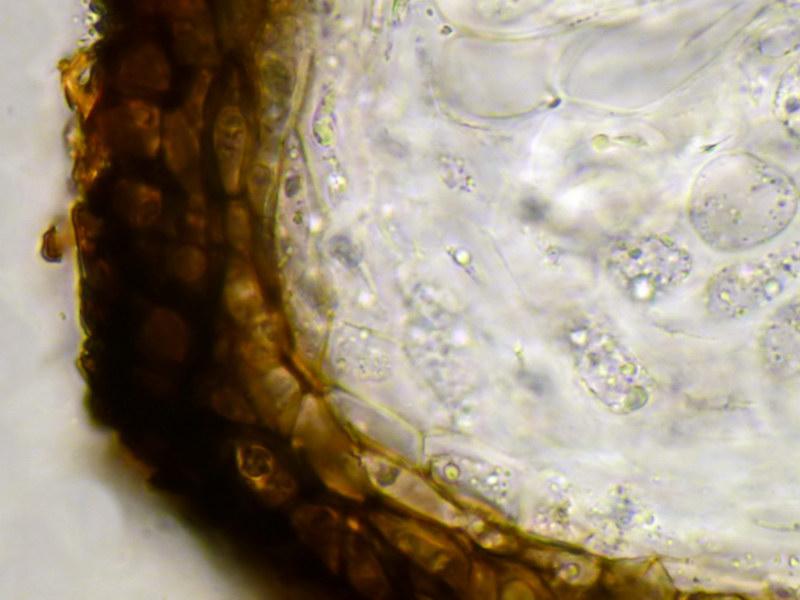
Pseudothecia 0,2-0,35mm, 1/2 embedded into the surface and growing freely later, black, pyriforme, smooth, without ostiolus.
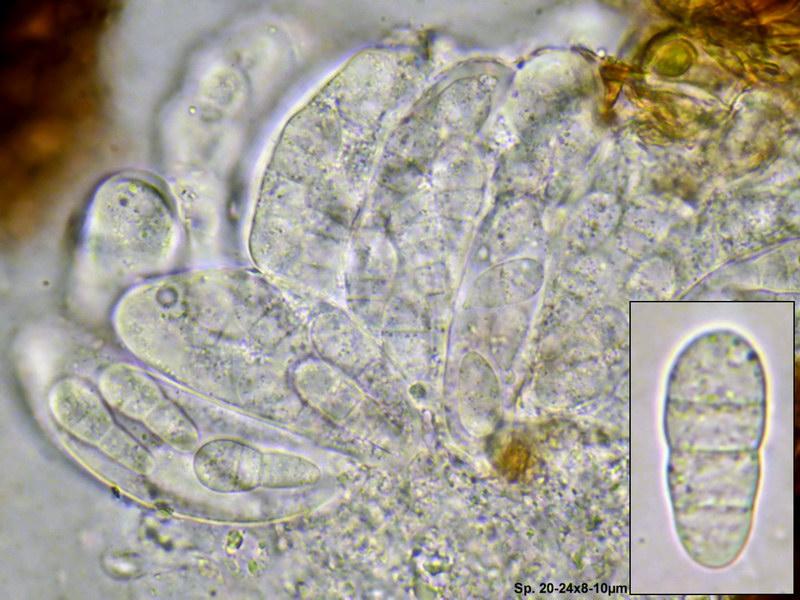
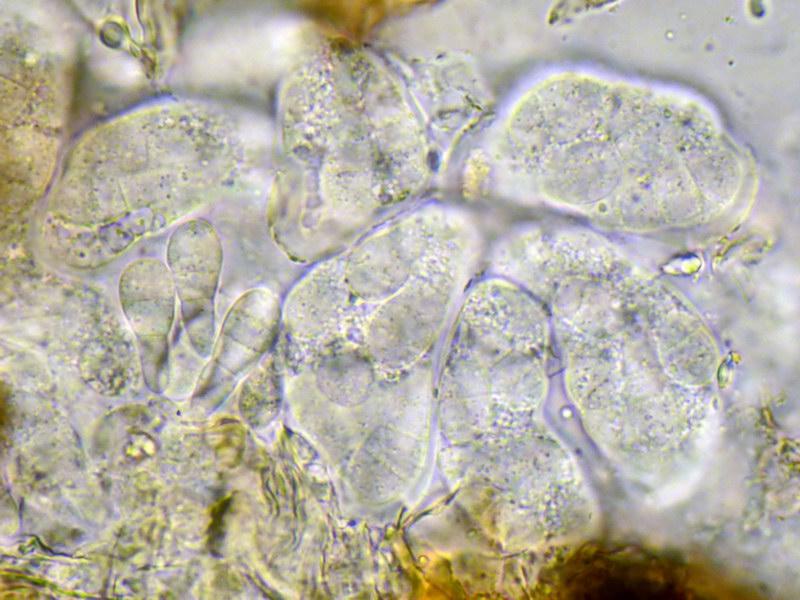
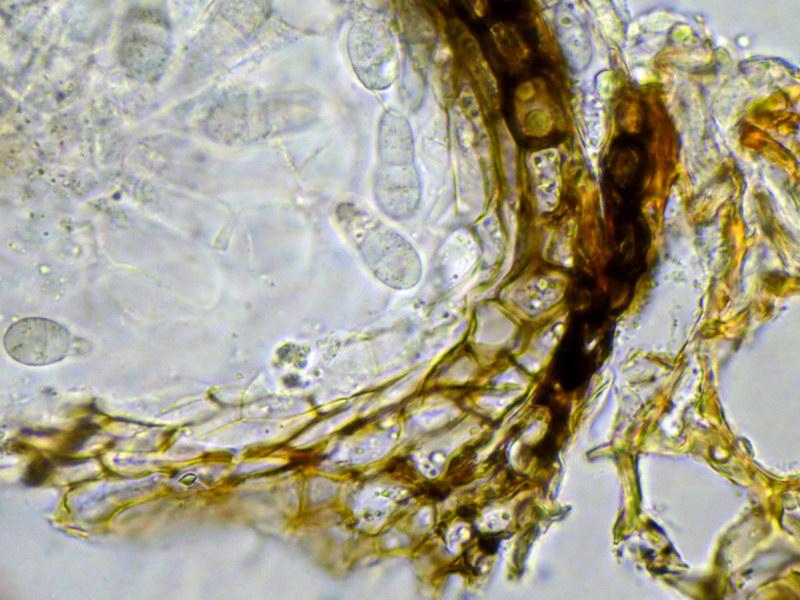
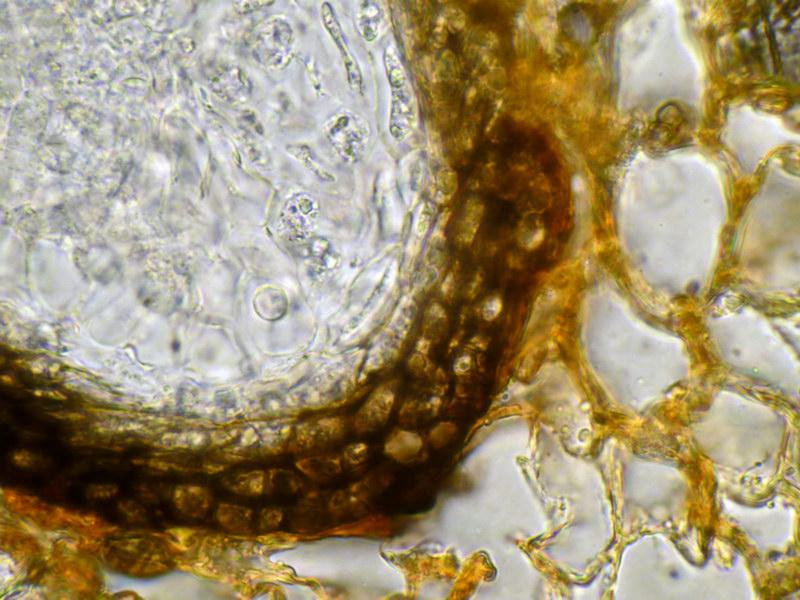
Spores are 20-24x8-10µm, asymmetrical, upper cell broader, generally with three septations, smooth, hyaline. Asci with 8 spores, somewhat saccate, broadest in the middle-lower region, IKI- (red), bitunicate, no stalk, 55-65x17-22µm, without pseudoparaphyses/periphyses. Wall consisting of a 12-15µm thick region of dark brown parenchymatous cells and a ~10µm thick region with paler to hyaline, compressed cells.
Any idea? I thought about Leptosphaerulina, but I did not find any species with the described features.
regards,
björn
Jaklitsch Walter,
02-02-2014 20:49
Re : Pyrenomycete causing deformation on Corylus twigs?
Hi Björn,
based on the image the host is Ulmus minor due to the cork wings (or strips) and alternating twigs. The wings are dead.
The fungus is apparently Saccothecium sepincola, typically occurring on Rosa, although the spore size you give is unusually large.
Regards, Walter
based on the image the host is Ulmus minor due to the cork wings (or strips) and alternating twigs. The wings are dead.
The fungus is apparently Saccothecium sepincola, typically occurring on Rosa, although the spore size you give is unusually large.
Regards, Walter
Björn Wergen,
02-02-2014 21:02
Re : Pyrenomycete causing deformation on Corylus twigs?
Hi Walter,
really Saccothecium sepincola? I thought about that species, but it is described mostly with more than 4 septations. Quite curious...however, thanks for your opinion :)
regards,
björn
really Saccothecium sepincola? I thought about that species, but it is described mostly with more than 4 septations. Quite curious...however, thanks for your opinion :)
regards,
björn
Jaklitsch Walter,
02-02-2014 21:24
Re : Pyrenomycete causing deformation on Corylus twigs?
image 3 in the middle shows an ascospore with 5 septa, if I see that correctly
The fasciculate asci are also typical.
W.
The fasciculate asci are also typical.
W.
Alain GARDIENNET,
02-02-2014 22:41

Re : Pyrenomycete causing deformation on Corylus twigs?
Hi Björn,
Again Walter is right, I think.
All features fit well with S. sepincola (particularly hamathecium). Generally, it's given on Rosa. But I have already found it on Rubus sp. and Cornus sanguinea.
Alain