12-06-2026 14:50
 François Freléchoux
Bonjour, Voici la brève description d'une Mollis
10-06-2026 21:16
François Freléchoux
Bonsoir,Le dernier du jour, en attendant votre avi
11-06-2026 19:01
 William Slosse
Hello all,In an attempt to make a culture of a sus
11-06-2026 19:03
 Nicolas VAN VOOREN
Chers membres d'Ascofrance,Le site sera placé en

09-06-2026 18:32
Camille MertensSur morceau de roseau immergé 0,5 - 0,7 mm de dia
10-06-2026 12:54
Steve ClementsBonjour encore, Pouvez-vous m'aider, s'il vous pl
10-06-2026 21:07
François Freléchoux
Toutes les tiges de gentianes jaunes de l'an passÃ
10-06-2026 13:41
François Freléchoux
Bonjour à nouveau, Voici une trouvaille d'hier.
Thyridaria sp.
Andgelo Mombert,
15-09-2020 17:27

Bonjour,
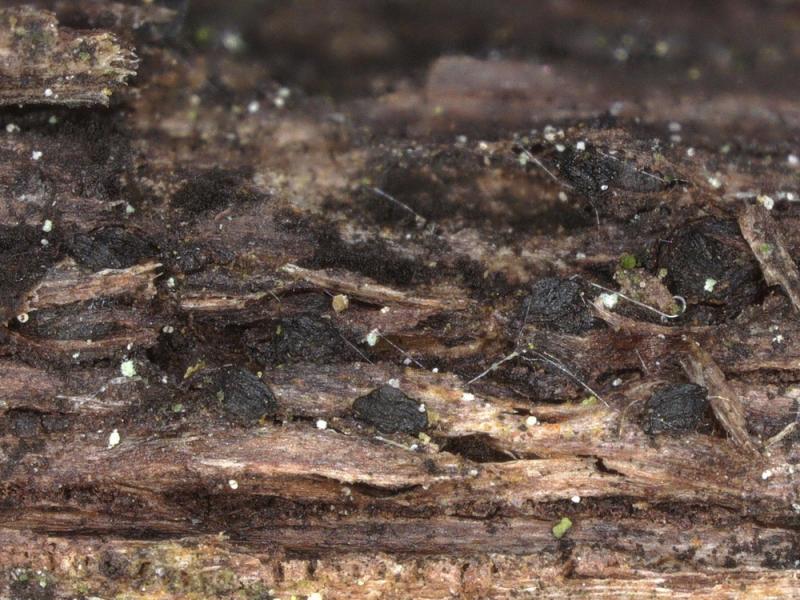
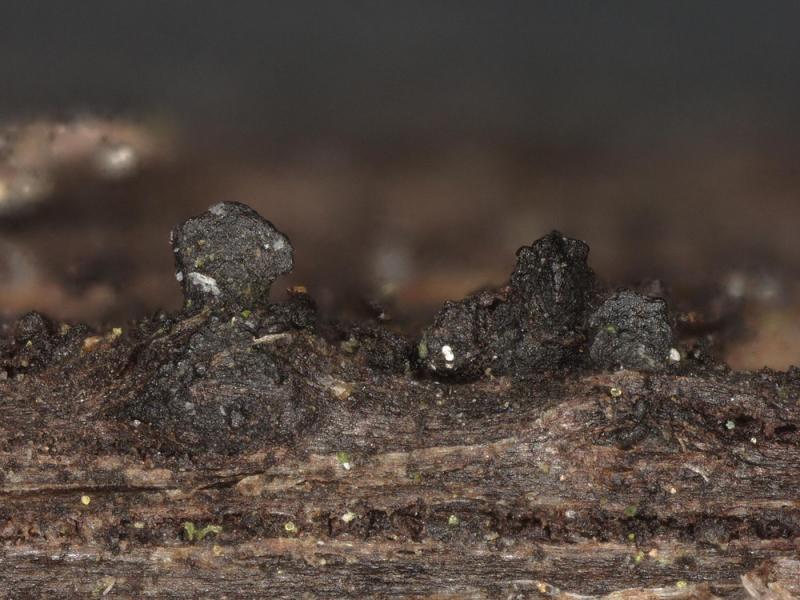
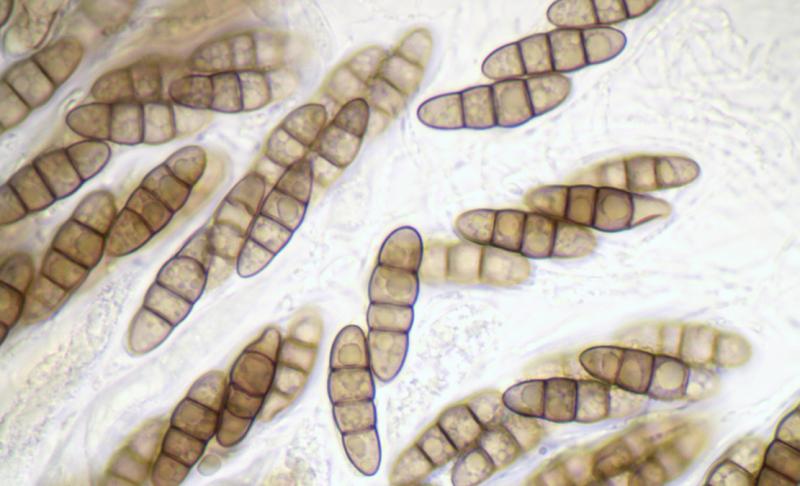
Sur branche morte décortiquée de Berberis vulgaris en montagne (Valais, Suisse).
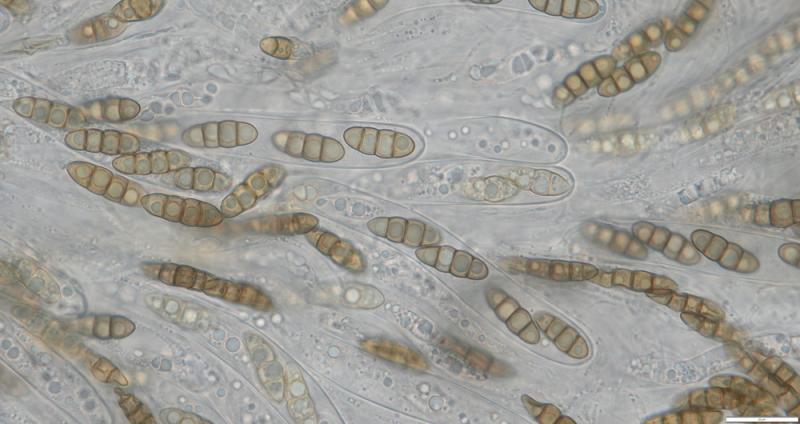
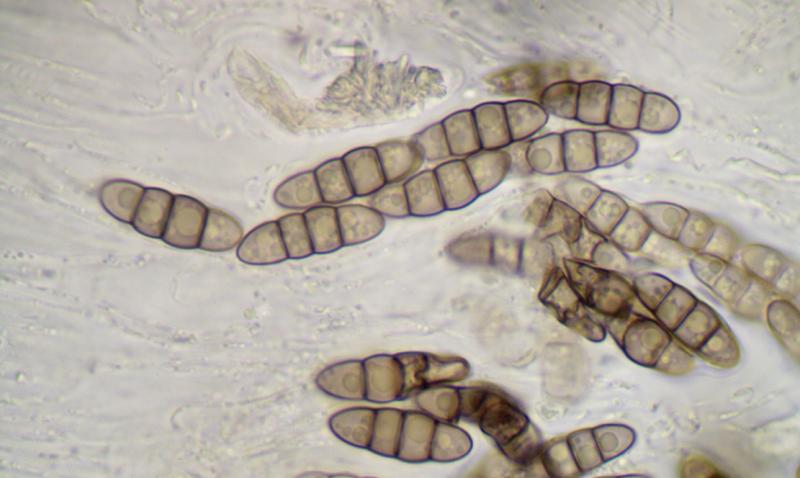
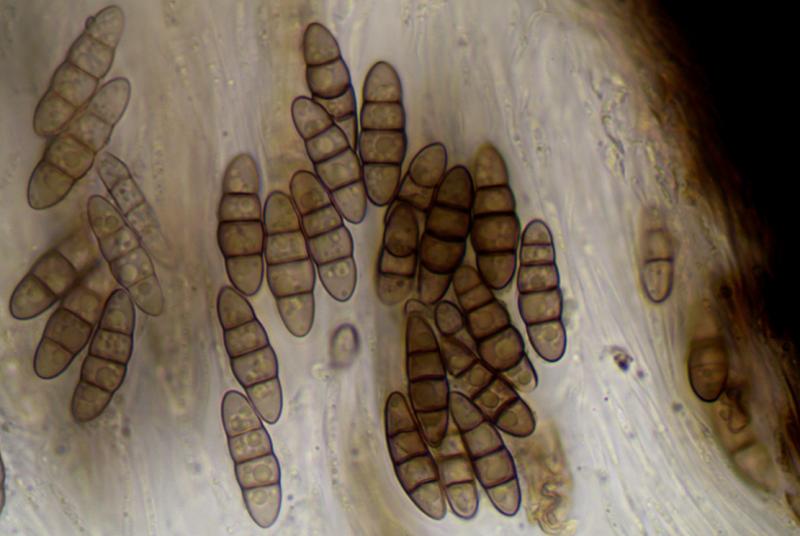
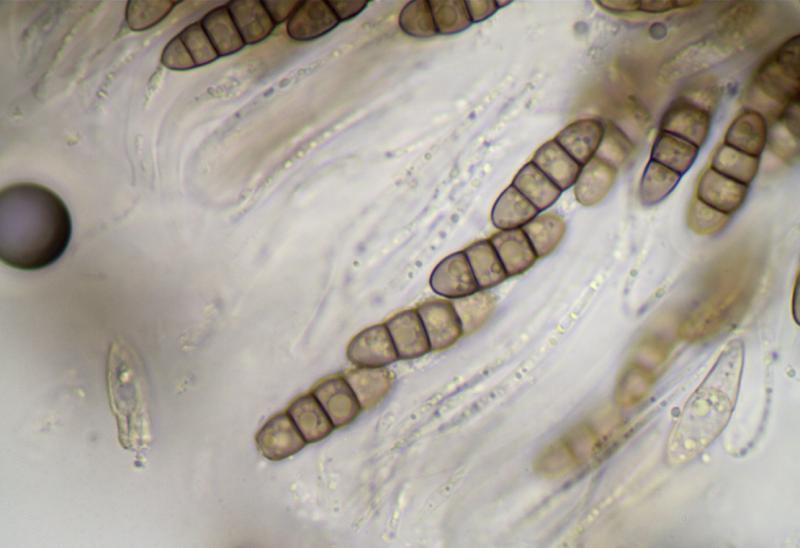
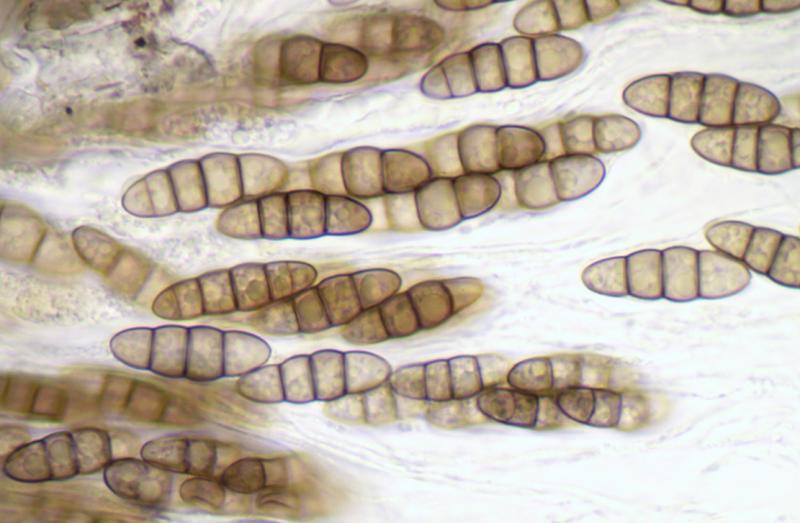
Ascospores : 19,5-25 x 6-9 µm, en moyenne 22 x 7 µm, brunes, à 3(4) cloisons, lisses.
Asques : cylindriques, bituniqués, contenant huit ascospores unisériées ou bisériées.
Pourrait-il s'agir de Thyridaria triseptata ?
Merci d'avance pour votre aide !
Andgelo
Gernot Friebes,
11-03-2026 13:38
Re : Thyridaria sp.
Dear Andgelo,
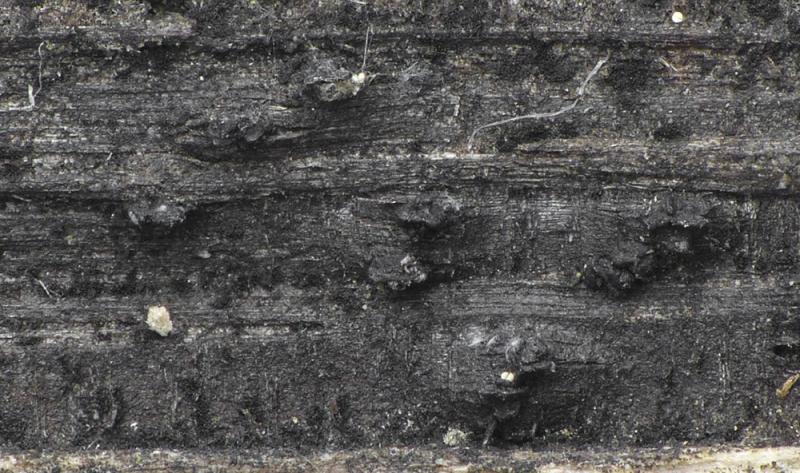
I likely found the same species, also on Berberis vulgaris. Ascospores: approx. 21.2-24.3 x 6.5-8.6 µm, apparently always 3-septate.
I would put this in the vicinity of Lophiostoma quadrinucleatum. The ascospore size of our collections falls between L. quadrinucleatum and L. caespitosum. Interestingly, Holm & Holm mention collections from Berberis deviating from L. quadrinucleatum, but I have not seen the additional septa that they describe, and the ascospore length they give is still on the larger side.
So, my best guess would be that this is a distinct (undescribed?) species from the L. quadrinucleatum complex.
Best wishes,
Gernot
I likely found the same species, also on Berberis vulgaris. Ascospores: approx. 21.2-24.3 x 6.5-8.6 µm, apparently always 3-septate.
I would put this in the vicinity of Lophiostoma quadrinucleatum. The ascospore size of our collections falls between L. quadrinucleatum and L. caespitosum. Interestingly, Holm & Holm mention collections from Berberis deviating from L. quadrinucleatum, but I have not seen the additional septa that they describe, and the ascospore length they give is still on the larger side.
So, my best guess would be that this is a distinct (undescribed?) species from the L. quadrinucleatum complex.
Best wishes,
Gernot