
12-07-2015 00:05
 Nedim Jukic
This one from the same locality as the previous on
06-06-2026 17:44
Steve ClementsBonjour, This disco was on planed wood 3 x 1.5 cm
14-08-2016 23:15
 Alex Akulov
Dear friendsCan you help me to find the descriptio

05-06-2026 11:02
Thomas Læssøehttps://svampe.databasen.org/observations/10596691
04-06-2026 11:36
Gernot FriebesHi,found on Vaccinium myrtillus.Asci: IKI –, 8-s
05-06-2026 12:10
 François Freléchoux
Capitotricha sp. sur Lonicea caerulea Caractères
19-05-2026 10:27
Patrice TANCHAUDBonjour, récolte récente sur terre retournée i
04-06-2026 18:39
Gernot FriebesHi,I collected this species in two different locat
Pseudonectria?
Björn Wergen,
22-03-2014 00:11
 Hi friends,
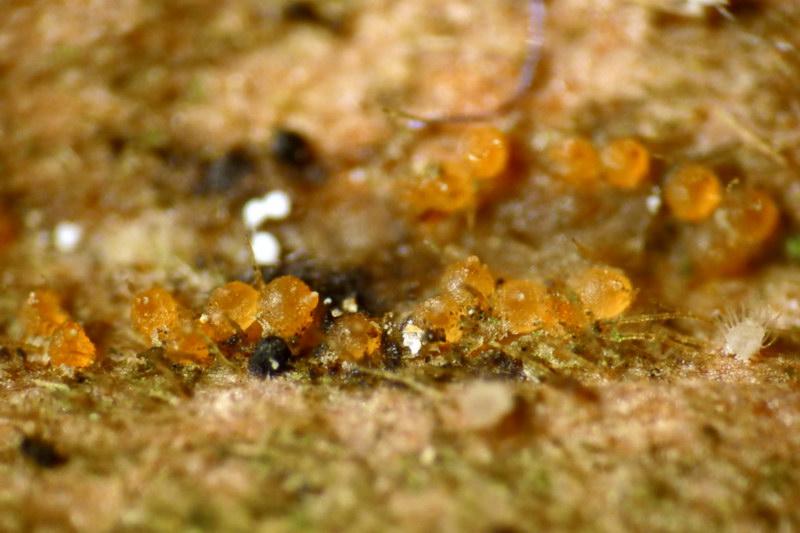
I have a collection from Braga, Portugal, on indetermined plant debris (very flat stems with hairs on the surface, I do not know what that is). On this substrate I have found a nectrioid species with a Volutella anamorph and Gibberella cyanogena with a Fusarium anamorph. According to Rossman 1999, Volutella is a common anamorph of the genus Pseudonectria, which unfortunately has one septated ascospores. Is there any other idea what this one can be?
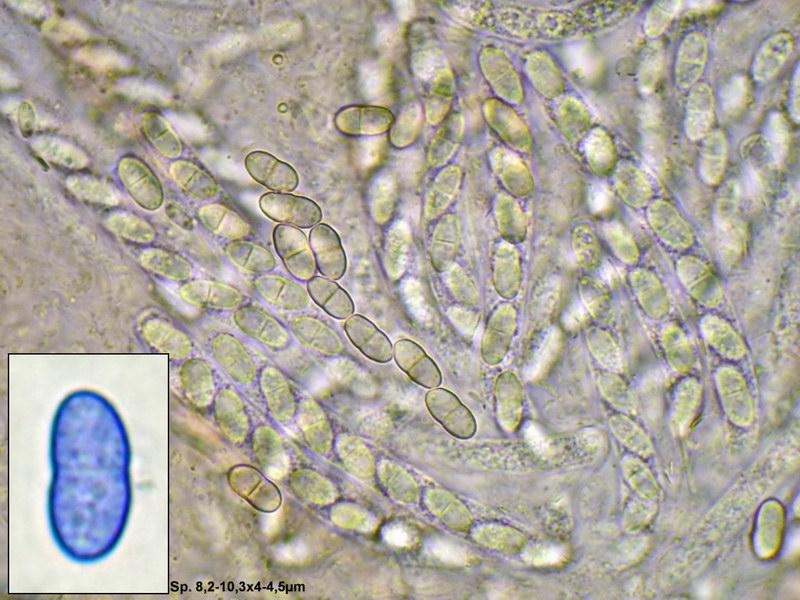
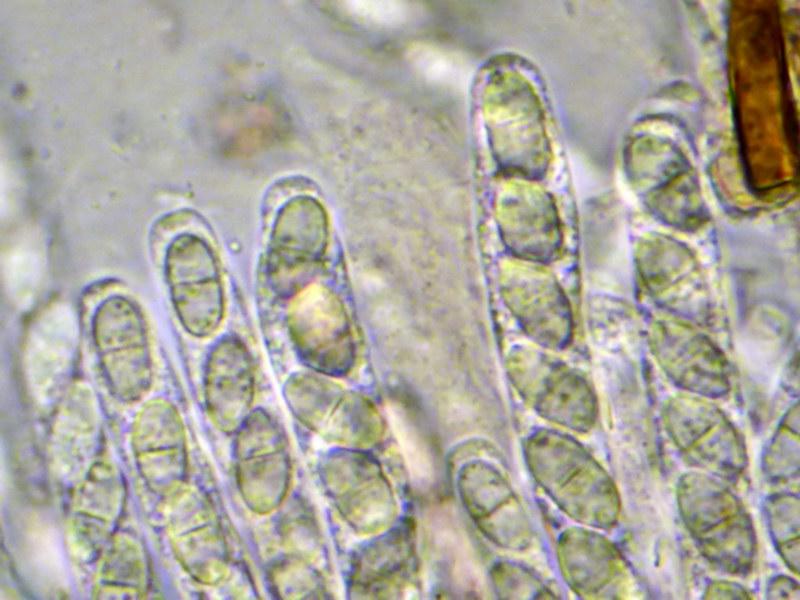
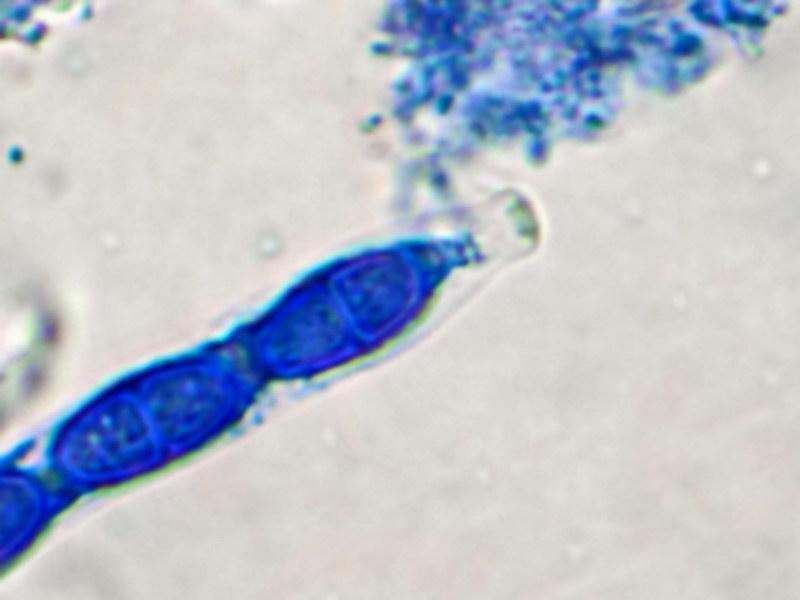
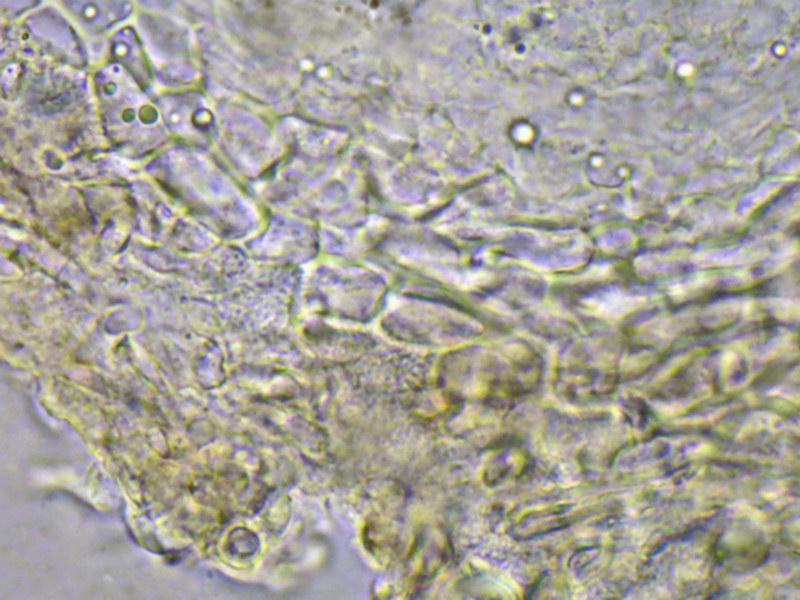
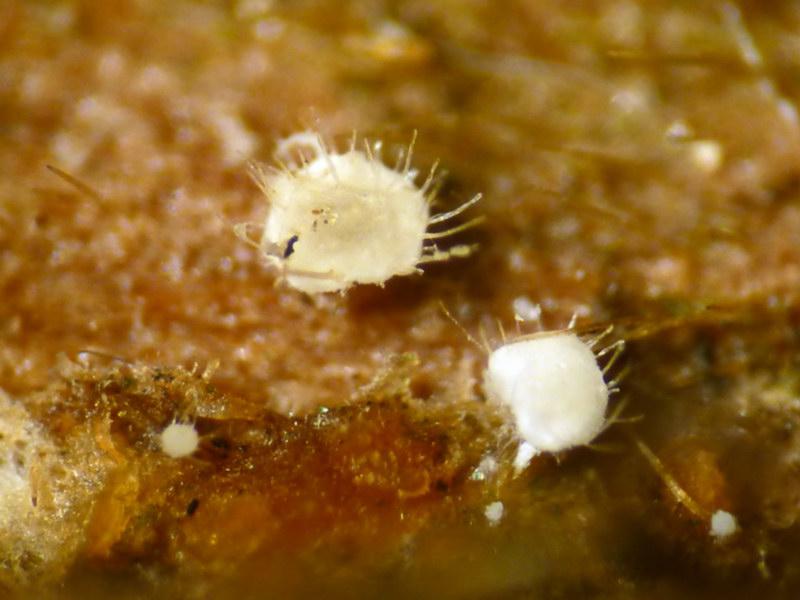
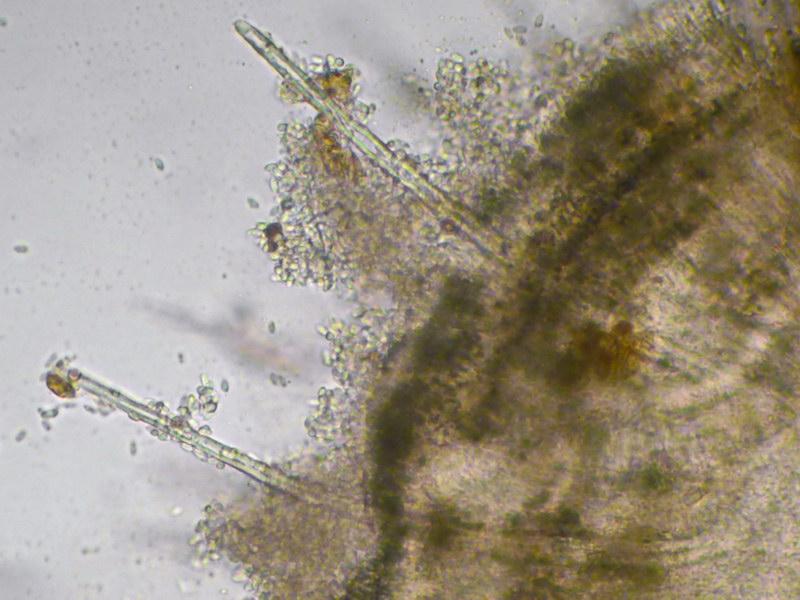
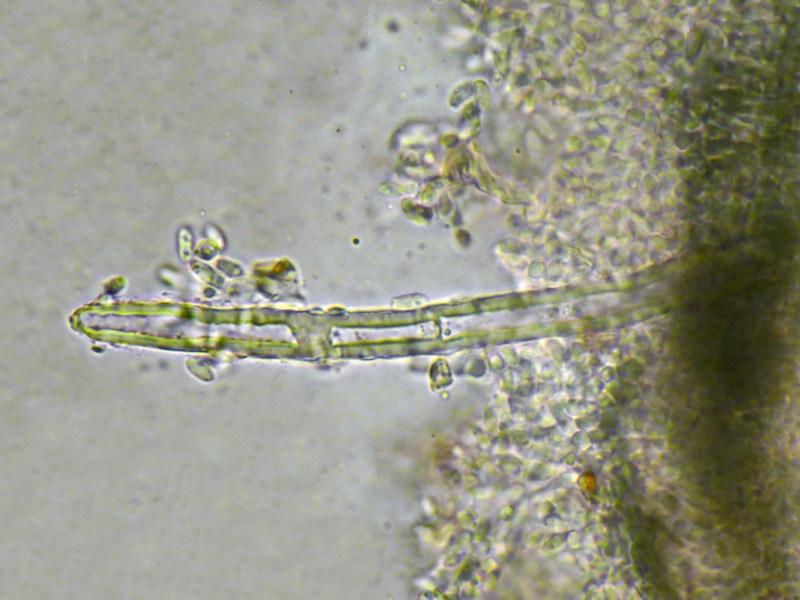
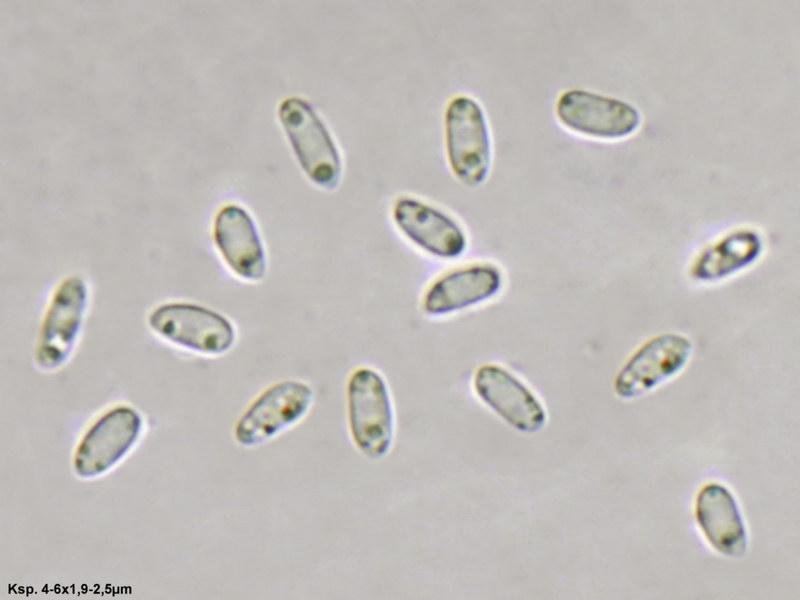
Fruitbodies are about 200-260µm in diametre, orange-yellow and with prominent papilla, with a 7-15µm broad wall and 8spored asci about 70-90x6,5-8µm. Spores are 8,2-10,3x4-4,5µm, 2celled and with dotted surface. KOH negative.
Thanks in advance for any help.
regards,
björn
Walter Gams,
22-03-2014 10:17

Re : Pseudonectria?
Dear Björn, It seems that you have the rare teloeomorph of the very common Volutella ciliata. volutella is heterogeneous as shown by Gräfenhan et al. in Stud. Mycol. 68: 79-113. The teleomorph of Volutella s. str. was formerly in Cosmospora, but is now segregated and the generic name Volutella will be retained for these fungi. On the other hand, Volutella buxi is now in Pseudonectria buxi. In a study of these fungi many years ago, Gary Samuels confused this fungus with the teleomorph of V. minima. A detailed description of the teleomorph with molecular study of an isolate would be worth while.
Björn Wergen,
22-03-2014 11:26
Re : Pseudonectria?
Dear Walter,
so can I send you the collection for further studies? I am very interested in this.
regards,
björn
so can I send you the collection for further studies? I am very interested in this.
regards,
björn