
31-05-2026 10:35
Hulda Caroline HolteHello,I collected this species growing on a rather
30-05-2026 21:12
Philippe PELLICIERSur branche de mélèze (Larix) près de la neige,
25-05-2026 16:35
 Bernard CLESSE
Bonjour à toutes et tous,J'ai trouvé récemment,
29-05-2026 15:35
daniel FERREBonjour à tous,Je voudrais votre aide pour cette
28-05-2026 16:15
James MitchellHello,Does anyone have the original publication of
28-05-2026 11:06
Thomas Læssøehttps://svampe.databasen.org/observations/10596750
23-05-2026 11:44
 Charles Grapinet
Hello, I am having trouble identifying this copro
25-05-2026 16:44
François BartholomeeusenHi forum members,During an excursion organised by
26-05-2026 21:25
Dirk GerstnerHello everyone, I'm completely stumped by this li
26-05-2026 22:44
Ethan CrensonHi all, I think I have Incrucipulum capitatum her
Salmon Pulvinula
Zuzana Sochorová (Egertová),
20-07-2014 13:43
 Bonjour,
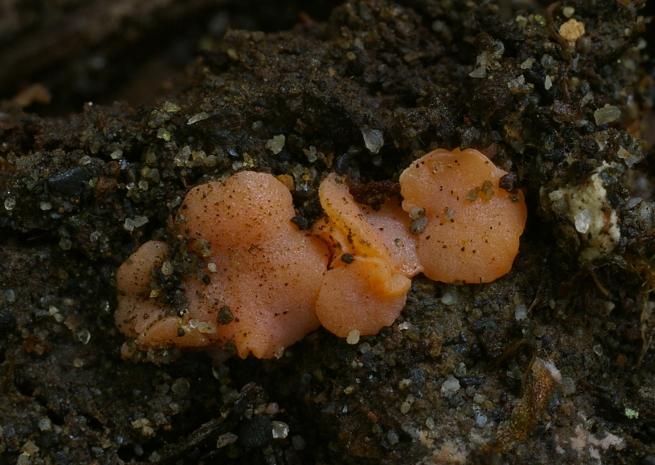
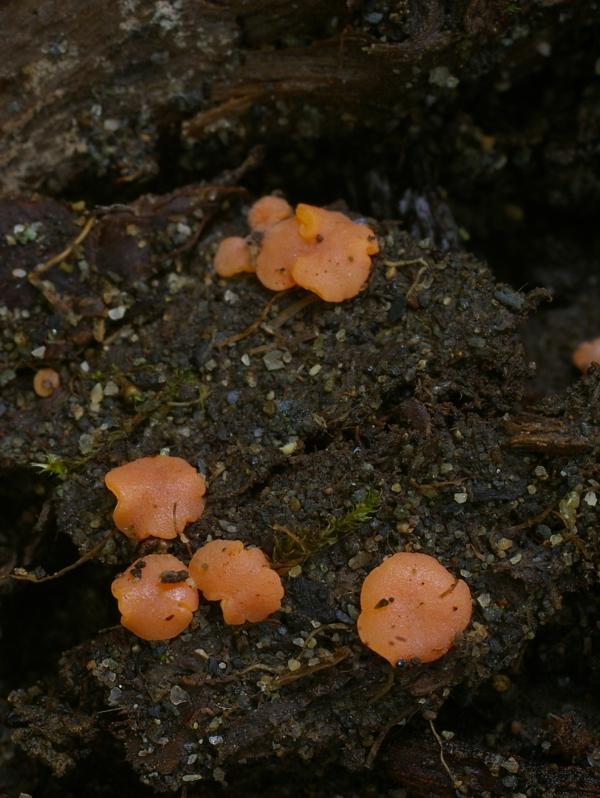
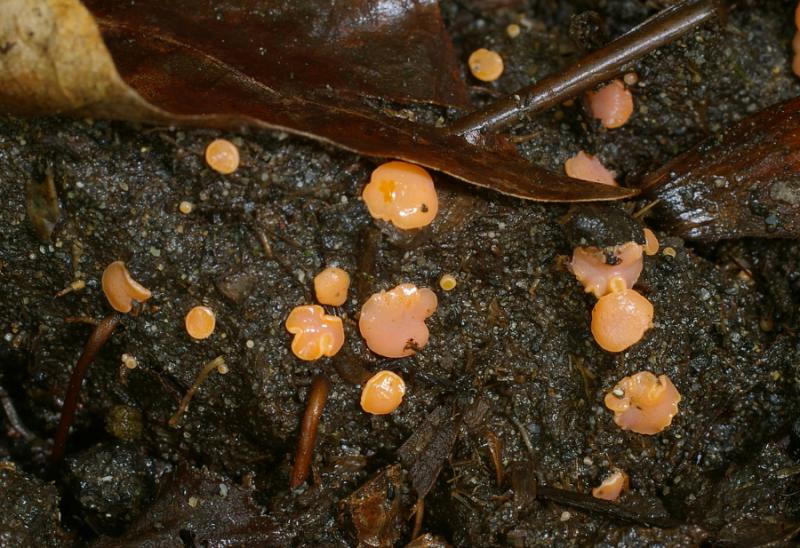
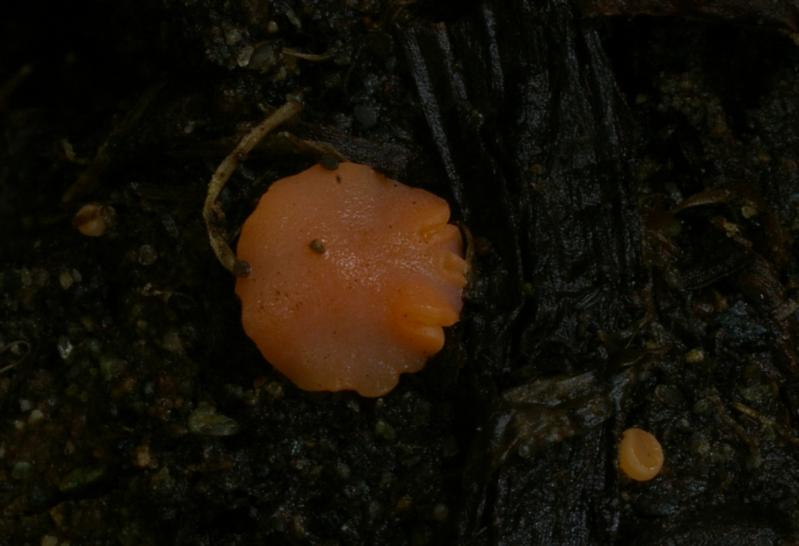
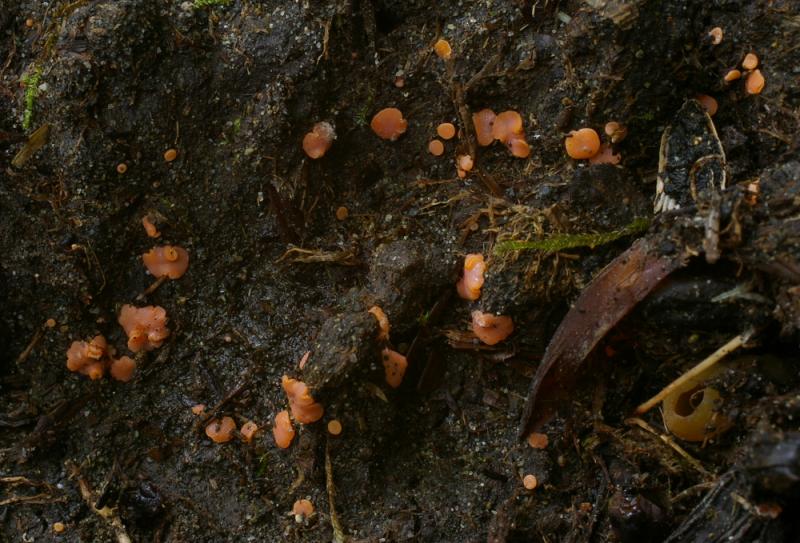
this Pulvinula is from Georgia - Batumi botanical garden, Transcaucasian section. It grew in a flowerbed on a wet ground with pieces of wood, together with Peziza michelii. Collected on 6th July 2014.
Apothecia 0,5-4,5 mm broad, sessile, pink-salmon, sometimes with yellow tinge, rounded or irregularly shaped, flat or slightly convex.
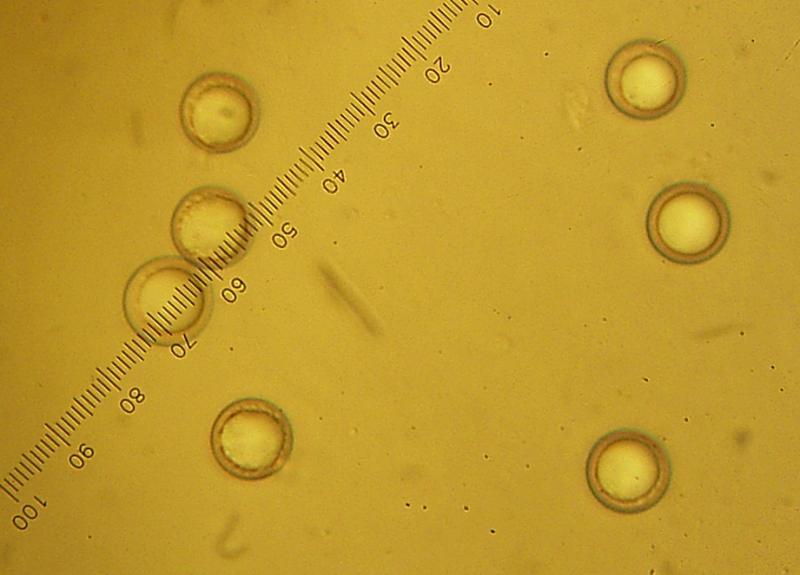
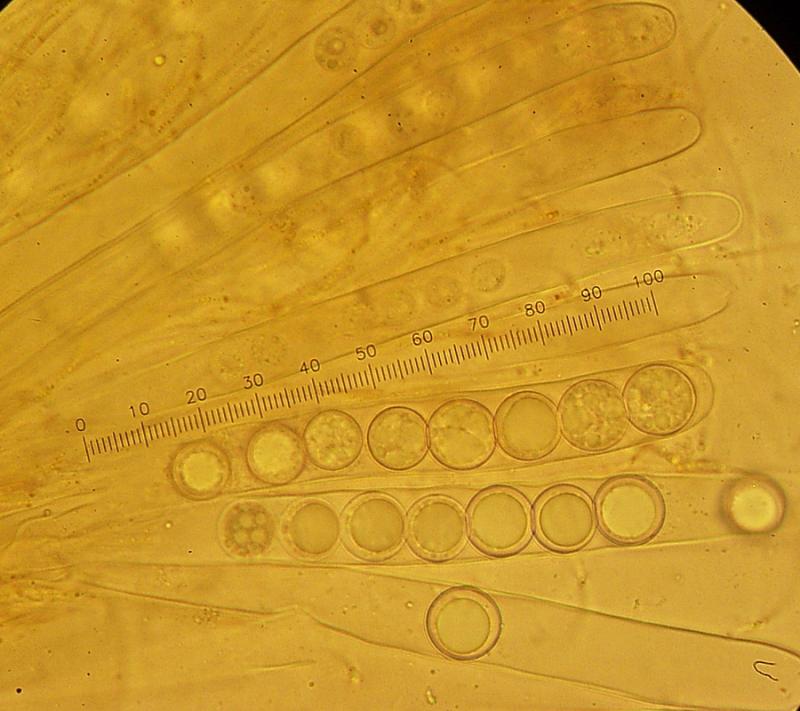
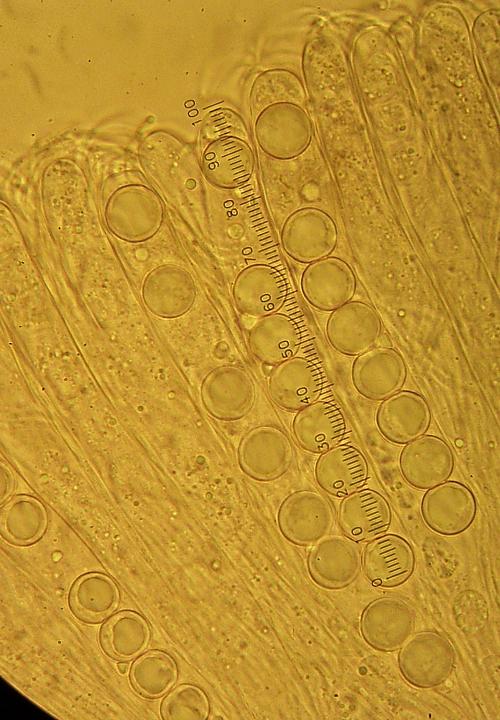
Spores globose, 10,5-13 micrometers, smooth, hyaline.
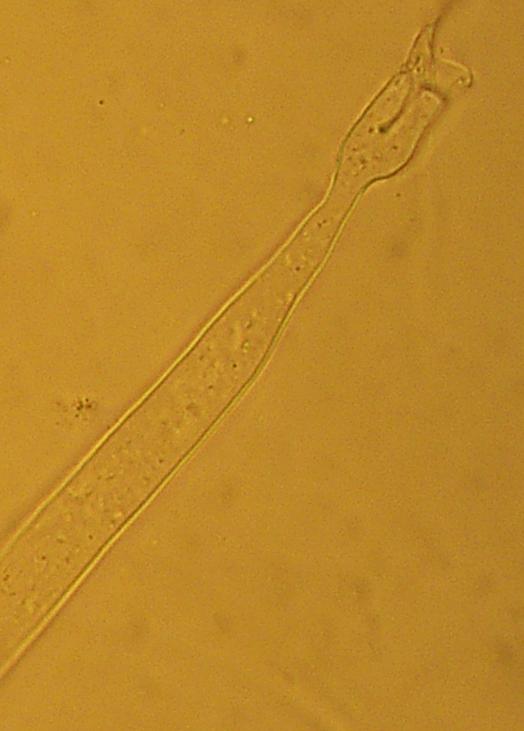
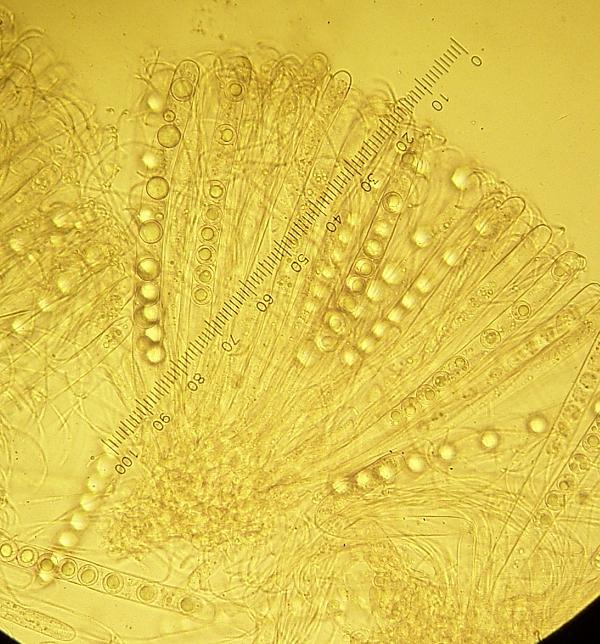
Asci cylindric, 195-220 x 9,5-13,5 micrometers, with 8 spores, no reaction in Lugol.
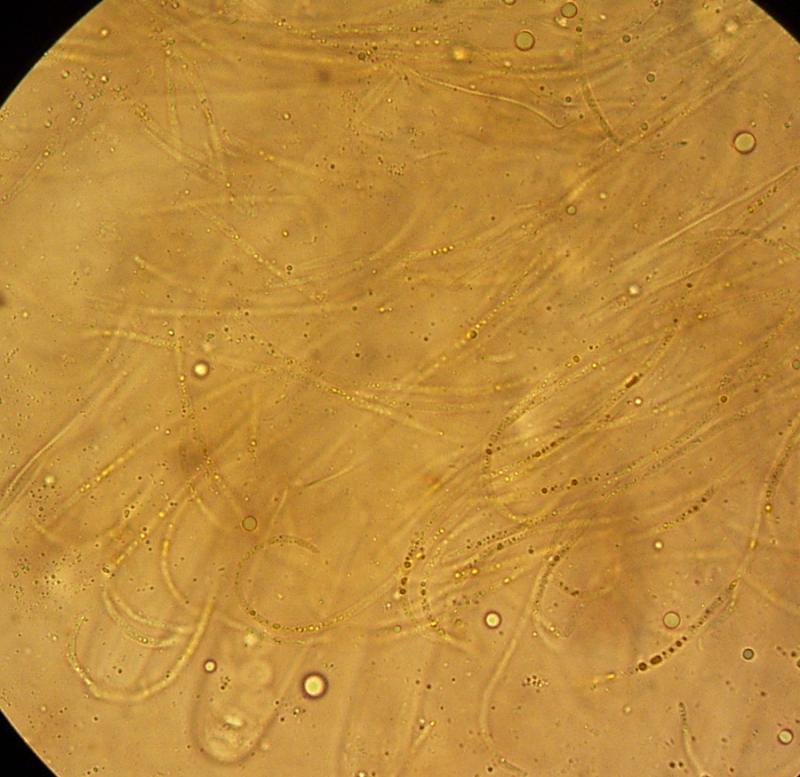
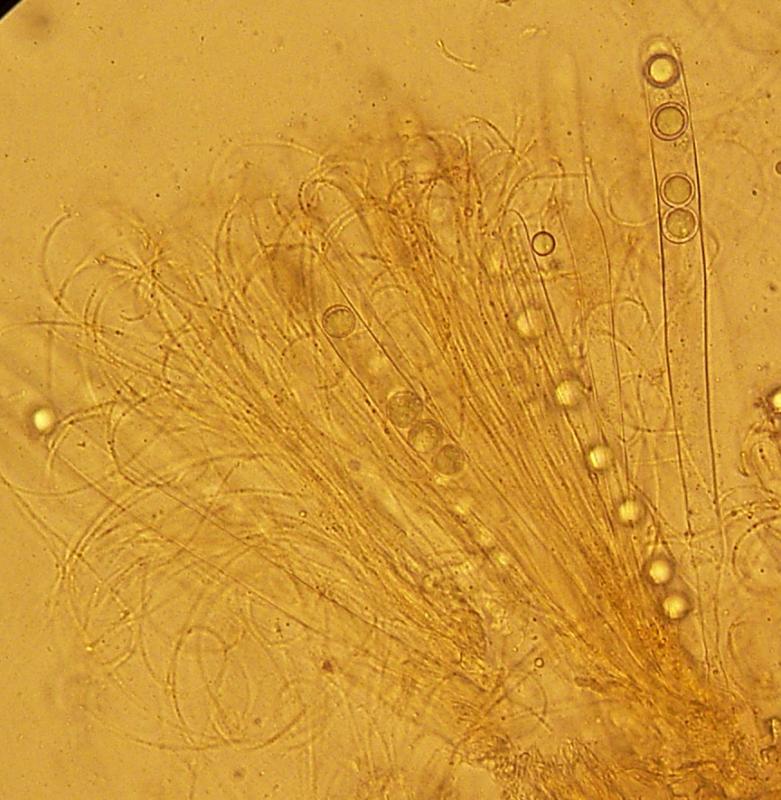
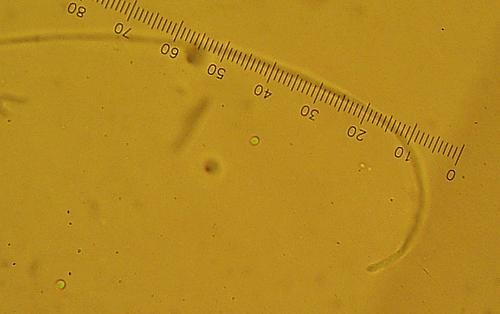
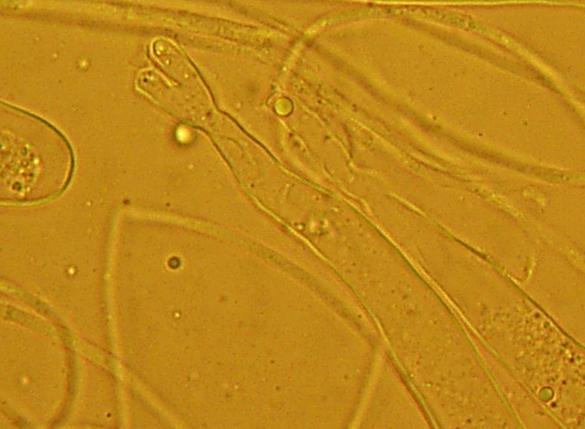
Paraphyses about 1,5 micrometer broad, curved, with orange granules.
Pulvinula laeterubra seems to be the most similar species, but asci of my Pulvinula are longer then given by Pfister - (140)-161-184-(200) micrometers.
Zuzana
Gilbert MOYNE,
20-07-2014 14:28
Re : Salmon Pulvinula
Paraphyses divisées au sommet pour P. laeterubra... sinon, regarder du côté de Pulvina globifera...
Gilbert
Gilbert
Zuzana Sochorová (Egertová),
20-07-2014 15:25
Re : Salmon Pulvinula
Merci Gilbert.
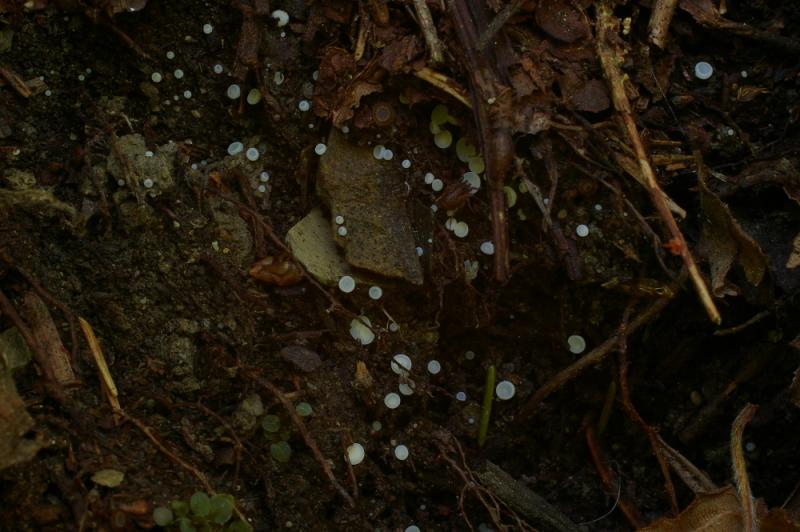
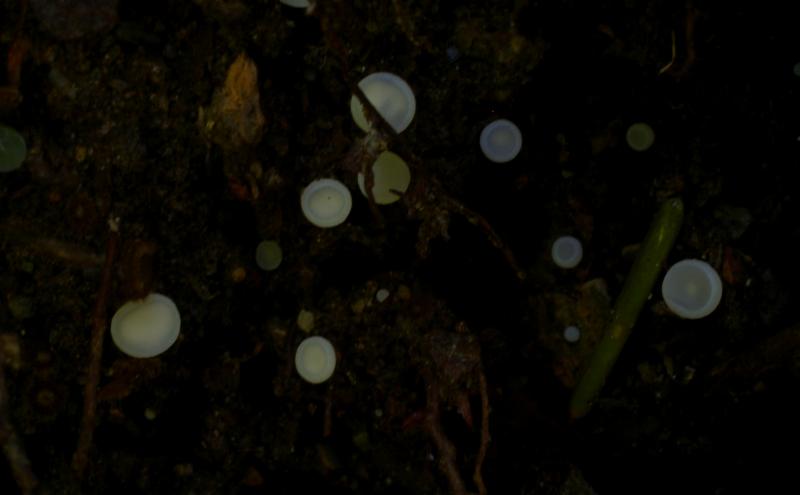
I have got one more Pulvinula from Georgia (from a different part of the country - Racha mountains) and it´s true it´s very similar to Pulvinula from Batumi microscopically, although totally different macroscopically.
These were white, up to 1 mm broad and grew together with Rhodoscypha ovilla. Unfortunatelly I didn´t find free spores, the biggest spores inside the asci measure 11-13 micrometers and have got 1 big guttule. Asci are 188-212 x 10,5-13 micrometers, contain 8 spores. Paraphyses are 1,2-1,5 micrometers broad, curved, not branched at apex. 8 spores in asci exclude P. lacteoalba, apothecia are too small for P. albida, spore size is too small for P. alba, asci are too short for P. niveoalba (and its spores should contain many small guttules)... so I think Pulvinula from Racha mountains should be P. globifera. Then you are probably right with globifera from Batumi... thank you.
Zuzana
I have got one more Pulvinula from Georgia (from a different part of the country - Racha mountains) and it´s true it´s very similar to Pulvinula from Batumi microscopically, although totally different macroscopically.
These were white, up to 1 mm broad and grew together with Rhodoscypha ovilla. Unfortunatelly I didn´t find free spores, the biggest spores inside the asci measure 11-13 micrometers and have got 1 big guttule. Asci are 188-212 x 10,5-13 micrometers, contain 8 spores. Paraphyses are 1,2-1,5 micrometers broad, curved, not branched at apex. 8 spores in asci exclude P. lacteoalba, apothecia are too small for P. albida, spore size is too small for P. alba, asci are too short for P. niveoalba (and its spores should contain many small guttules)... so I think Pulvinula from Racha mountains should be P. globifera. Then you are probably right with globifera from Batumi... thank you.
Zuzana
René Dougoud,
21-07-2014 10:49
Re : Salmon Pulvinula
Chère Zuzana,
Pfister (1976) - Synopsis of the genus Pulvilula, in Occasional papers of the Farlow Herbarium 9, indique que P. lacteoalba J. Moravec et probablement une forme tetrasporique de P. globifera (Berk & Curt.) Le Gal.
Amicalement
René
Pfister (1976) - Synopsis of the genus Pulvilula, in Occasional papers of the Farlow Herbarium 9, indique que P. lacteoalba J. Moravec et probablement une forme tetrasporique de P. globifera (Berk & Curt.) Le Gal.
Amicalement
René
Zuzana Sochorová (Egertová),
21-07-2014 11:11
Re : Salmon Pulvinula
Merci René. I read this comment in the Pfister´s article at Cyberliber, but there is P. lacteoalba in your key (which is much newer then Pfister´s work), so I didn´t know what is the recent view on this.
However, I´m unsure about the identity of my fungus again, because Marcel wrote me Pulvinula globifera was considered to be a tropical species. I didn´t know this fact because this species was included in Pilze der Schweiz.
On the other side, the locality of the salmon Pulvinula is a botanical garden and I think strange fungi can grow there...
Z.
However, I´m unsure about the identity of my fungus again, because Marcel wrote me Pulvinula globifera was considered to be a tropical species. I didn´t know this fact because this species was included in Pilze der Schweiz.
On the other side, the locality of the salmon Pulvinula is a botanical garden and I think strange fungi can grow there...
Z.