05-05-2026 22:40
Gernot FriebesHi,I believe this is a Plagiostoma growing on a Sa
04-05-2026 18:13
 Stephen Martin Mifsud
ID request for what seems to be a true aquatic fun
04-05-2026 16:39
Stephen Martin Mifsud
ID request: This specimen was collected in Malta o
28-07-2011 18:31
 Alex Akulov
Dear FriendsToday I made the pdf file of Velenovsk
28-04-2026 20:07
 Lothar Krieglsteiner
... on twig in the air at standing Ceratonia siliq
04-05-2026 09:50
 Castillo Joseba
Me mandan el material seco de Galicia,(España) re
02-05-2026 12:42
Alain BRISSARDBonjour à tousJeuidi 30 avril dernier on m'a remi
02-05-2026 13:06
Pauline. PennaBonjour Please can someone help me with this id
01-05-2026 22:45
 Thierry Blondelle
Bonjour à tous, Une récolte sur bouse séchée d
Peziza arvernensis 130814 149 vs. P. pesudosylvestris
Miguel Ángel Ribes,
21-08-2014 11:18
 Hello friends
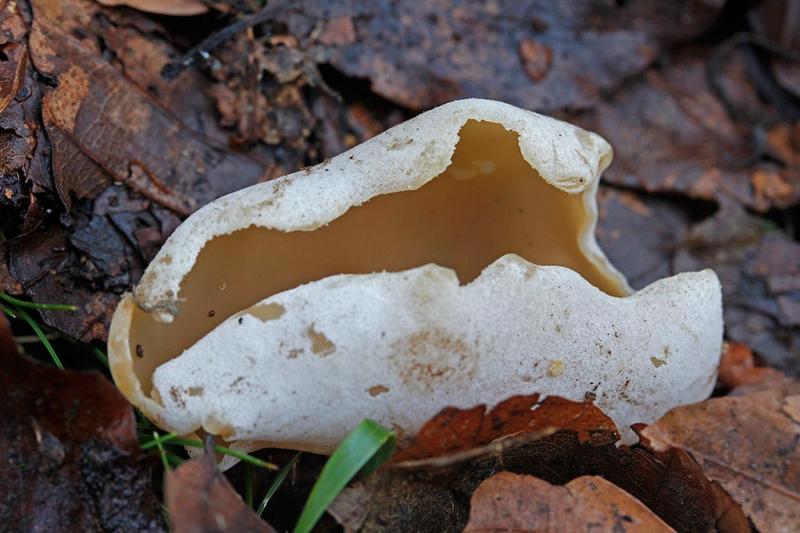
I have this Peziza on Fagus 6-7 cm, without latex and furfuraceous excipulum. I think it fits Ok with P. arvernensis, but I have no clear the differences with P. pseudosylvestris (guttules, flesh strates, paraphysis ??).
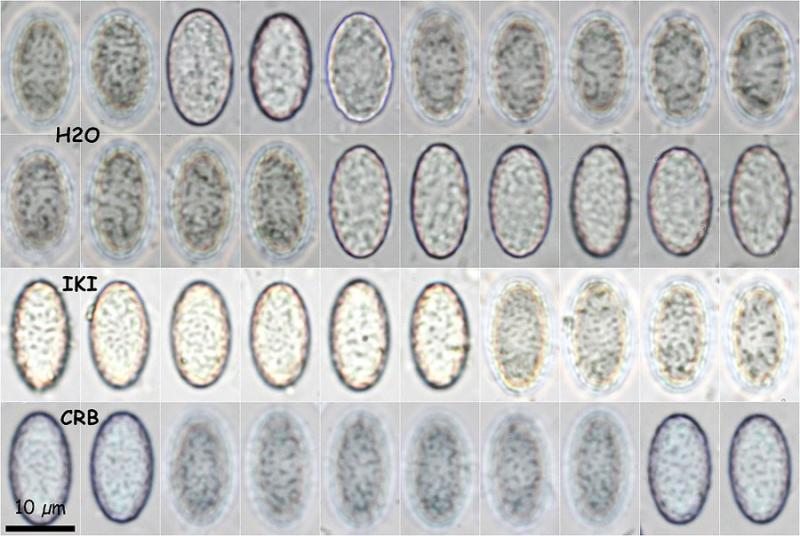
Asci euamyloid, with croziers.
Spores finely ornamented, without reticulum, no guttules, (14.6) 15.7 - 16.9 (17.7) x (7.8) 8.5 - 9.4 (10.1) µm; Q = (1.6) 1.7 - 1.9 (2.0) ; N = 50; Me = 16.3 x 8.9 µm ; Qe = 1.8.
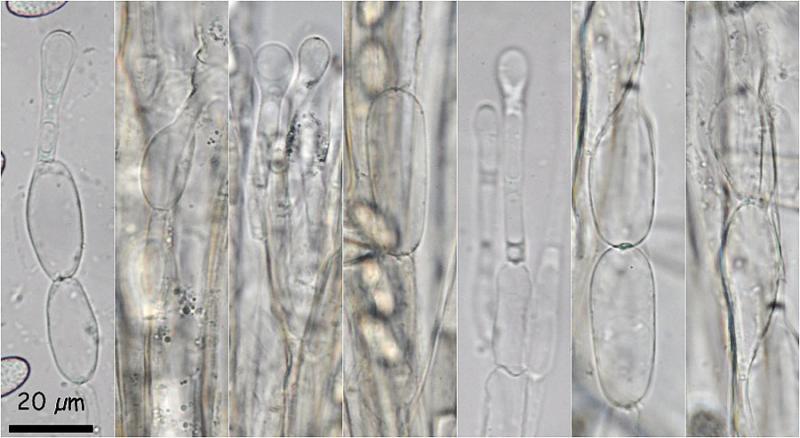
Paraphysis capitated and moniliform.
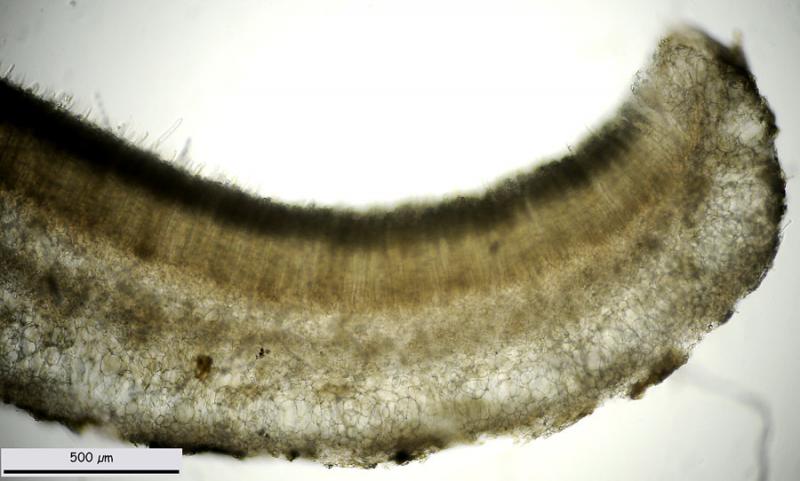
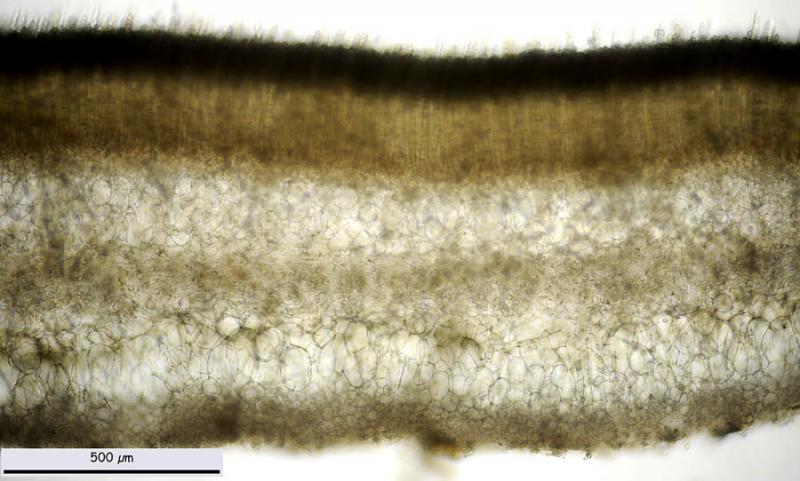
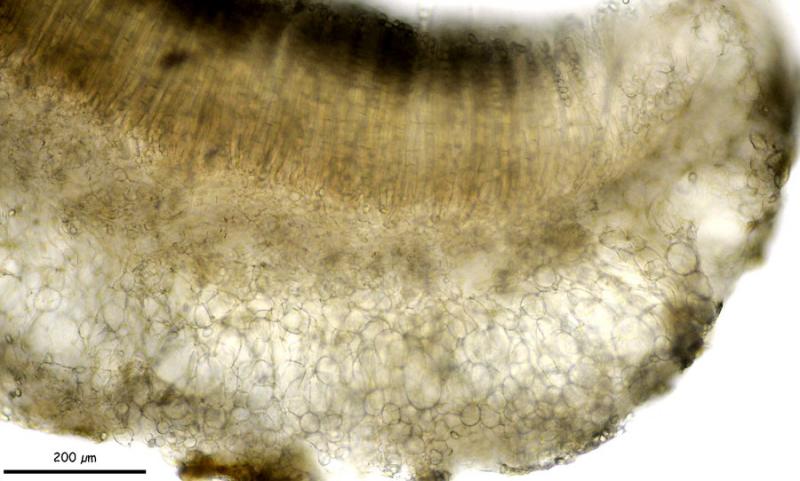
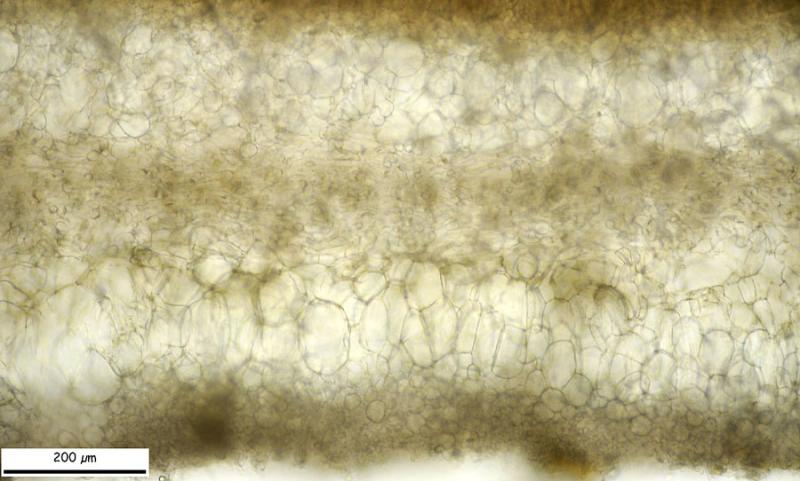
Flesh with 5 layers, outside to inside: subglobose small, subglobose-angularis big (< 200 µm), intricata, subglobose-angularis big (< 200 µm) and intricata (subhymenium).
Could you help me to separate this species from P. pseudosylvestris?
Thank you.
Miguel Á. Ribes