
10-06-2026 21:16
 François Freléchoux
Bonsoir,Le dernier du jour, en attendant votre avi
11-06-2026 19:01
 William Slosse
Hello all,In an attempt to make a culture of a sus
11-06-2026 19:03
 Nicolas VAN VOOREN
Chers membres d'Ascofrance,Le site sera placé en

09-06-2026 18:32
Camille MertensSur morceau de roseau immergé 0,5 - 0,7 mm de dia
10-06-2026 12:54
Steve ClementsBonjour encore, Pouvez-vous m'aider, s'il vous pl
10-06-2026 21:07
François Freléchoux
Toutes les tiges de gentianes jaunes de l'an passÃ
10-06-2026 13:41
François Freléchoux
Bonjour à nouveau, Voici une trouvaille d'hier.
10-06-2026 11:53
Steve ClementsBonjour, This disco is abundant on dead stems of
Entoleuca mammata confirmation
Chris Yeates,
07-12-2014 19:10
 Bonsoir tous
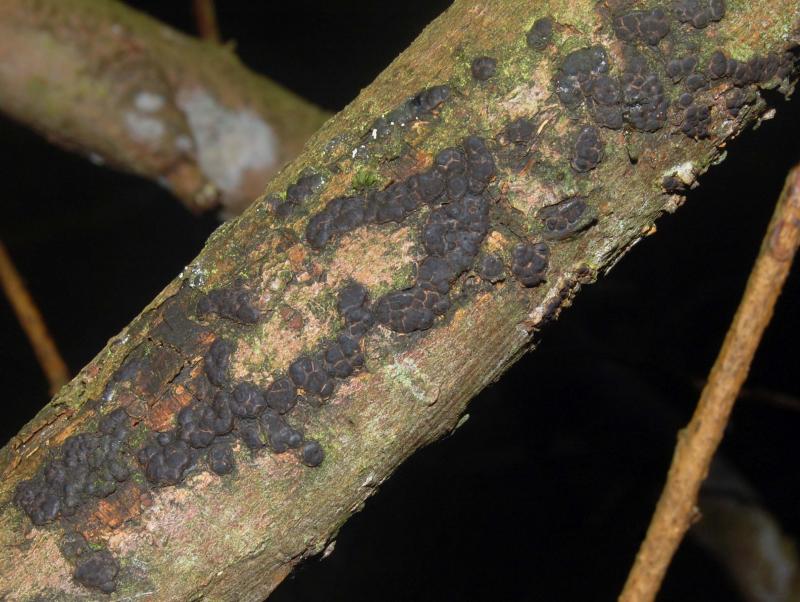
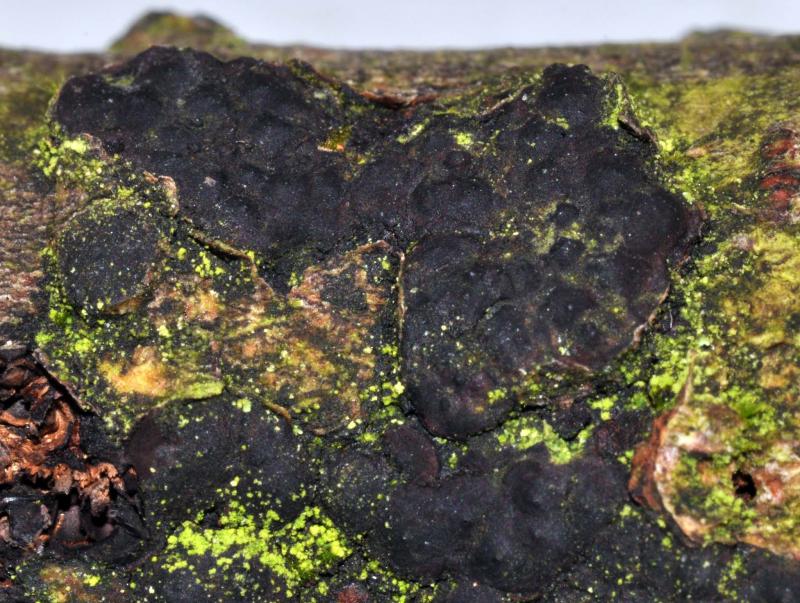
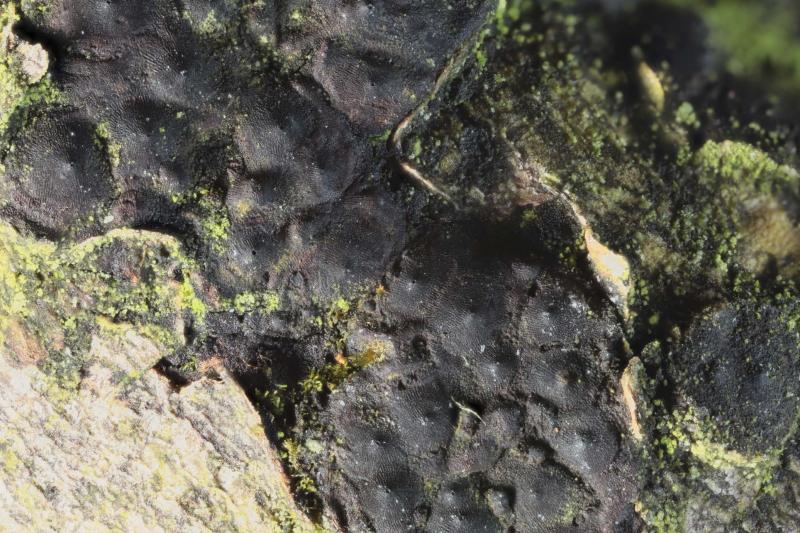
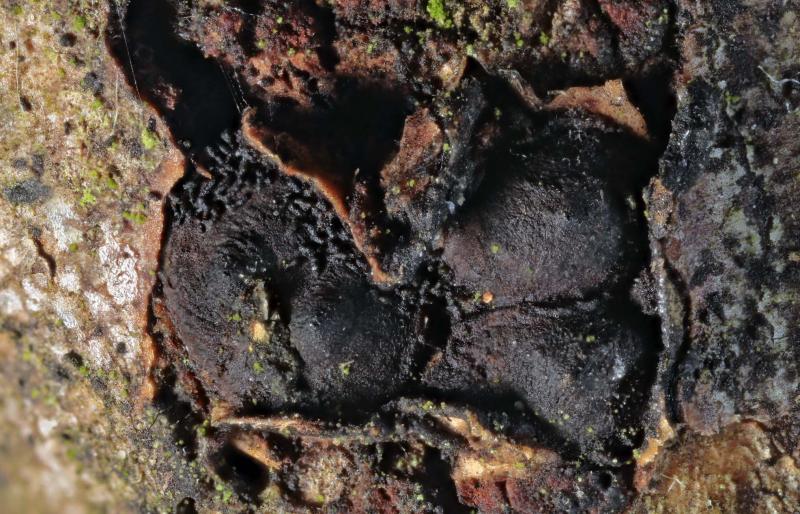
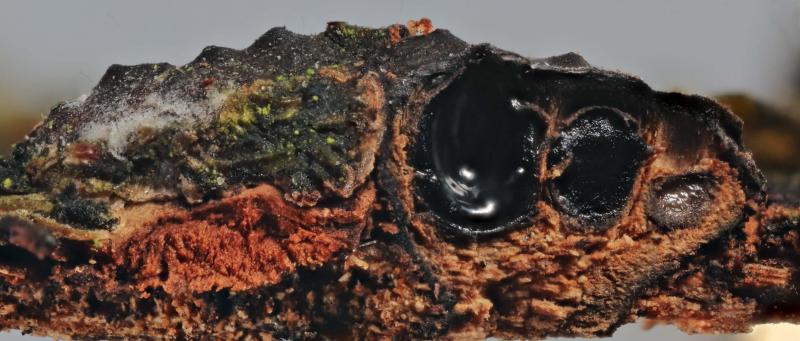
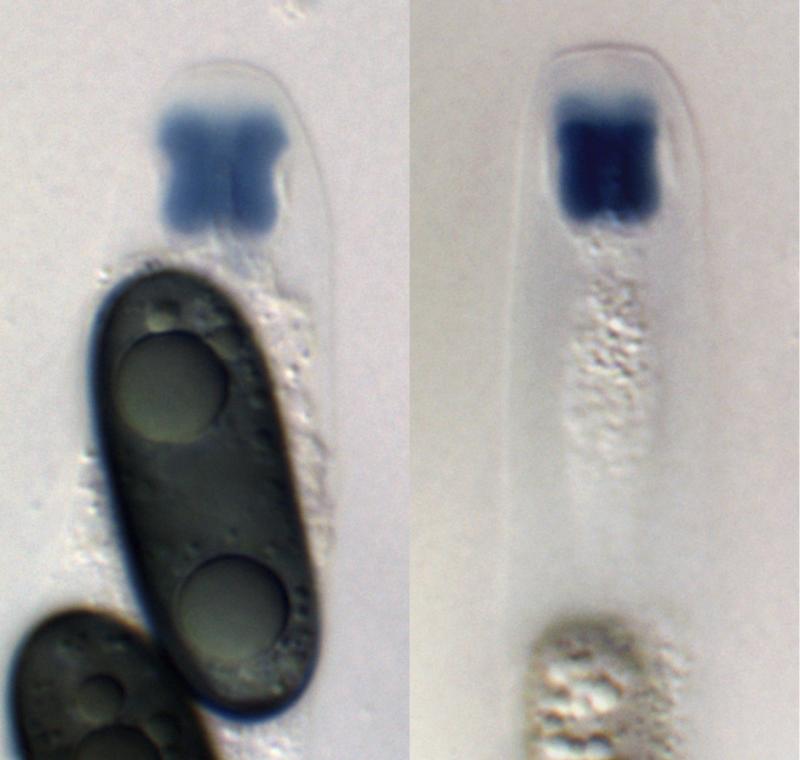
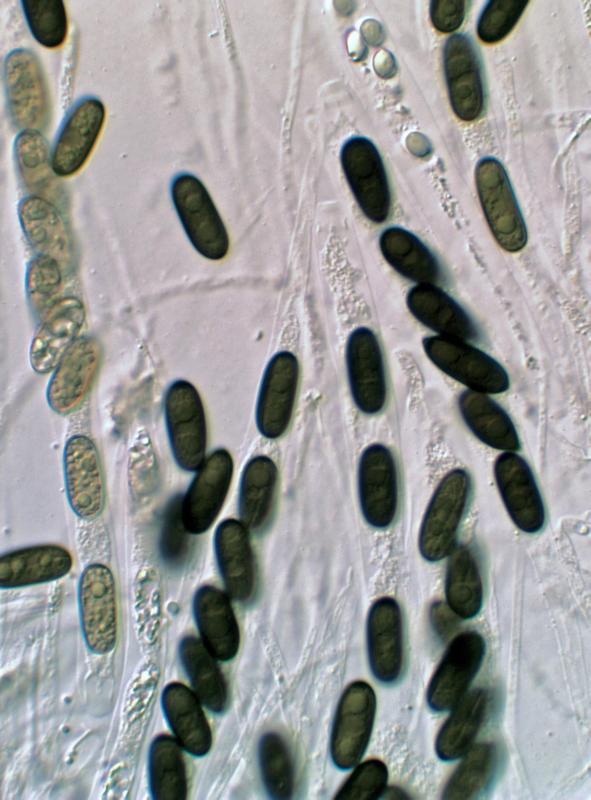
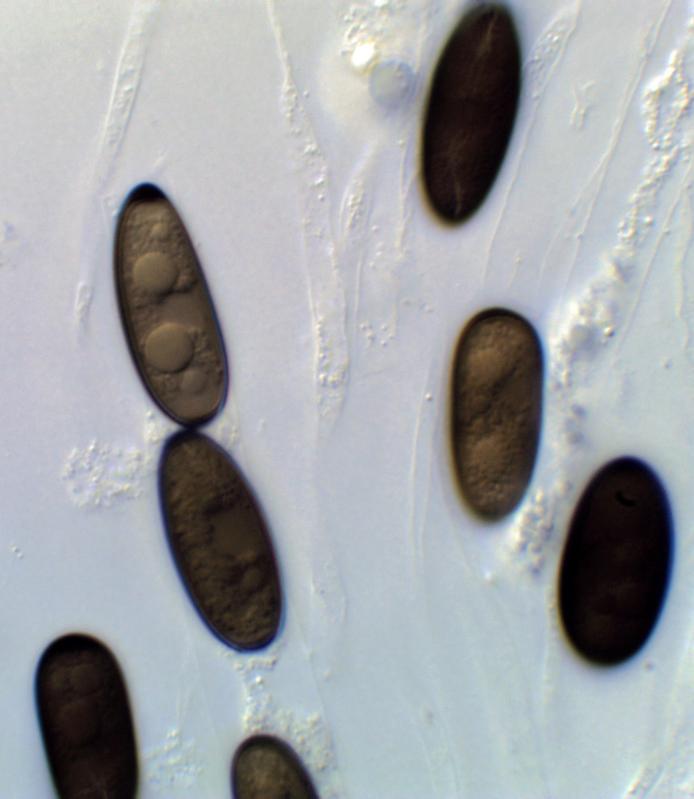
this was collected on a dead, attached branch of a small Salix tree (S. caprea/S. cinerea). Initially thought to be a Hypoxylon, the more I looked at it the less convinced I was and consultation of http://pyrenomycetes.free.fr/entoleuca/html/Entoleuca_mammata.htm leads me to be fairly confident that this is Entoleuca mammata, which would be new to me. I would be grateful for comments from others who may know the species as it would be new to Yorkshire and, apparently the second most northerly British record: https://data.nbn.org.uk/Taxa/BMSSYS0000006456
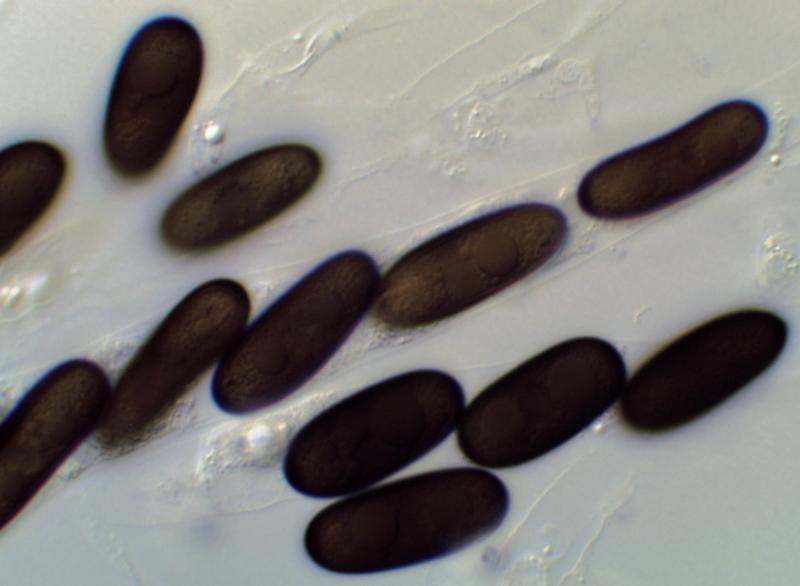
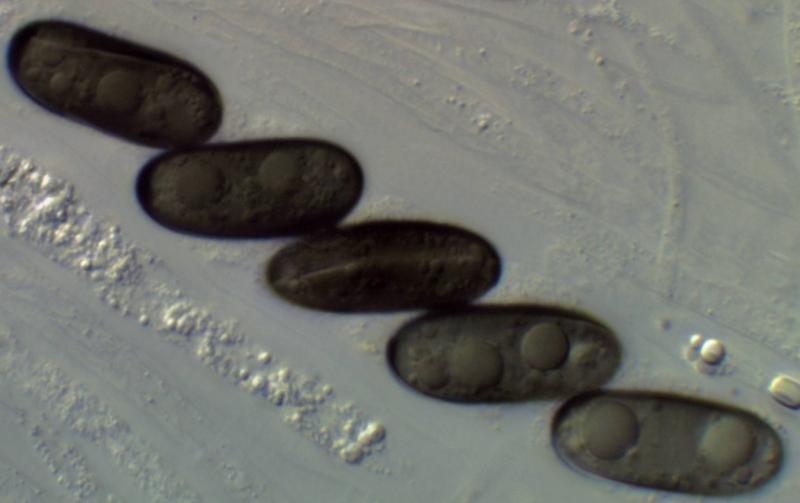
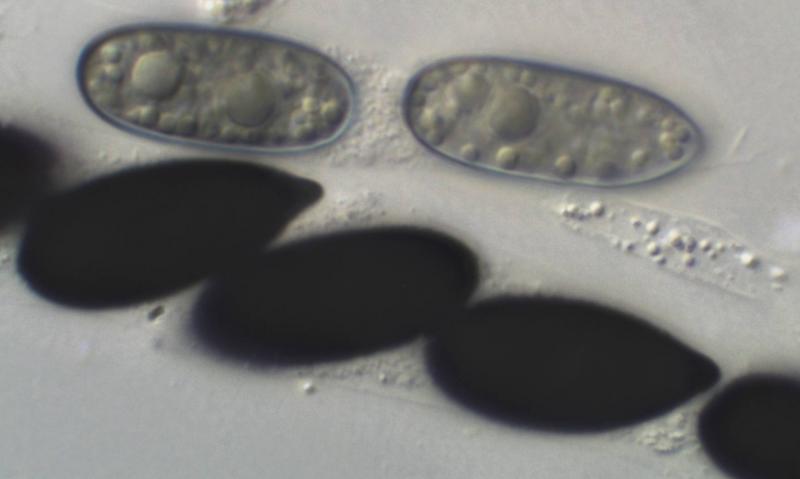
The images show most of the characters; I arrive at E. mammata because of:
* erumpent stromata on Salix
* shape of the ascus apex (stained here in IKI)
* shape of the spores - mostly oblong, with some asymmetrically ellipsoid; often with one or both ends thickened, and occasionally papillate at one end
* spore slit - full length, mostly straight, but some slightly transverse to sigmoid
* size of spores: 20.6-24.2 x 8.9-10.7µm
As ever, any comments would be welcome.
Amitiés
Chris
Jacques Fournier,
07-12-2014 19:48

Re : Entoleuca mammata confirmation
Good evening Chris,
no doubt about your identification. You are fortunate to have such plentiful material apparently in very good condition. Now that you know it and where to find it you will likely find it again.
Cheers,
Jacques
no doubt about your identification. You are fortunate to have such plentiful material apparently in very good condition. Now that you know it and where to find it you will likely find it again.
Cheers,
Jacques
Alain GARDIENNET,
07-12-2014 19:48

Re : Entoleuca mammata confirmation
Hi Chris,
No problem, I think. I've never found it*, so another opinion would be useful.
Photos are very good, congratulations.
Alain
* I will look for it.
Alain GARDIENNET,
07-12-2014 19:50
Re : Entoleuca mammata confirmation
Jacques/Alain 1-1
Jaklitsch Walter,
07-12-2014 20:51
Re : Entoleuca mammata confirmation
Hi,
I want to join you. In Austria this fungus is not rare. Usually I do not check such fungi nowadays, but know at least 3 places, where it appears regularly. Here it appears mostly in old stands of Salix cinerea in more or less boggy places. Nice images!
Cheers, Walter
By the way, the Austrian database of Fungi lists 7 places for Entoleuca mammata
http://austria.mykodata.net/Taxa_map.aspx?qvtaxIdTaxon=145572&
I want to join you. In Austria this fungus is not rare. Usually I do not check such fungi nowadays, but know at least 3 places, where it appears regularly. Here it appears mostly in old stands of Salix cinerea in more or less boggy places. Nice images!
Cheers, Walter
By the way, the Austrian database of Fungi lists 7 places for Entoleuca mammata
http://austria.mykodata.net/Taxa_map.aspx?qvtaxIdTaxon=145572&
Thomas Læssøe,
08-12-2014 10:12
Re : Entoleuca mammata confirmation
I have known this fungus for many years (UK, Sweden) but only recently did I succeed in getting Danish material - two sites, on Salix. Maybe it is spreading (maybe not).