
29-04-2026 10:44
 Lothar Krieglsteiner
growing at moist, drying-out soil at the side of a
27-04-2026 17:16
Lothar Krieglsteiner
.. Algarve, moist lying.The conidiomata look like
10-05-2026 16:18
brigitte vignotbonjour trouvée en Ariège sur bois une petite
10-05-2026 09:02
Buckwheat PeteHello everybody, ould this be Lachnum subvirgineu
08-05-2026 11:55
Gernot FriebesHi,found on a decorticated Picea abies branch stil
11-05-2016 20:37
 Zuzana Sochorová (Egertová)
Hi,this very little ascomycete grew on soil in a m
09-05-2026 07:37
Zuzana Sochorová (Egertová)
Hello,please, could anyone share this paper?Ferná

05-05-2026 22:40
Gernot FriebesHi,I believe this is a Plagiostoma growing on a Sa
06-05-2026 11:25
 Castillo Joseba
Me mandan el material seco de Galicia (España) re
 Hello,
I found that in an herbarium sheet, probably on Fagus sylvatica, in France, Puy-de-Dôme (63). Do any one can confirm / infirm the ID ? I'm not conviced by the general shape...
Many thanks for the help!
Rémy
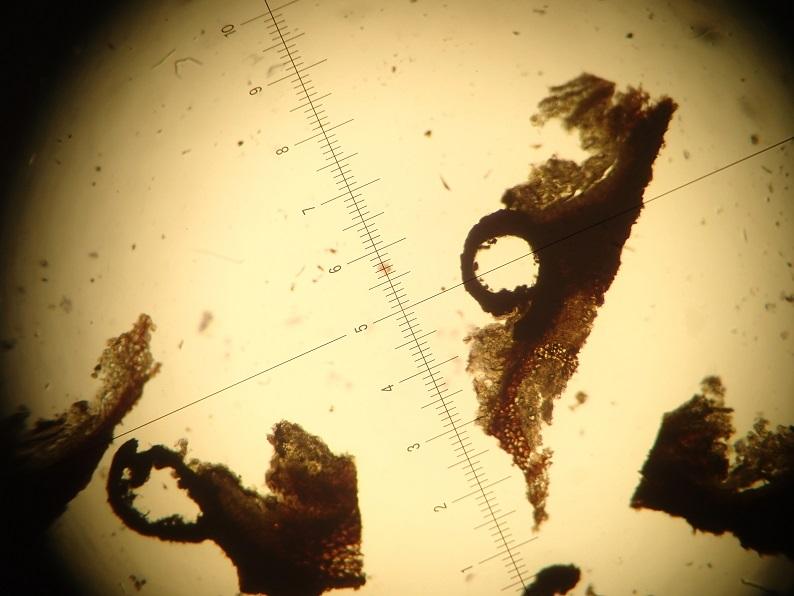
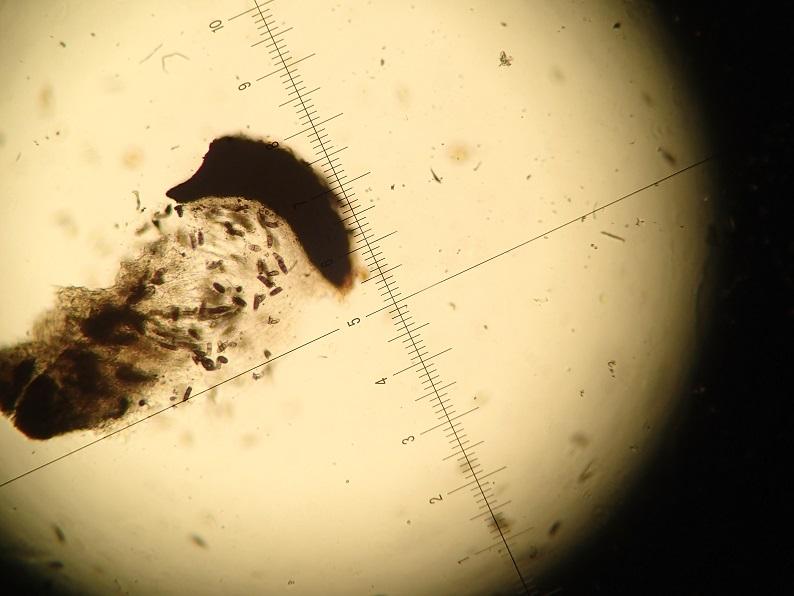
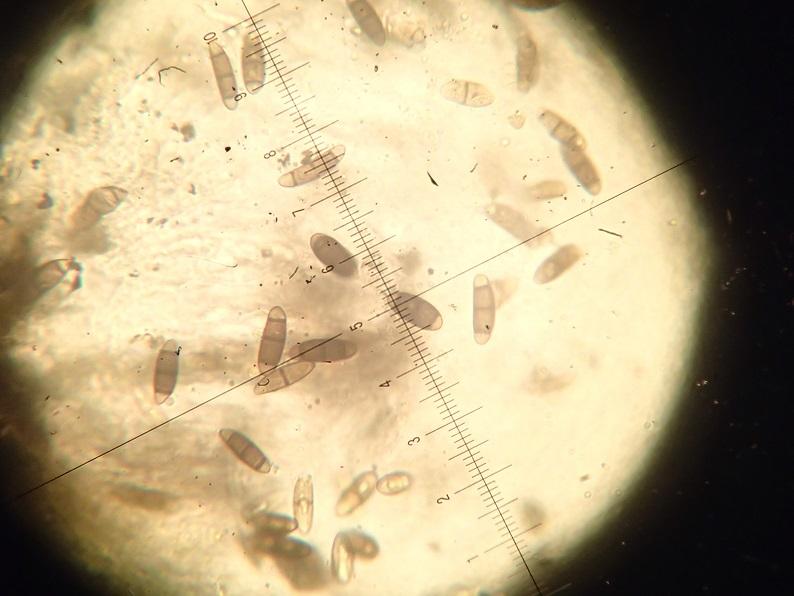
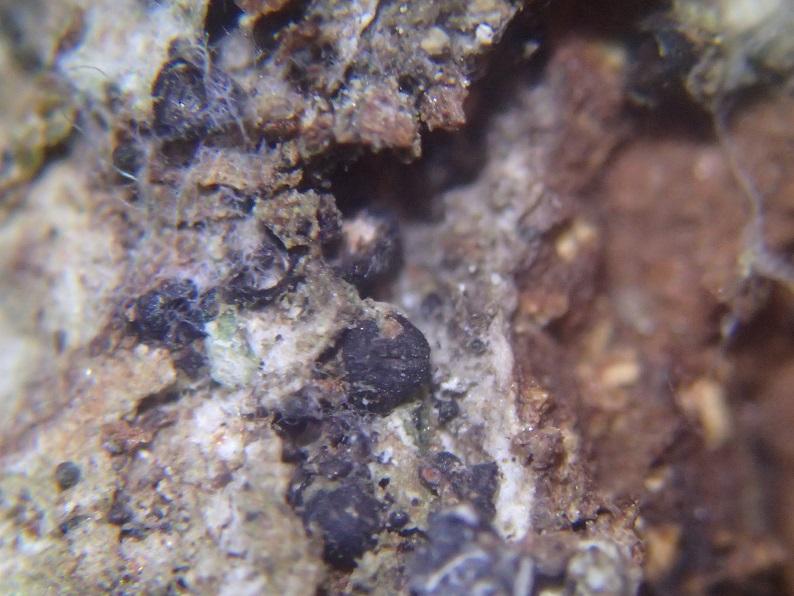
Hi Remy,
although the macrofoto is not very distinctive and does not show the form of the coffee beans I think there can be no doubt because of the very unique spores.
Regards from Lothar
Many thanks for your very quick answer !
I agree that I make very poor quality picture - not sure yet if it is because of the photographer, or the material ;)
In fact, I was not sure for this ID because many herbarium sheets I am currently reviewing (for epiphytic lichens) contains this species, and most of them are more "sphaerical" that coffee bean shaped... All are from the same locality.
Cheers,
Rémy
Hi Remy,
the growth on bark of living deciduous trees is very typical for H. pulicare. But - if the ascomata are not hysterothecia, it must be something different, anyway ...
Best regards from Lothar
Thank you for the precision ; I will try to ID other specimen in order to be sure !
Bests,
Rémy

so Hysterium pulicare would have to look.
Greetings Peter.
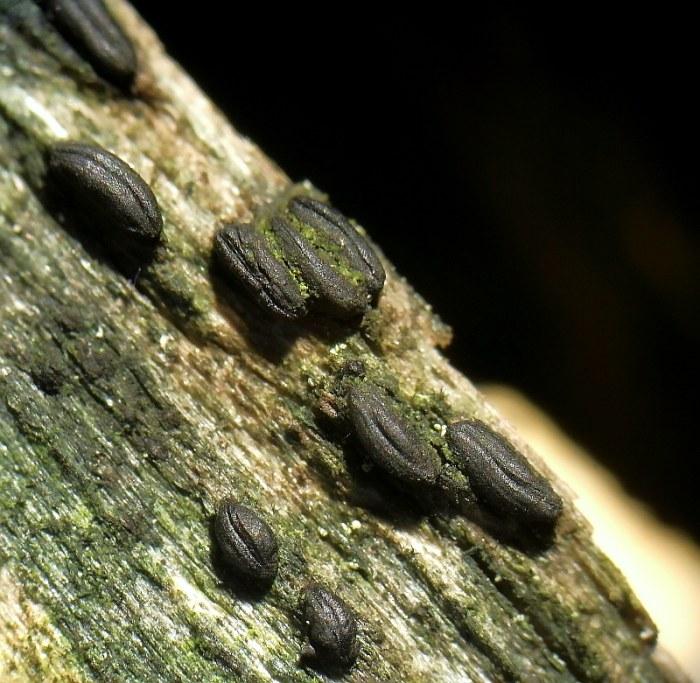
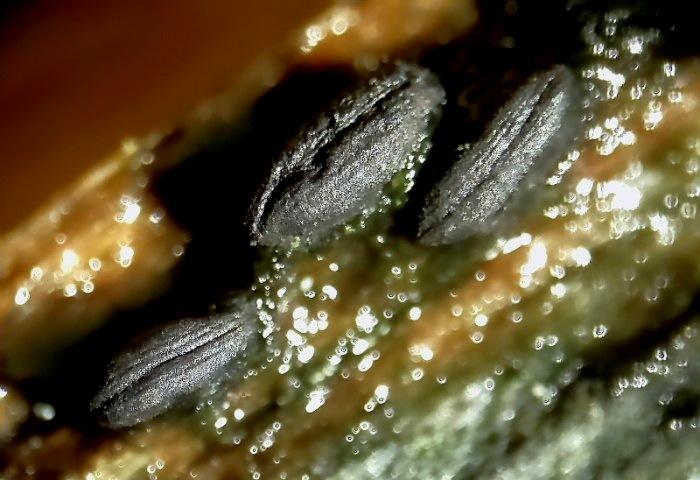
I found a new one in another herbarium sheet. The two pictures are taken on the same piece of bark... On has a coffe bean shape, and the second one not much. Is it beacause of dessication ? Or another species ?
Many thanks,
Rémy
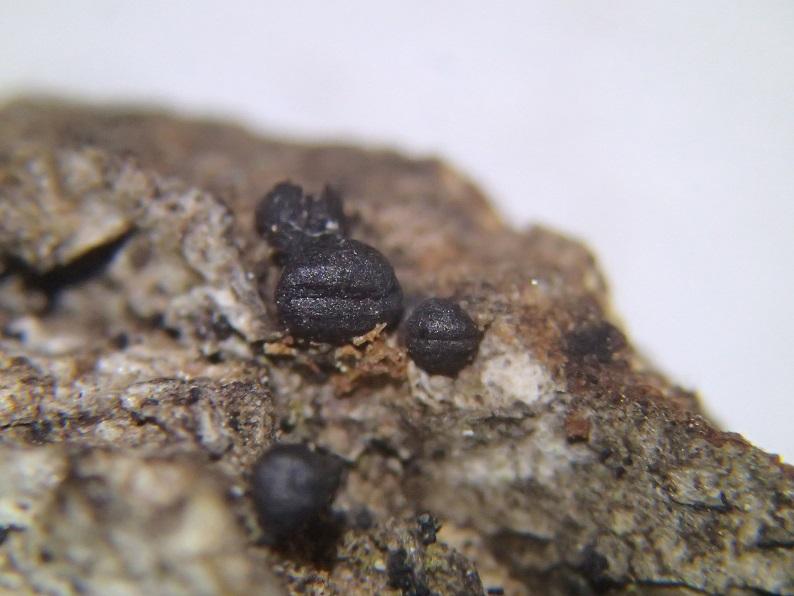
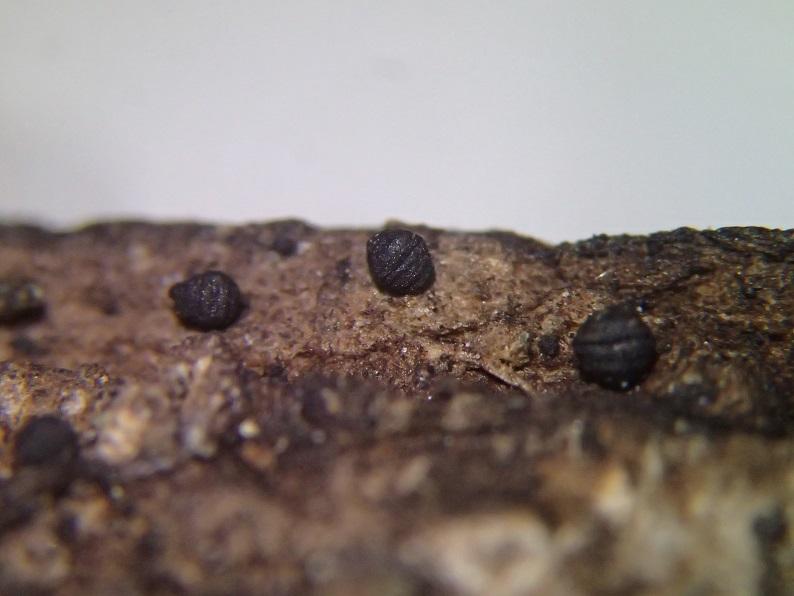
Hi Remy,
the pictures show clear hysterothecia in my opinion. Do they have the same spores (4-celled with terminal hyaline cells)? Then it ist H. pulicare.
Maybe unripe or badly developed specimens do not form the typical slit very distinctly. Peters fotos are very typical.
Regards from Lothar
this goes not without microscopic examination. If the scales of the photos 1:1 with the micro, it cannot be H. pulicare, the spores would be too small there.
Greetings Peter.
some new picture from the inside. Spores are about ~20-28µm.
Bests,
Rémy
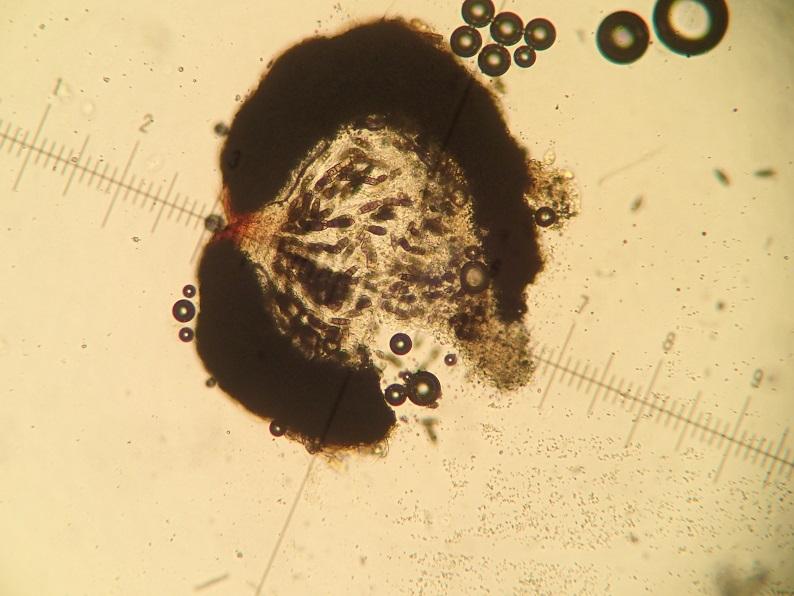
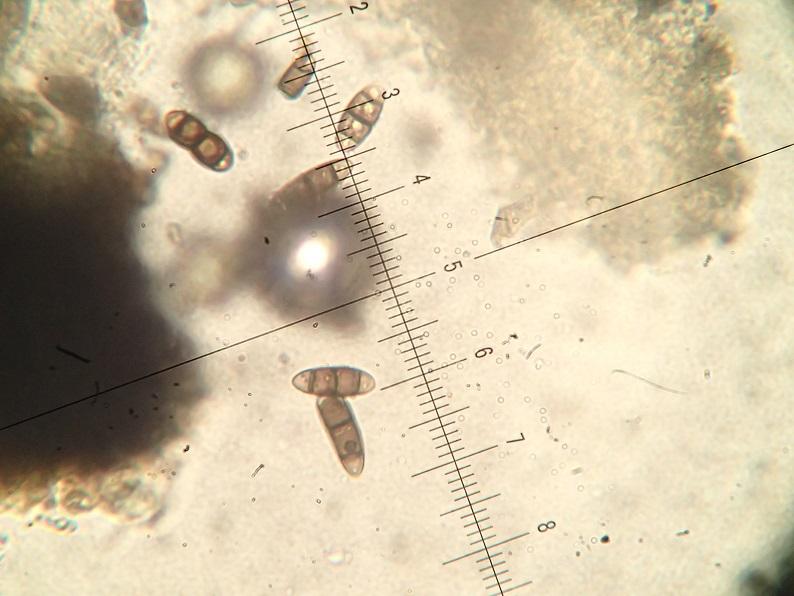
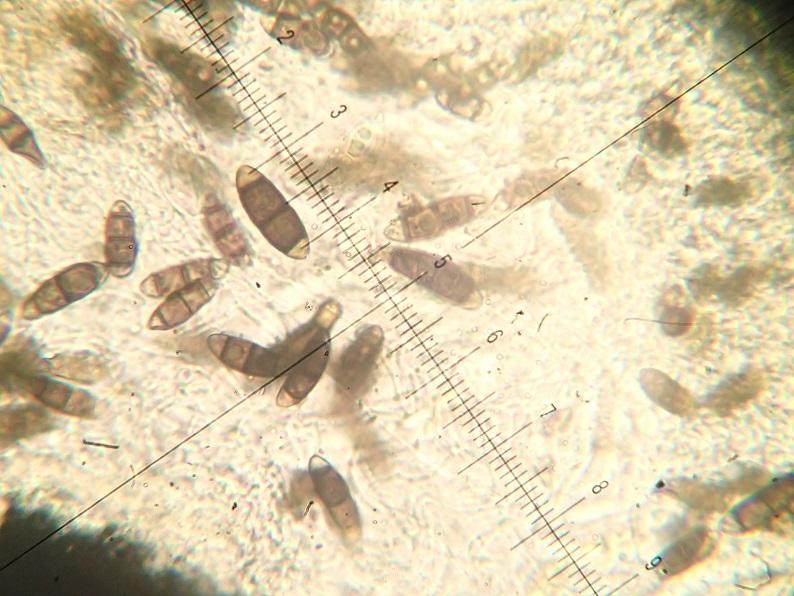
now everything is clear.
Greetings Peter.