11-05-2016 20:37
 Zuzana Sochorová (Egertová)
Hi,this very little ascomycete grew on soil in a m
08-05-2026 11:55
Gernot FriebesHi,found on a decorticated Picea abies branch stil

05-05-2026 22:40
Gernot FriebesHi,I believe this is a Plagiostoma growing on a Sa
06-05-2026 11:25
 Castillo Joseba
Me mandan el material seco de Galicia (España) re
06-05-2026 17:23
Thomas Læssøehttps://svampe.databasen.org/observations/10594257
28-04-2026 20:07
 Lothar Krieglsteiner
... on twig in the air at standing Ceratonia siliq
04-05-2026 18:13
 Stephen Martin Mifsud
ID request for what seems to be a true aquatic fun
04-05-2026 16:39
Stephen Martin Mifsud
ID request: This specimen was collected in Malta o
28-07-2011 18:31
 Alex Akulov
Dear FriendsToday I made the pdf file of Velenovsk
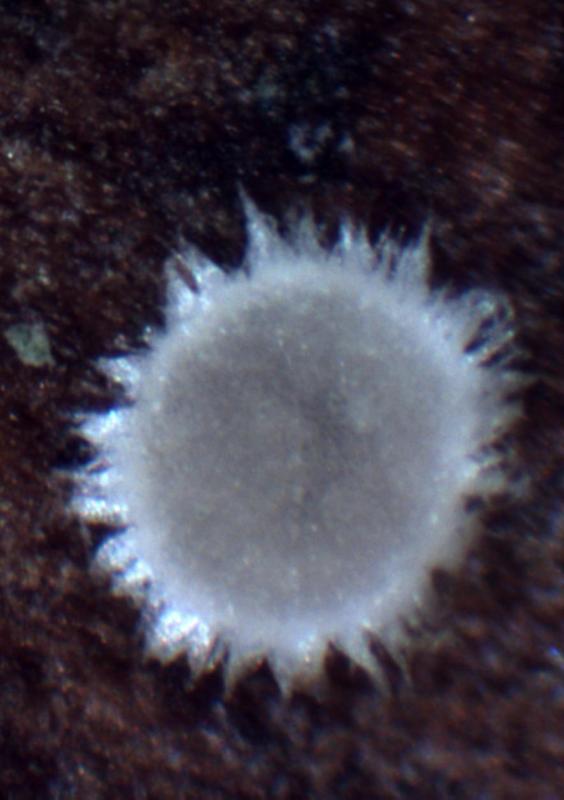
 Can someone suggest where to look for this small (max .45mm) white hairy asco found under peeling bark of probably an alnus.
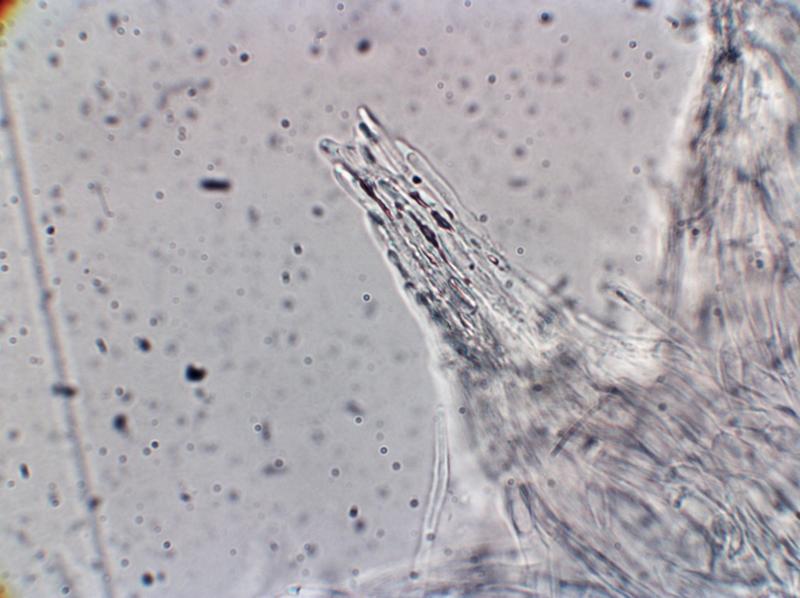
The pointed septate hairs tended to be clumped together.
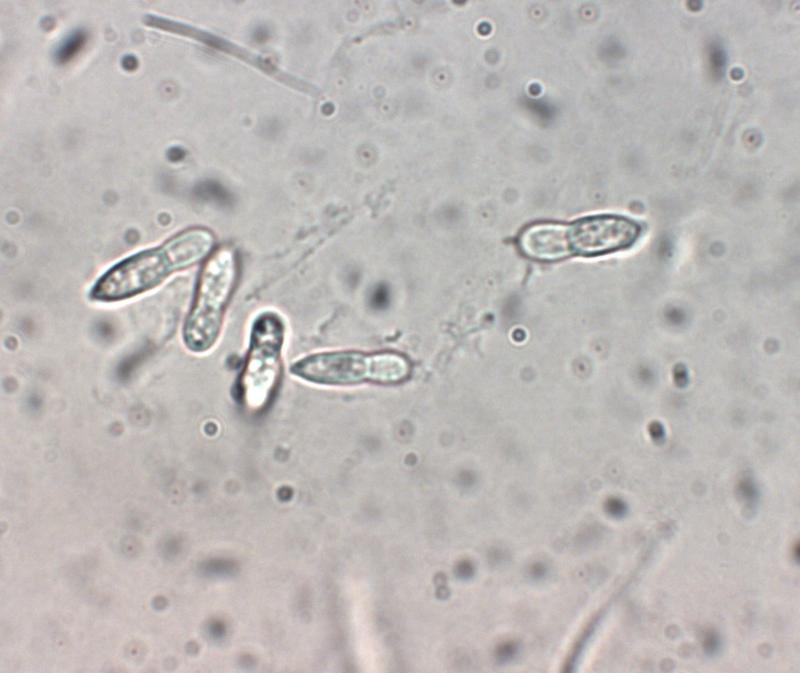
At first the all the spores I found were unusual (for me) in that they were septate with a rounded apex at one end and a pointed one at the other. With further investigation it looks as though these spores may be from elsewhere as the spores from the ascii were more bean shaped and non-septate. Most were 6-8 long (up to 12 for the septate ones)
Thanks
Mal
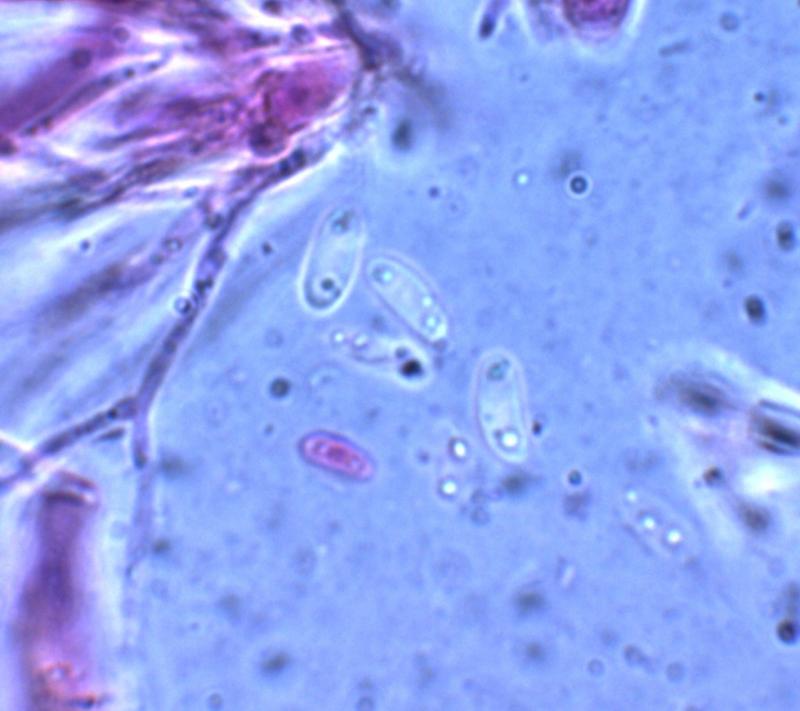
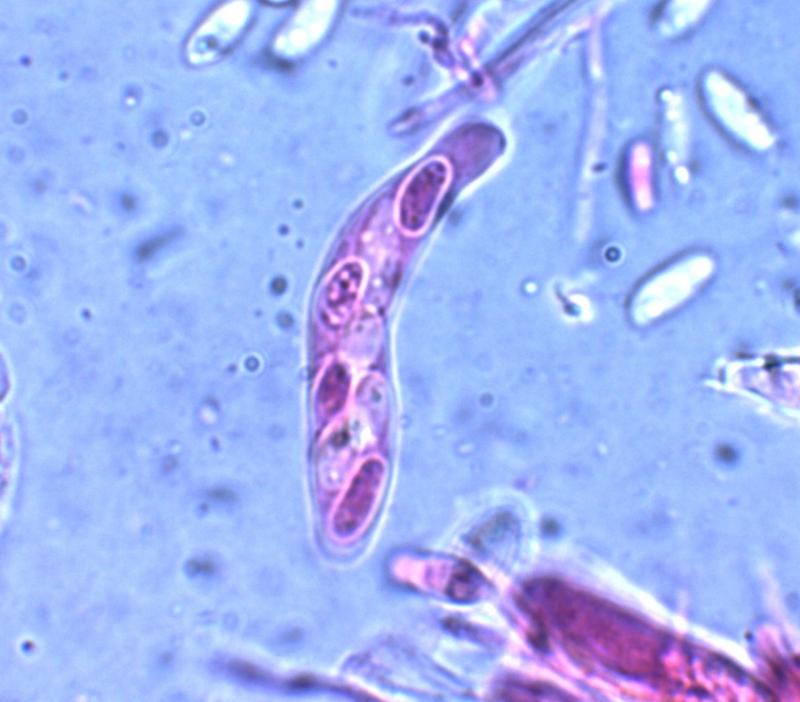
Hi Malcolm,
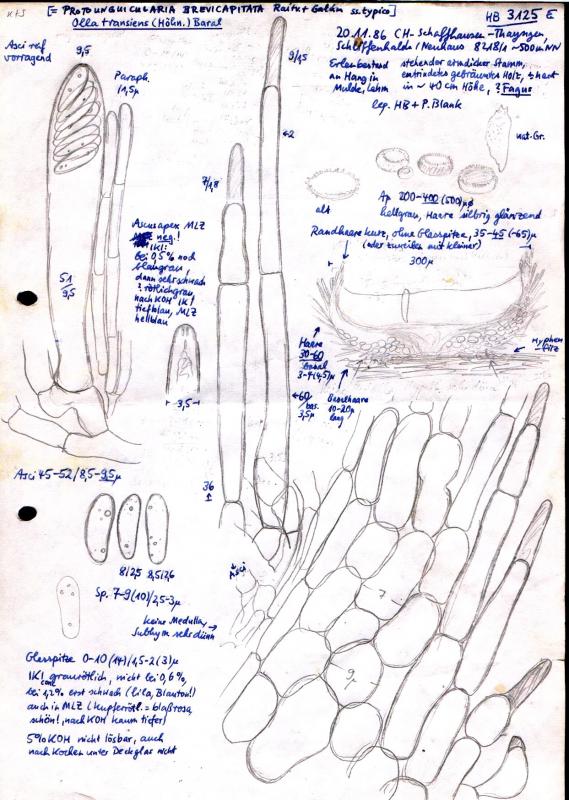
I cannot say much about your septate spores - but the rest could perhaps fit to Olla transiens - although your spores are a bit small. I see glassy tips at the hairs - so it should be a Olla.
Regards from Lothar

There are certainly "glassy" tips to the hairs.
Have you a description of the members of this group?
Thanks
Mal
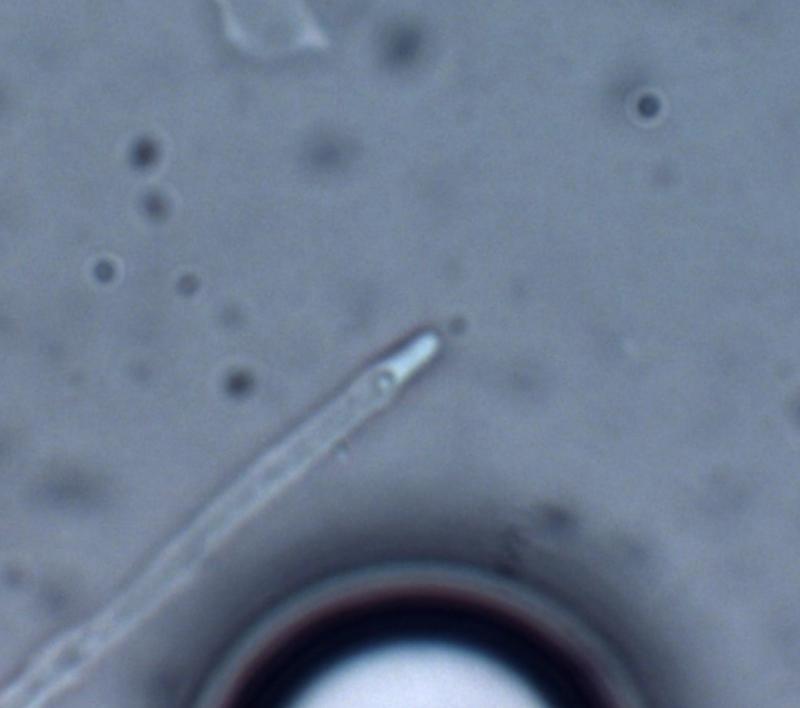
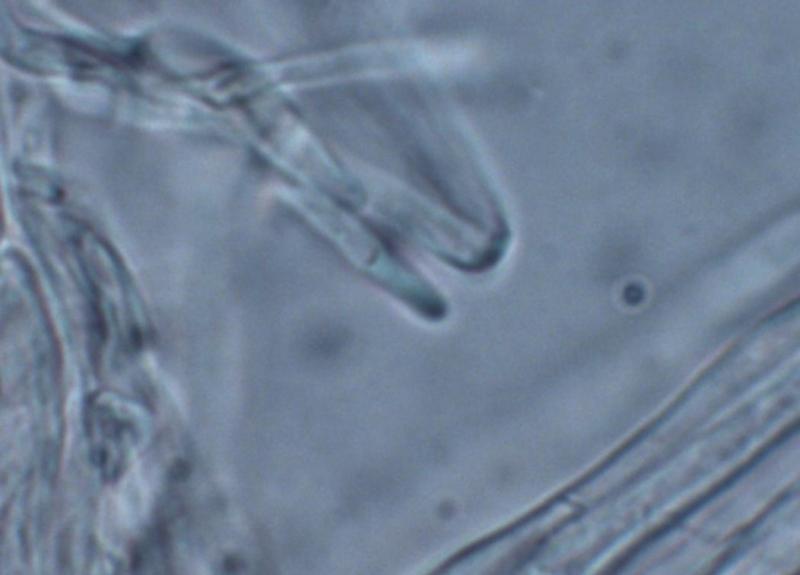
Huhtinen 1987 described it as Protounguicularia barbata, beitr. Kennt. Pilze 3: 457-463