06-05-2026 11:25
 Castillo Joseba
Me mandan el material seco de Galicia (España) re
06-05-2026 17:23
Thomas Læssøehttps://svampe.databasen.org/observations/10594257
28-04-2026 20:07
 Lothar Krieglsteiner
... on twig in the air at standing Ceratonia siliq
05-05-2026 22:40
Gernot FriebesHi,I believe this is a Plagiostoma growing on a Sa
04-05-2026 18:13
 Stephen Martin Mifsud
ID request for what seems to be a true aquatic fun
04-05-2026 16:39
Stephen Martin Mifsud
ID request: This specimen was collected in Malta o
28-07-2011 18:31
 Alex Akulov
Dear FriendsToday I made the pdf file of Velenovsk
04-05-2026 09:50
Castillo Joseba
Me mandan el material seco de Galicia,(España) re
02-05-2026 12:42
Alain BRISSARDBonjour à tousJeuidi 30 avril dernier on m'a remi
en madera de fagussaludos
Joseba
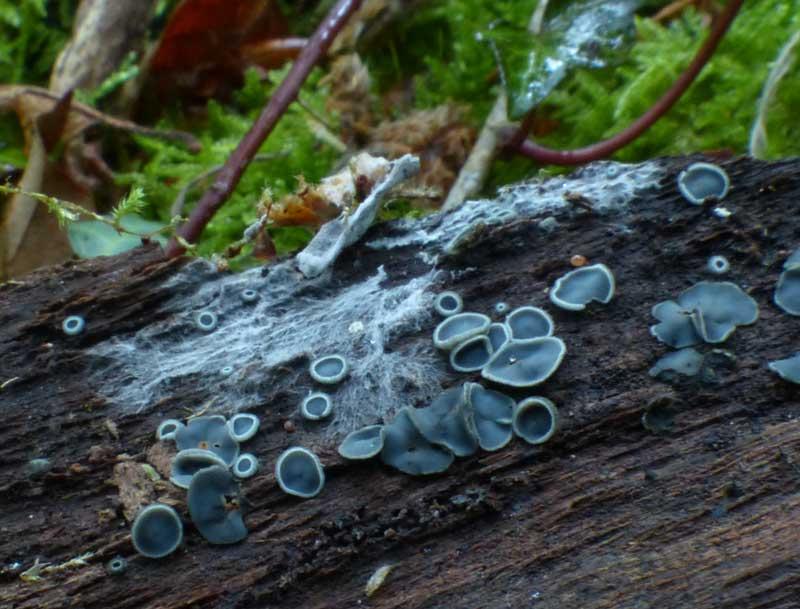
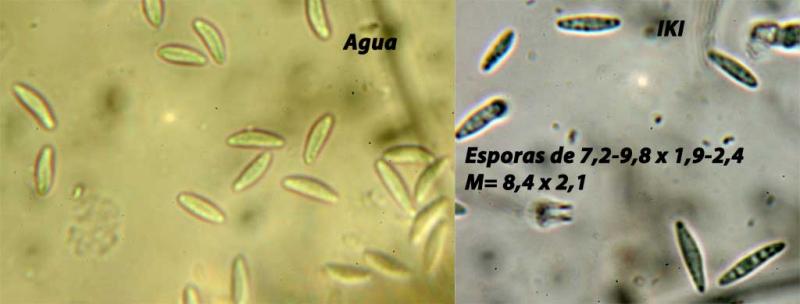
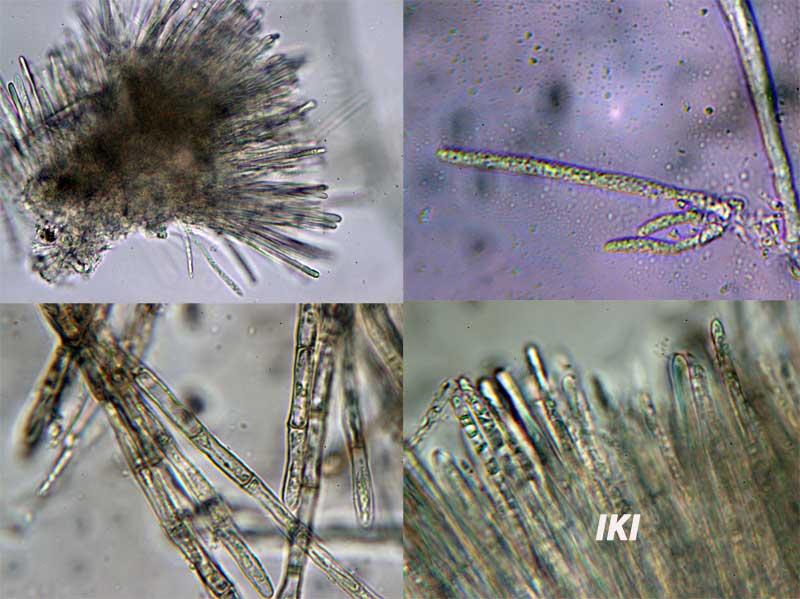
This is Chlorociboria, two species are rather similar.
Ellis & Ellis (1997): C. aeruginascens, spores 6-8 x 1-1,5 µm and C. aeruginosa, spores 10-14 x 1,5-2,5 µm.
Good noght.
Pol

Hi to both
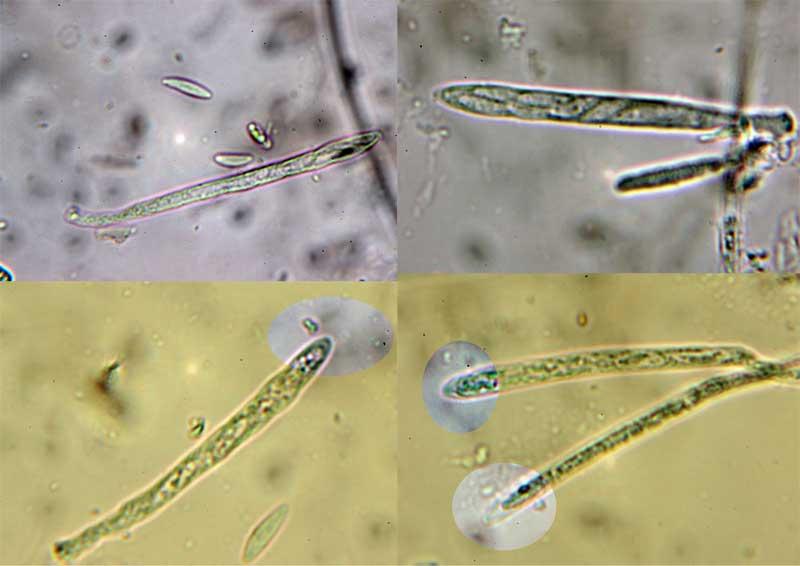
I don't think this fungus is a Chlorociboria because the very refractive VBs of the paraphyses are talking us of a Mollisia species.

Hello,
very probably Mollisia olivascens (= Haglundia perelegans).
You should check the KOH reaction of the paraphyse vacuoles - it should be yellow.
best regards,
Andreas
Hi Joey,
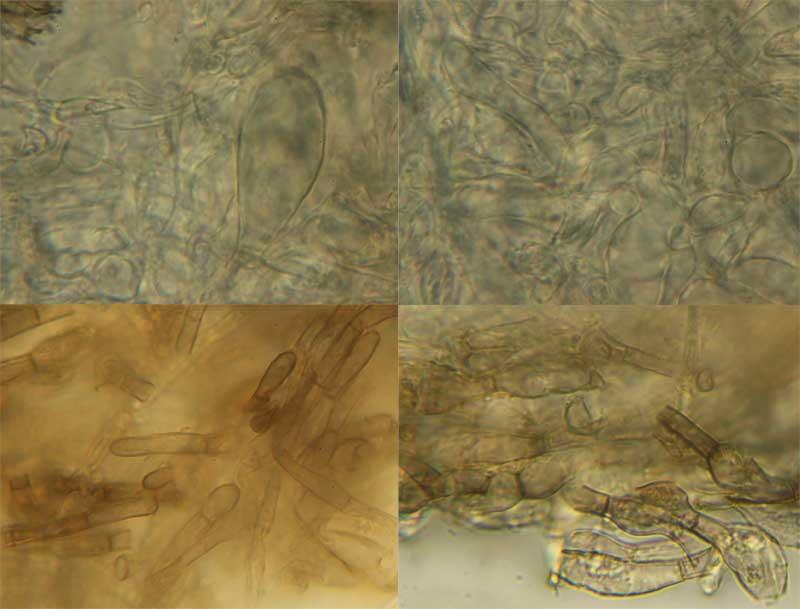
did you see the multicellular hairs in foto 5, bottom left and right? They look like "Haglundia".
And the apothecia have a kind of "tough" appearance unlike "normal" Mollisia but as I know it form Mollisia olivascens and elegantior.
B.t.w. I had M. elegantior 7 days ago in a nature reserve on a lying rotten Fagus stem, decaying since 26 years (thrown by a storm in 1990).
best regards,
Andreas
Saludos
Joseba