
31-03-2026 21:18
 Miguel Ángel Ribes
Good evening. oes anyone have the original descrip
31-03-2026 20:57
Stefan BlaserHello everybody, I hope somebody can help me with
26-03-2026 15:31
 Åke Widgren
Hello,I found this one in October last year, on r
31-03-2026 16:20
 Mlcoch Patrik
Hello, Please about help with determination. On
31-03-2026 08:19
 Bernard CLESSE
Bonjour à toutes et tous,Pourriez-vous m'aider à
30-03-2026 12:03
 William Slosse
Hello all,On 27/03/26, in Kraaiveld in Wingene (Be
25-03-2026 10:35
Hulda Caroline HolteHello,I collected this species growing on a dead b
30-03-2026 09:53
Yanick BOULANGERBonjourVoici des petites fructifications poilues s
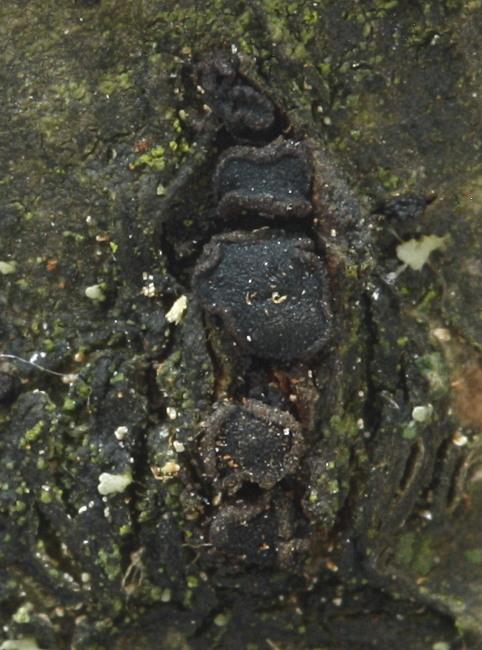
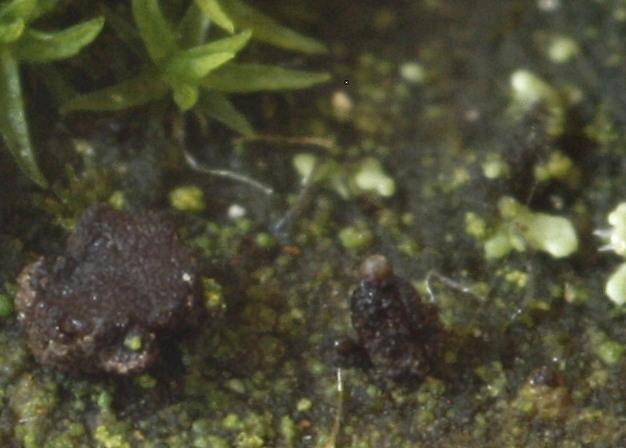
Dermea padi?
Viktorie Halasu,
09-07-2017 01:27
 Hello forum,
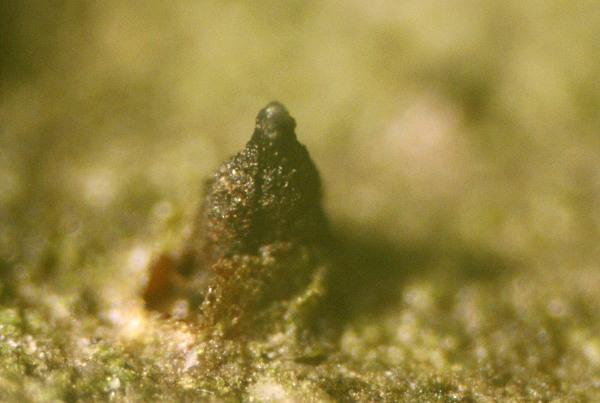
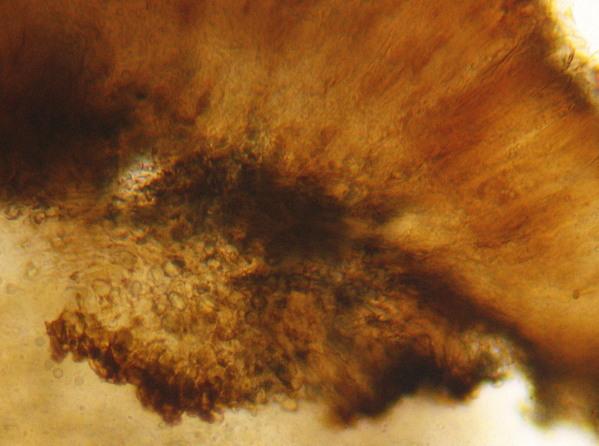
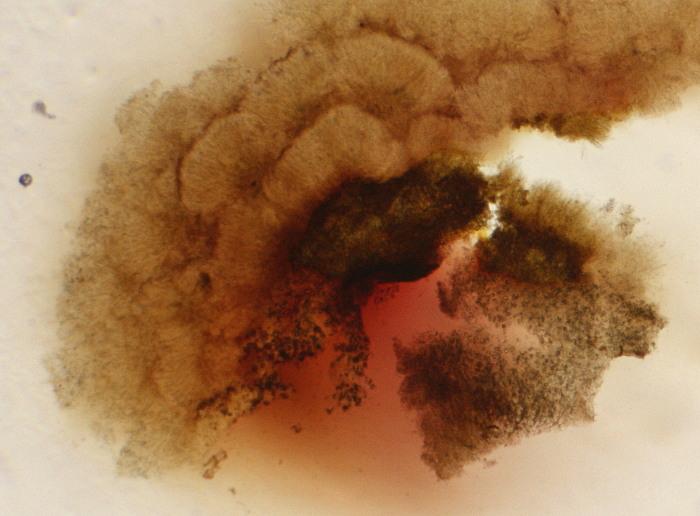
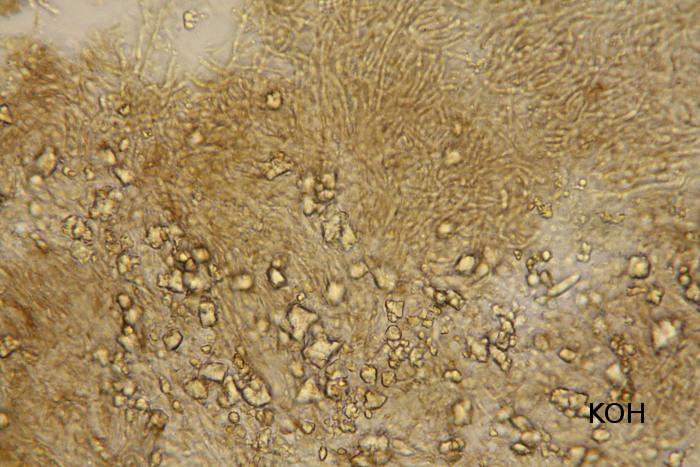
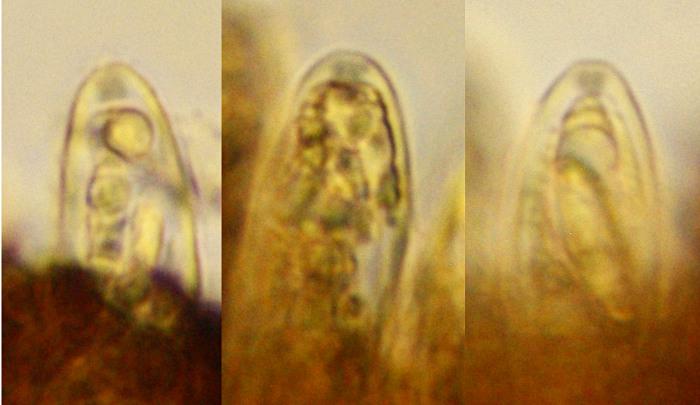
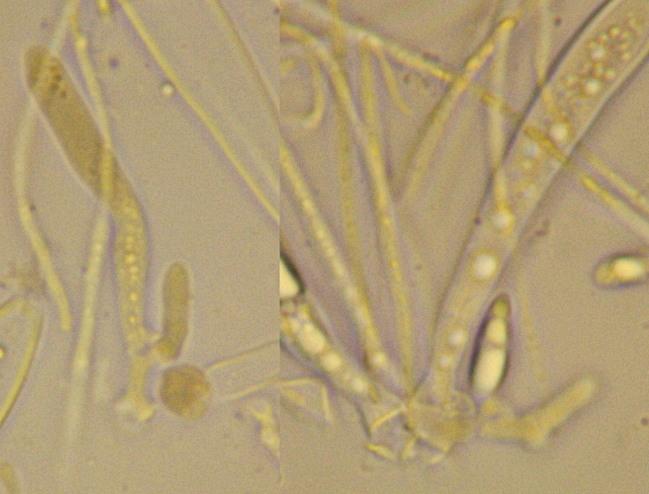
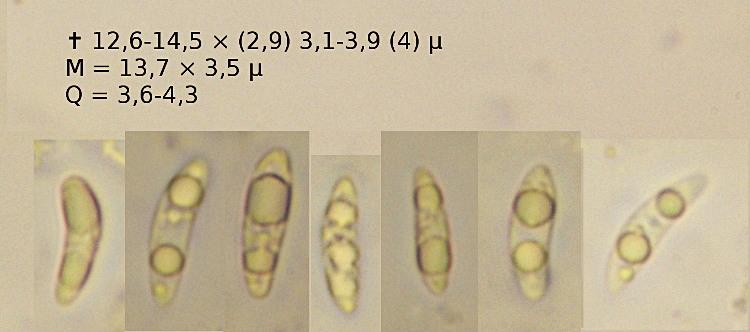
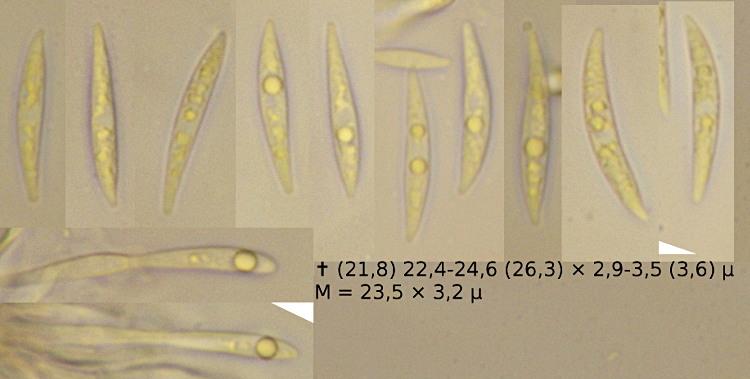
this week I found this Dermea on bark of Prunus padus trunk (partly broken but still alive). This one has rather different spores from D. prunastri, but I didn't find any illustration of spores of D. padi in my literature. Nauta & Spooner (2000) give spore length as 15-20 um for D. padi - is that real size, or maybe a result of mixed literary data? (Zotto wrote here earlier, that the concepts of D. padi and D. prunastri might be interchanged in some works.) Can I call it D. padi or another name?
Thank you in advance for any advice.
Viktorie
Hans-Otto Baral,
09-07-2017 07:35

Re : Dermea padi?
Hi Viktorie
This is actually what I call D. padi. D. prunastri on Prunus spinosa has narrower, always distinctly curved conidia.
Conidial width varies between *3.5-4 and *4.5-5 µm among my pics, and yours are with 3-3.5 at the very low end.
Yes it is with croziers.
Zotto
This is actually what I call D. padi. D. prunastri on Prunus spinosa has narrower, always distinctly curved conidia.
Conidial width varies between *3.5-4 and *4.5-5 µm among my pics, and yours are with 3-3.5 at the very low end.
Yes it is with croziers.
Zotto
Viktorie Halasu,
09-07-2017 12:19
Re : Dermea padi?
Hello Zotto,
thank you for confirmation.
Viktorie
thank you for confirmation.
Viktorie