
21-05-2026 17:01
Pierre RepellinBonjour à toutes et à tous,Je recherche l'articl
20-05-2026 21:49
Margot en Geert VullingsWe found this Lachnum on Juncus stems mown last ye
20-05-2026 20:08
 Andreas Millinger
Good evening,another quite distinctive find from M
20-05-2026 12:57
 Ingo Ibelshäuser
Hello everybody, on decayed hardwood e.g. Quercus
20-05-2026 17:47
Margot en Geert VullingsWe found this Mollisia on dead Juncus stems mown l
22-04-2026 20:54
 Enrique Rubio
Hi to everybody.This Pyrenopeziza grew in moist le

19-05-2026 12:55
 Hardware Tony
After checking Gminder and Otto's library I cannot

Hola a todos.
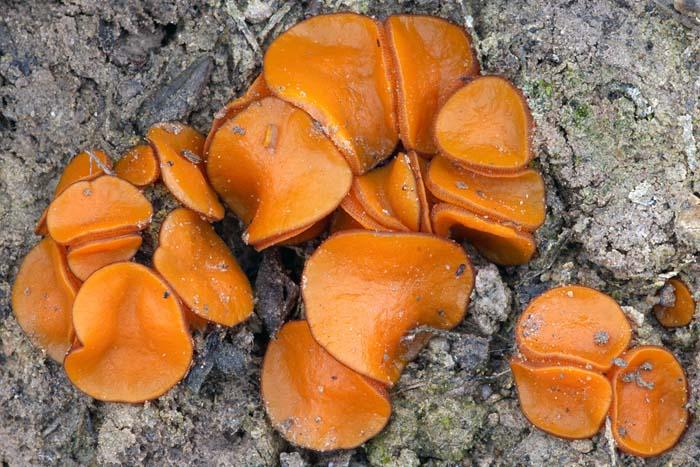
Subo unas fotos de una Melastiza encontrada hace un par de días en suelo removido.
Esporas de 16-20 x 9,4-10,2 micras.
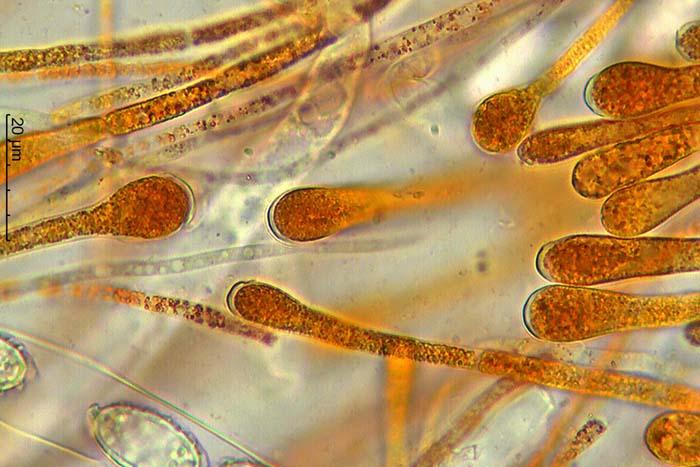
He visto en casi todos los ápices de las paráfisis una sustancia pegada, ¿cristales? ¿Es esto común?
¿Son sinónimos Melastiza chateri y Melastiza cornubiensis? ¿Cuál sería el prioritario?
Gracias por sus respuestas.
Rubén
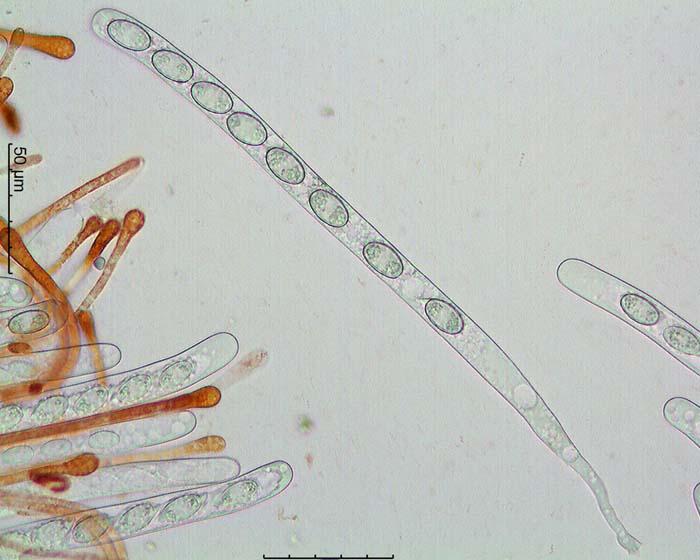
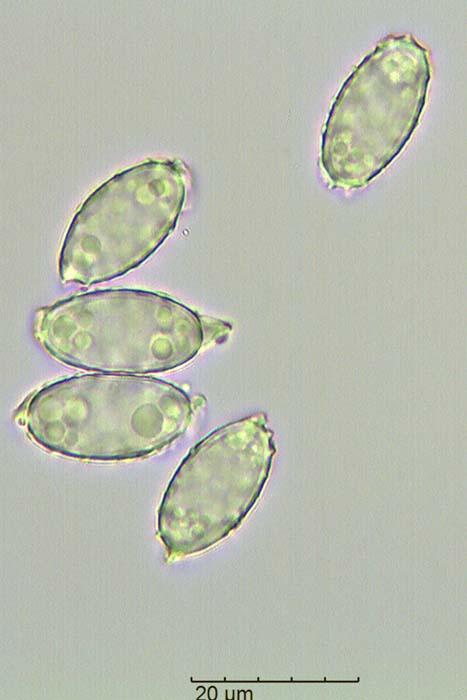
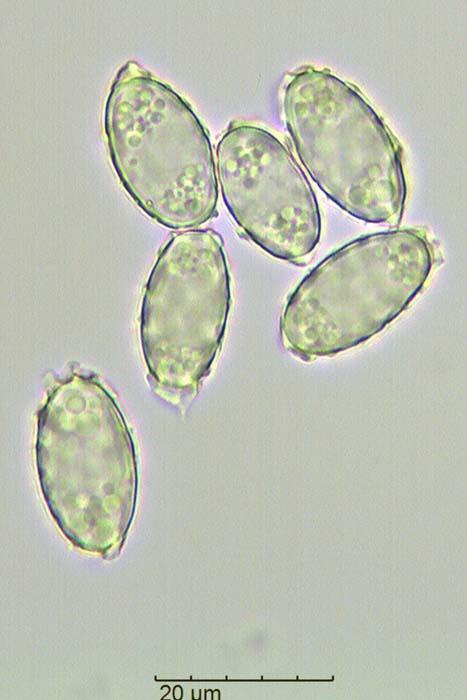
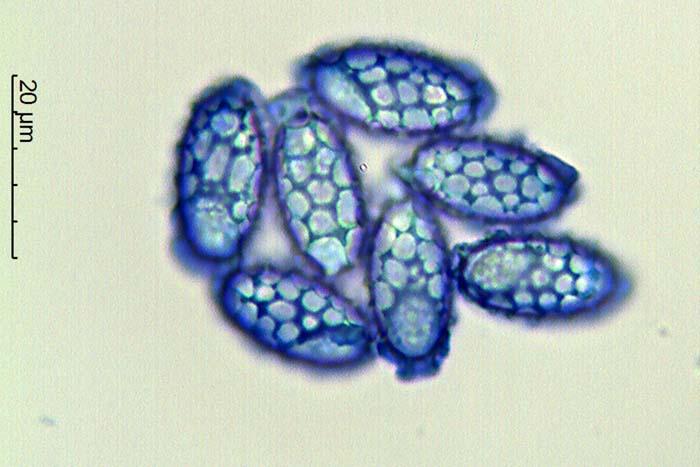

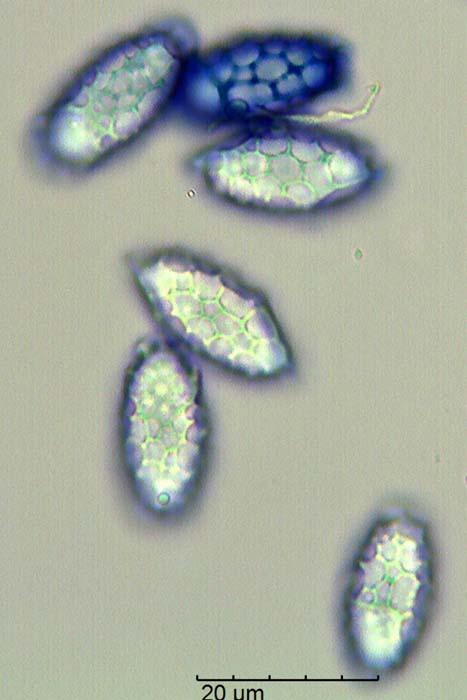
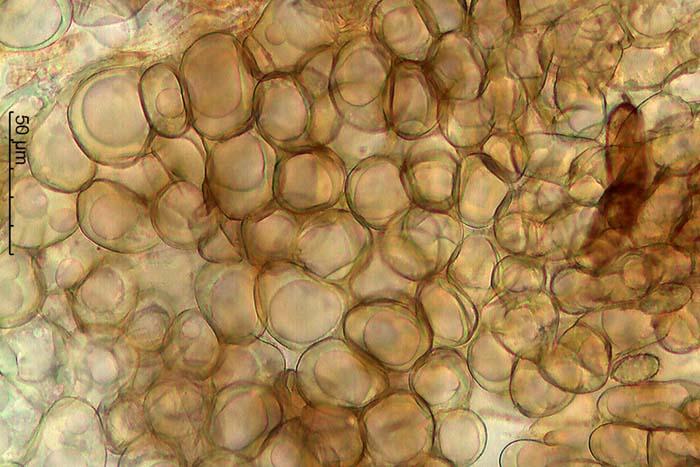
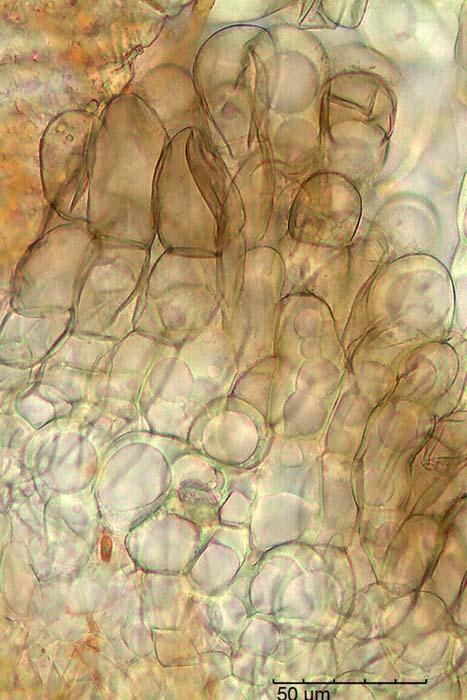
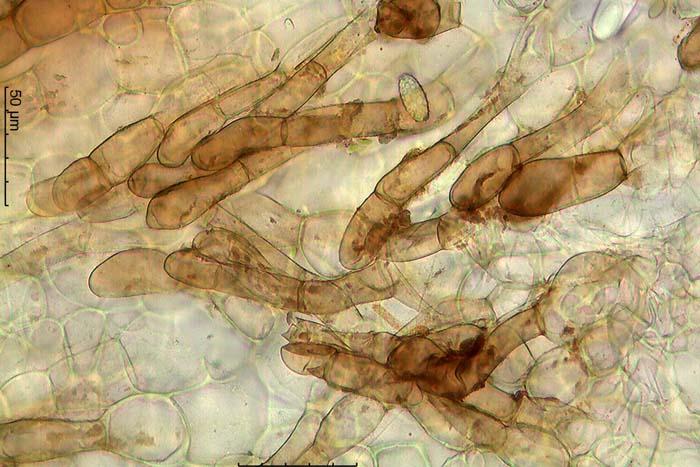
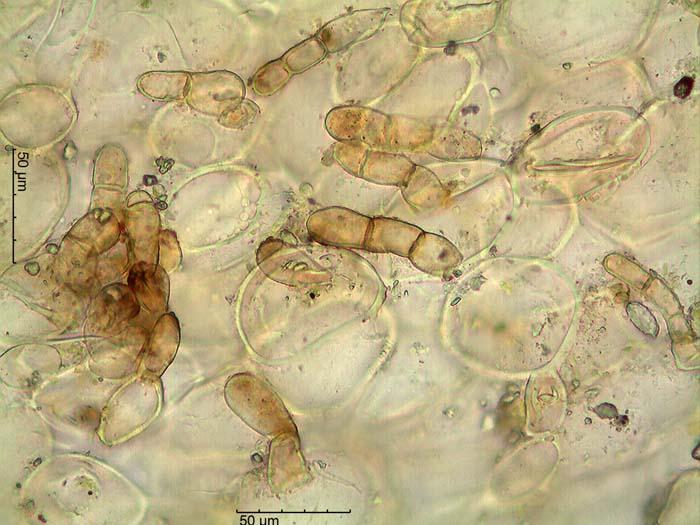

with this ornamentation (low, regular, rather thin ribs of reticulum) and hair width over approx. 15 um, I'd call it M. cornubiensis (syn. M. chateri). That few collections I saw had a bit wider spores (I collect M. carbonicola much more frequently than this one, but that's perhaps more my preference of habitats than the fungus'), but their respective sizes are overlapping a lot anyway. See Moravec's last article on this genus: http://www.czechmycology.org/_cm/CM474.pdf
Viktorie
So, M. chateri is synonymous with M. cornubiensis. The priority name would be M. cornubiensis?
The link you sent does not work, do you have the document?
Can someone help me to know what is the substance of the apex of the paraphysis?
Thank you
Rubén

for the link you have to type manually [.pdf] in the end.
about the paraphyses I am not sure but they seems to be apically thick walled, to be sure if it is cell-wall material test with Congo-red. Otherwise it might be some gel layer over the hymenium.
cheers,
Stip
Gracias Stip.
Ya he descargado el documento.
Subo una nueva foto de la sustancia o gel de ápice de las paráfisis.
Tengo todo el material seco, pero en próximas recolectas, las miraré con Rojo Congo.
Rubén
