
06-04-2026 19:40
 David Gibbs
Help with this one much appreciated, on rotting Fa
06-04-2026 11:07
Louis DENYBonjour forum, Trouvé sur bois de feuillu très d
06-04-2026 16:24
Juuso ÄikäsLast Tuesday I found some tiny white Helotiales gr

05-04-2026 20:40
 Robin Isaksson
Hi!Found i Japan on bark of Abies sp. Spores 35-4
06-04-2026 08:15
 Lothar Krieglsteiner
some days ago, on the lower surface of leaf of Que
05-04-2026 22:46
Lothar Krieglsteiner
on wood of Ceratonia, Algarve, 3.4.2026.The color
31-03-2026 21:18
 Miguel Ángel Ribes
Good evening. oes anyone have the original descrip
 Holland, 07-09-2019. In riverclay area on soil (old piece of riverbank). Apothecium yellowish/greenish, darkening into brown when older, largest 2,5-3 mm. Asci clavate, 155-190 x 18-20, no Meltzer reaction (J-).
Spores mature deep purple, young hyaline. I think I saw very fine granulation in the young spores, as well as fine warts. Mature spores with fissures/reticulated, 19-21 x 10-13.
Paraphyses slender, longer than the asci, yellow(ish). Septated, sometimes forked, with a slightly swollen top (not all of them).
Following van Brummelen I came to Ascobolus geophilus, but maybe I'm very wrong :)
What is your opinion? Thanks in advance!
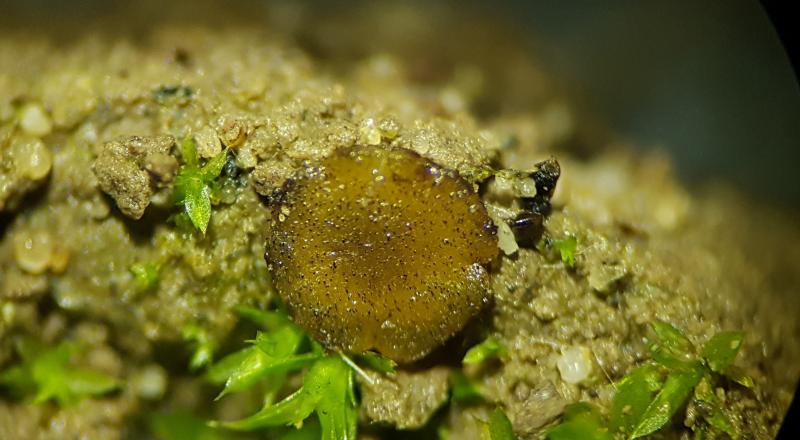
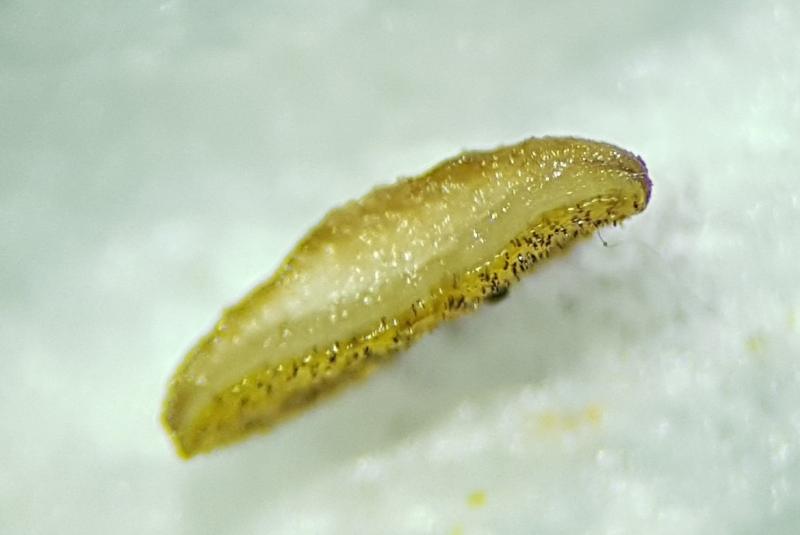
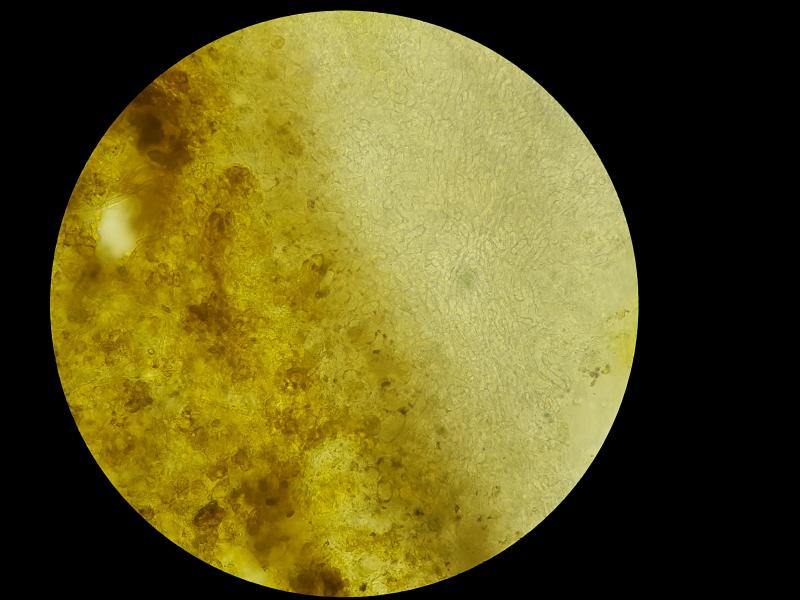
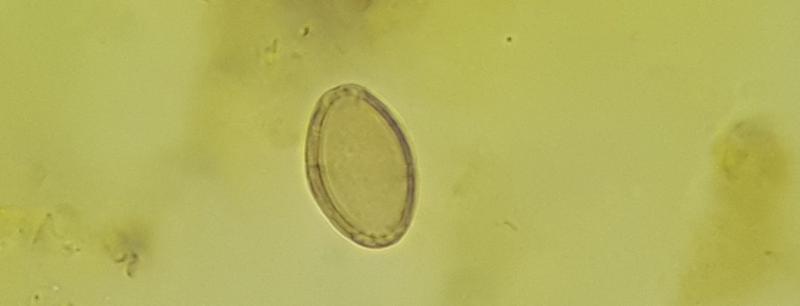
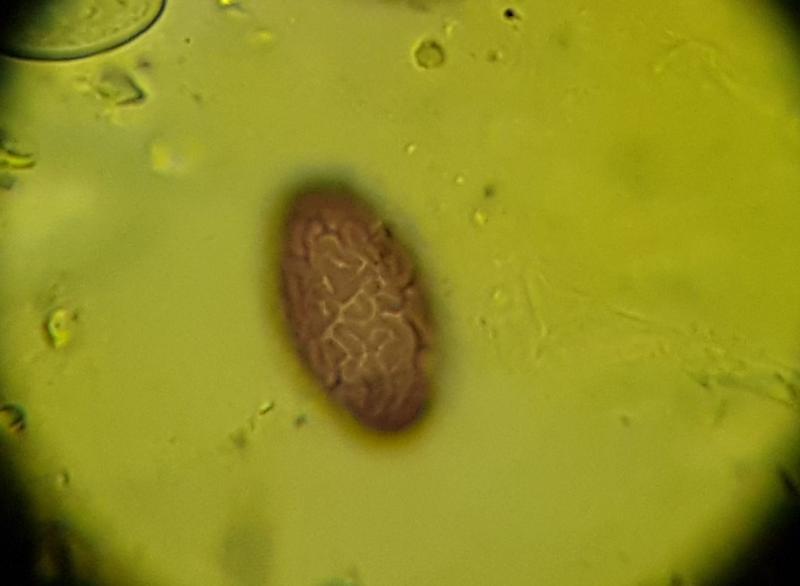
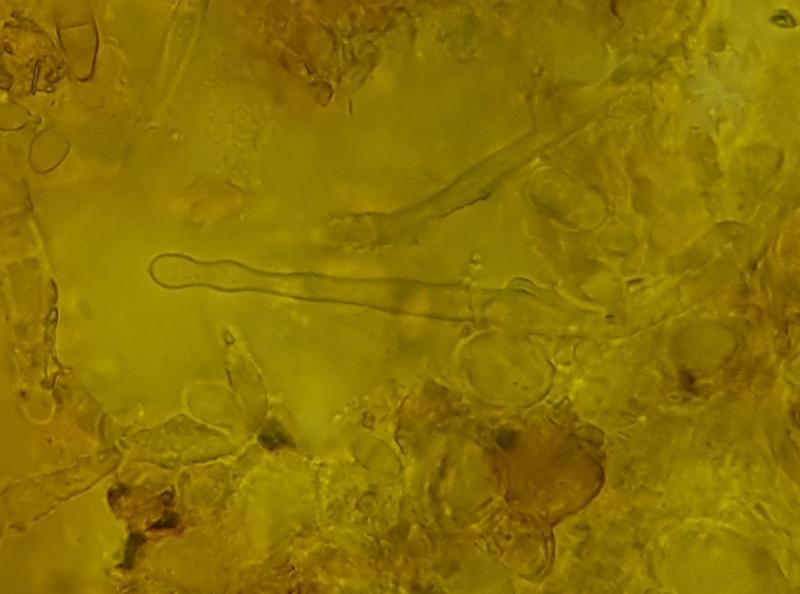

Interesting! It is sometimes difficult to separate certain species of this genus. Compares with A.behnitziensis near geophilus. According to Dissing, geophilus spores are later adorned ornamented, unlike behnitziensis. Also try to make other preparations in the Melzer showing the asci; you say negative Melzer whereas normally the reaction must be positive.
Michel.

van Brummelen states that only very young asci are amyloid in A. behnitziensis - i.e., the blueing might be visible only in lower part of the hymenium, see here: https://www.nahuby.sk/obrazok_detail.php?obrazok_id=606132
Cheers,
Viktorie
Michel, what I read in van Brummelen about geophilus:
Asci cylindric-clavate, tapering
downwards, rounded above, 160-200 X 17- 20 p. (according to Seaver rgr6, I.e.:
"200-250 X 15- 18 p,"), 8-spored; the wall not, or scarcely, blue in Melzer's reagent.
So I am now a bit confused?