
26-05-2026 21:25
Dirk GerstnerHello everyone, I'm completely stumped by this li
26-05-2026 22:44
Ethan CrensonHi all, I think I have Incrucipulum capitatum her
22-05-2026 14:44
 Lothar Krieglsteiner
in unripe condition citrine yellow, then soon fadi
25-05-2026 16:44
François BartholomeeusenHi forum members,During an excursion organised by
23-05-2026 11:44
 Charles Grapinet
Hello, I am having trouble identifying this copro
25-05-2026 16:35
 Bernard CLESSE
Bonjour à toutes et tous,J'ai trouvé récemment,
22-05-2026 13:29
Gernot FriebesHi,I am curious to hear your opinion on this mater
23-05-2026 18:57
Sylvie Le GoffBonjour à tousRécolté sur une branchette de Sal
22-05-2026 21:35
Steve ClementsBonjour, I expected this find on old wood on our
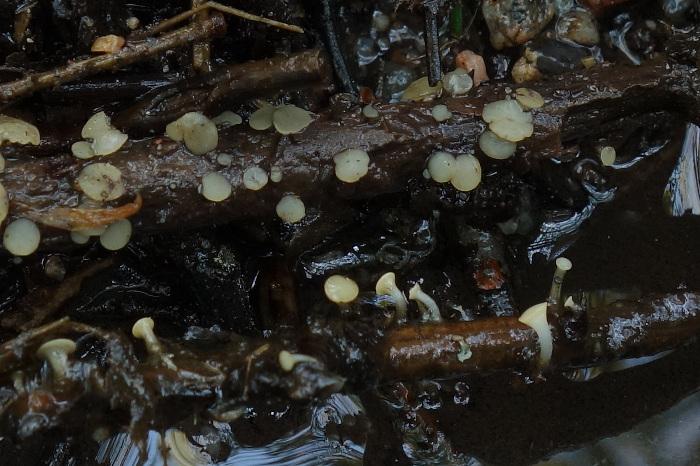
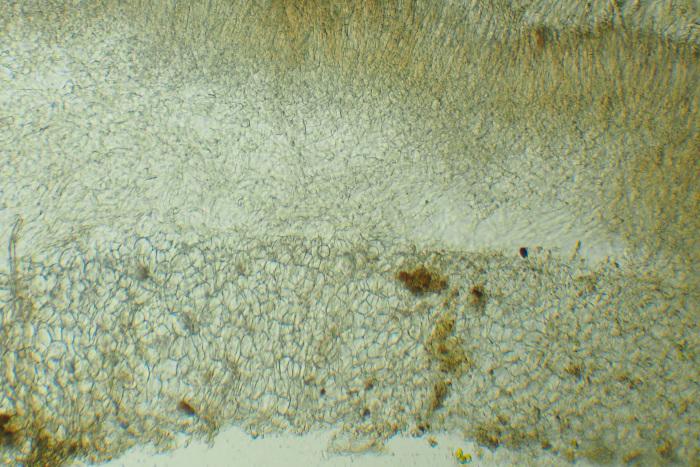
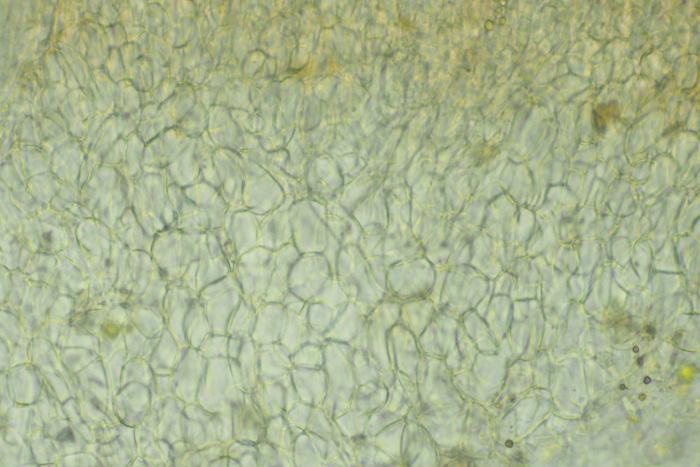
Hymenoscyphus vernus?
Juuso Äikäs,
22-05-2020 17:45
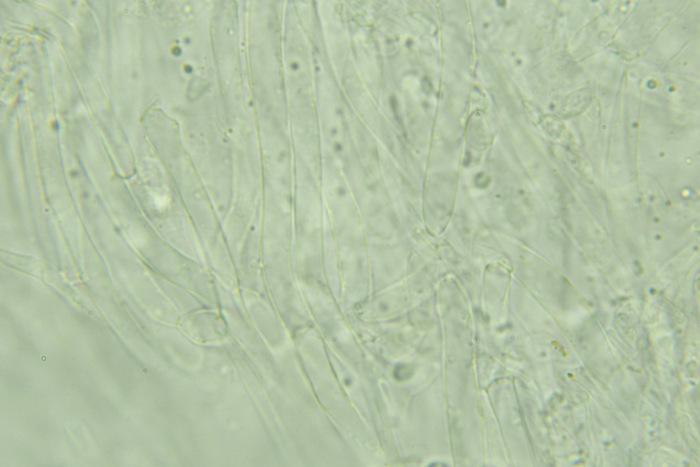
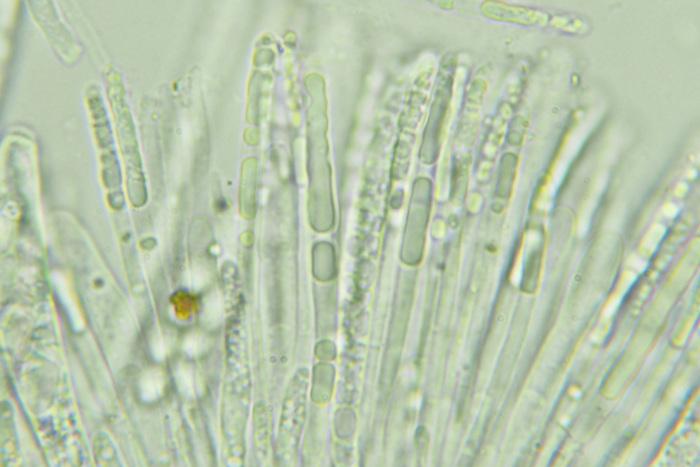
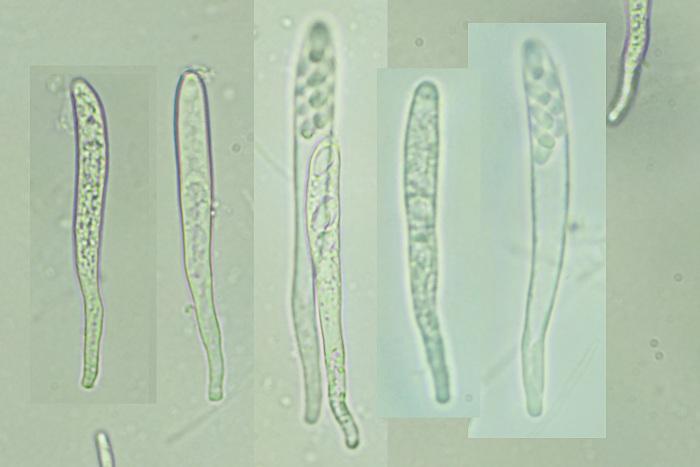
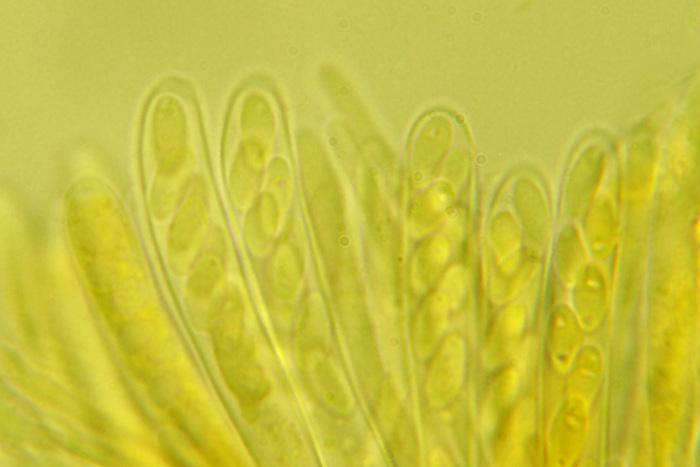
The asci seemed to be without croziers. I got almost no reaction with Melzer's but with Lugol's there was a fairly clear blue reaction with the apical pore.
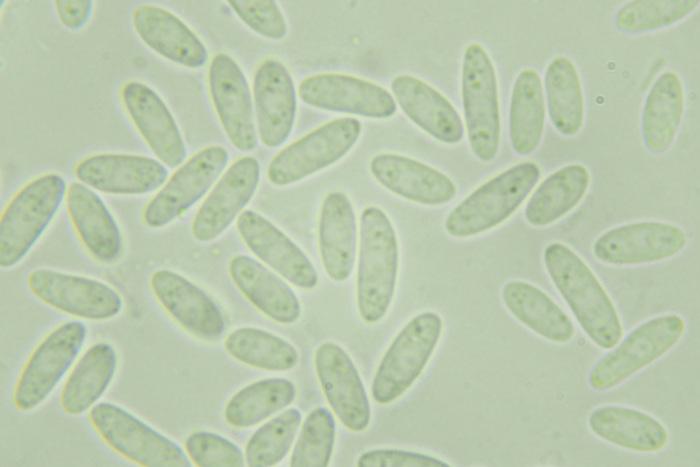
Spore measurements: (7.6) 8.3 - 12.2 (13.3) × (3.4) 3.5 - 4.3 (4.4) µm
Q = (2) 2.3 - 3.1 (3.5) ; N = 16
Me = 10.3 × 3.8 µm ; Qe = 2.7
So does this fit H. vernus or might this be something else? I've found Cudoniella clavus before in the same stream last summer but I think this is something different. That finding had croziers and the stems were brown towards the base.
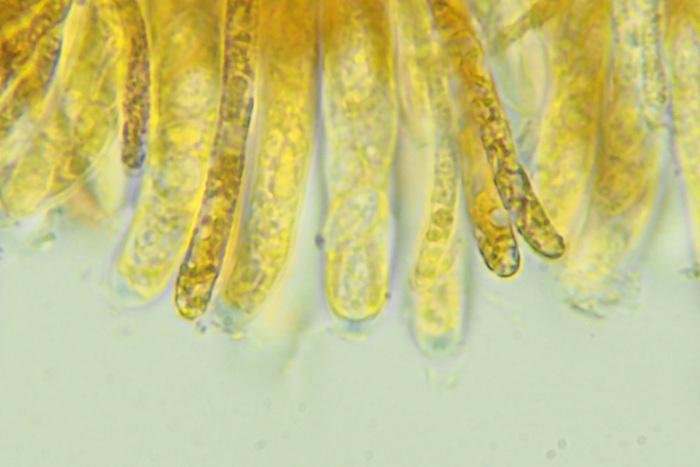
Hans-Otto Baral,
22-05-2020 20:37

Re : Hymenoscyphus vernus?
Yes, this is a good fit. A dark base is typical for H. vernus, not sure if it occurs also in C. clavus. Genetically the two species are surely congeneric, but the absence of croziers and the narrower, more cylindrical spores are typical of H. vernus.
Juuso Äikäs,
22-05-2020 20:50
Re : Hymenoscyphus vernus?
Ok, many thanks! I looked at a couple ascocarps with 20X magnification and the base of the stem was blackish. The C. clavus that I've found had more a medium brown than a blackish base.
Hans-Otto Baral,
22-05-2020 21:16
Re : Hymenoscyphus vernus?
This is exactly the current case.