
11-04-2026 15:45
 Zuzana Sochorová (Egertová)
Please, could anyone send me this paper?Moyne G.,
11-04-2026 13:34
Artem PtukhaHello, I am seeking assistance with the identific

11-04-2026 10:19
 Michel Hairaud
Chers amis d'Ascofrance , voici une très bonne no
11-04-2026 10:10
Michel Hairaud
Dear Ascofrance members, here is some very good ne
10-04-2026 23:22
Gernot FriebesHi,ascospores are 1- to 3-septate, approximately
10-04-2026 15:51
 William Slosse
Hello everyone, On 08/04/26, I found a growth sit
09-04-2026 15:25
Jac GelderblomOn bare soil between mosses Ifound an asco I deter
09-04-2026 13:55
Thomas Læssøehttps://svampe.databasen.org/observations/10589176
09-04-2026 10:12
Thomas Læssøehttps://svampe.databasen.org/observations/10587061
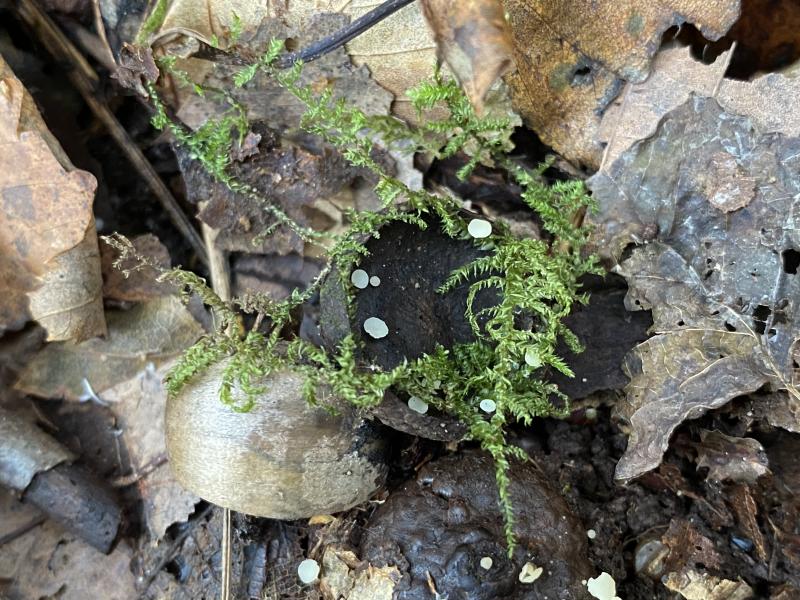
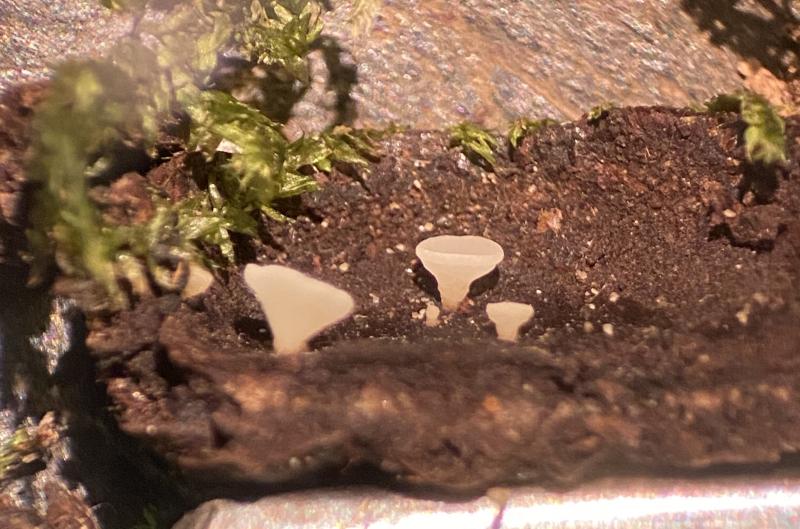
Acorn fungus
Guy Buddy,
19-10-2020 22:24
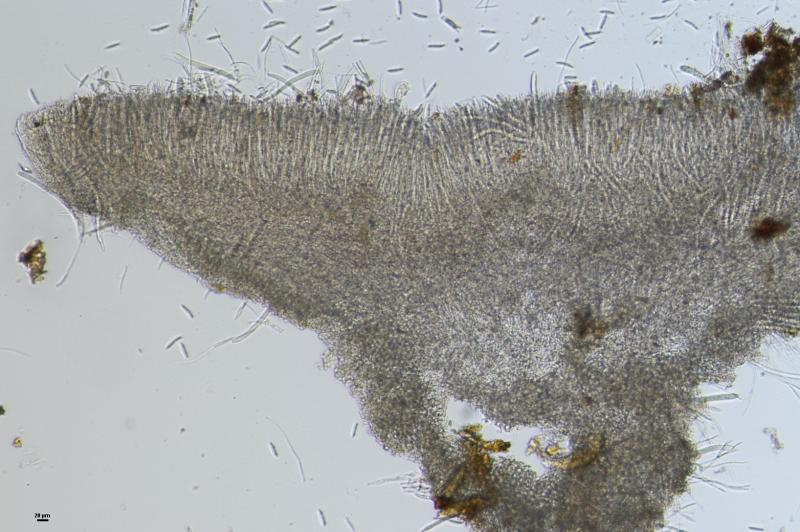
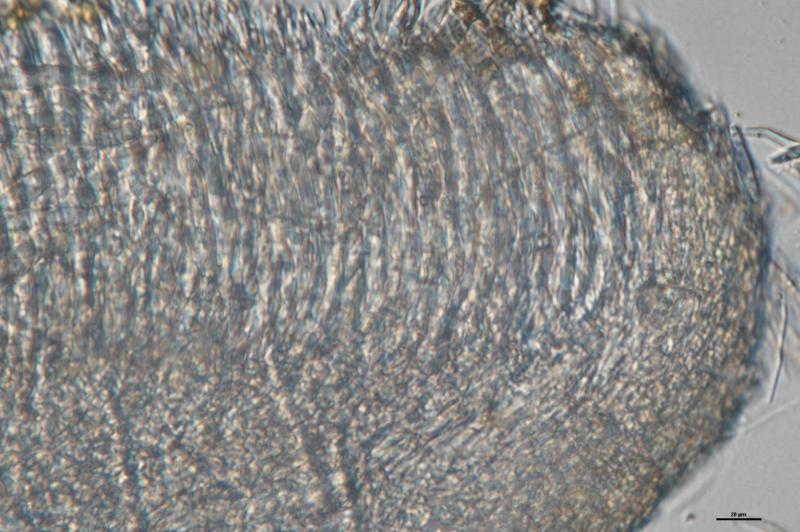
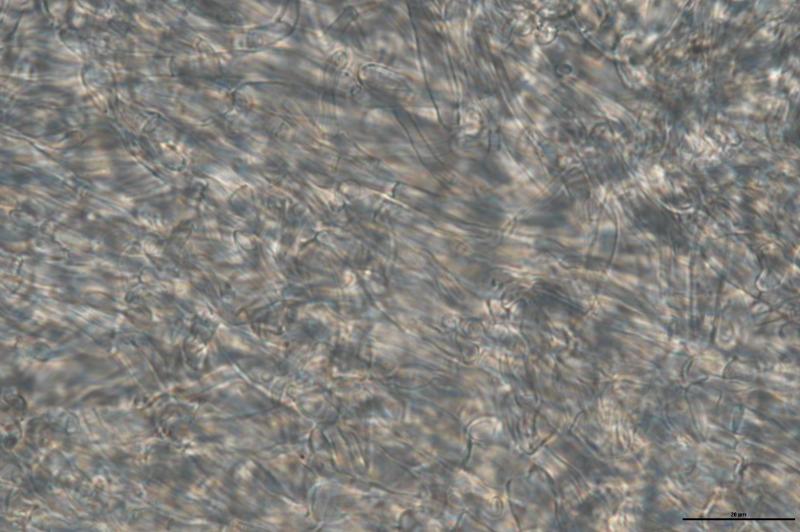
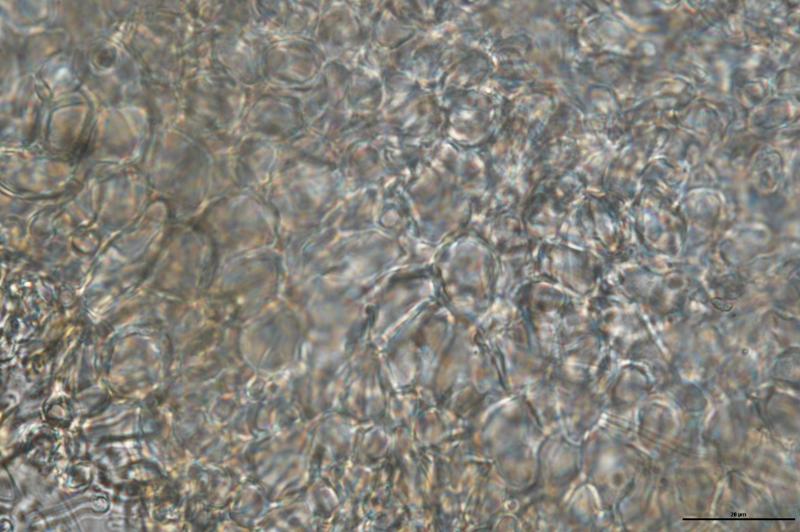
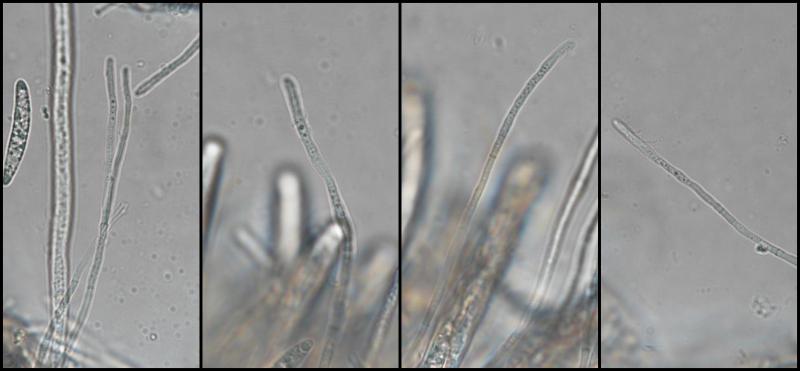
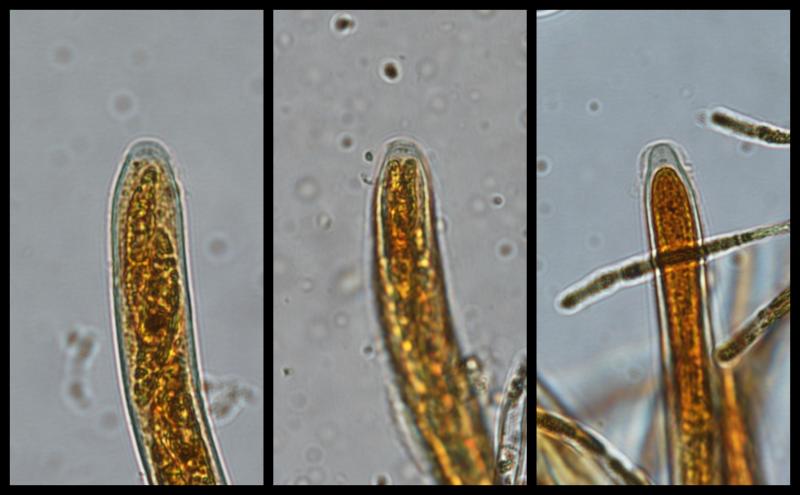
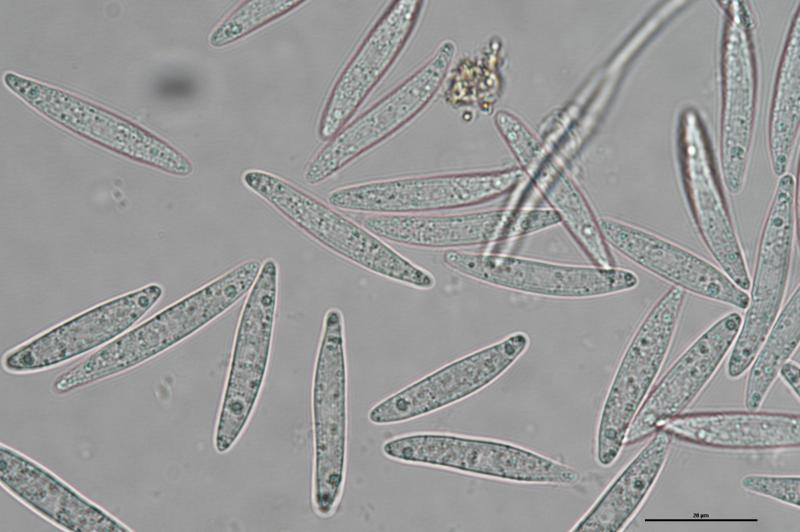
This is a common cup on Quercus acorns in Pennsylvania, USA. Medullary excipulum looks textura intricata while ectal looks angular to globose. Paraphyses filiform, septate, some forked, with small oil drops. Asci weak IKI +, no croziers. Spores measure 35.4 × 6.1 µm.
Thanks,
Devin
Guy Buddy,
19-10-2020 22:25
Re : Acorn fungus
more pics
Hans-Otto Baral,
20-10-2020 08:40

Re : Acorn fungus
We had this fungus a few days ago: http://www.ascofrance.fr/search_forum/65321
It is Phaeohelotium geogenum (Cooke) Svrcek & Matheis, but perhaps better placed in Cudoniella.
The type is from near Paris and the type of the synonym Helotium longisporum Schweers from Netherlands.
Typically it grows on remnants of Quercus, preferably acorns.
From your scale I find the spores 30-38 x 5.3-6 µm.
Zotto
Guy Buddy,
20-10-2020 15:49
Re : Acorn fungus
Thanks Zotto for sharing your braincyclopedia.
Devin
Devin