11-04-2026 15:45
 Zuzana Sochorová (Egertová)
Please, could anyone send me this paper?Moyne G.,
11-04-2026 13:34
Artem PtukhaHello, I am seeking assistance with the identific

11-04-2026 10:19
 Michel Hairaud
Chers amis d'Ascofrance , voici une très bonne no
11-04-2026 10:10
Michel Hairaud
Dear Ascofrance members, here is some very good ne
10-04-2026 23:22
Gernot FriebesHi,ascospores are 1- to 3-septate, approximately
10-04-2026 15:51
 William Slosse
Hello everyone, On 08/04/26, I found a growth sit
09-04-2026 15:25
Jac GelderblomOn bare soil between mosses Ifound an asco I deter
09-04-2026 13:55
Thomas Læssøehttps://svampe.databasen.org/observations/10589176
09-04-2026 10:12
Thomas Læssøehttps://svampe.databasen.org/observations/10587061
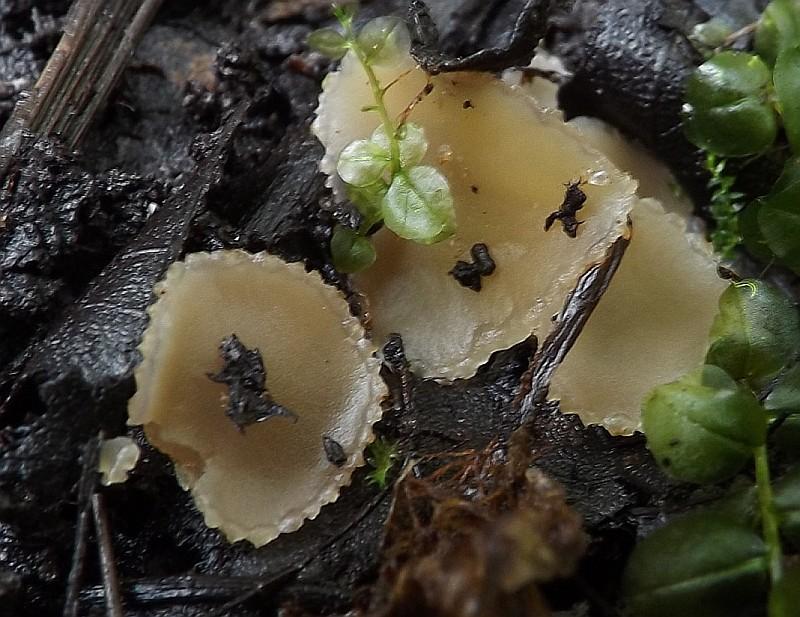
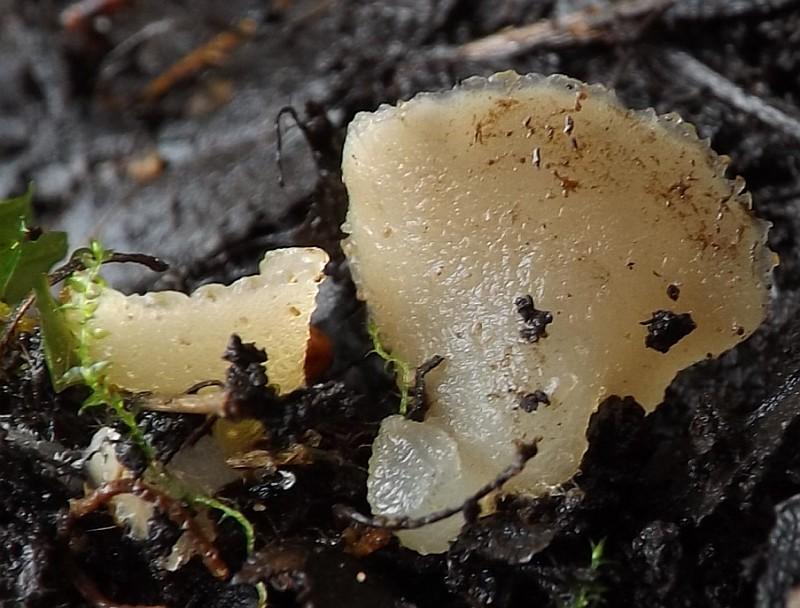
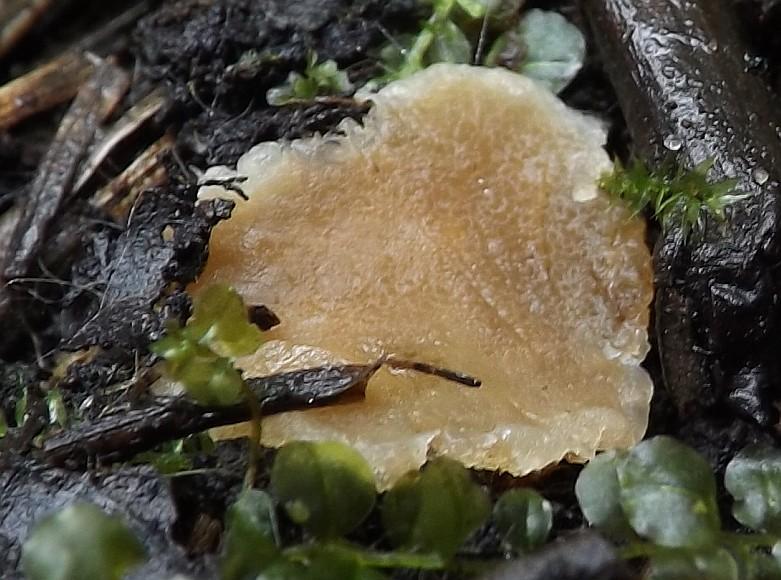
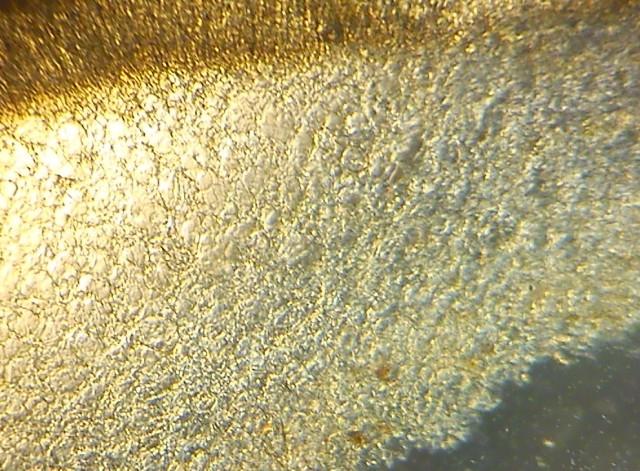
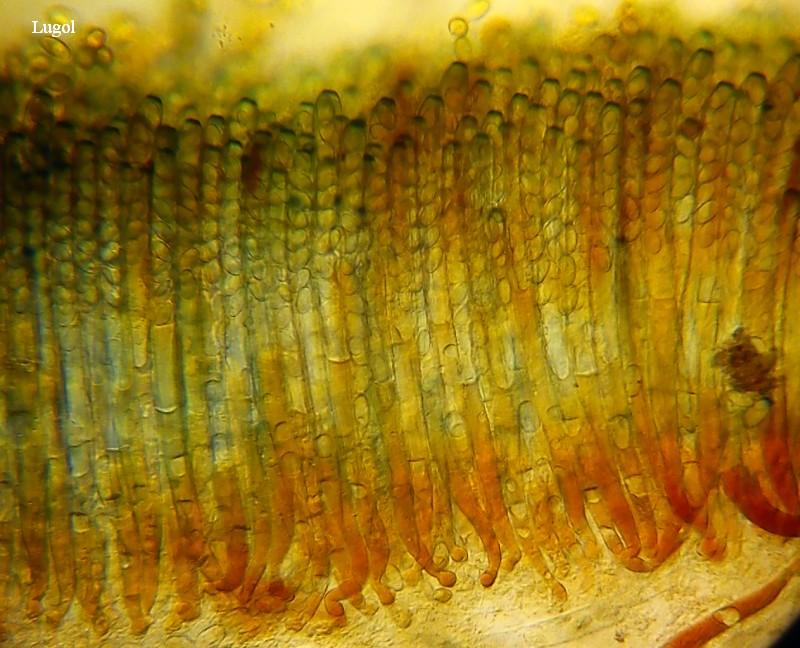
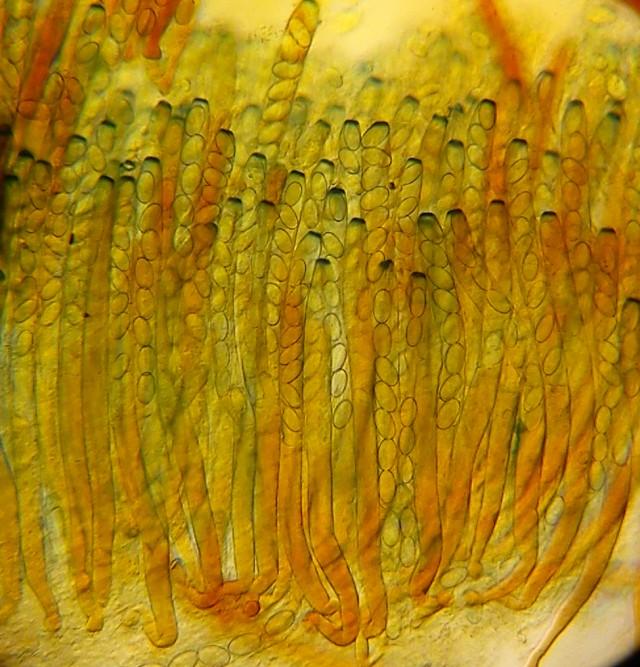
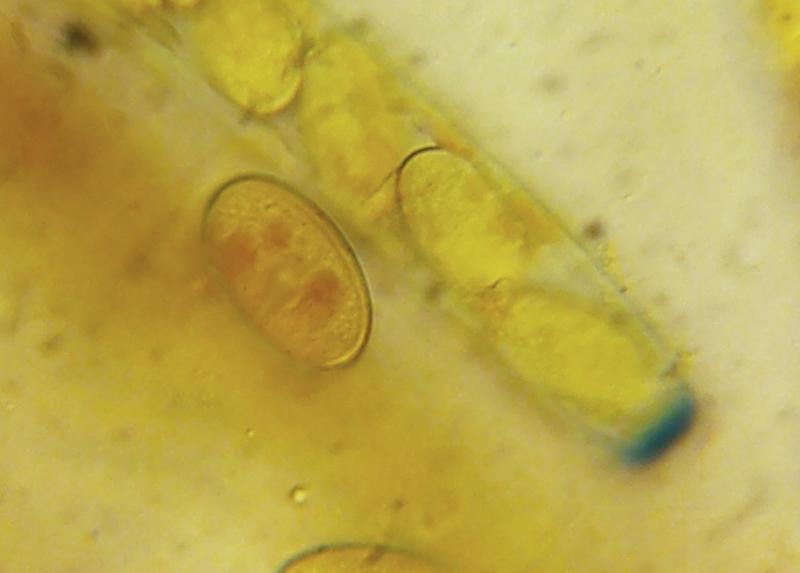
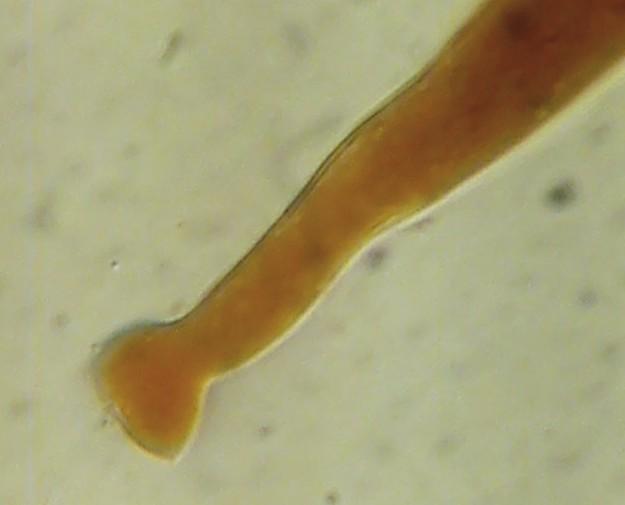
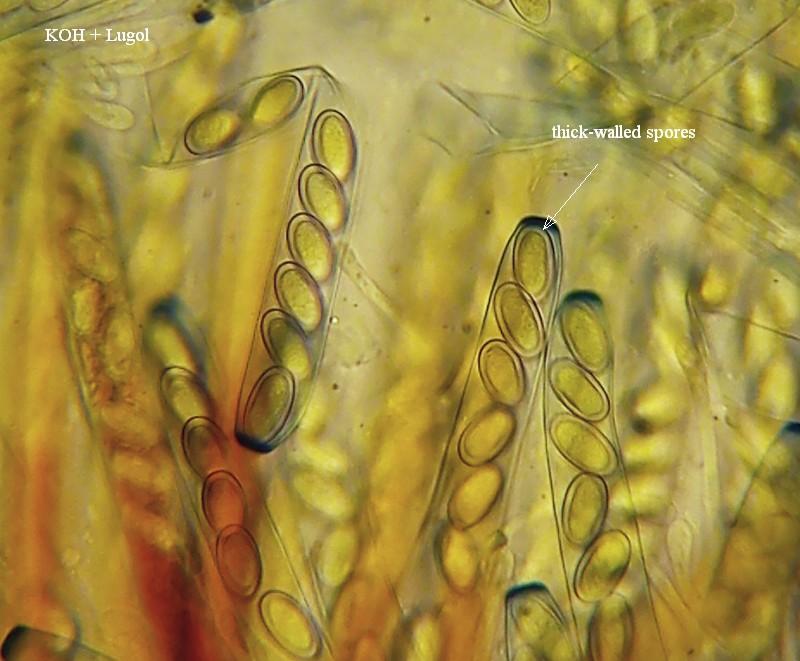
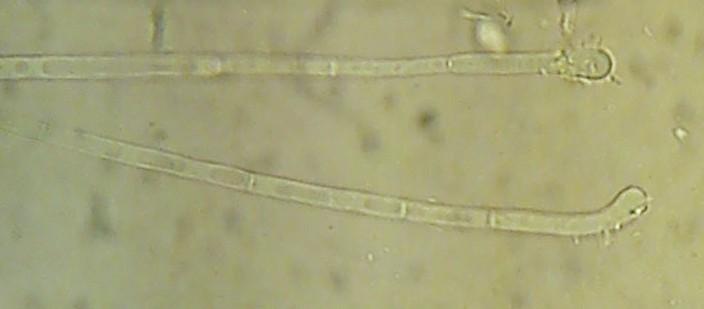
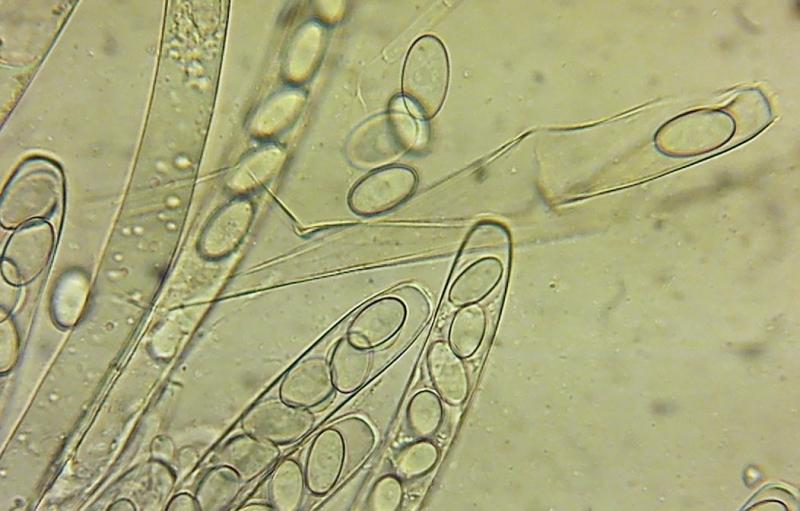
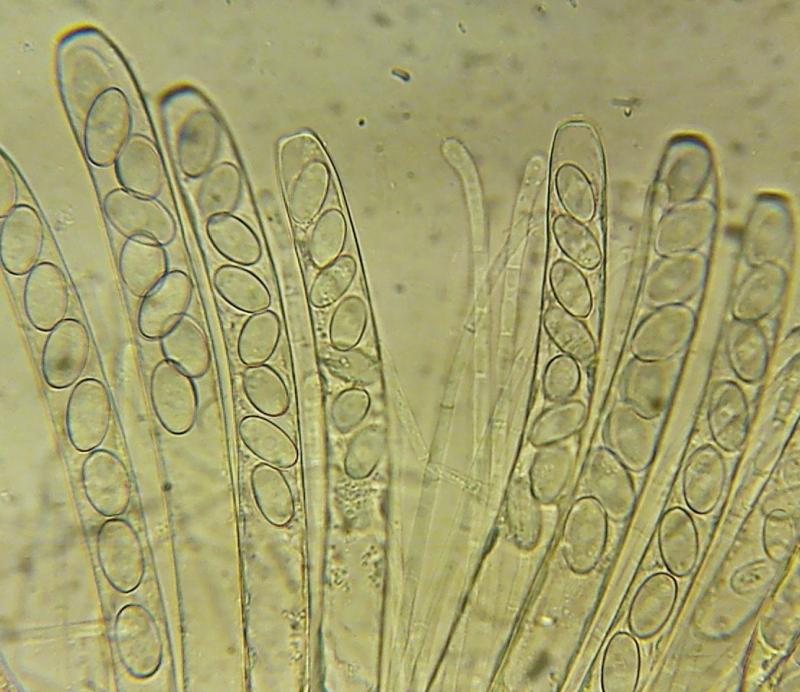
The fruiting bodies grew on a pile of decaying leaves. The substrate is a bit unusual so I prefer to make sure. Usually encountered in feces.
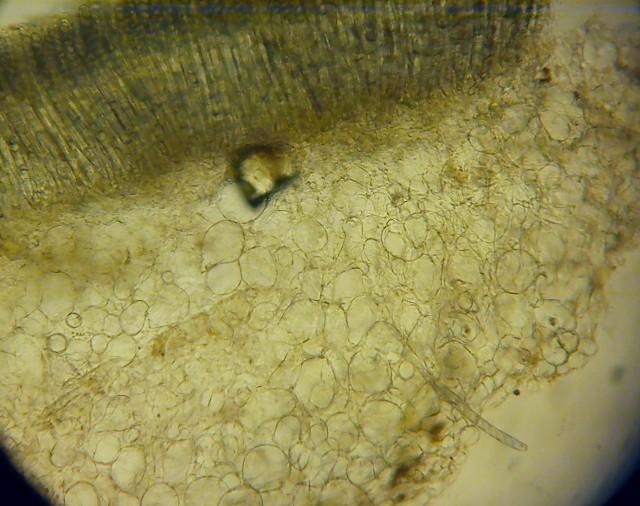
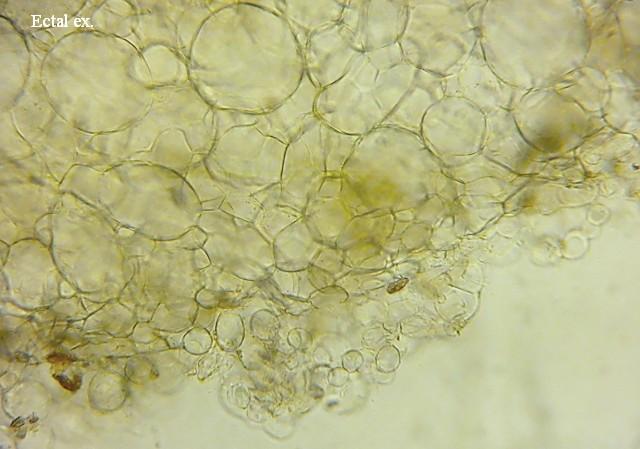
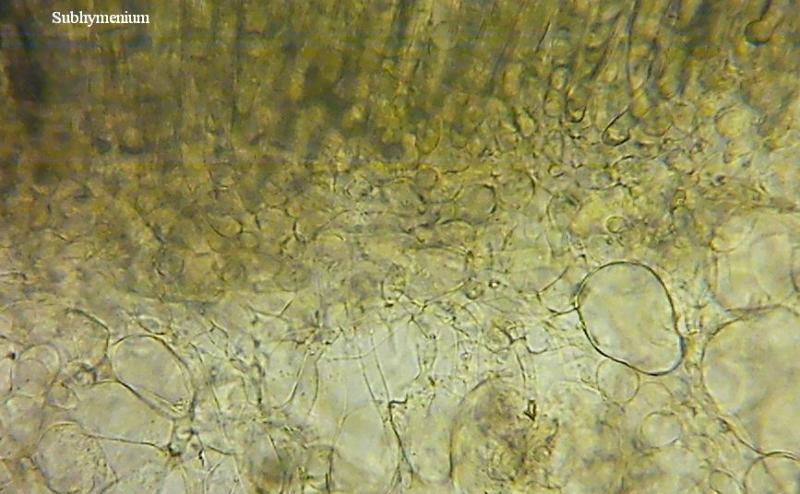
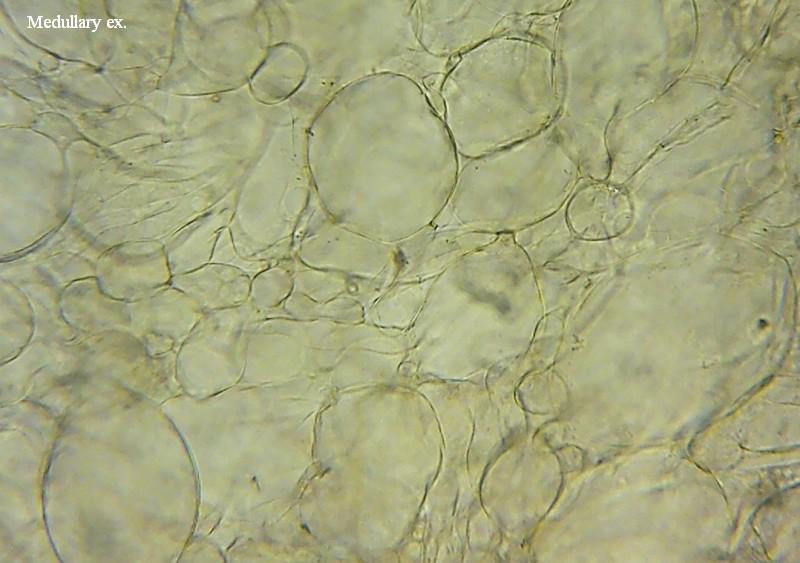
Peziza vesiculosa should have an inricata texture layer which is not present in my collection.
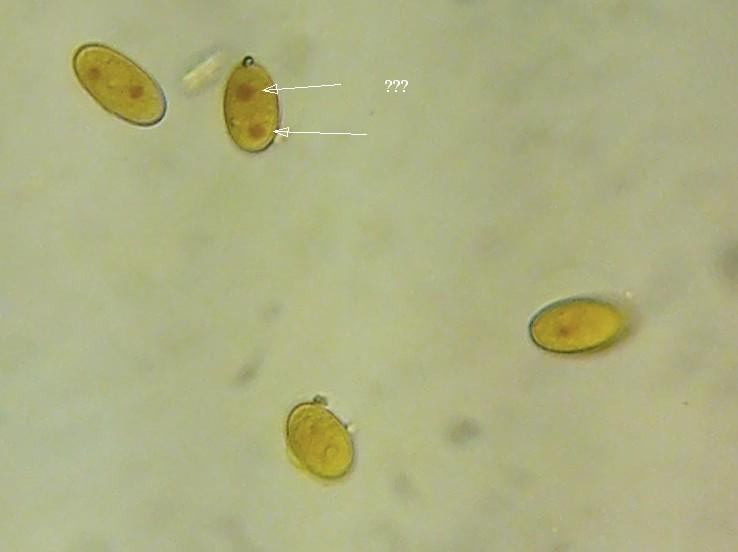
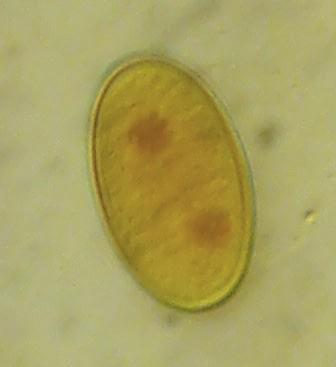
I measured the spores from two fruiting bodies.
In the most mature fruit body, and in fact already decaying, spores a bit narrower than in the fruit body in the prime of life, which struck me as quite puzzling?
1) the fruiting body is overripe
(18.5) 18.6 - 19.88 (19.9) × (9.5) 9.51 - 9.8 (10.1) µm
Q = (1.9) 1.91 - 2 (2.1); N = 11
Me = 19.2 × 9.7 µm; Qe = 2
2) second fruiting body - spores more suitable here?
(17.2) 18.4 - 21.6 (21.7) × (9.5) 9.9 - 12.3 (12.9) µm
Q = (1.6) 1.61 - 1.8 (1.9); N = 11
Me = 19.5 × 11.4 µm; Qe = 1.7
18.37 11.18
20.26 11.89
17.24 9.88
18.37 9.53
21.71 12.28
19.35 11.16
20.26 11.60
18.95 11.86
19.14 11.27
18.75 11.68
21.57 12.90
best regards
Mirek