
11-04-2026 15:45
 Zuzana Sochorová (Egertová)
Please, could anyone send me this paper?Moyne G.,
11-04-2026 13:34
Artem PtukhaHello, I am seeking assistance with the identific

11-04-2026 10:19
 Michel Hairaud
Chers amis d'Ascofrance , voici une très bonne no
11-04-2026 10:10
Michel Hairaud
Dear Ascofrance members, here is some very good ne
10-04-2026 23:22
Gernot FriebesHi,ascospores are 1- to 3-septate, approximately
10-04-2026 15:51
 William Slosse
Hello everyone, On 08/04/26, I found a growth sit
09-04-2026 15:25
Jac GelderblomOn bare soil between mosses Ifound an asco I deter
09-04-2026 13:55
Thomas Læssøehttps://svampe.databasen.org/observations/10589176
09-04-2026 10:12
Thomas Læssøehttps://svampe.databasen.org/observations/10587061
Hello everyone,on November 26, 2020 I found an asco growing at the base of presumably Carex arenaria. The site is located in the gray dunes in Koksijde, Belgium (coastal area). The asco appeared in abundance and I think it could be a Rutstroemia.
Can somenone give me a clue?
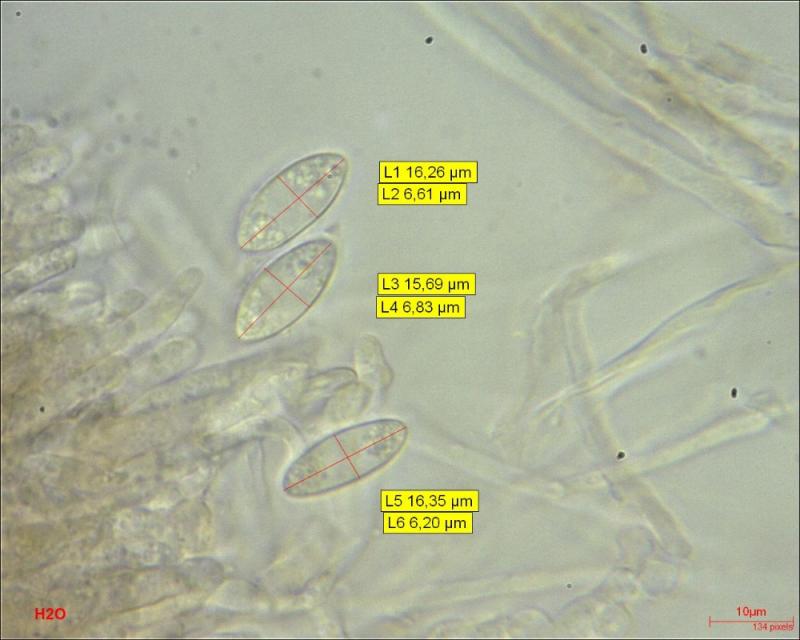
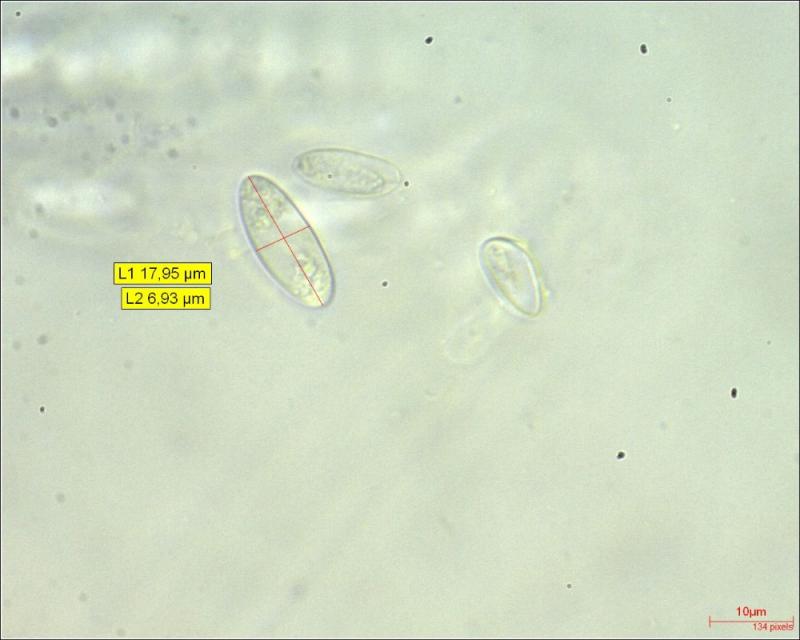
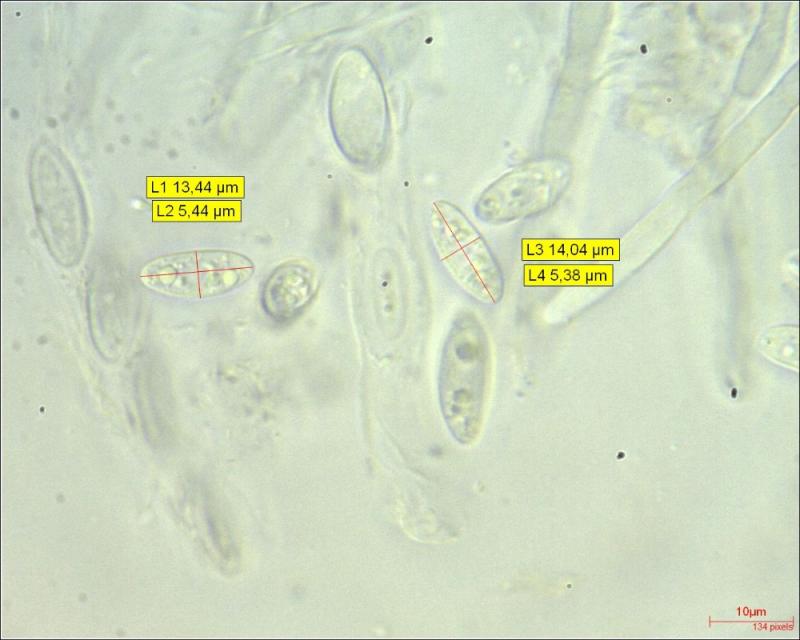
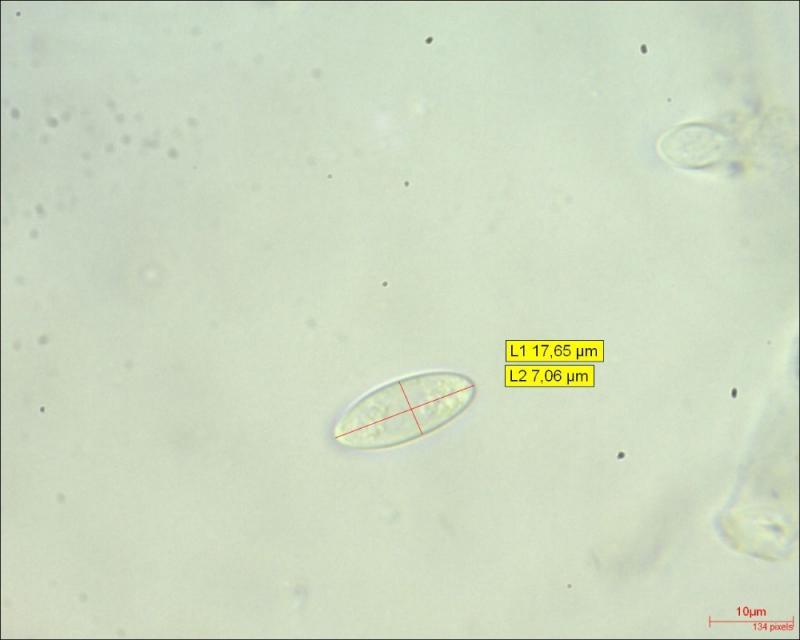
Spores: elliptical; filled at the poles with clusters of droplets; Av 16.34x6.50µm (N = 17)
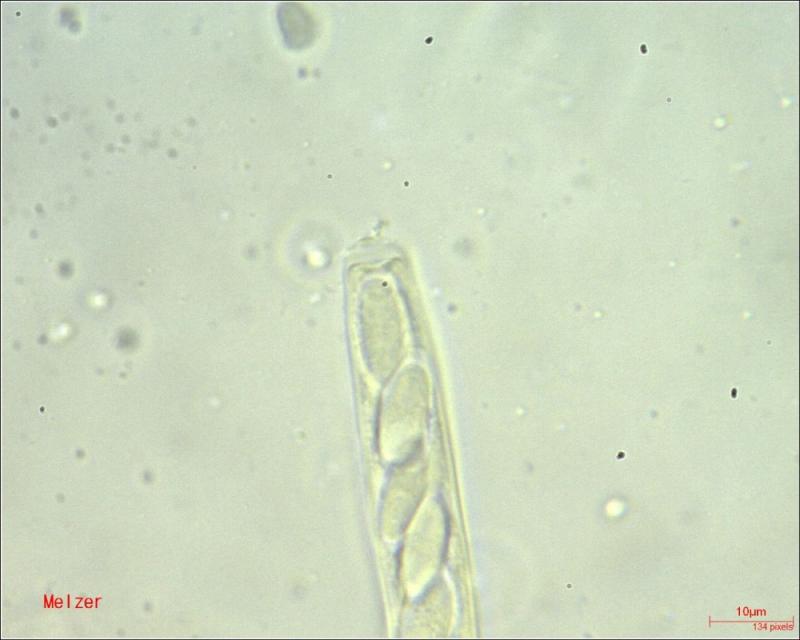
Asci: J-; uniseriated, 8-spored
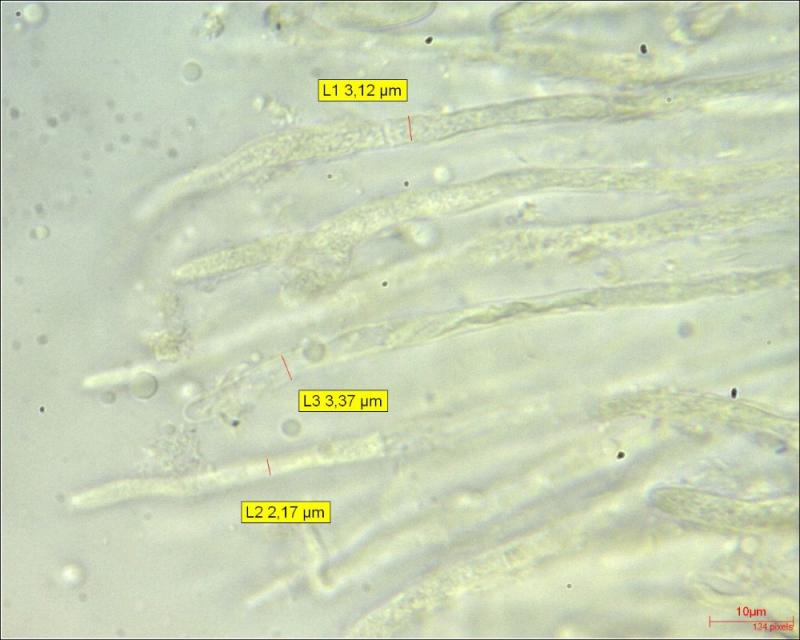
Paraphyses: filiform; cilindric; sometimes branched at the top; multiseptated; finely encrusted (?); diameter on average around 3.17 µm
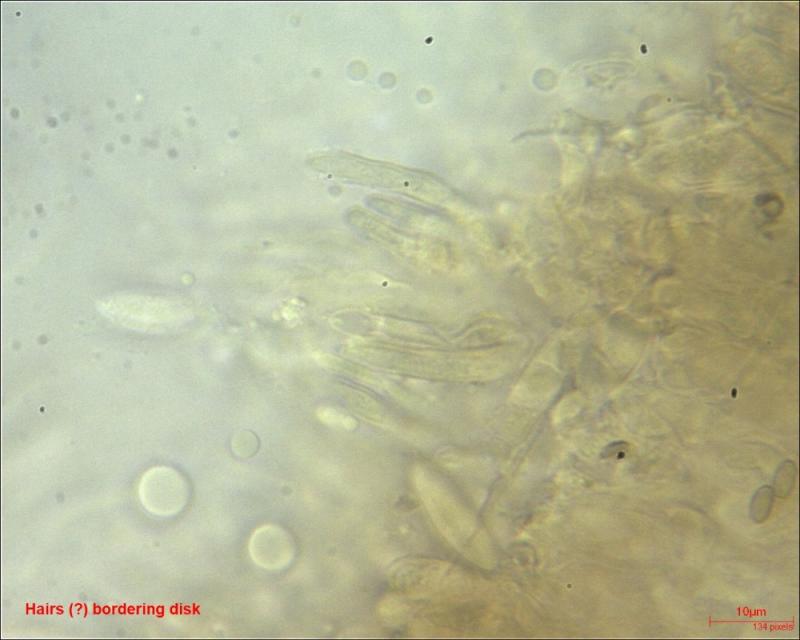
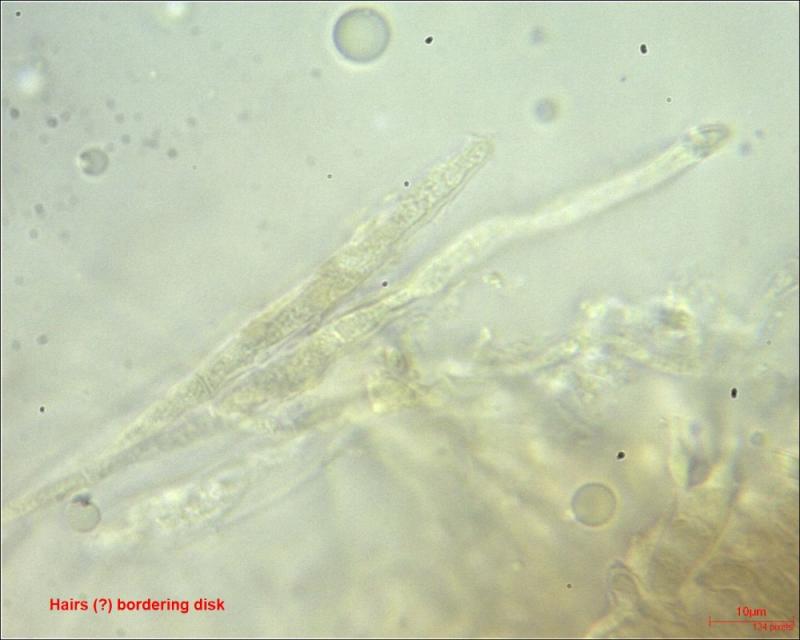
Hairs (?) or paraphyses on the edge: thick-walled; multiseptated; finely encrusted; tapered top; content colored.
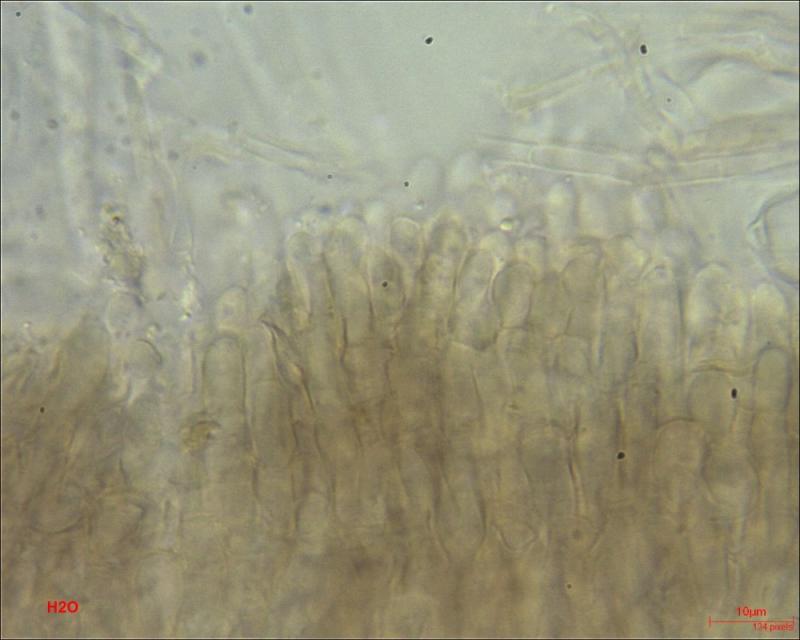
The photo series in the same order with a final image of the outer excipulum.
All measurements were done in water.
Kind regards, William
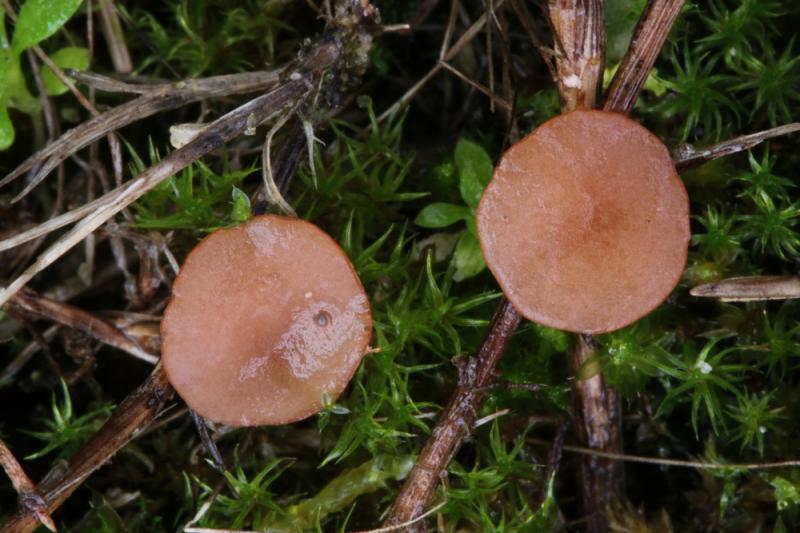
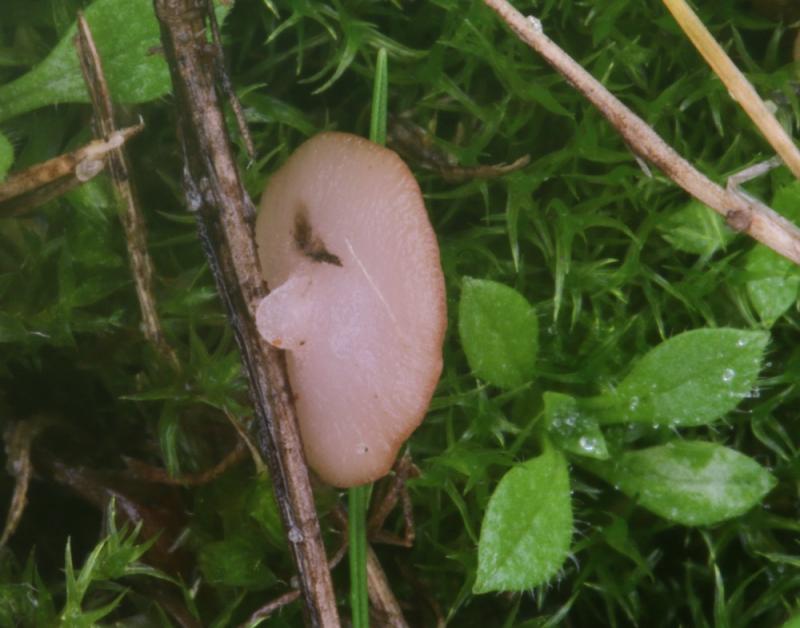
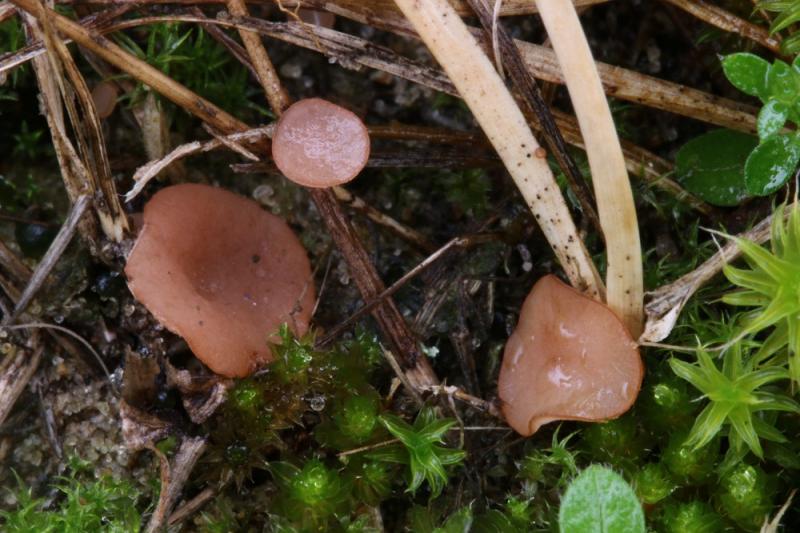
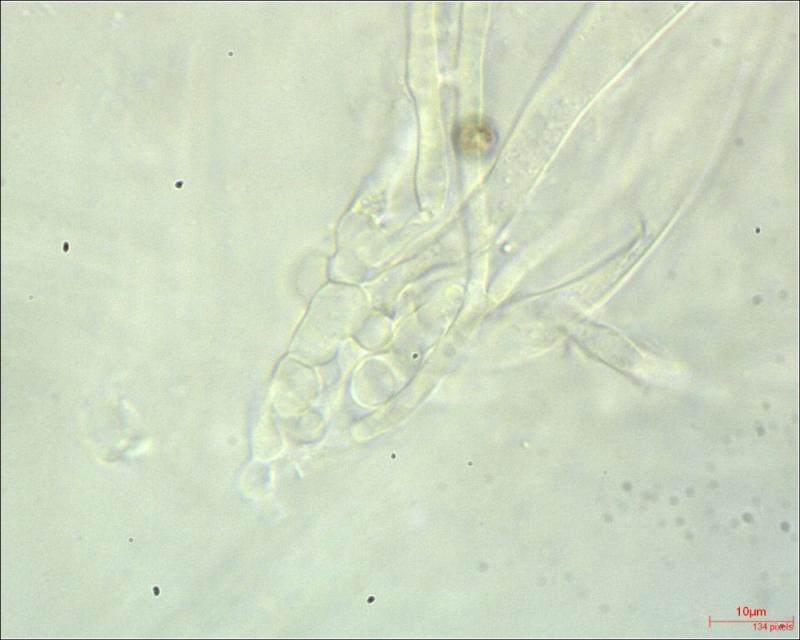
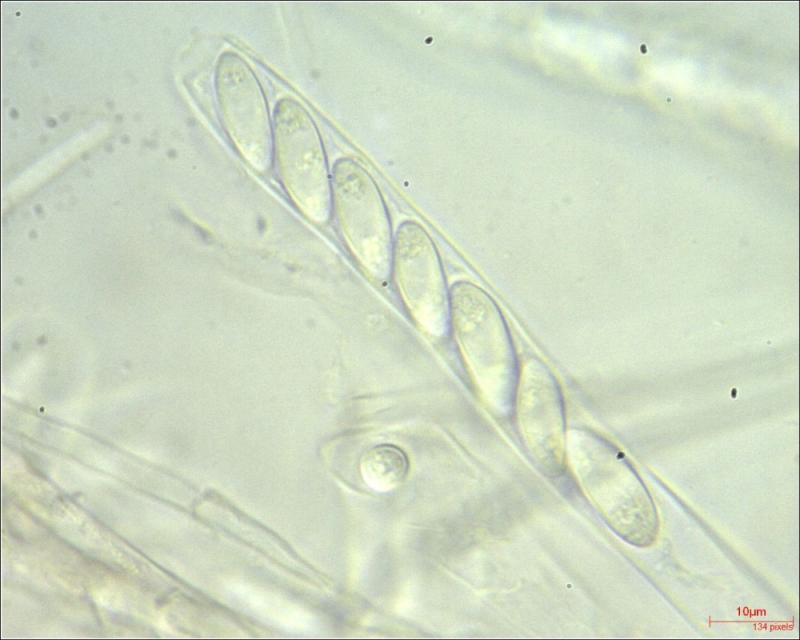
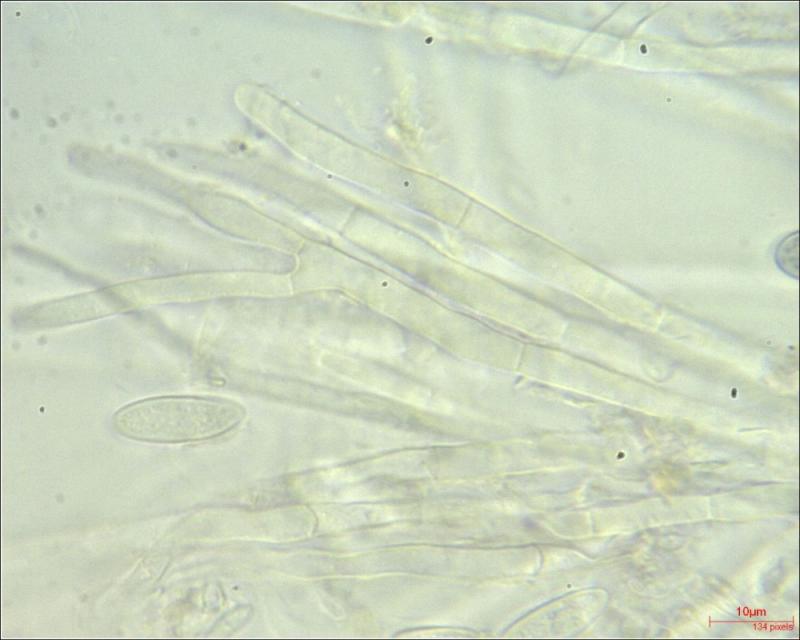
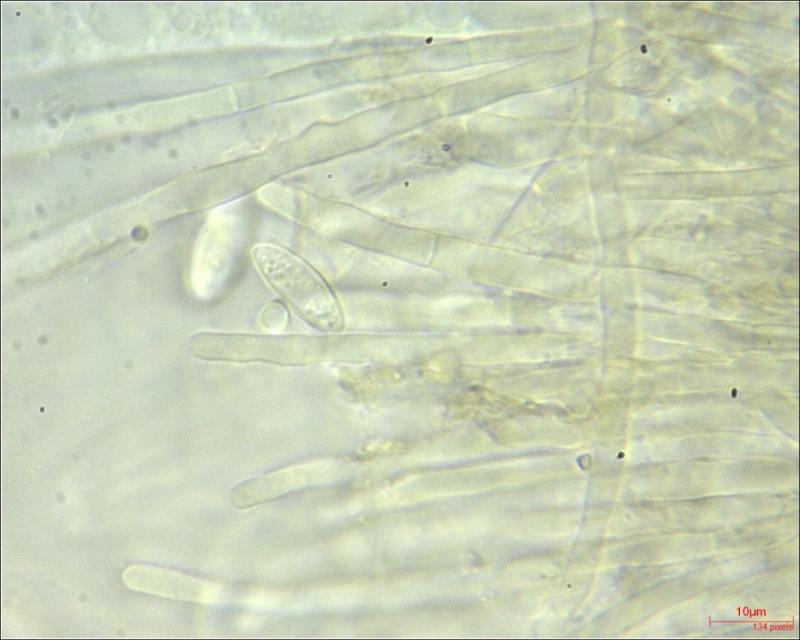

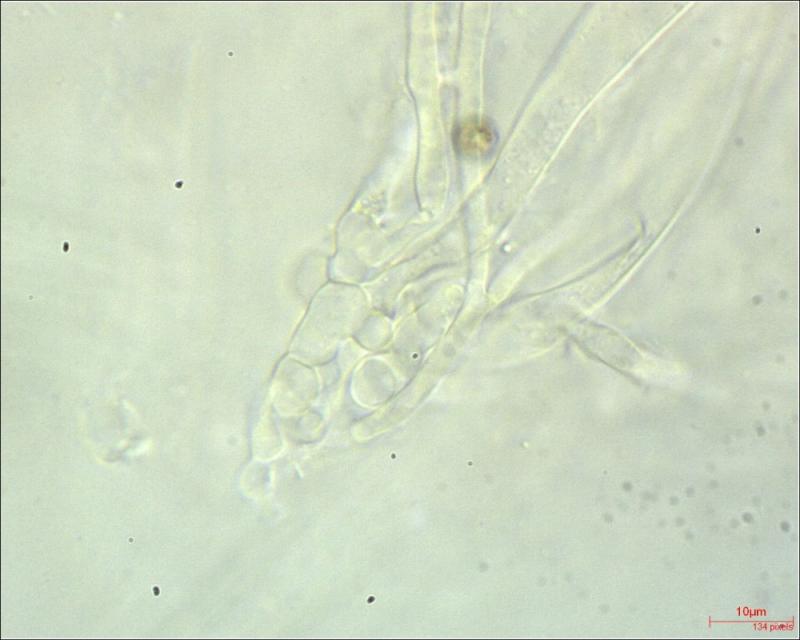
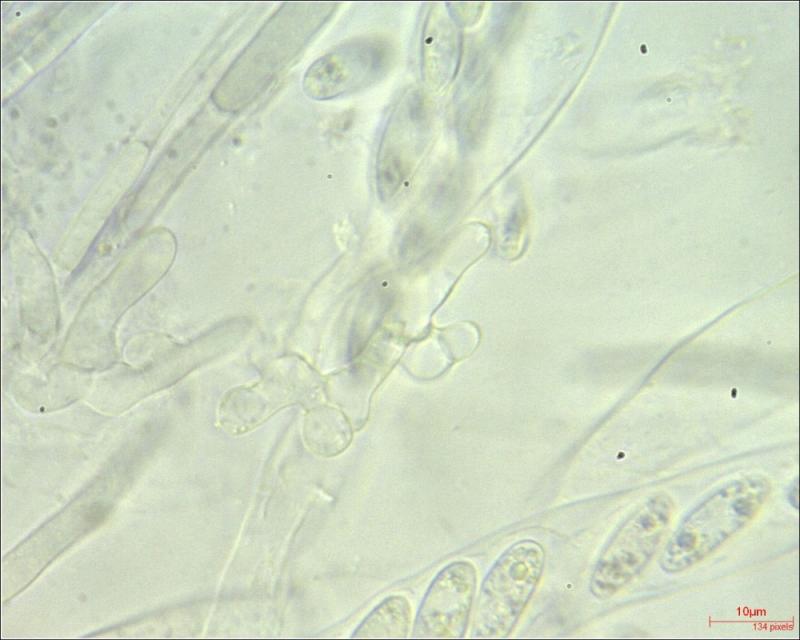
Look for Rutstroemia maritima, The asci should have croziers.
Enrique
Thanks for your comment.
The asci do indeed have croziers, but the host plant here is not Ammophila arenaria.
I do not know whether Rutstroemia maritima has also been observed on other dunegrass varieties.
Do you sometimes have information about that?
R. paludosa occurs on various grasses but has a distinct stem. Here, however, all fruiting bodies are sessile or with a very short stalk.

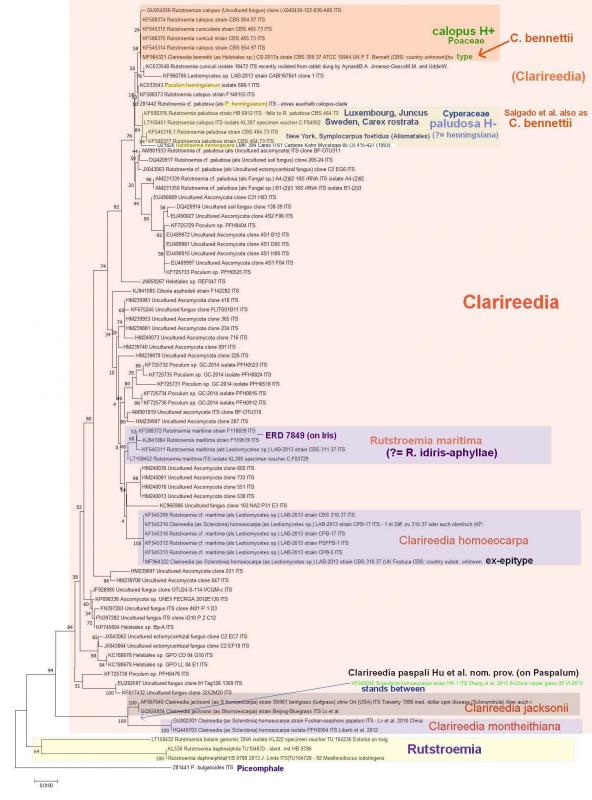
thx for your reaction.
In any case, the substrate consists of a grass, not Carex. I will not be able to find a new collection at the moment, due to the recent frost, but I still have some material, including substrate, in collection.
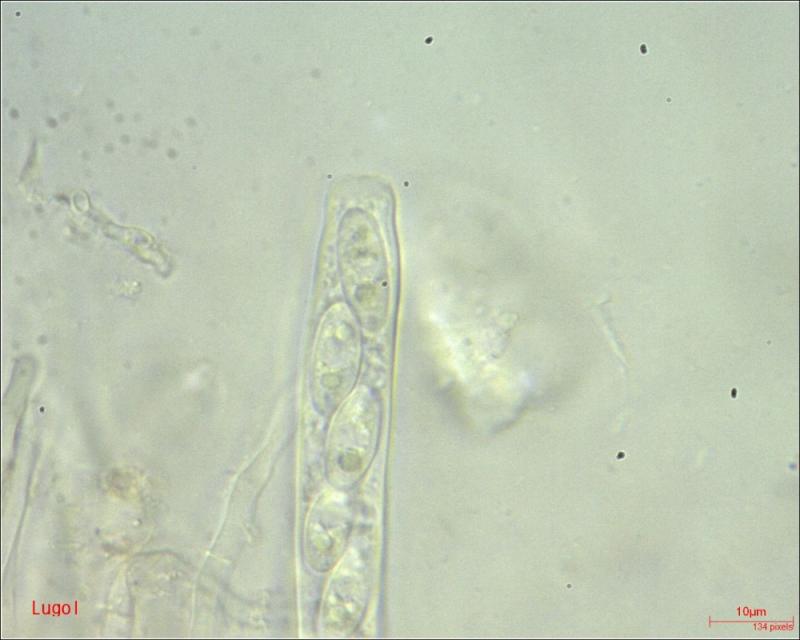
In Lugol I notice no reaction, see photos.
However, I did the test with Melzer again and let the material soak a little longer. I think I see a very small reaction in the ascus top.
I also add some pictures of spores taken in water.
Sincerely,
William
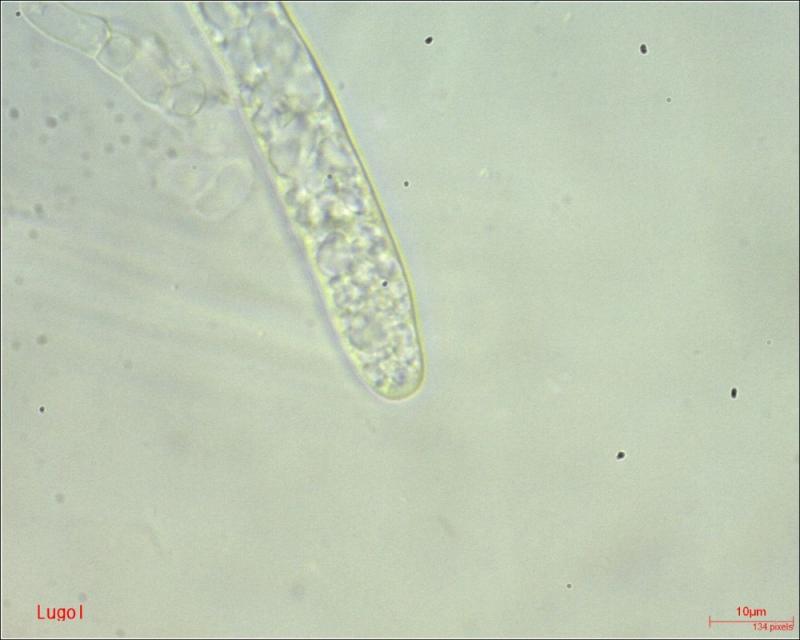
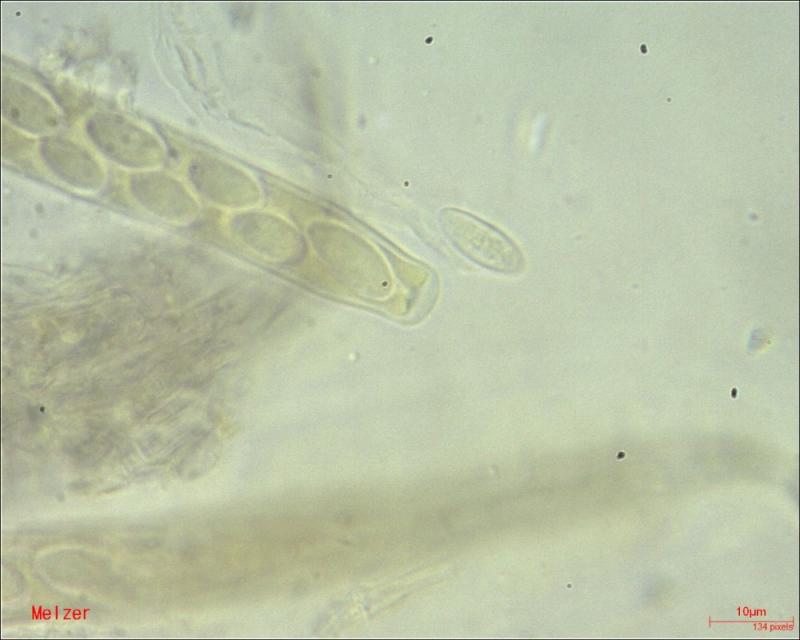
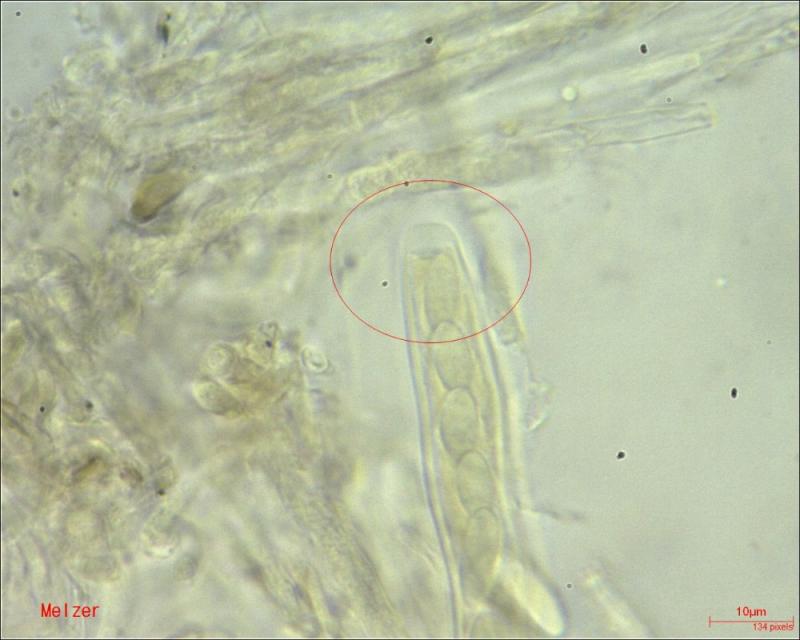
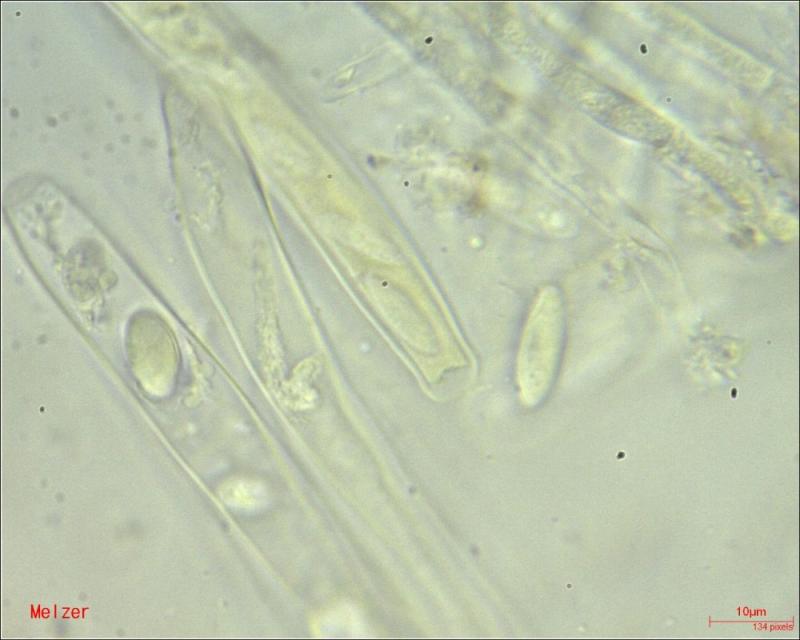
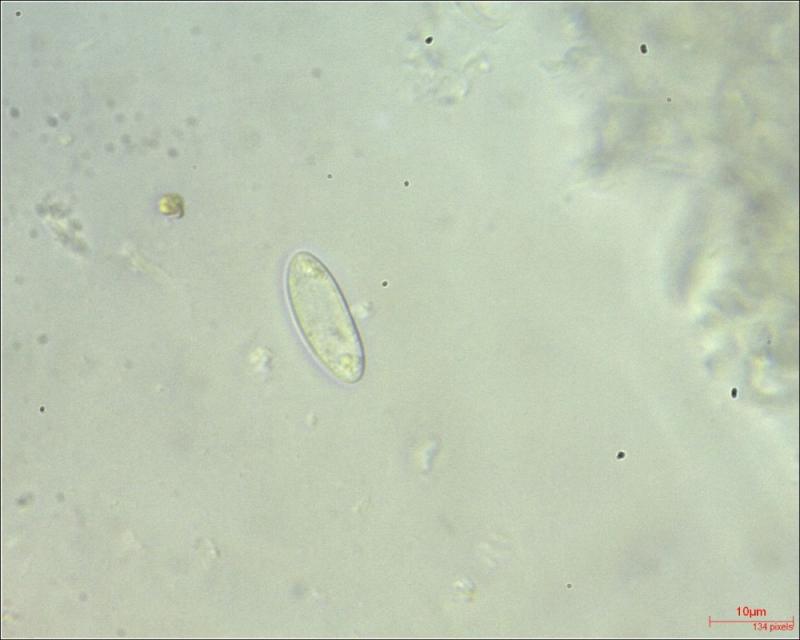
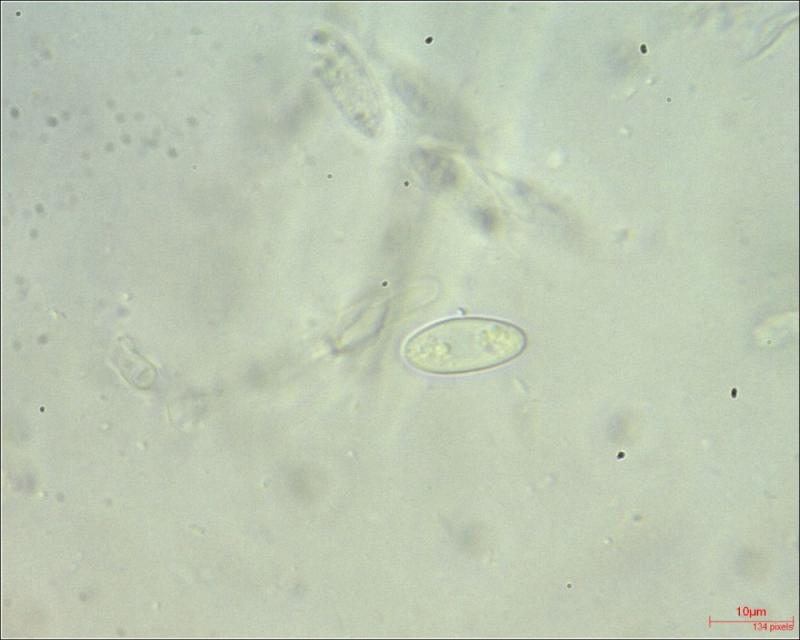
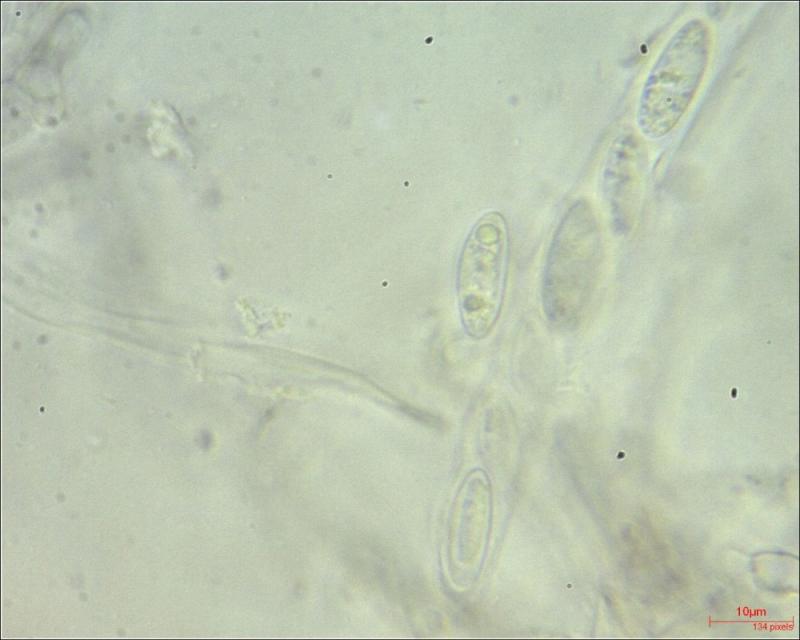
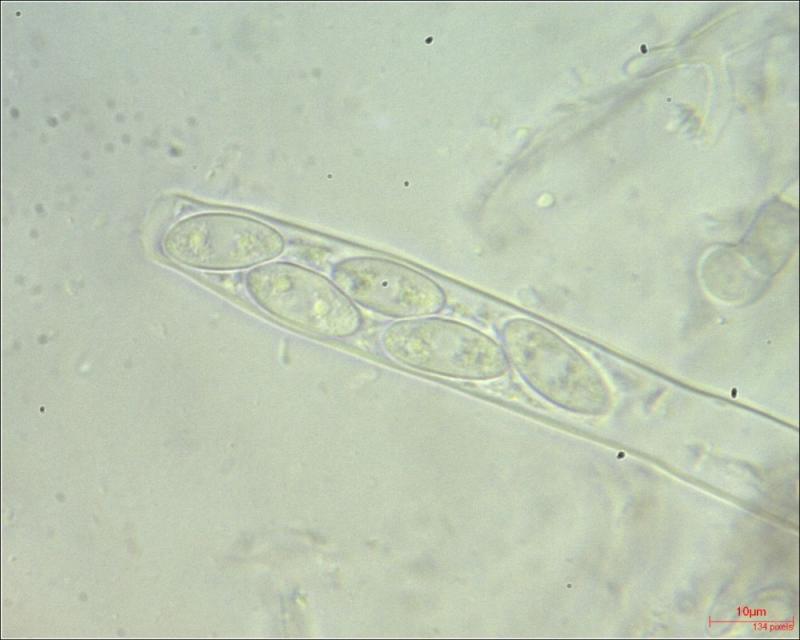
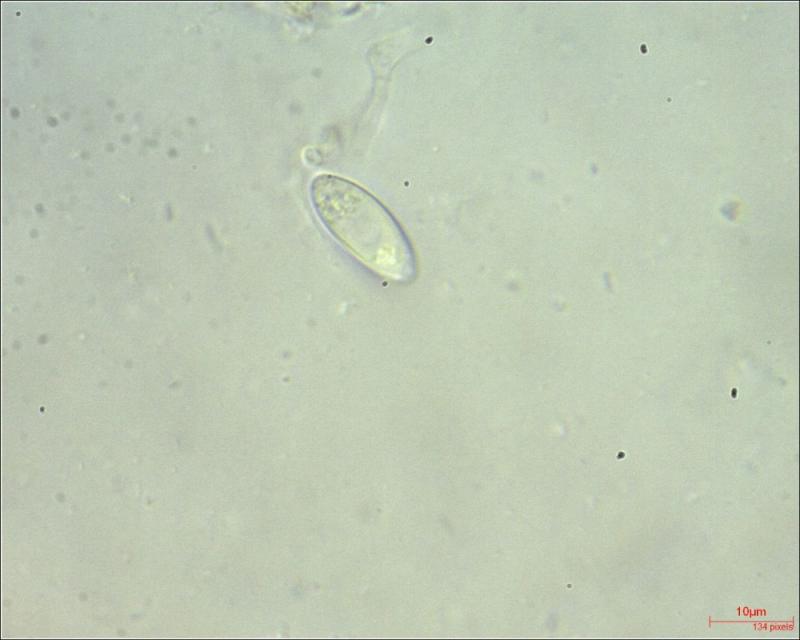
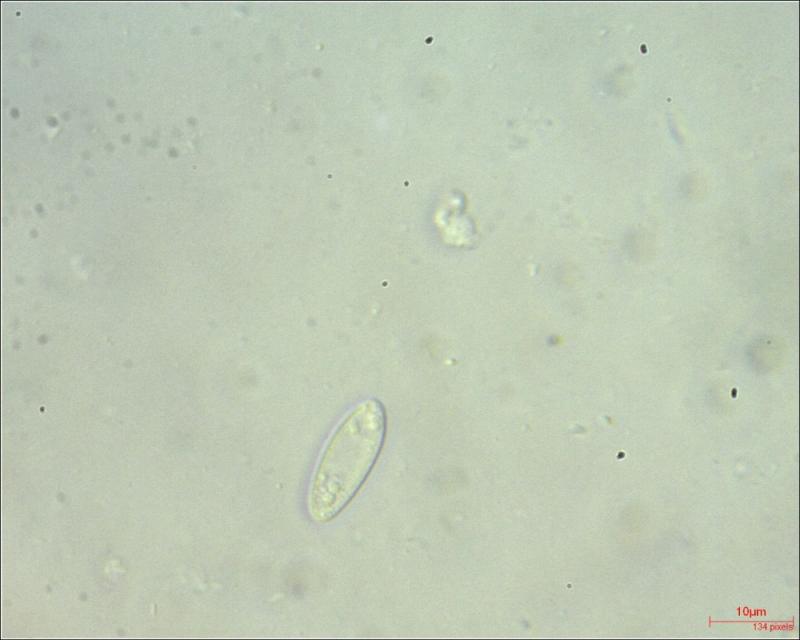
I list the species as cf. Rutstroemia maritima because of its habitat and create an excicate.
Regards,
William