
12-04-2026 12:22
 William Slosse
In a dune grassland in Oostduinkerke (Belgium), on
11-04-2026 15:45
 Zuzana Sochorová (Egertová)
Please, could anyone send me this paper?Moyne G.,
11-04-2026 13:34
Artem PtukhaHello, I am seeking assistance with the identific

11-04-2026 10:19
 Michel Hairaud
Chers amis d'Ascofrance , voici une très bonne no
11-04-2026 10:10
Michel Hairaud
Dear Ascofrance members, here is some very good ne
10-04-2026 23:22
Gernot FriebesHi,ascospores are 1- to 3-septate, approximately
10-04-2026 15:51
William Slosse
Hello everyone, On 08/04/26, I found a growth sit
09-04-2026 15:25
Jac GelderblomOn bare soil between mosses Ifound an asco I deter
09-04-2026 13:55
Thomas Læssøehttps://svampe.databasen.org/observations/10589176
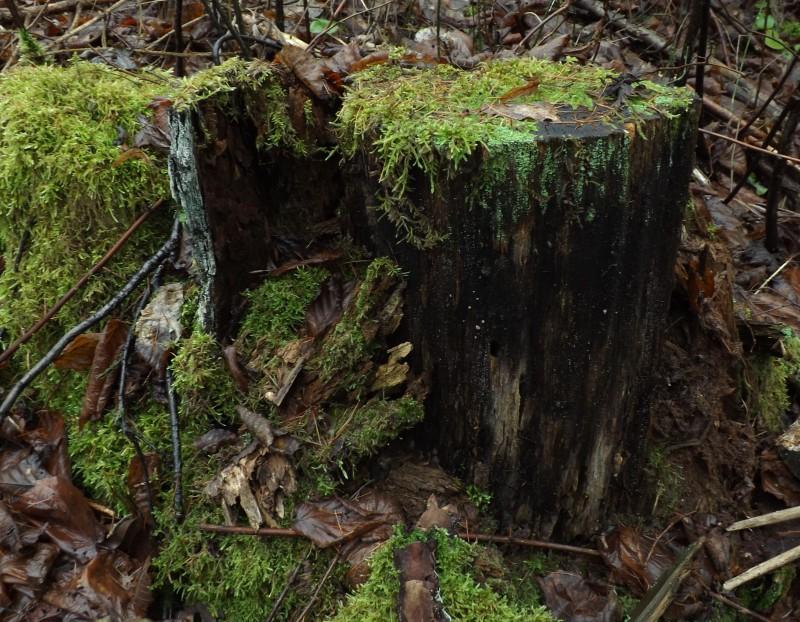
Today I found a few fruiting bodies on the trunk of a pine cut a few years ago.
My collection is only similar to the one shown on the Zotto (Eigenried) disc. The spores, however, are longer than those presented there, so I decided to discuss the collections.
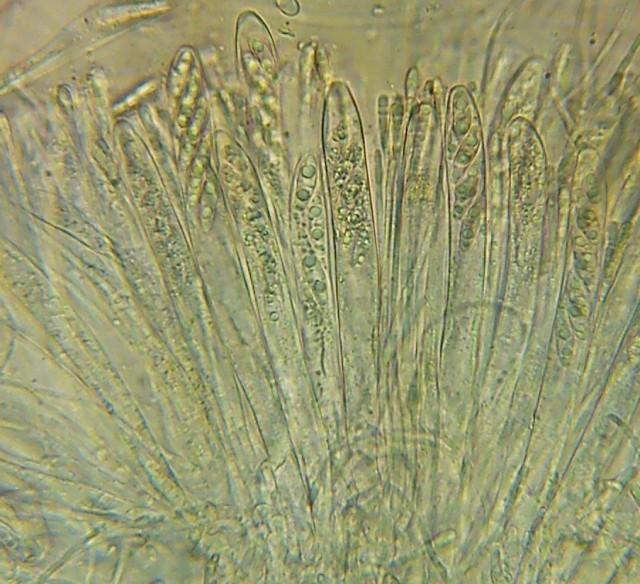
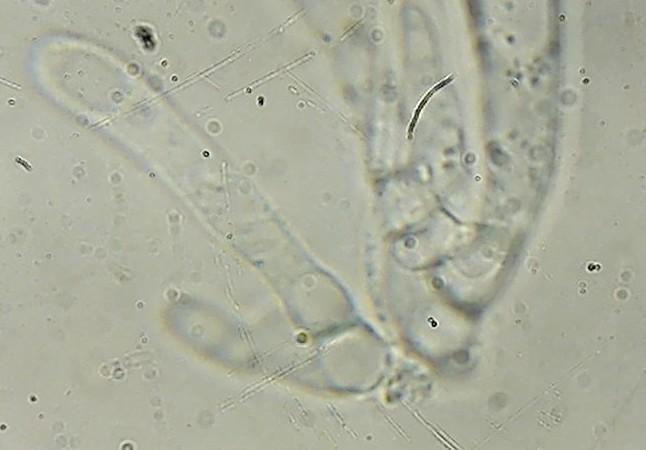
- croziers +
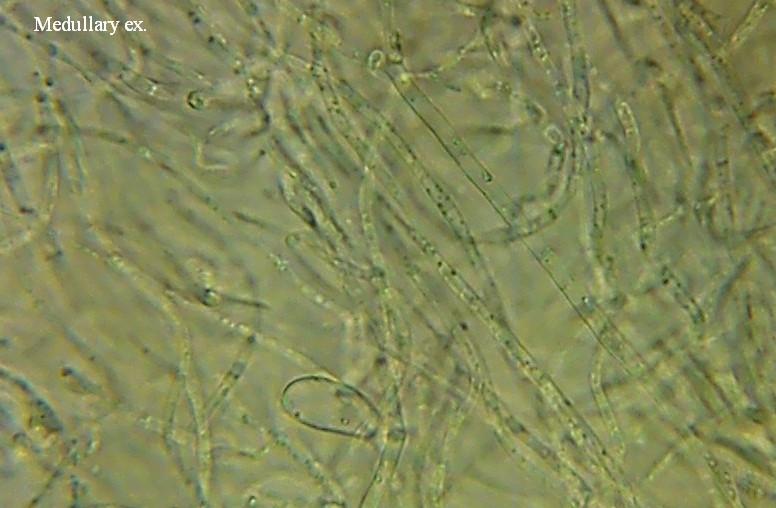
- no crystals
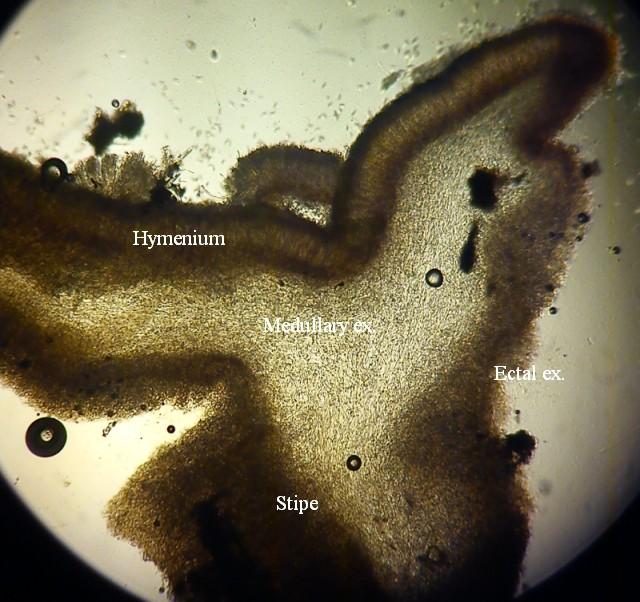
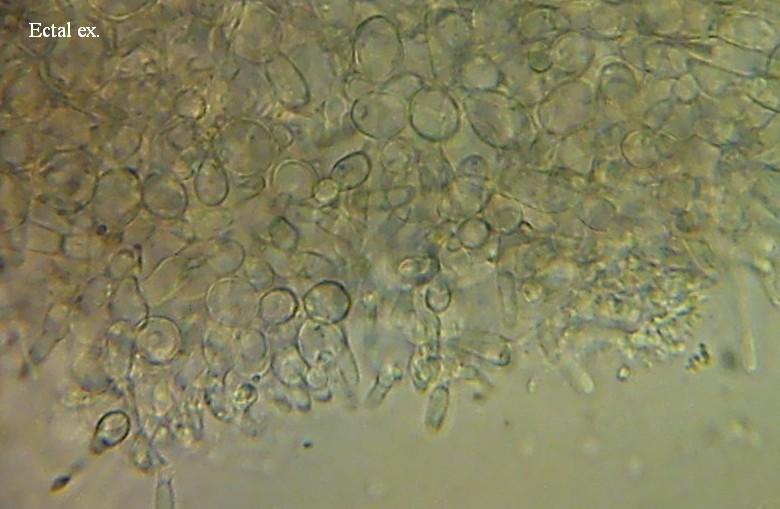
- no outer gel layer
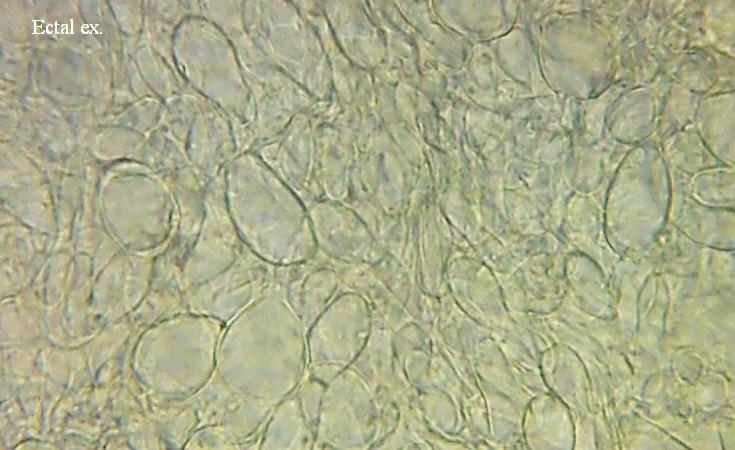
- on the ectal excipulum, external cells elongated
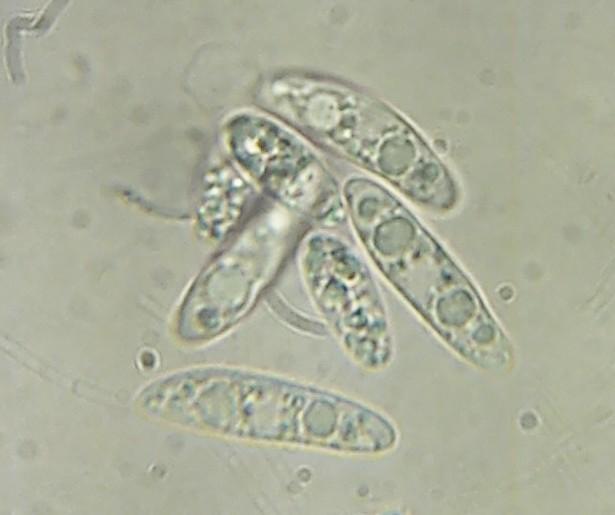
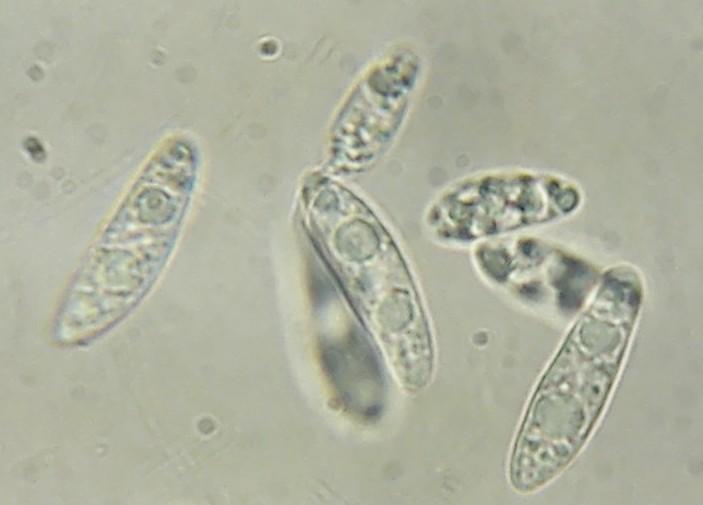
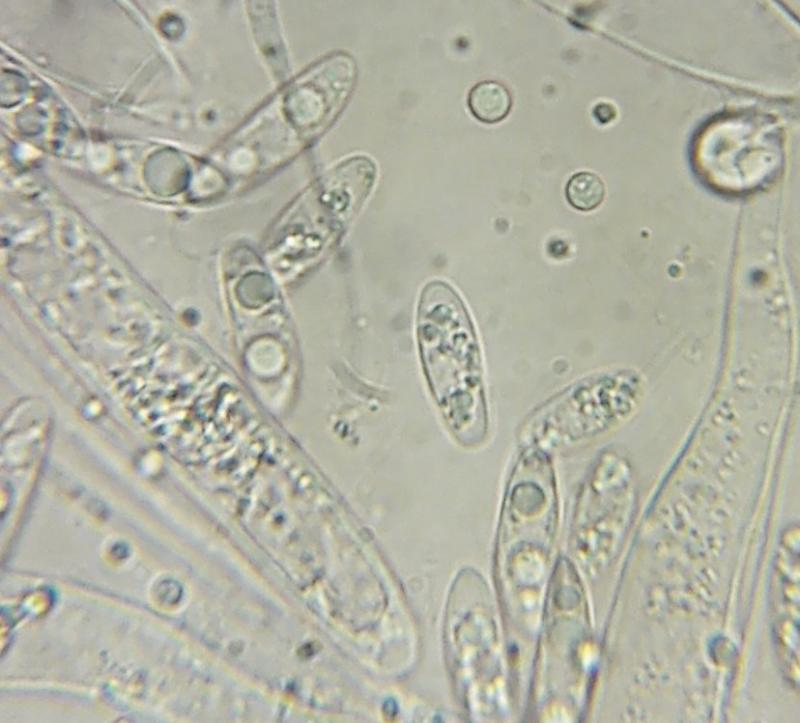
- spores:
(13.2) 15.1 - 19 (19.8) × (4.2) 4.5 - 5.2 (5.4) µm
Q = (2.8) 2.9 - 4.2 (4.3); N = 17
Me = 17.2 × 4.8 µm; Qe = 3.6
18.75 4.47
18.99 5.41
16.18 4.23
19.84 4.71
17.46 4.62
13.22 4.65
13.63 4.84
17.01 4.72
15.51 4.96
18.49 5.04
17.77 4.65
17.74 5.17
16.62 4.77
18.37 4.31
19.19 4.97
15.07 5.20
18.90 4.99
greetings
Mirek
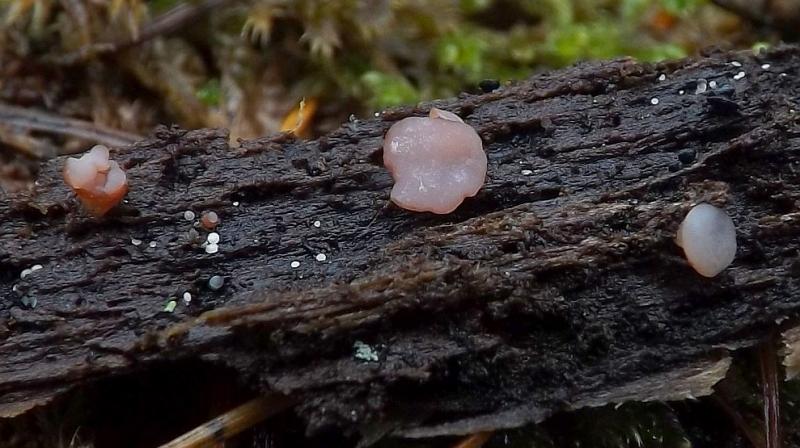
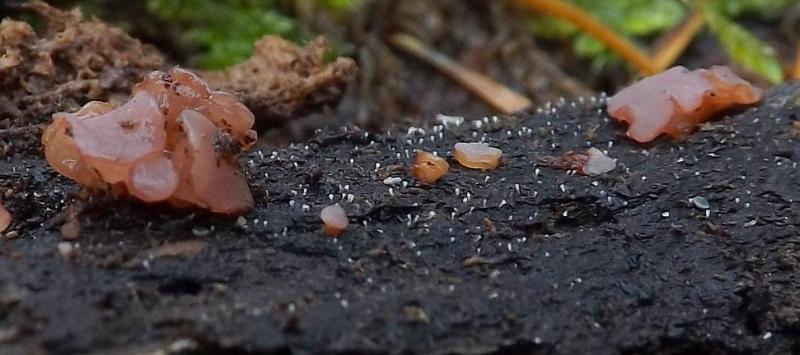
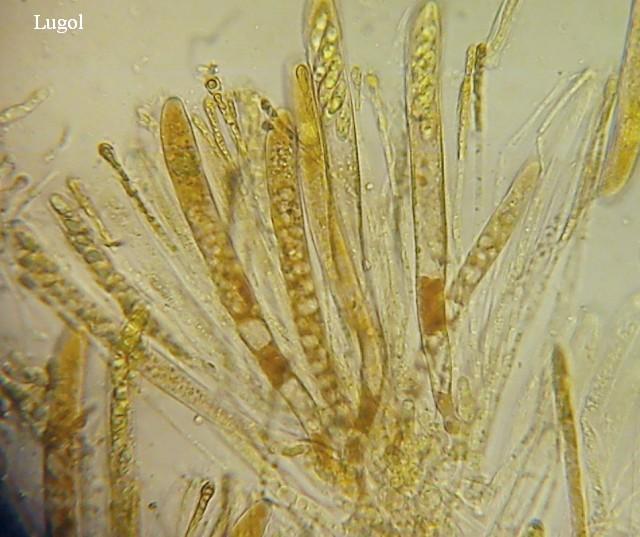
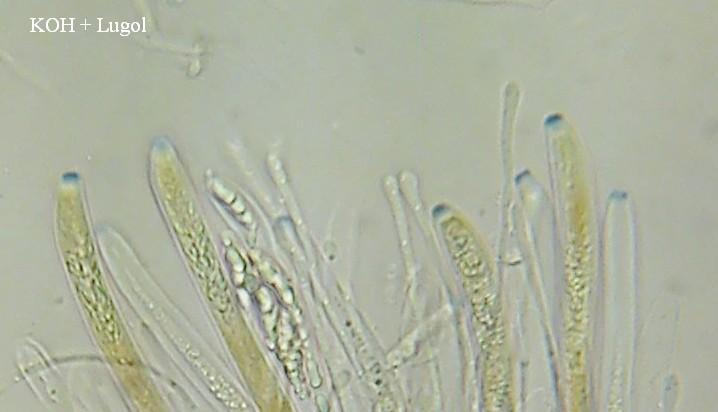
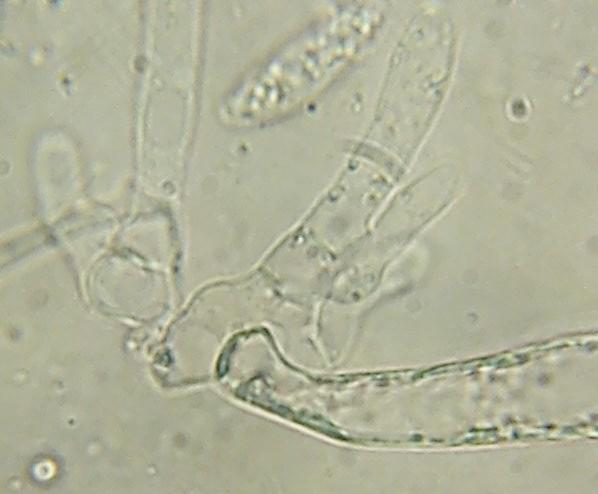
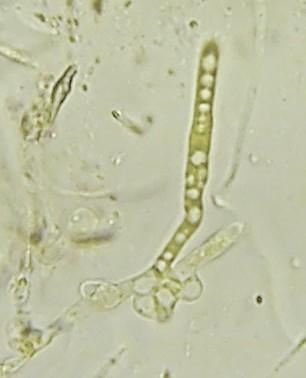
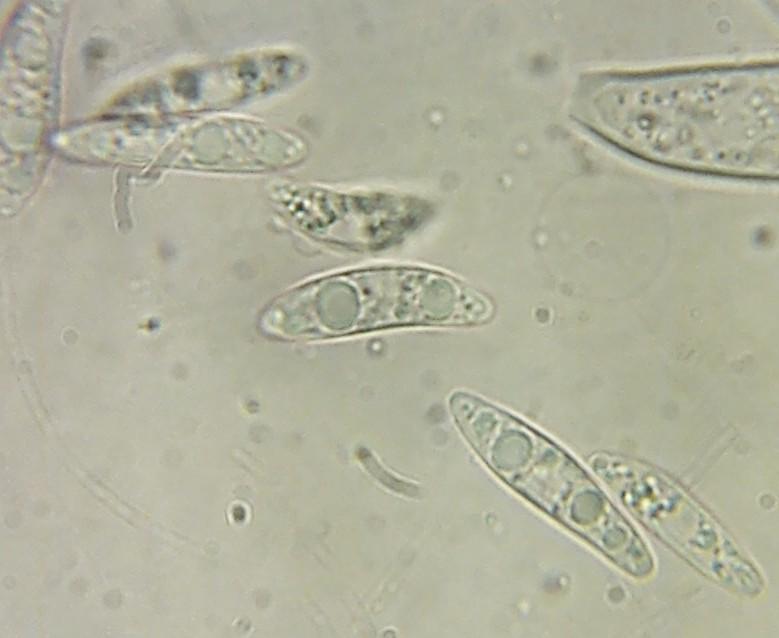
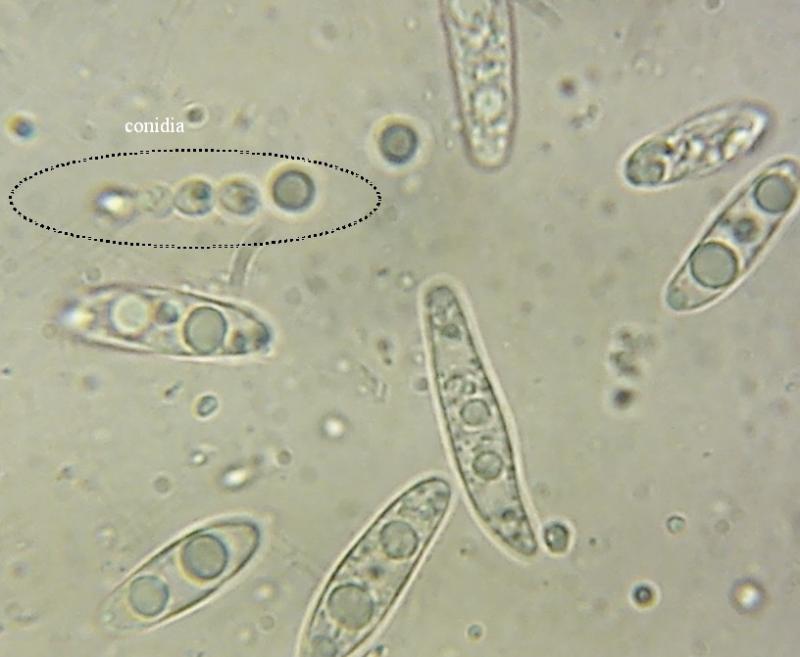

Ascomata maximum 2.5-3 mm.
Probably you are right. I have never thoroughly microscoped Ascocoryne sarcoides.
Only a few times I looked at Ascocoryne cilichnium under the microscope and maybe that is why I did not associate this collection with Ascocoryne because it has different spores.
greetings
Mirek
Apos was small but mature, paraphyses not capitate.
Thanks for the suggestions but I think it's A. sarcoides.
I will try to download more collections and compare their features.
Mirek