
25-03-2026 15:06
 Bernard CLESSE
Bonjour à toutes et tous,Pourriez-vous me confirm
25-03-2026 13:54
 Enrique Rubio
Does anyone know where I could download Paoletti's
25-03-2026 10:35
Hulda Caroline HolteHello,I collected this species growing on a dead b
24-03-2026 19:59
 William Slosse
Hello everyone,On 23/03/26, I found the following
21-03-2026 15:13
Lepista ZacariasHello everyone, Does any one know of any literatu
24-03-2026 21:37
Elisabeth StöckliBonsoir,Sur bois (tronc) très pourri de conifère
24-03-2026 21:07
Ethan CrensonHello all, A friend collected this asco in a wood
23-03-2026 20:16
 Miguel Ángel Ribes
Good eveningI'm unable to identify this Coprotus o
24-03-2026 15:44
Åge OterhalsI hope someone can confirm the name of this collec

Malvipezia howsei?
Marek Capoun,
10-10-2021 14:01
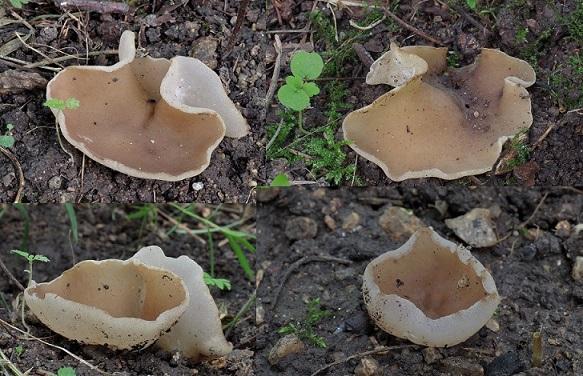
 Hello everybody, I need help with the determination of this Peziza.
Spooner's key leads me to Malvipezia (Peziza) howsei, but this key does not contain many species such as P. emileia etc.
Collected at the beginning of September, in a warm mixed, mainly deciduous forest on the humous calcareous, slightly eutrophic soil under Tilia and Juglans nigra, altitude cca 300 m, .
Apothecia gregarious in a loose group, up to 60 mm on average, mostly undulate, fawn with slightly violaceous tinge.
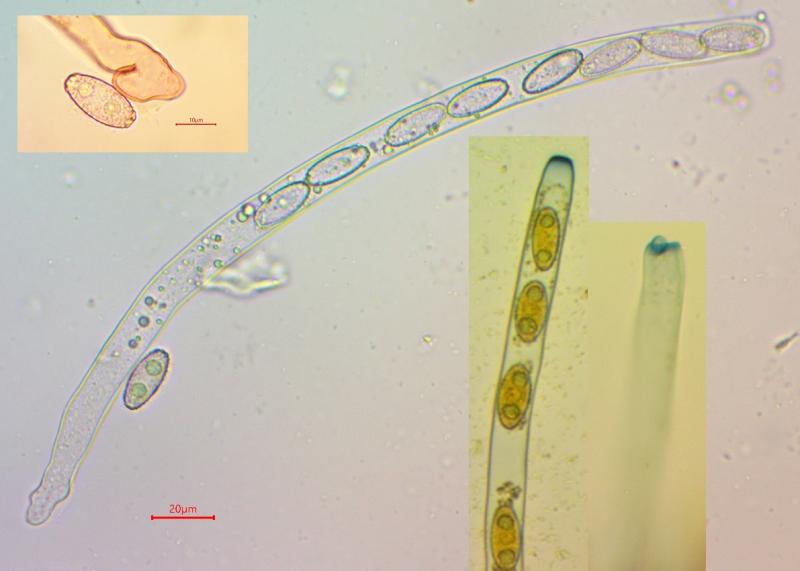
Asci with croziers, amyloid reaction WTR type.
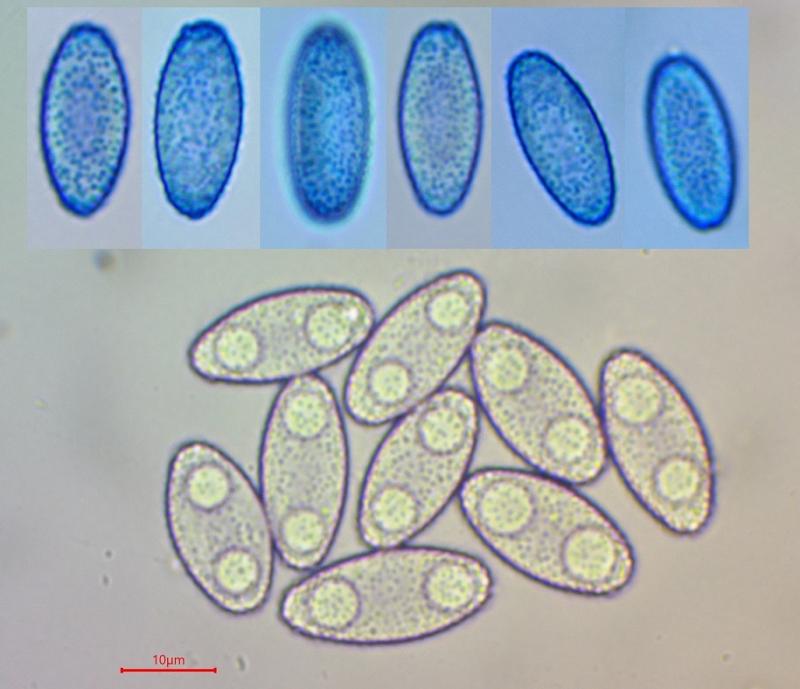
Ascospores with Me = 19.8 × 9.1 µm, Qe = 2.2; with 2 LBs; verrucose, warts regular, isolated, punctate or short ridges, usually more pronounced at poles. The paper "Morphological and molecular study of Peziza emileia and P. howsei, two distinct taxa" by Medardi et al. defines the different ornamentation of spores quite clearly.
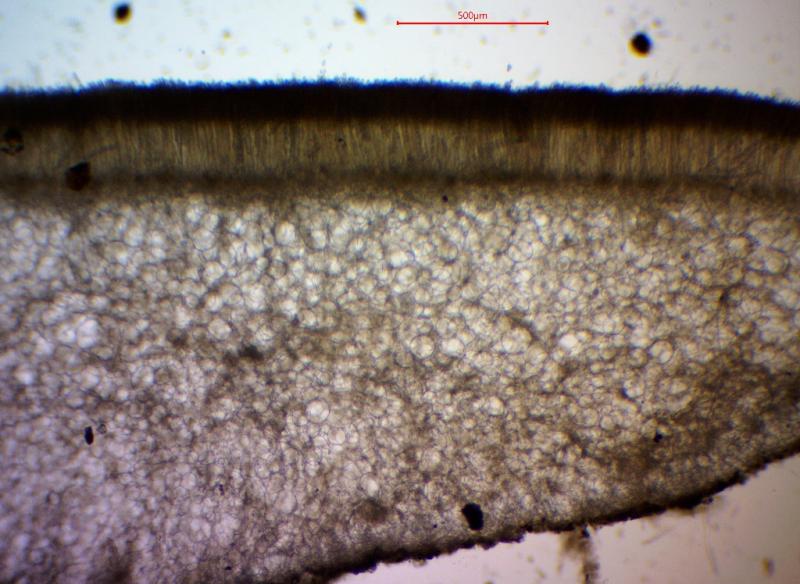
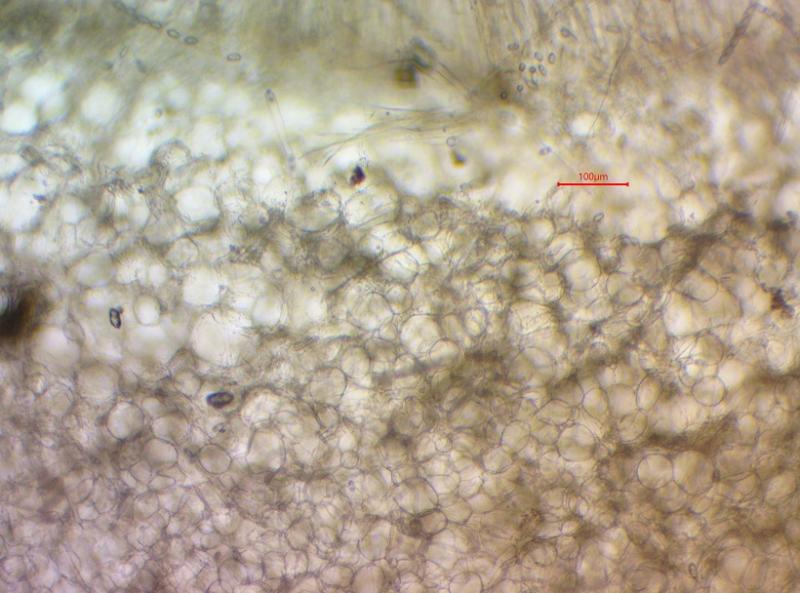
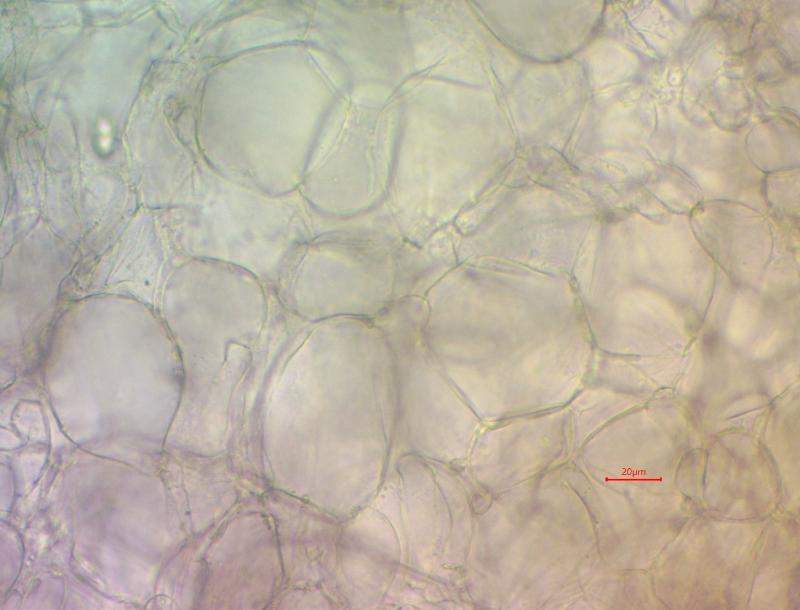
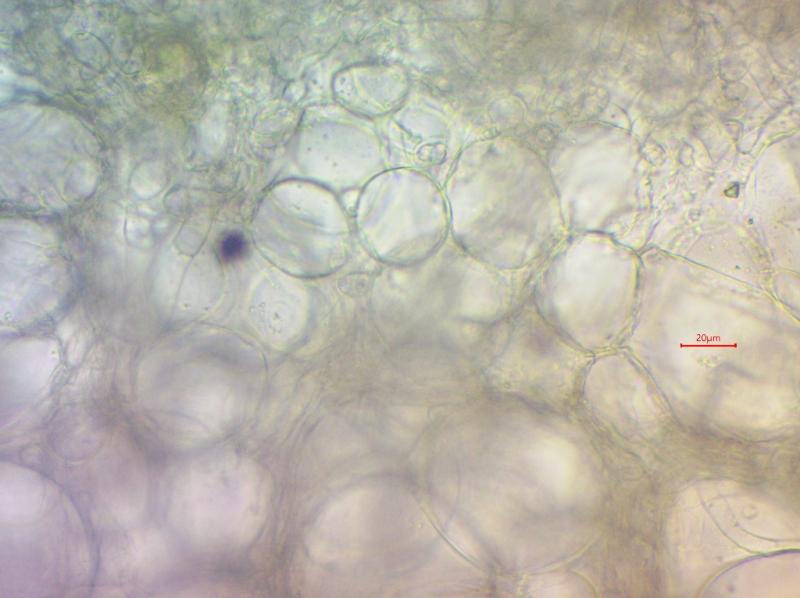
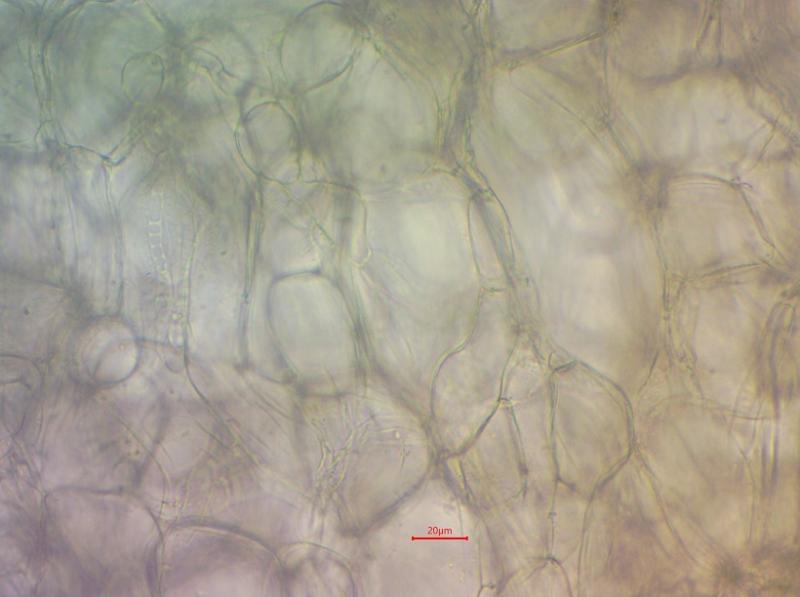
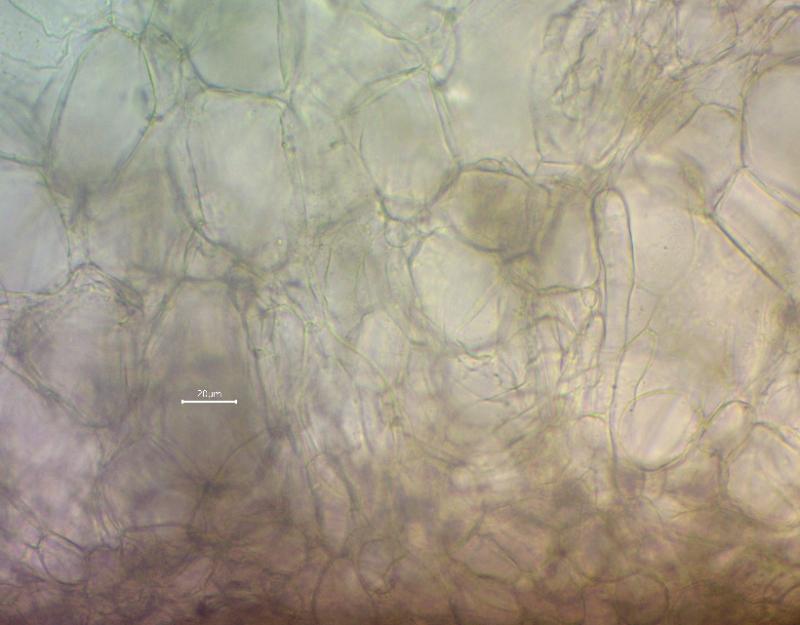
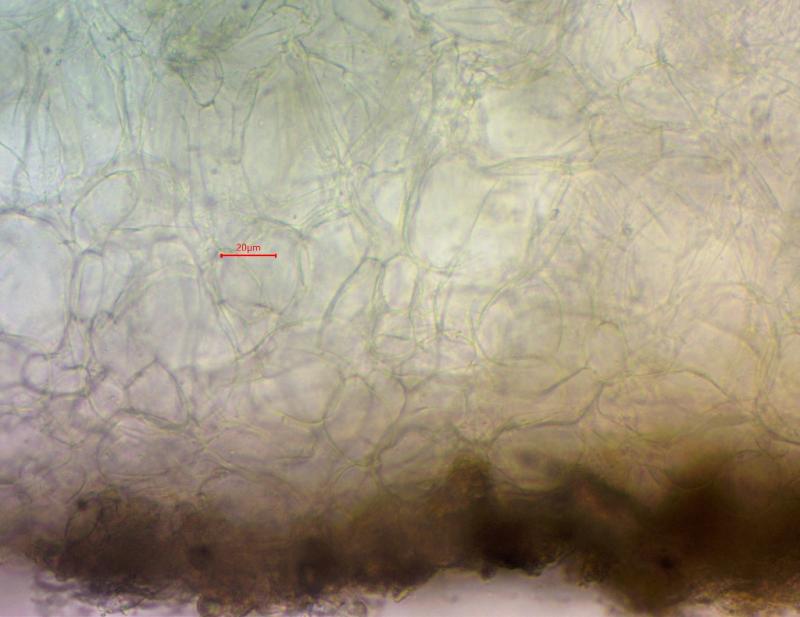
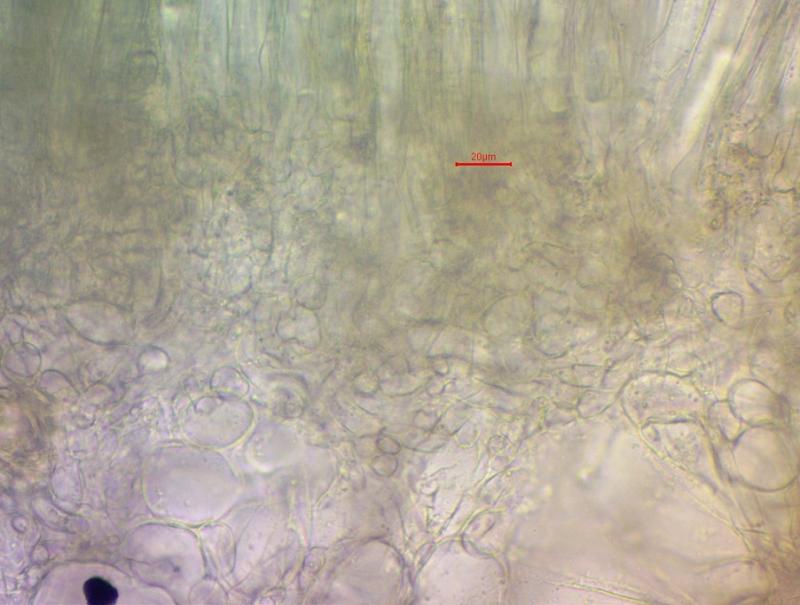
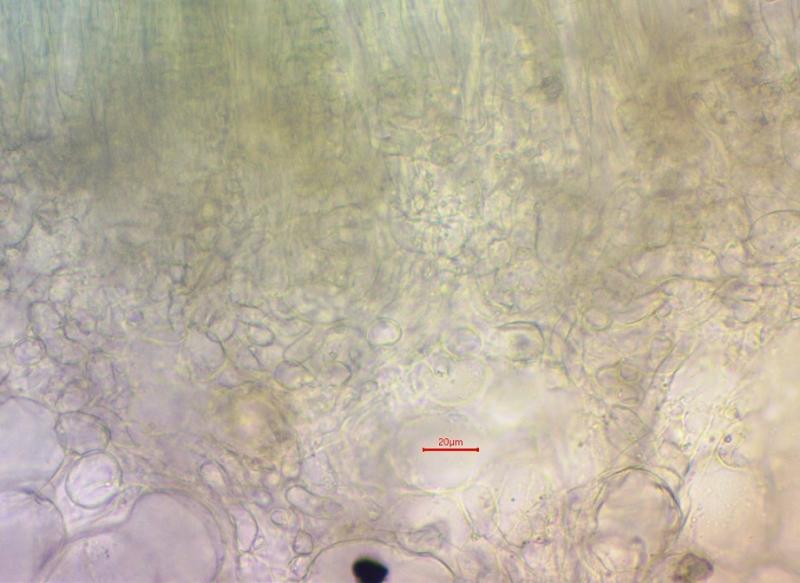
Excipulum is the problem. This cited paper, and other resources, of course, states a two-layered medullary excipulum, but I can't see 2 clearly defined layers. It seems to me, there are globose cells in the upper part of tissue, but in the lower part I can see some fusoid or pyriform, globose and angular cells, but no textura intricata or something like that. The subhymenium is supposed to be made up of cells of the text. intricata too, but I see such a structure again that I would not normally consider to be an intricata.
Thanks for help.
Marek
Nicolas VAN VOOREN,
10-10-2021 18:29

Re : Malvipezia howsei?
Hi Marek.
At first sight, your collection is macroscopically similar to Malvipezia emileia, but the ascospores do not fit. So your determination is correct.
It perfectly illustrates why there are so much confusions between these two species.
Note that the one-layered excipulum seems to be a good feature to characterise species of Malvipezia.
At first sight, your collection is macroscopically similar to Malvipezia emileia, but the ascospores do not fit. So your determination is correct.
It perfectly illustrates why there are so much confusions between these two species.
Note that the one-layered excipulum seems to be a good feature to characterise species of Malvipezia.
Marek Capoun,
11-10-2021 00:58
Re : Malvipezia howsei?
Thank you, Nicolas, I liked to meet this species.
M.
M.