
12-06-2026 14:50
 François Freléchoux
Bonjour, Voici la brève description d'une Mollis
10-06-2026 21:16
François Freléchoux
Bonsoir,Le dernier du jour, en attendant votre avi
11-06-2026 19:01
 William Slosse
Hello all,In an attempt to make a culture of a sus
11-06-2026 19:03
 Nicolas VAN VOOREN
Chers membres d'Ascofrance,Le site sera placé en

09-06-2026 18:32
Camille MertensSur morceau de roseau immergé 0,5 - 0,7 mm de dia
10-06-2026 12:54
Steve ClementsBonjour encore, Pouvez-vous m'aider, s'il vous pl
10-06-2026 21:07
François Freléchoux
Toutes les tiges de gentianes jaunes de l'an passÃ
10-06-2026 13:41
François Freléchoux
Bonjour à nouveau, Voici une trouvaille d'hier.
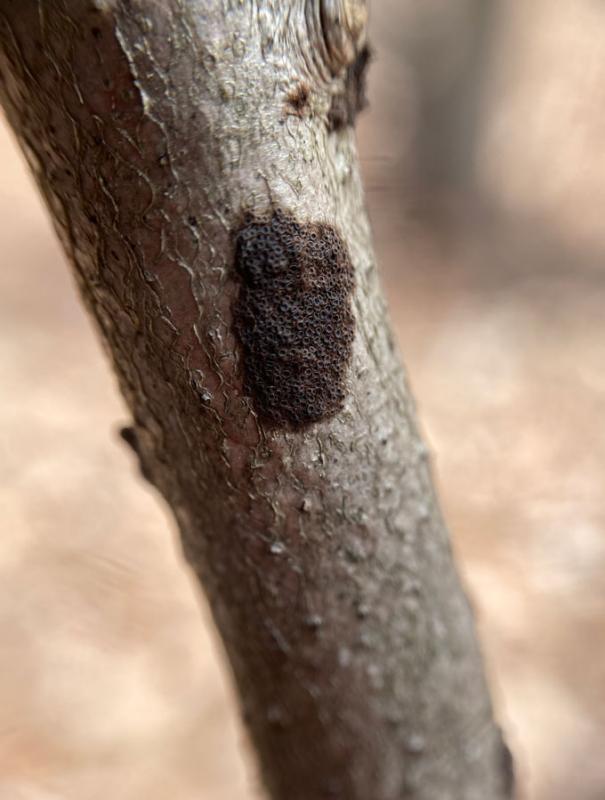
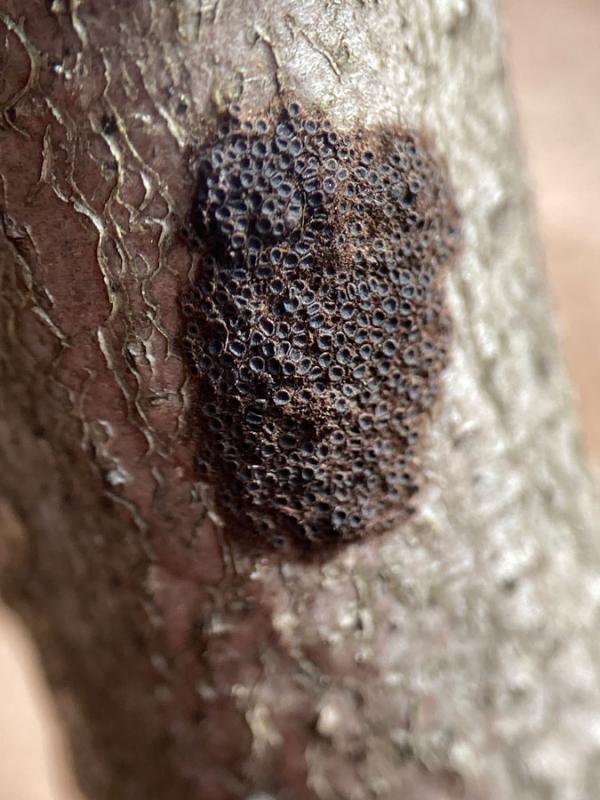
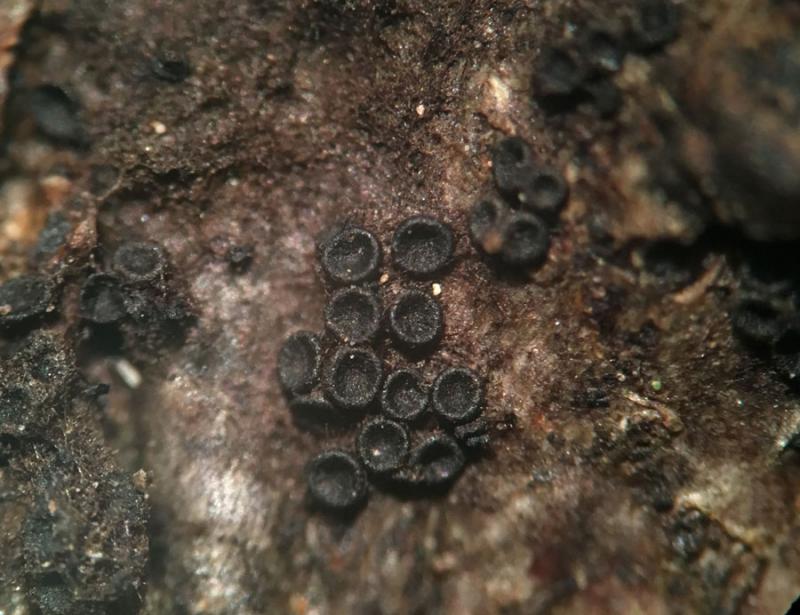

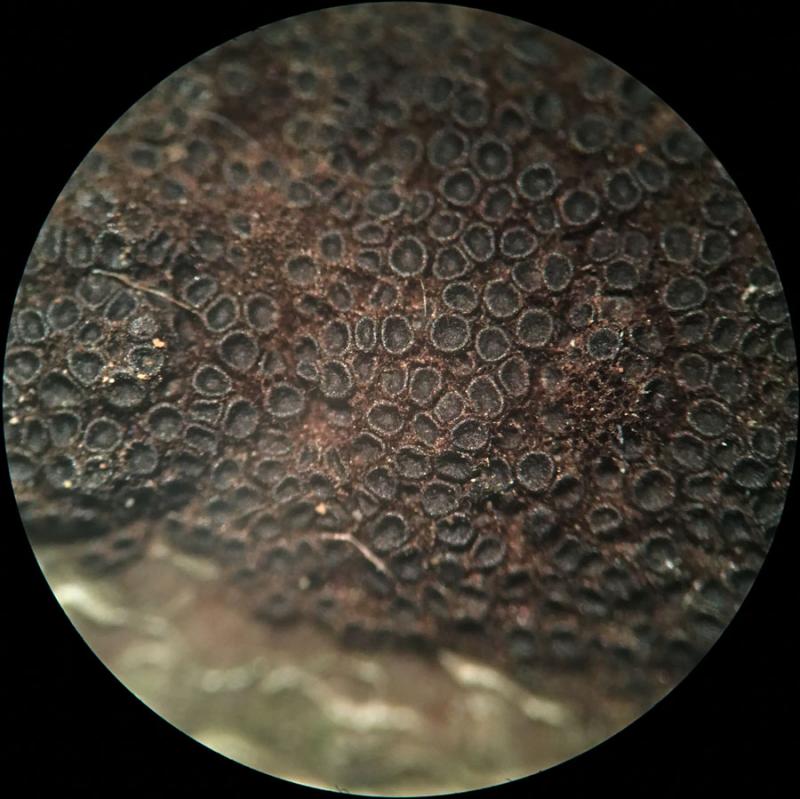
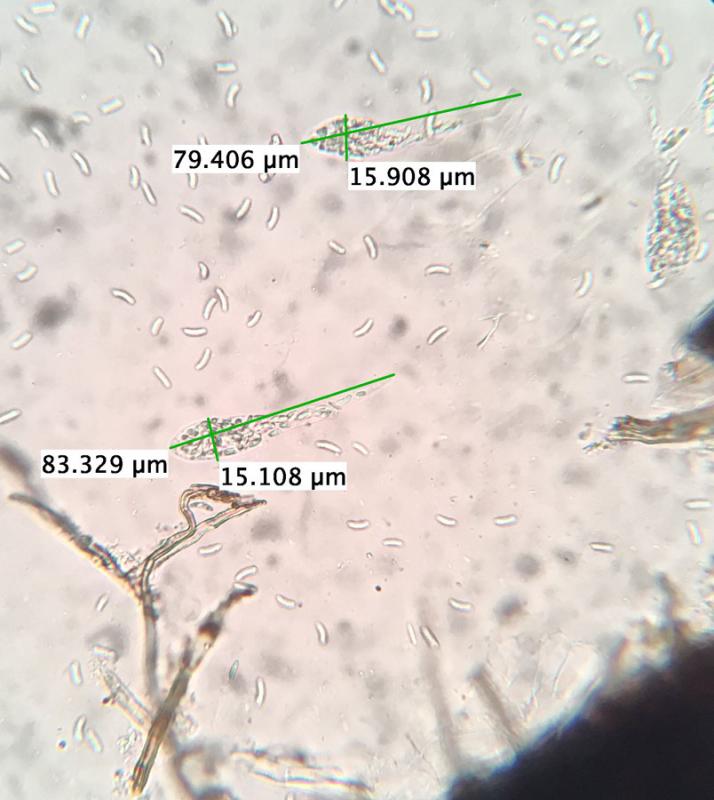
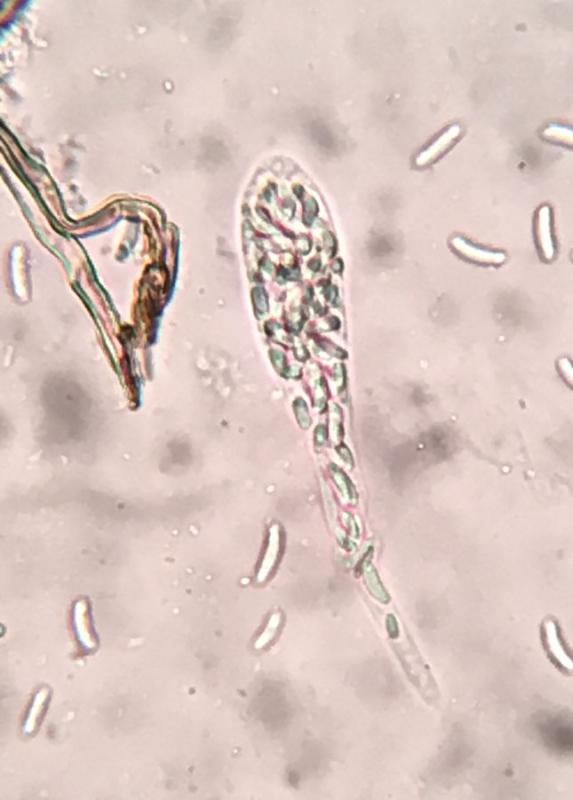
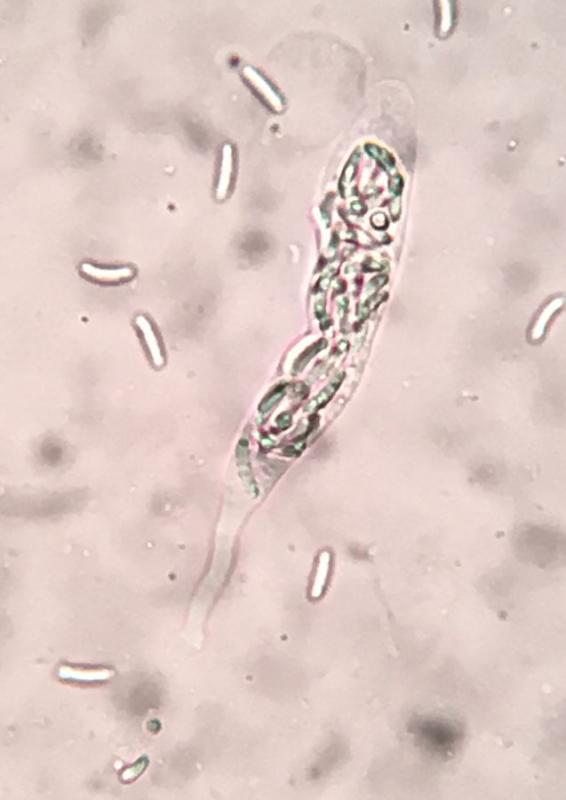
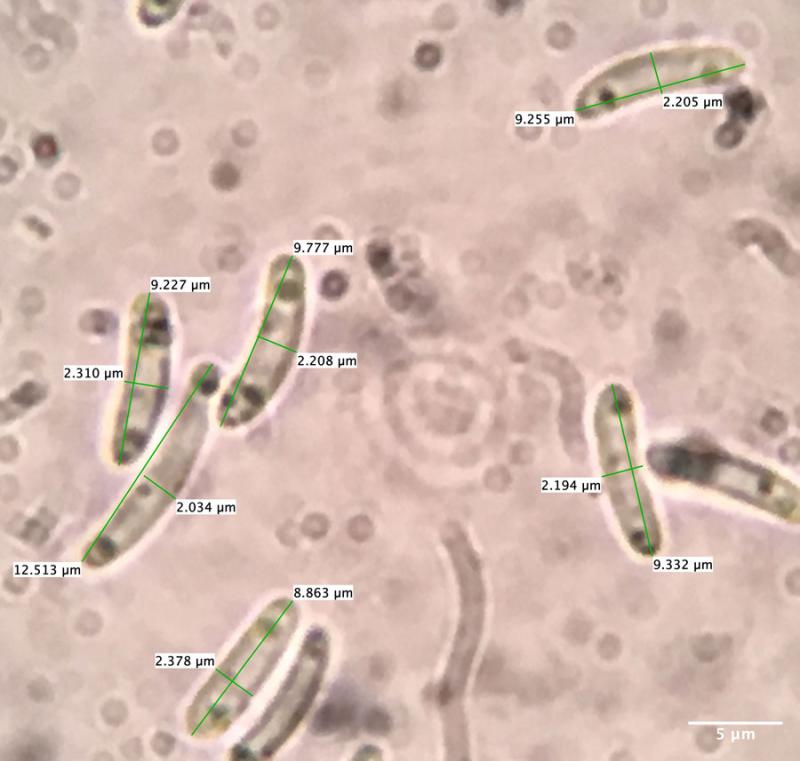
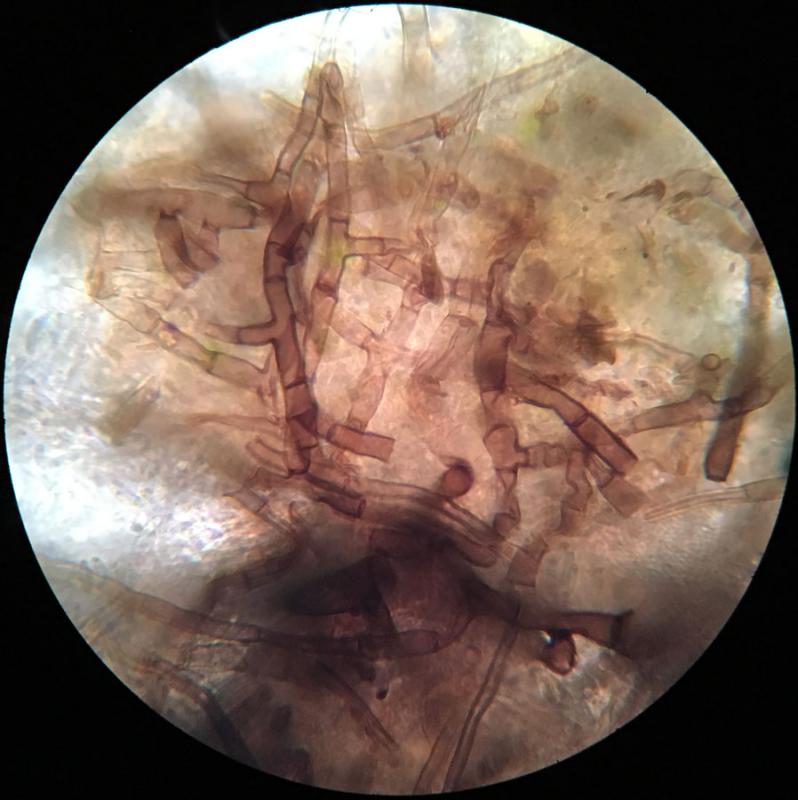

this fungus is unknown to me, likely American, but I think you are close to the solution.
I went through 2010 Mugambi & Huhndorf's paper (Mycologia 102: 185-210) dealing with the phylogeny of Coronophorales and I learnt that F. callista has been moved to Neofracchieae callista, characterised by a brown subiculum, as on your photos.
I should display a quellkorper, visible in section or with some luck in a squash mount, which places it outside Nitschkiaceae in a distant family. Awful name, I don't even try to memorise it.
I could not find more information on this taxon, maybe Andy can help.
Cheers,
Jacques
Good luck
Jacques
I was never able to find a quellkörper after a few decent tries, so I decided to sequence this collection. I got what I believe is a decent ITS (below), but when I blast it, it does not match the one sequence of Neofracchiaea callista uploaded to GenBank by Huhndorf, Miller and Fernandez (AY695269).
The closest match is a distant 85.83% similarity to Yuxiensis granularis, which is in Scortechiniaceae (Coronophorales) and does bear a quellkörper.
I would not be surprised if my inability to find the quellkörper was due to my mediocre microscopy, inexperience, or not having a microtome. But I'm not certain.
Any ideas on this? I'd be very grateful for any at all.
Thanks!
ACAGAGTGCCCATGGCTCTGCCAACCCTGCGAACCTTACCATGTTGCCTCGGCGGCCTCAACCGCCGCAG
GCCCATCATACTCTTTTTATTACTATCGTCCCTCTGACTAAAACTTTTAATAAGTAAAAACTTTCAACAA
CGGATCTCTTGGCTCCAGCATCGATGAAGAACGCAGCGAAATGCGATAACTAGTGTGAATTGCAGAATTC
AGTGAACCATCGAGTCTTTGAACGCACATTGCGGCTGCCGGCATTCCGGCGGCCATGCCTGTCCGAGCGC
CACTAACACCCTCAGAGCCTAGTTTCTGGCGTTGGGTAACTGCCTCAGCGGCGGTCGCCTCAAAGTTAGT
GGCGGCGGCGCCCGTGGTGCGACGTACTCAGTAAAATTGCTAGCACGAAGCCCCGGCGCTCGCCTGCCGC
GAGAACCCCTCCATTTTAAAGTGGTTGGCCTCGGATCAGGTAGGATTACCCGCTGAACTTAAGCATA