
22-05-2026 21:35
Steve ClementsBonjour, I expected this find on old wood on our
22-05-2026 18:12
 Lothar Krieglsteiner
... in moist chamber from Portugal.As the fungus s
22-05-2026 20:08
Ethan CrensonHello all, Yesterday in NYC I was visiting an e
11-01-2022 16:36
 Jason Karakehian
Hi does anyone have a digital copy of Raitviir A (
20-05-2026 17:47
Margot en Geert VullingsWe found this Mollisia on dead Juncus stems mown l
22-05-2026 14:47
Gernot FriebesHi,superficial ascomata collected on bark of a liv
22-05-2026 14:44
Lothar Krieglsteiner
in unripe condition citrine yellow, then soon fadi
22-05-2026 13:29
Gernot FriebesHi,I am curious to hear your opinion on this mater
22-05-2026 10:59
 Nicolas VAN VOOREN
Trouvé sur Phragmites, ce que je pense être un L
20-05-2026 21:49
Margot en Geert VullingsWe found this Lachnum on Juncus stems mown last ye
 Un petit asco blanc sur capitule pourri et imbibé de Cirsium spinosissimum en pelouse alpine.
Merci d'avance pour vos avis.
Bernard
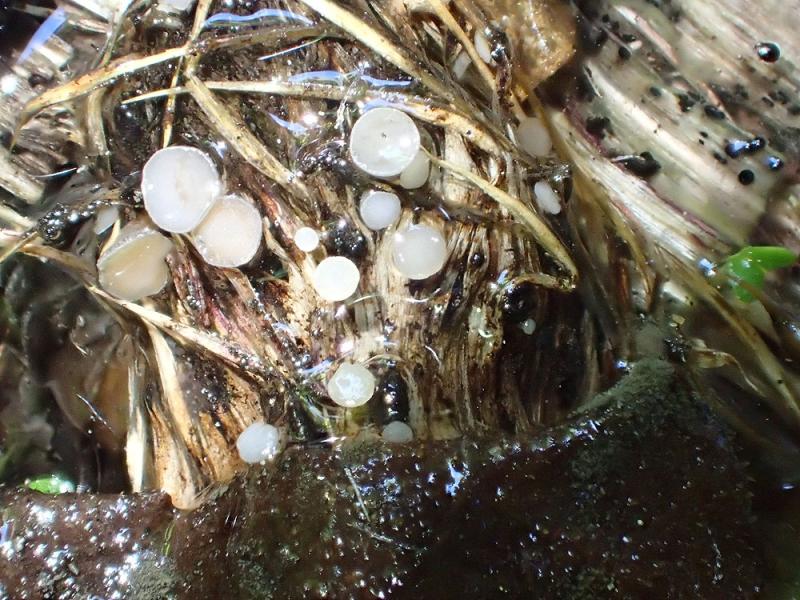
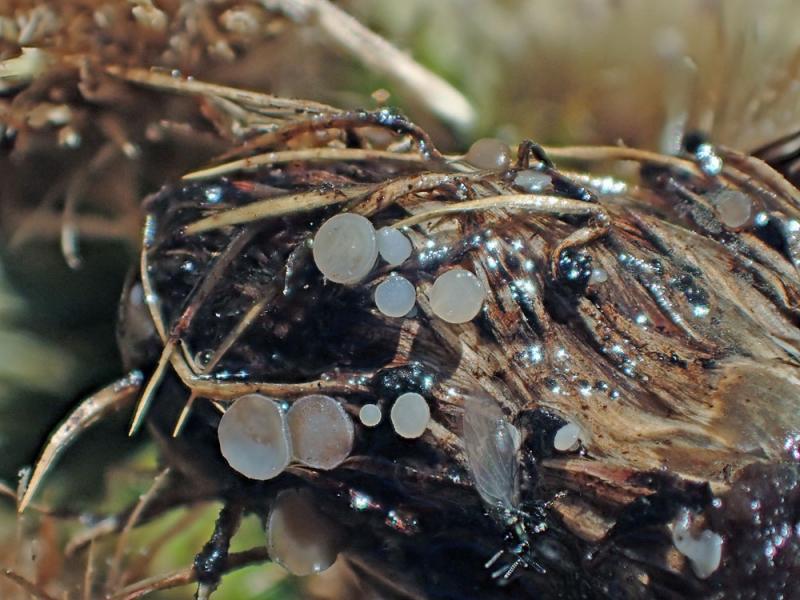
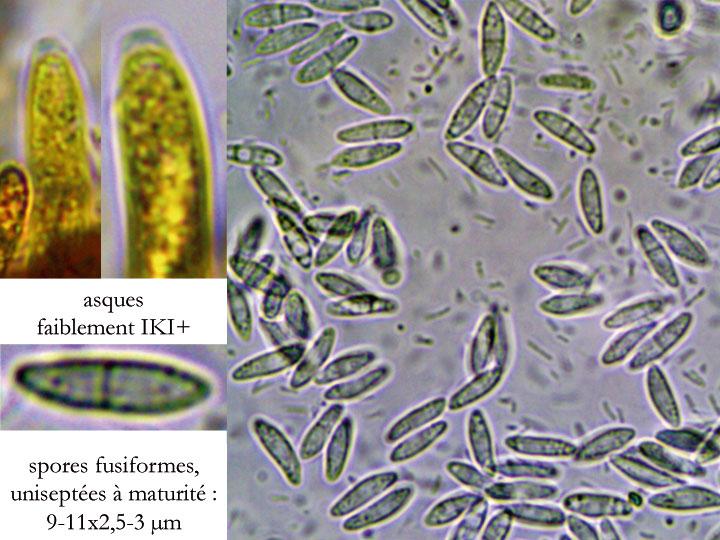
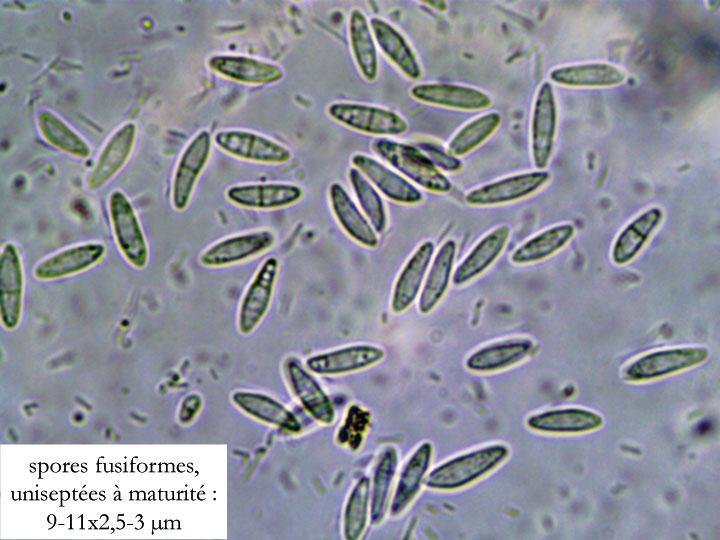
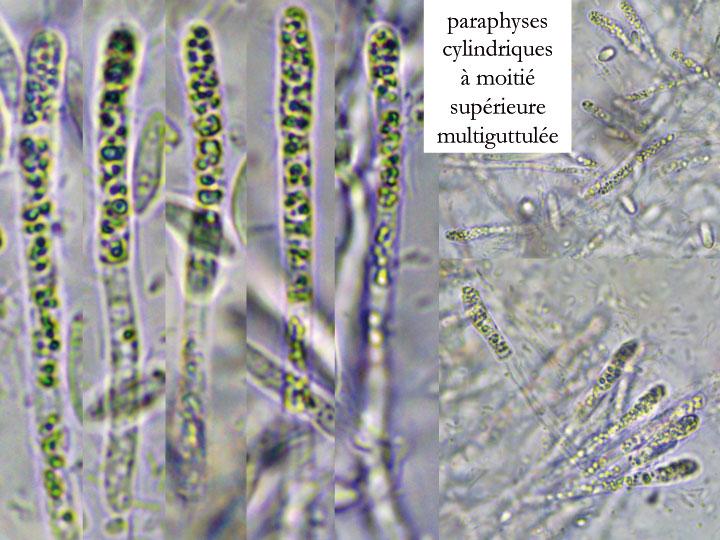

Many thanks for your message. Indeed, the fruitbodies looks gelatineous. I don't have any information on Crocicreas/Cyathicula calathicola and don't know if the microscopy matches. On the web, the macro photos don't seem to correspond to my mushroom.
Best regards,
Bernard
there is nothing about septation but your collection appears to be overmature, calathicola is a original a spring-species
I imagine that the altitude affects the phenology of this normally spring species and that it is therefore possible to encounter it here in early autumn, at an altitude of 2500 meters.
Best regards,
Bernard