
05-03-2026 10:07
Hulda Caroline HolteHello, I found and collected this species growing
12-03-2026 15:45
Åge OterhalsDear forum,I found this small discomycete on a ver
11-03-2026 17:36
 Michel Hairaud
Bonjour, Je cherche des indices pour cette réc
14-03-2026 13:51
 Thierry Blondelle
Hi everybody Under Quercus ilex, i hesitate to na
12-03-2026 19:44
 Enrique Rubio
Hi to everybody.Can you give me any suggestions ab
08-03-2026 14:05
Thierry Blondelle
Bonjour à tous,Sur 3 récoltes supposées de H. l
11-03-2026 16:48
 Bruno Coué
Bonjour, je serais heureux d'avoir votre avis sur
Hairless brown small Pezizales on rotten conifer board
Hans-Otto Baral,
26-06-2024 21:08

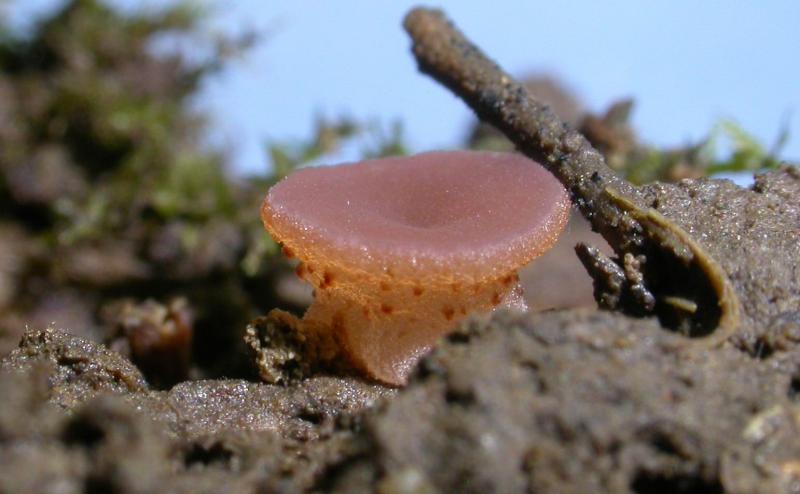
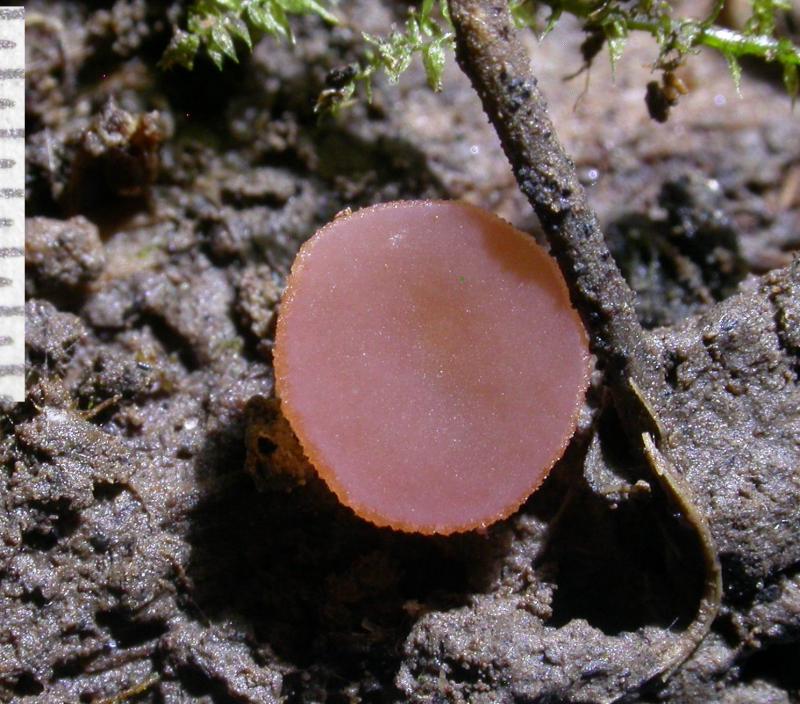
On the underside of a very rotten board in our garden grew a single apo of 5.5 mm diam. with a broad and short stipe with scattered red-brown protuberances.
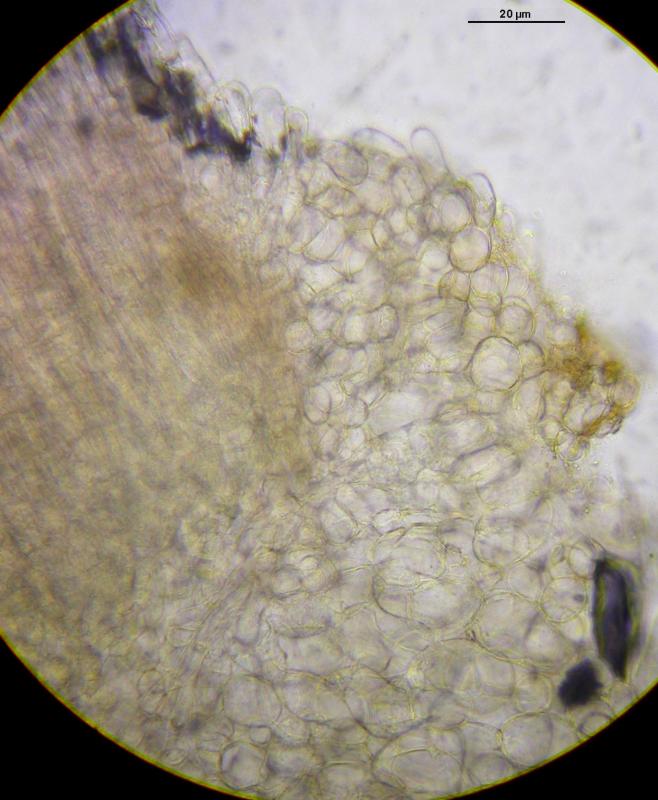
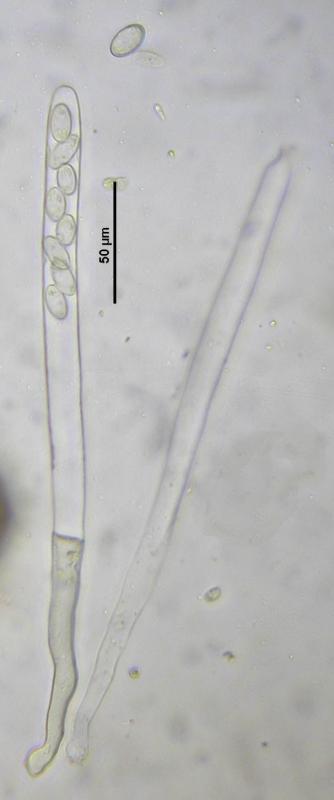
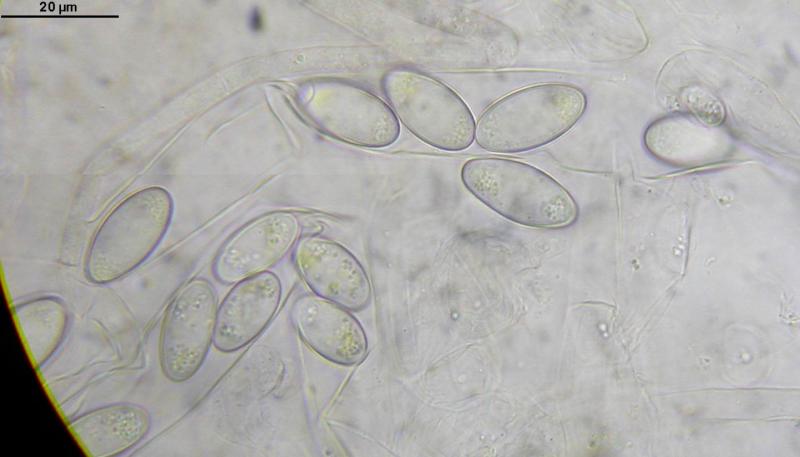
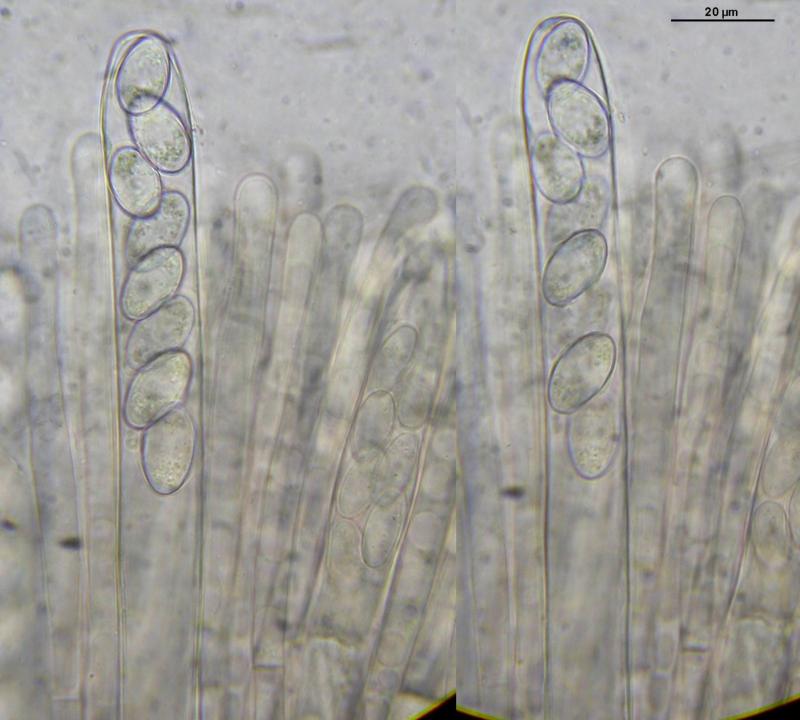
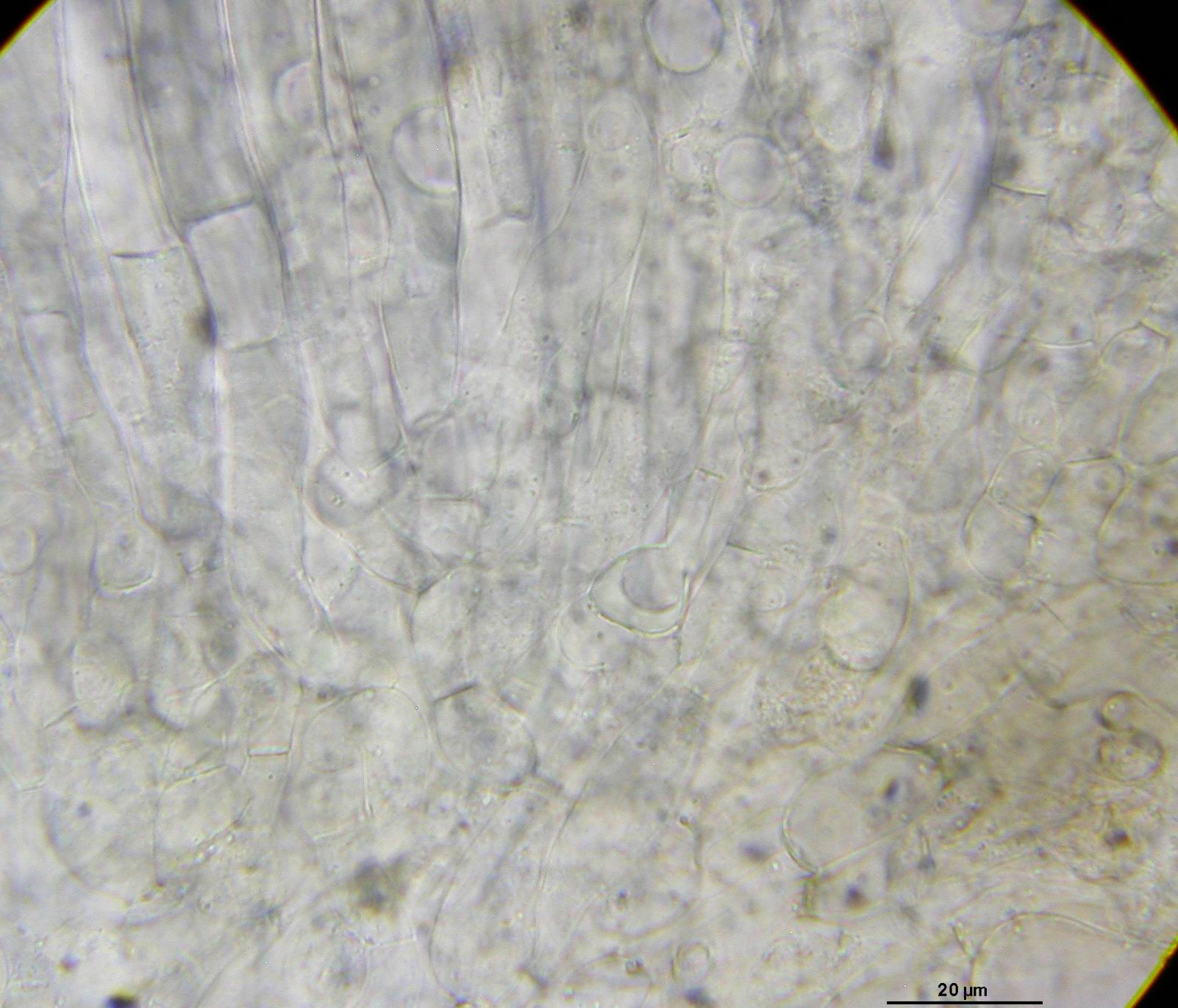
No hairs, asci inamyloid (or laterally very faintly blusih?), with croziers.
Spores *16-20(-21.5) x 8.2-10 µm, smooth, with group of small LBs in each half.
Paraphyses without refractive contents or pigment.
 DSCN0306-0001.JPG
Michel Hairaud,
26-06-2024 22:15
Re : Hairless brown small Pezizales on rotten conifer board
Bonsoir Zotto,
I suppose you had a look at the ground under the board ? Macro and spores remind me of S. trifoliorum , and my guess was that a lonely apo could have developped on the wood , but of course the IKI reaction doesn't match ...
AmitiésMichel
I suppose you had a look at the ground under the board ? Macro and spores remind me of S. trifoliorum , and my guess was that a lonely apo could have developped on the wood , but of course the IKI reaction doesn't match ...
AmitiésMichel
Nihad Omerovic,
26-06-2024 22:21
Re : Hairless brown small Pezizales on rotten conifer board
Possibly Purpureodiscus subisabellinus.
Michel Hairaud,
26-06-2024 22:29
Re : Hairless brown small Pezizales on rotten conifer board
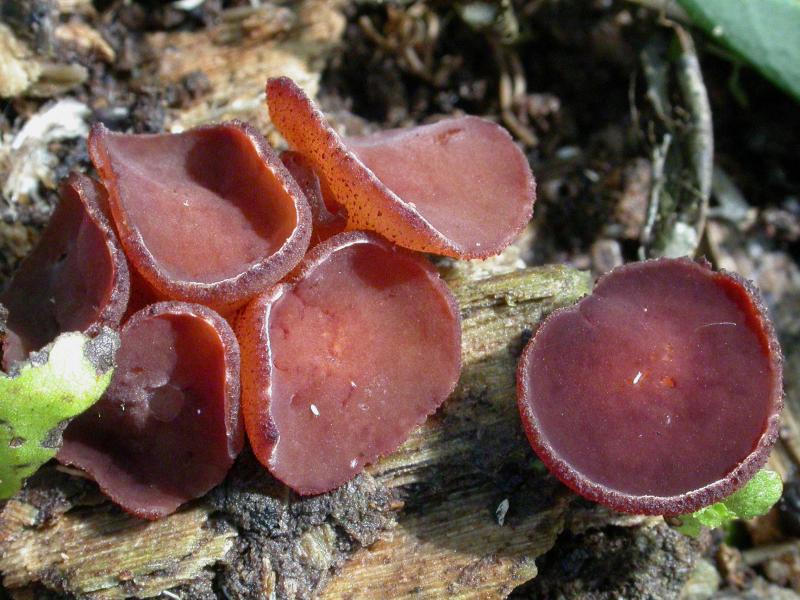
oh that's a better clue , Nihad, and it's not rare that the Iodine reaction is quasi nul
(I had overlooked that it was a Pezizales)
here is a collection with very similar colours
Michel
(I had overlooked that it was a Pezizales)
here is a collection with very similar colours
Michel
Nicolas VAN VOOREN,
27-06-2024 07:28

Re : Hairless brown small Pezizales on rotten conifer board
Yes, ascospores are typical.
Hans-Otto Baral,
27-06-2024 08:51
Re : Hairless brown small Pezizales on rotten conifer board
Ah. I should have known that fungus. Thanks! I will keep it moist to develop conidia on the spores.