
12-06-2026 14:50
 François Freléchoux
Bonjour, Voici la brève description d'une Mollis
10-06-2026 21:16
François Freléchoux
Bonsoir,Le dernier du jour, en attendant votre avi
11-06-2026 19:01
 William Slosse
Hello all,In an attempt to make a culture of a sus
11-06-2026 19:03
 Nicolas VAN VOOREN
Chers membres d'Ascofrance,Le site sera placé en

09-06-2026 18:32
Camille MertensSur morceau de roseau immergé 0,5 - 0,7 mm de dia
10-06-2026 12:54
Steve ClementsBonjour encore, Pouvez-vous m'aider, s'il vous pl
10-06-2026 21:07
François Freléchoux
Toutes les tiges de gentianes jaunes de l'an passÃ
10-06-2026 13:41
François Freléchoux
Bonjour à nouveau, Voici une trouvaille d'hier.
Caesiodiscus populicola
Thomas Flammer,
04-12-2024 12:19
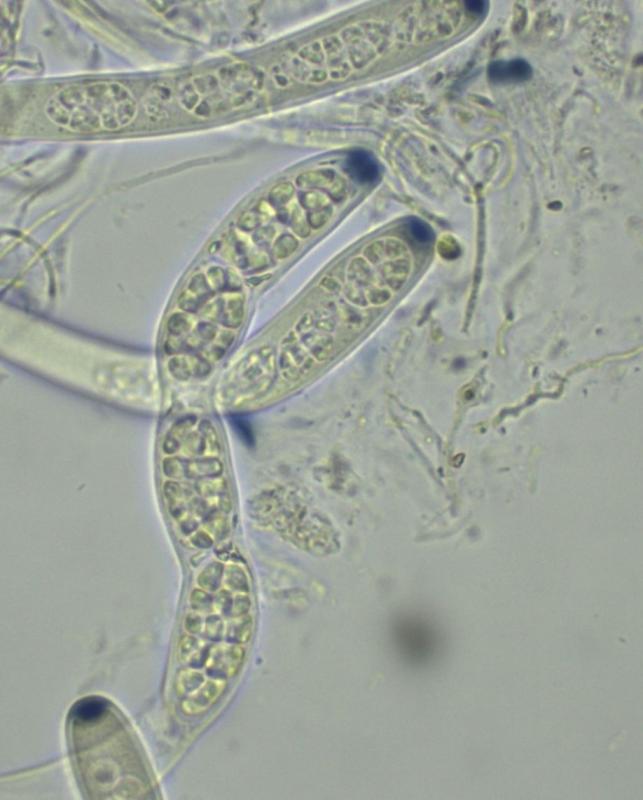
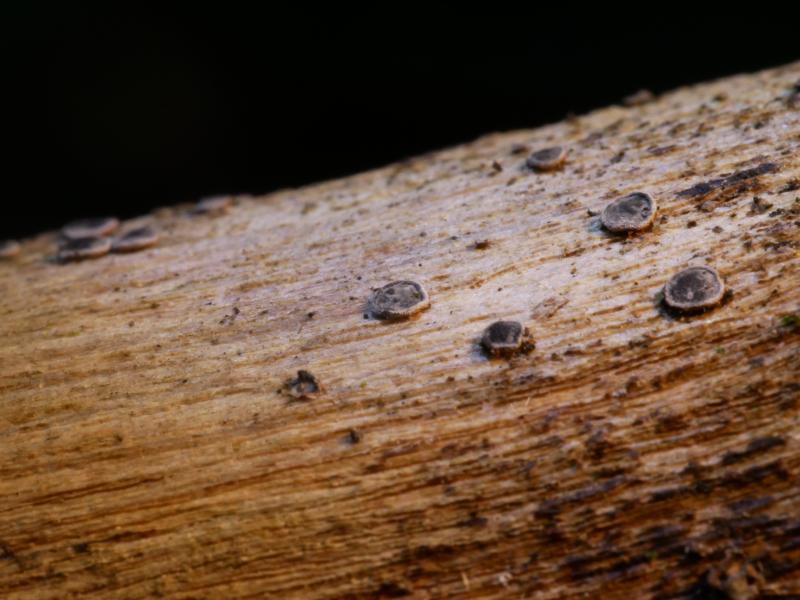
The best fit for now i can find is Pezicula frangulae. However if i compare with the page
https://www.centrodeestudiosmicologicosasturianos.org/?p=16994
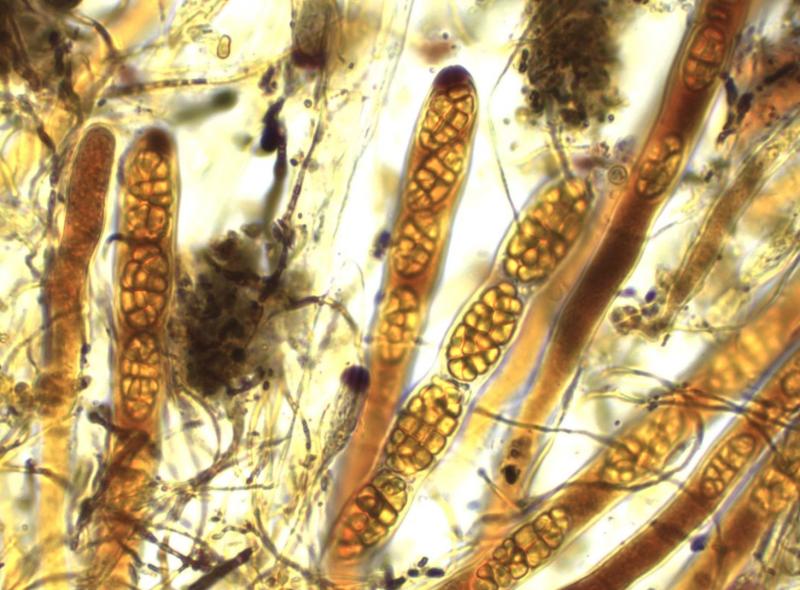
I am not quite sure any more, since the spores look really like septated (muriform).
Also the spores indicated by Enrique Rubio Domínguez are IKI-
Andgelo Mombert,
04-12-2024 12:59

Re : Pezicula frangulae?
Hello,
Where does the collection come from ? It's Caesiodiscus populicola. Nice sspecies !
Where does the collection come from ? It's Caesiodiscus populicola. Nice sspecies !
Thomas Flammer,
04-12-2024 13:21
Re : Pezicula frangulae?
A colleague of mine found it in Austria, we are not quite sure about the substrate. Regards Thomas