
12-11-2019 10:32
 Miguel Ángel Ribes
Hi againExactly at the same place than my previous


30-05-2026 21:12
Philippe PELLICIERSur branche de mélèze (Larix) près de la neige,
31-05-2026 10:35
Hulda Caroline HolteHello,I collected this species growing on a rather
25-05-2026 16:35
 Bernard CLESSE
Bonjour à toutes et tous,J'ai trouvé récemment,
29-05-2026 15:35
daniel FERREBonjour à tous,Je voudrais votre aide pour cette
28-05-2026 16:15
James MitchellHello,Does anyone have the original publication of
28-05-2026 11:06
Thomas Læssøehttps://svampe.databasen.org/observations/10596750
23-05-2026 11:44
 Charles Grapinet
Hello, I am having trouble identifying this copro
Sp
ruiz Jose,
26-12-2024 19:29
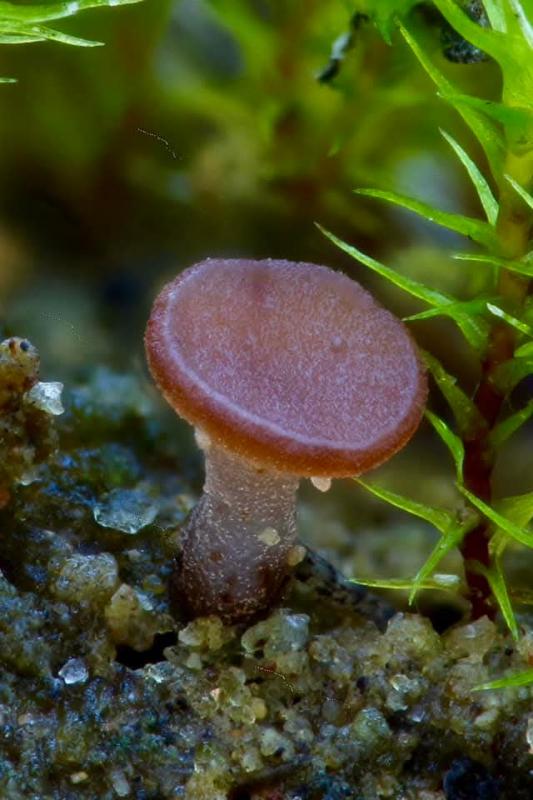
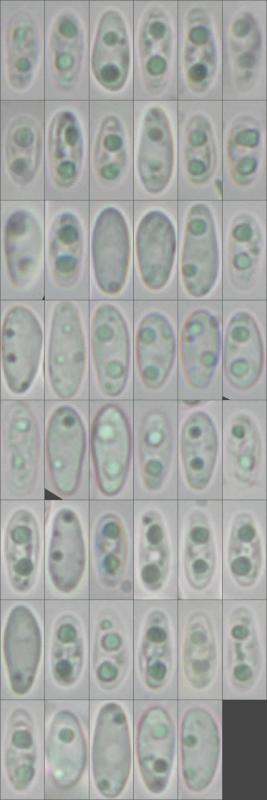
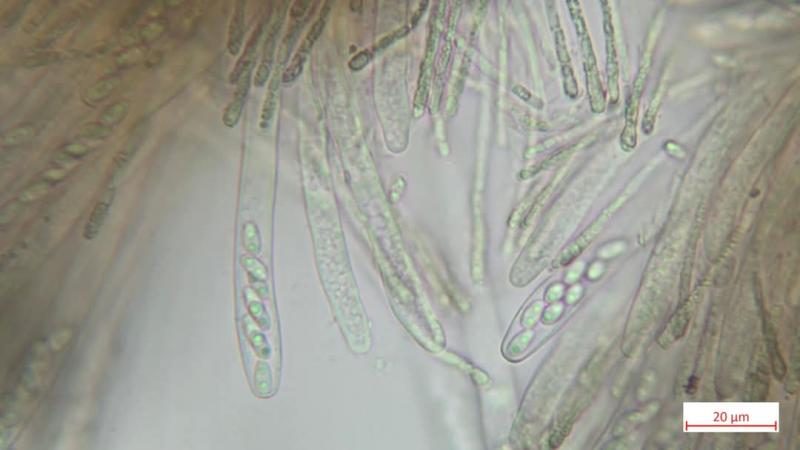
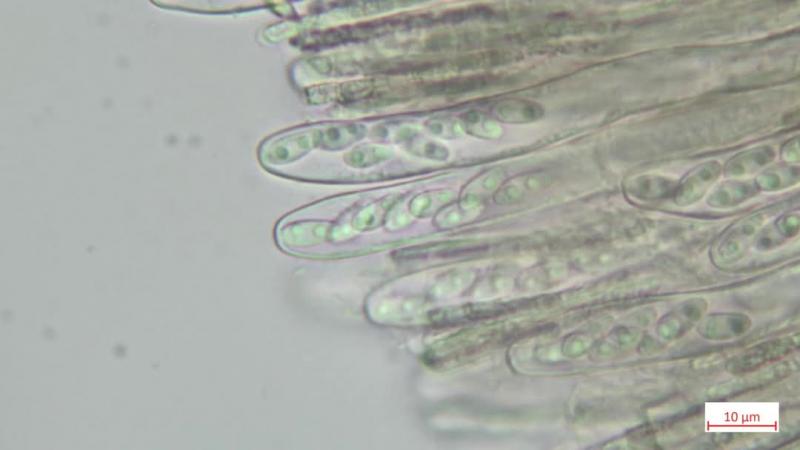
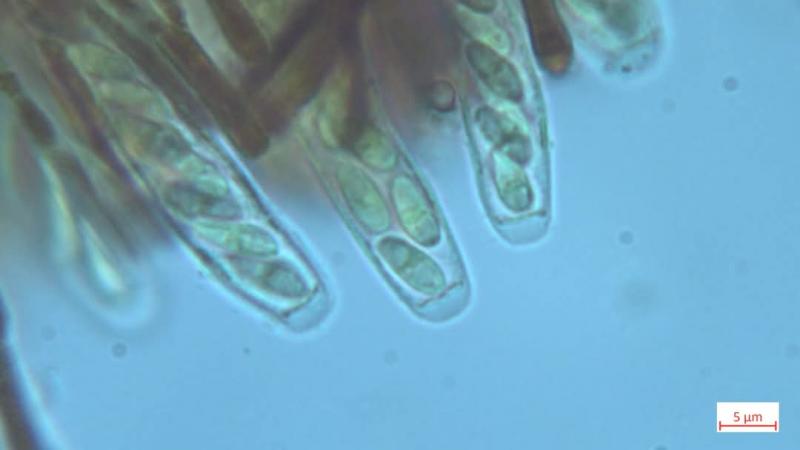
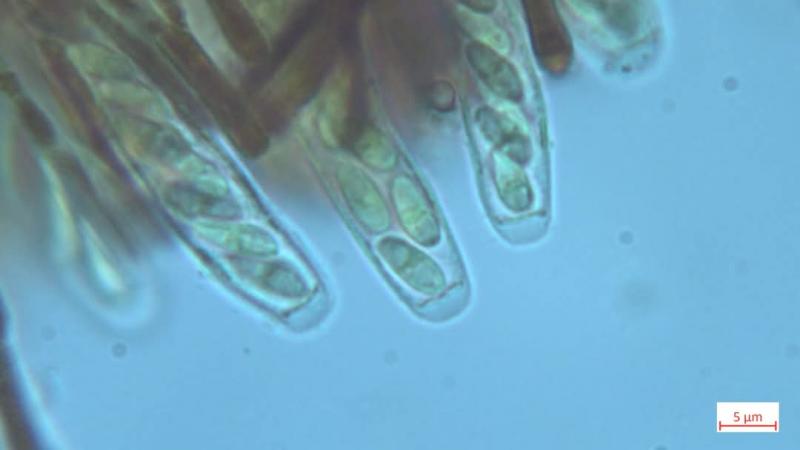
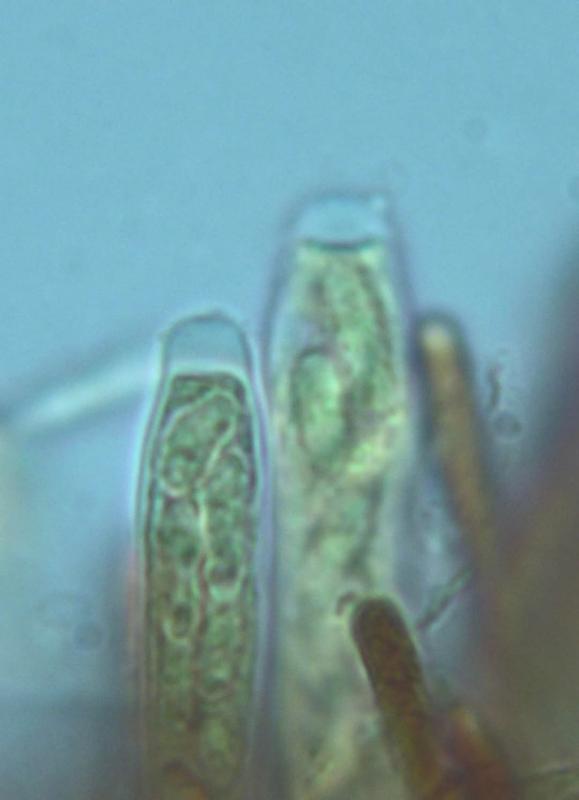
Hans-Otto Baral,
26-12-2024 19:57

Re : Sp
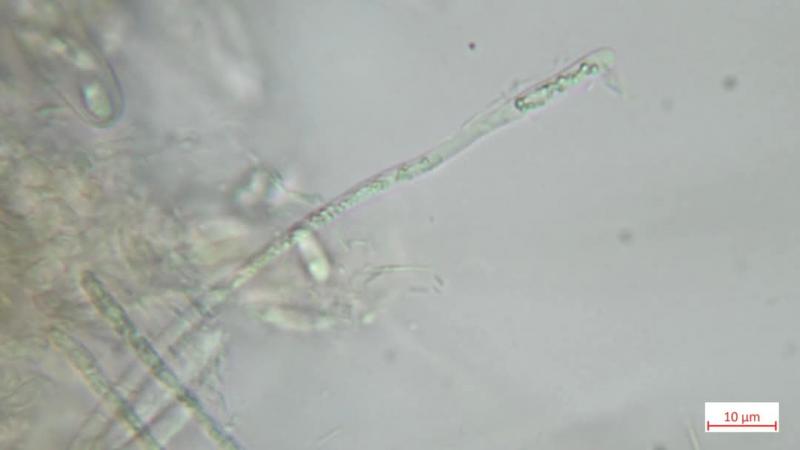
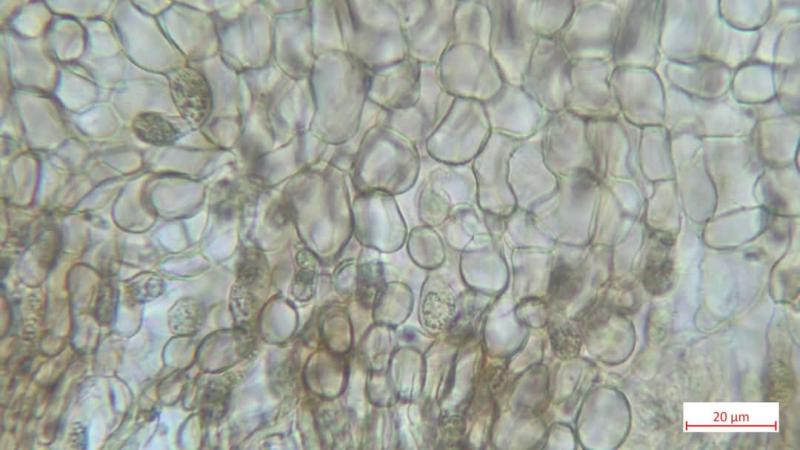
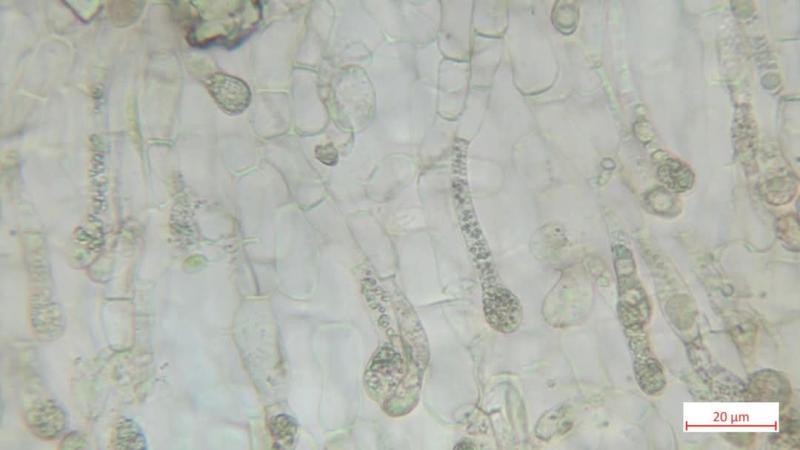
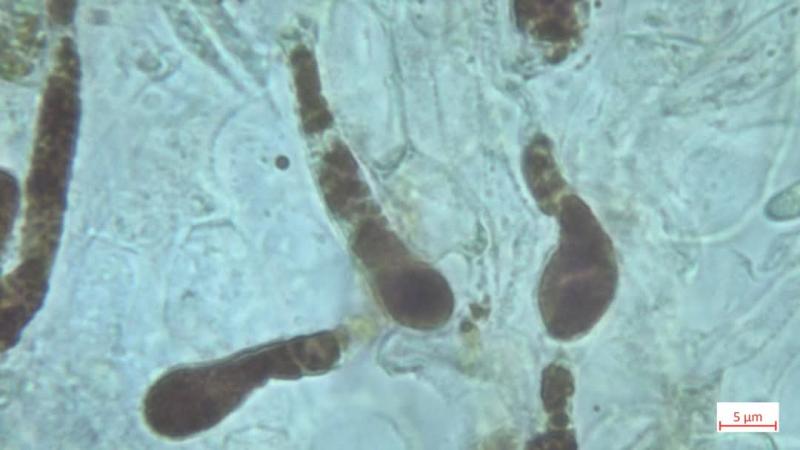
Did this fungus grow on sandy soil? It appears to be a Helotiaceae, perhaps a Bryoscyphus. Your spore table lacks a scale, did you measure them?
Whether or not the asci are inamyloid should bechecked with Lugol. The reaction you mention is due to the VBs in the cortical cells and paraphyses. VBs often react with iodine.
ruiz Jose,
26-12-2024 21:46
Re : Sp
Hola Zotto, crecía en zona arenosa, si tengo medidas, en cuanto a la reacción a melzer de las ascas son las dos últimas fotos, no se aprecia bien, pero es la foto que tengo.medidas
(7) 7.8 - 9.7 (10.3) × (3,4) 3,6 - 4,1 (4,4) µm
Q = (1,9) 2 - 2,5 (2,7) ; N = 47
Me = 8,7 × 3,9 µm; qe = 2,2
(7) 7.8 - 9.7 (10.3) × (3,4) 3,6 - 4,1 (4,4) µm
Q = (1,9) 2 - 2,5 (2,7) ; N = 47
Me = 8,7 × 3,9 µm; qe = 2,2
Hans-Otto Baral,
27-12-2024 10:32
Re : Sp
o.k., below 10 µm.
In the worst case the ascus apex was hemiamyloid, a term which you perhaps heard of. Using Melzer instead of Lugol results in a negative reaction, unless you have mounted the preparation before in KOH and the washed with water.
A symbiotic association with the bryophyte could be possible.
ruiz Jose,
27-12-2024 14:01
Re : Sp
Ok, muchas gracias Zotto lo tendré en cuenta, saludos